
Add ₹999 more to unlock FREE SHIPPING!
Your sacred cart is currently empty.
Shop Photo FramesThe famous temple of Sati Asara Mata, who symbolizes the water element among the Panchatatvas, is located in Donad Khurd. Within the temple complex, situated on the banks of the Katepurna River, there are two shrines dedicated to these Goddesses. There is also a shrine here for Gawalidev, who is considered their brother. It is customary here to bathe children in the river to ward off dangers, and to float children’s cradles in the river. It is also said that sick people recover by bathing in this river. A large fair is held here during the Chaitra Navratrotsav.
According to the ‘Bharatiya Sanskriti Kosh,’ ‘Asara’ is a corrupted form of the word ‘Apsara.’ Apsaras are women of the Gandharva class and are also known as Gandharvis. Sayanacharya derives the word from ‘Ap + Saras,’ meaning ‘those who play in water are Apsaras.’ Because of this, they are considered water deities. They are always together in groups of seven, hence they are called Seven or Sati Asara. Their names are Matsyi, Kurmi, Karkati, Darduri, Jatupi, Sompa, and Makari. According to the research work ‘The Folklore of Bombay’ by R. E. Enthoven, published in 1923, these Asaras are also known as Mavalayas in some regions. It is believed that these Asaras trouble children and young women.
The renowned scholar Durga Bhagwat, in her article ‘Dharma ani Lokasahitya – Abhichar kinva Jadutona’ (Navbharat, Nov. 1959), states that in Indian folk tradition, two types of disease deities are recognized: Bhudevata (earth deities) and Jaladevata (water deities). These Jaladevatas reside in water bodies such as rivers, lakes, and wells. Durga Bhagwat also notes the belief in Varhad that the Seven Asaras are very fierce (tamasi) and cause water-related diseases. According to popular belief, the Seven Asaras reside near all water bodies. Some believe they only live in lakes with lotuses. Due to the disease-causing fierce power of the Seven Asaras, they are worshipped to seek their benevolent gaze. According to folk tradition, Gawalidev is their brother. He is worshipped along with the Seven Asaras. In the temple at Donad, these Seven Asaras are worshipped by the names Jagatjanani Asara, Asara Saraswati, Asara Annapurna, Asara Jagadamba, Mahalakshmi Asara, Mahakali Asara, and Durga Asara.
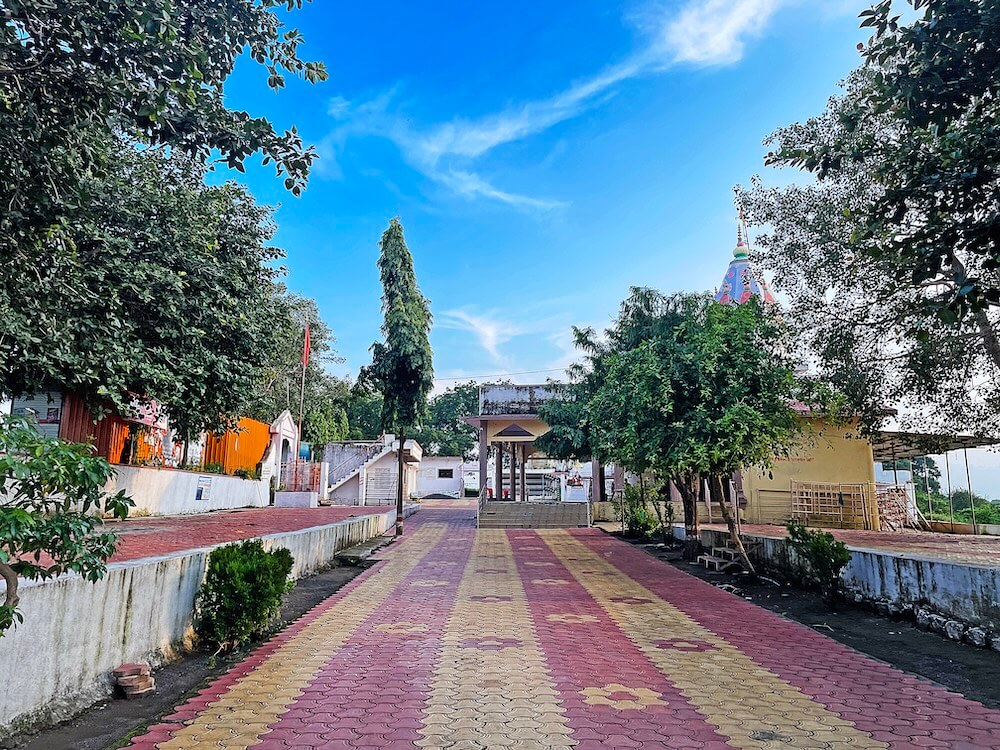
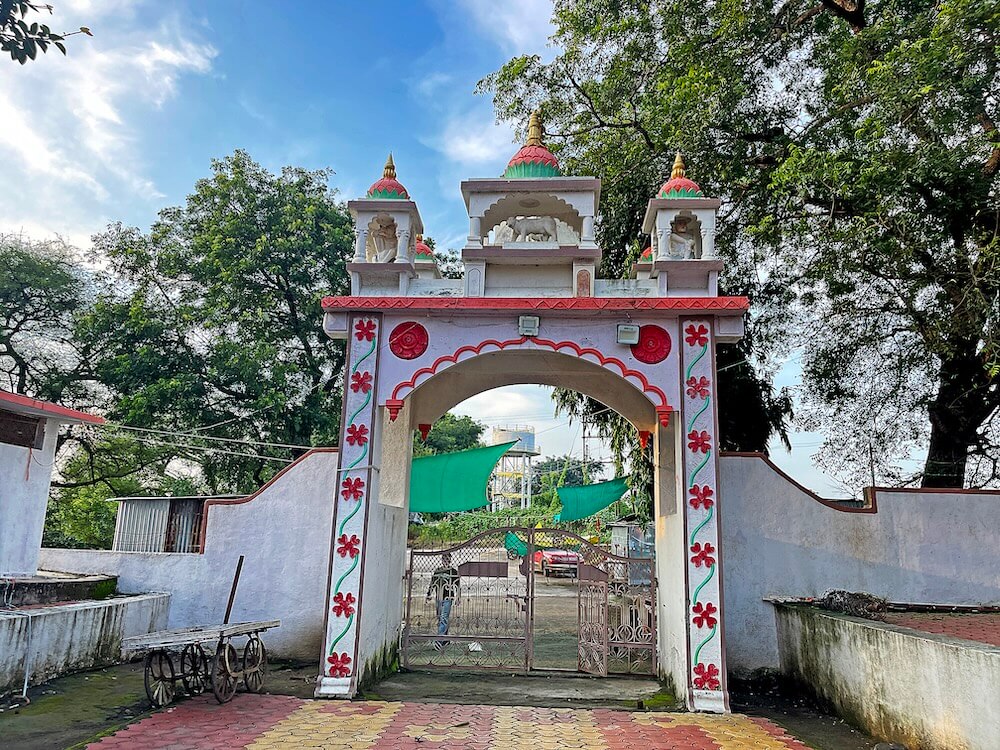
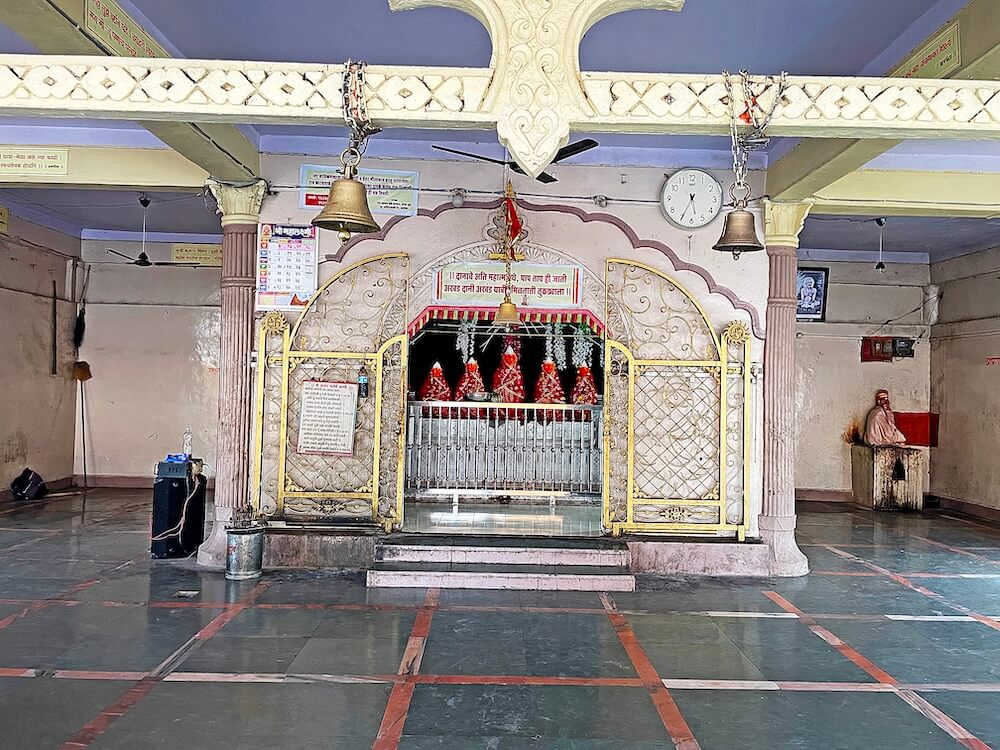
The Asara Mata Temple is situated in Donad Khurd, along the Akola-Washim road. Entry into the temple courtyard is through the main entrance in the surrounding compound wall. Above this entrance, in a small shrine resembling a Meghadambari, there is a sculpture of a cow and calf, and an idol of Gajanan Maharaj. The courtyard, paved with paver blocks and adorned with many trees, appears clean and beautiful. In the courtyard, there is a trident on a large platform. The temple complex houses two temples dedicated to the Goddesses. The old temple is located near the riverbed. In front of the new temple, situated in the center of the courtyard, there is a beautiful sculpture of Gadgebaba. The temple’s structure comprises a sabhamandap (assembly hall) and a garbhagriha (sanctum sanctorum). The garbhagriha is designed with a circumambulatory path in front of the semi-open sabhamandap.
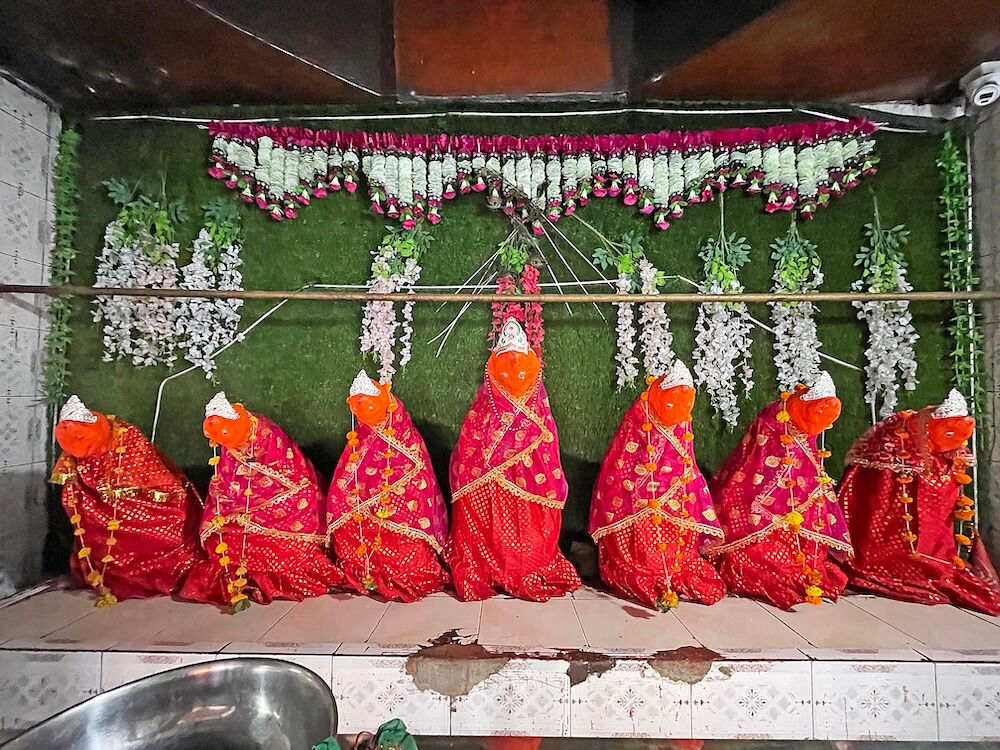
The idols of Sati Asara are enshrined on the Vajrapitha within the garbhagriha, which is slightly elevated from the sabhamandap. These vermilion-smeared Goddesses have their heads slightly bowed. The idols wear crowns and garlands. According to the devotees’ faith here, the Goddess in the center is Asara Jagadamba. She is considered the elder sister of all the Goddesses here. To her left are her six sisters: Jagatjanani Asara, Saraswati Asara, and Annapurna Asara; and to her right are Durga Asara, Mahakali Asara, and Mahalakshmi Asara. There is also a shrine for Gawalidev in this area.
Countless devotees from Vidarbha have faith in the Goddesses here. A fair is held here from Chaitra Shuddha Ekadashi to Chaturdashi. It is said that during this fair period, approximately four to five lakh devotees come for the Goddesses’ darshan from Maharashtra, as well as Chhattisgarh, Madhya Pradesh, Rajasthan, Gujarat, and Andhra Pradesh. At this time, devotees offer sarees, blouses, and ‘oti’ to the Goddess, and present ‘rodge’ (a type of bread) and curd-butter as ‘naivedya’ (food offering). During Navratrotsav, for ten days, programs such as Devi Bhagwat recitations, bhajans, kirtans, pravachans (discourses), and mahaprasad (grand feast) are held. Hair tonsuring ceremonies for children are also performed here. In recognition of the large number of devotees visiting for darshan, the Maharashtra Government has honored this temple with a ‘C’ grade. Devotees can visit the temple for darshan of the Goddesses daily from early morning until late at night.
This sacred temple stands as a testament to deep spiritual devotion, ancient architectural grandeur, and rich local cultural traditions.
The sanctum sanctorum houses the divine idol consecrated according to ancient Vedic traditions, surrounded by serene courtyards and traditional temple architecture.
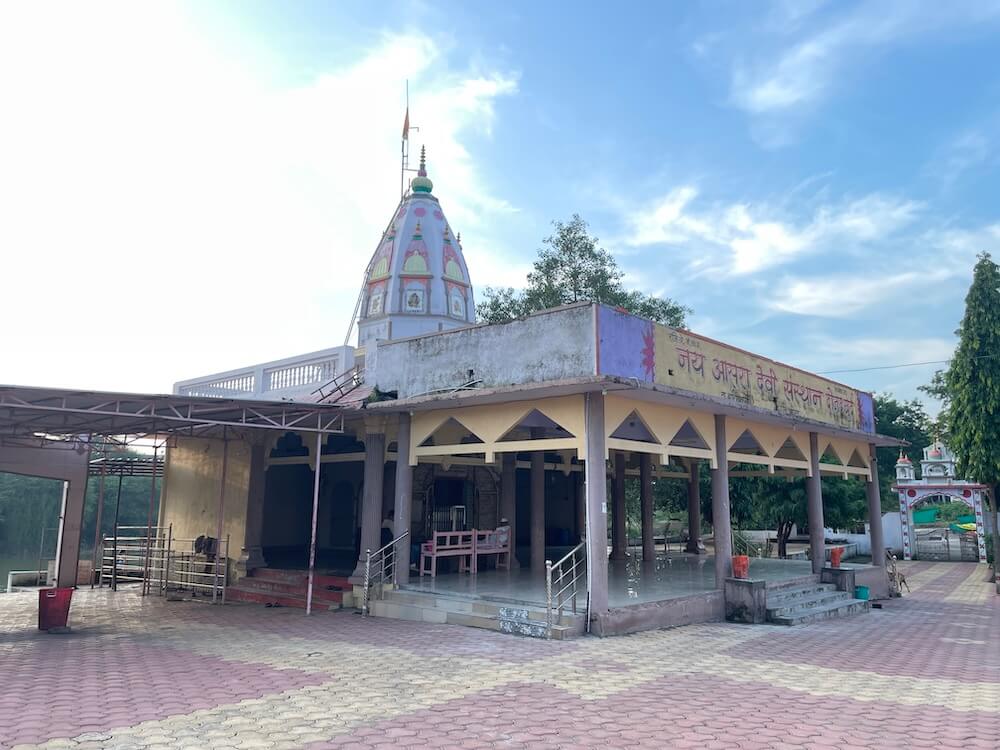
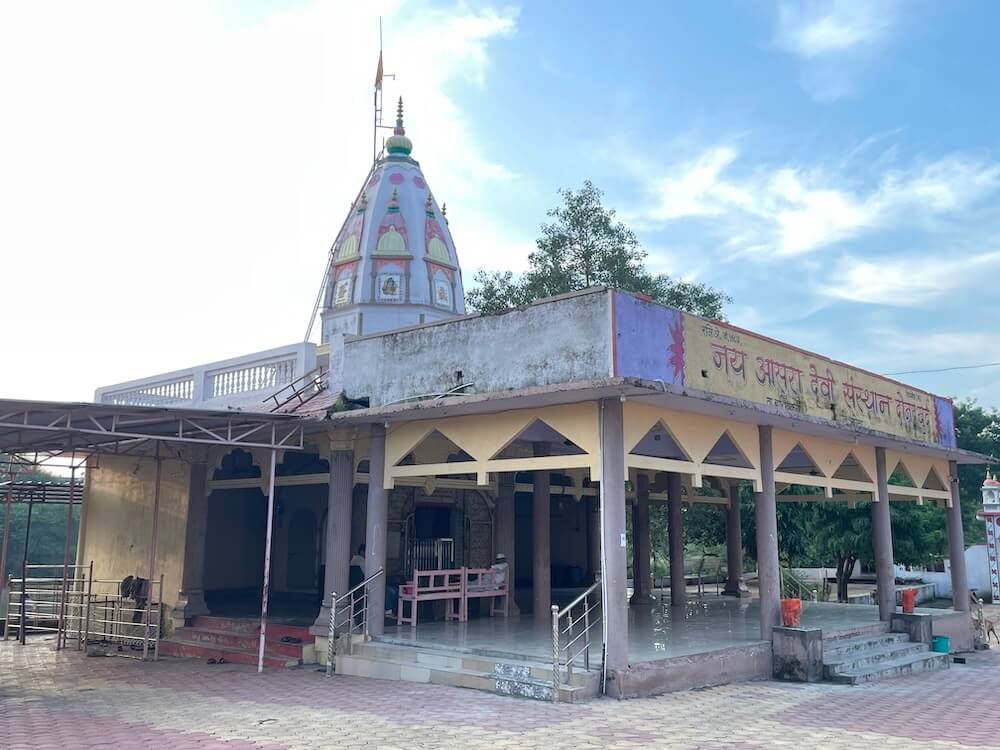
Navratri, Maha Shivratri, Annual Temple Jatra & Deepotsav
Compare and book flights, secure top-rated local hotels near the temple, hire reliable guides, and rent cars instantly.
Extend your pilgrimage by visiting other highly sacred temples located nearby.


Add ₹999 more to unlock FREE SHIPPING!
Your sacred cart is currently empty.
Shop Photo FramesFill in your delivery details below to place your order.
Add comment