
Add ₹999 more to unlock FREE SHIPPING!
Your sacred cart is currently empty.
Shop Photo FramesSituated at the confluence of the Nalganga and Jalganga rivers in the Buldana district, the village of Rohinkhed is considered historically and religiously significant. The main attraction here is the Hemadpanti Koleshwar Mahadev Temple, which is over twelve hundred years old. This temple is renowned for its magnificent Shiva Linga. A famous legend states that Chhatrapati Shivaji Maharaj stayed here while returning after the plunder of Karanja.
Archaeological evidence indicates that the history of Rohinkhed dates back to the 8th to 9th centuries. The village is nestled on the western side of the Ajanta mountain ranges at the confluence of the rivers. These two rivers naturally surround the village on three sides. A prosperous Hindu culture flourished here even before the rise of medieval Islamic regimes. Pottery, ancient sculptures, and remnants of temple foundations found in fields and during house construction bear witness to the antiquity of this region. During the medieval period, particularly under the Nizamshahi era, the village became known as Rohinabad or Raunakabad. At that time, it rose to prominence as a capital city. From a commercial perspective, the city was so prosperous that it was compared to major trade centers of that era. Political upheavals during the Nizamshahi period transformed the village into a military cantonment, evidence of which can still be seen today in the form of its gates and bastions. The village had a total of 12 entrances (gates), and a Maruti temple was established to protect each gate. This concept of ’12 Gates and 12 Marutis’ was implemented to secure the village’s boundaries. Remnants of some of these gates still exist today.
Rohinkhed is also known for its historic Jama Masjid. This mosque was built in 1582 by Khudawand Khan Mahdavi. A major attraction of this mosque is its ‘magical walls.’ Verses from the Quran are inscribed on the walls of the mosque in Persian and Arabic. It is said that when a wet cloth is wiped over these walls, the letters appear clearly in red and black, and they disappear again once the wall dries. Managed by the Archaeological Survey of India, this mosque is considered a monument of national importance.
Rohinkhed, a spiritual center, has also been a witness to two major historical battles. These battles have immortalized the name of Rohinkhed in history. The first battle took place in 1437 AD. At that time, Sultan Nasir Khan of Khandesh invaded the Berar province due to the treatment received by his daughter, who was married to the Bahmani Sultan Alauddin Shah. The main conflict of this war occurred at Rohinkhed. Khalaf Hasan Basri, the Governor of Daulatabad, decisively defeated Nasir Khan’s army. Nasir Khan was driven back to his capital (Burhanpur). The second battle took place in 1591 AD. During that period, a struggle for the throne of the Nizamshahi of Ahmednagar had begun. Burhan Nizam Shah (brother of Murtaza Nizam Shah) invaded Berar under the protection of Emperor Akbar. Opposing him was the commander Jamal Khan. A fierce battle between these two armies took place on the plains of Rohinkhed. In this battle, Jamal Khan was killed, and Burhan Nizam Shah emerged victorious.
There are various opinions regarding the construction of the Koleshwar Temple. Some believe it was built during the time of the Yadavas of Devgiri, while others suggest it may have been erected during the reign of the Rashtrakuta kings. It is said that the temple, built by the Rashtrakuta dynasty, was originally named Koteshwar Mahadev Temple, but over time, it became known as Koleshwar Mahadev. A few years ago, some Jain researchers who came here for excavation and research found an inscription in Sanskrit on the platform outside the temple. Based on this, they estimated that the temple dates back to the Rashtrakuta dynasty.
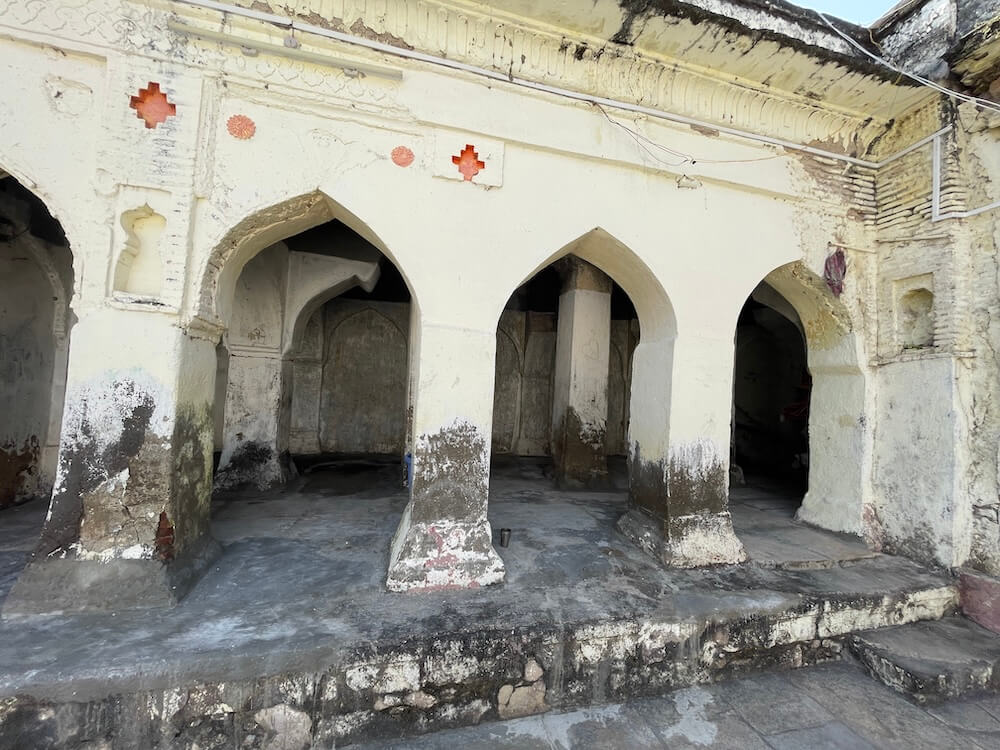
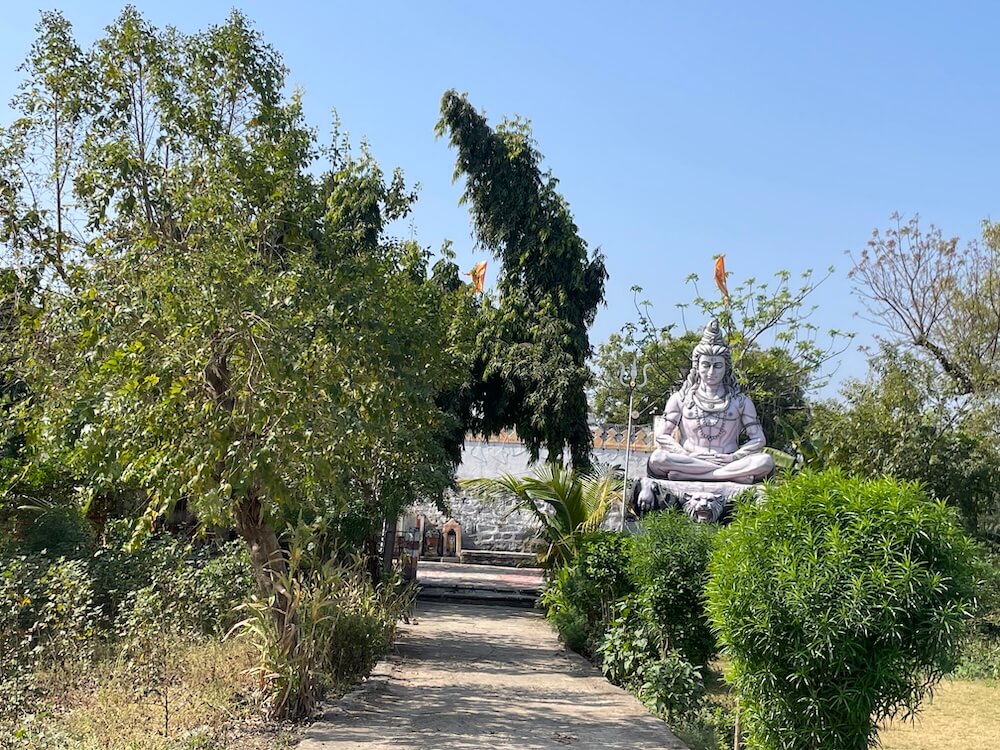
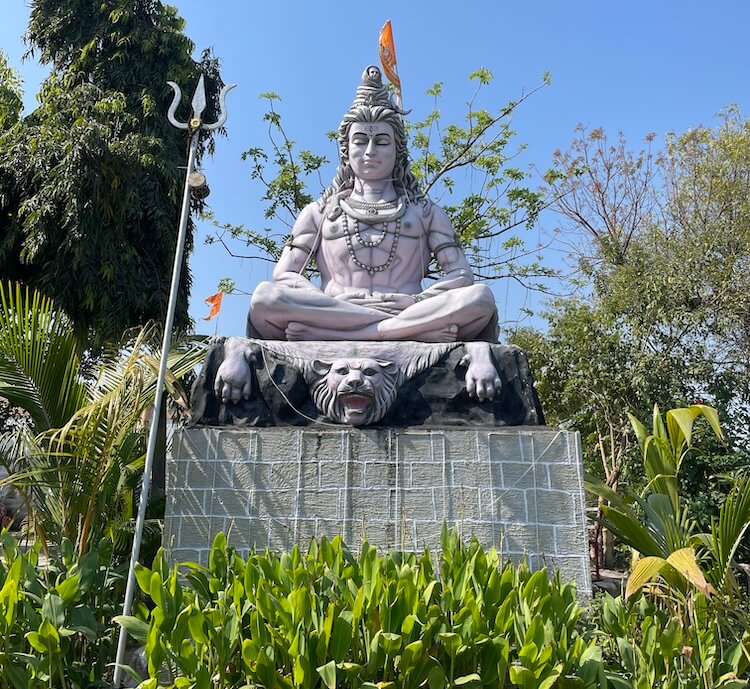
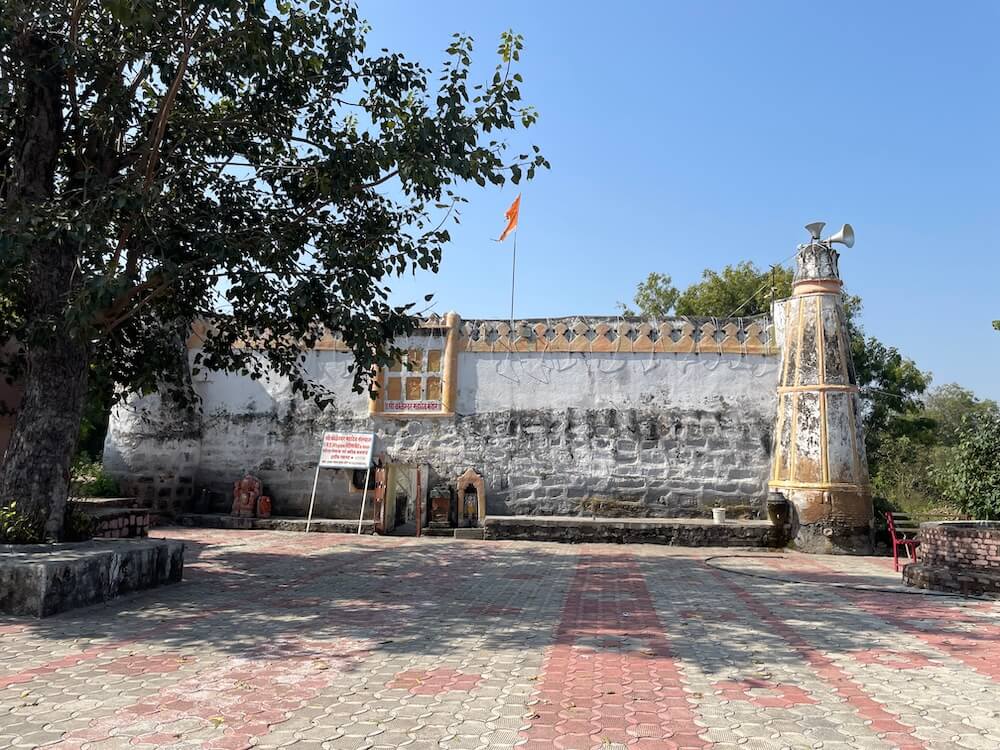
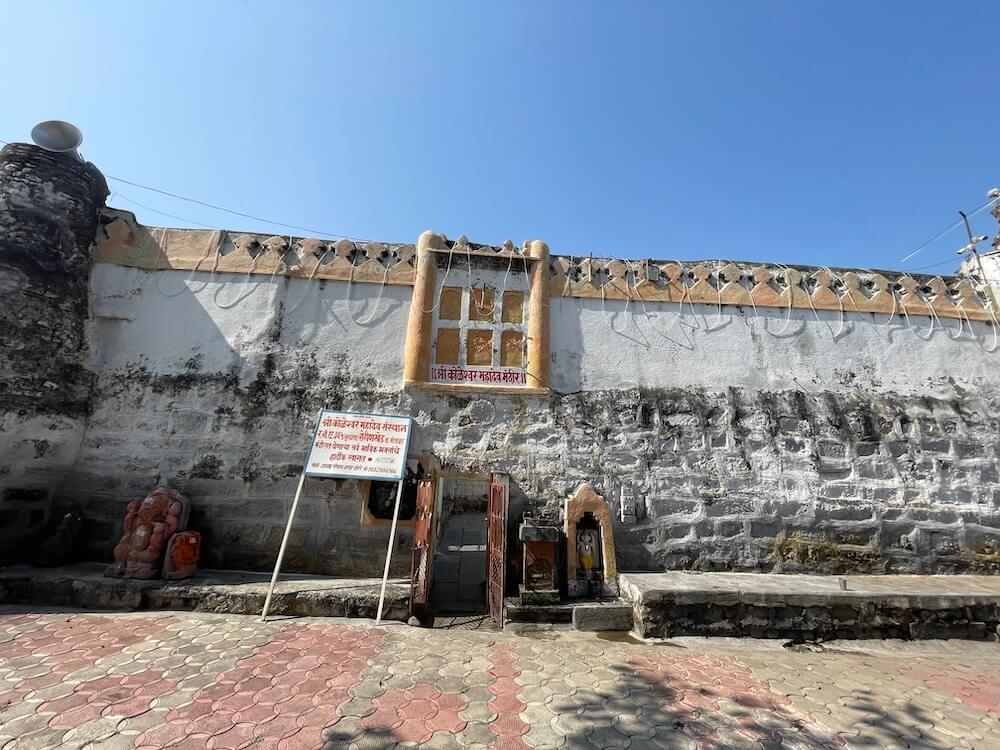
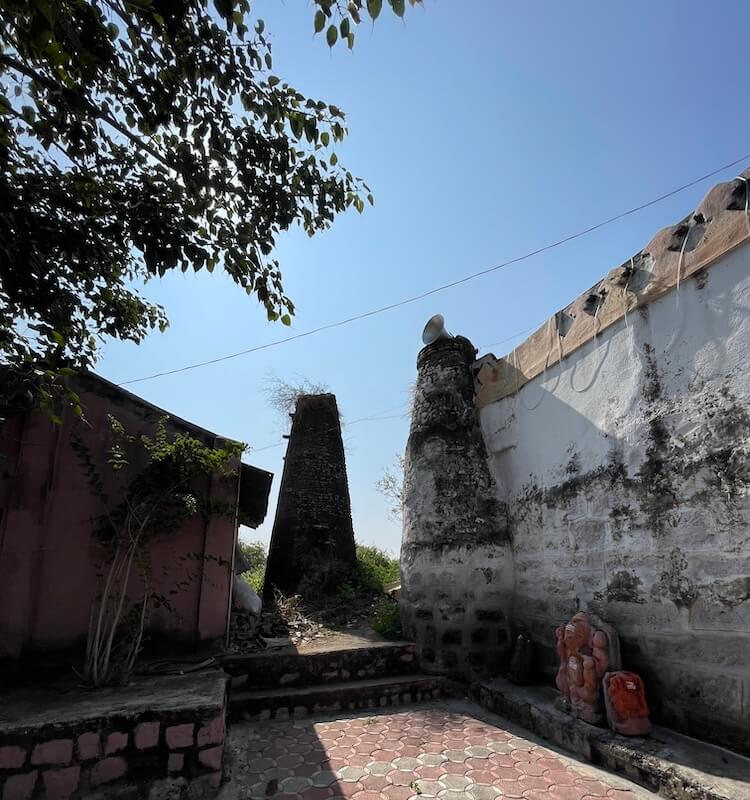
The temple premises are peaceful and serene. In front of the temple is a small courtyard paved with paver blocks, equipped with benches for devotees. There are some ancient idols in this courtyard. The temple is surrounded by fortifications like a fort. Near these fortifications, there is a large idol of Lord Shiva on the right and a lamp pillar (Deepstambh) on the left. Near the small entrance in the fortification, there is a Tulsi Vrindavan. This entrance leads to the inner courtyard of the temple. In this courtyard, near the ramparts, there is a small Shiva Linga and a trident on a pedestal. On the right side of this courtyard, there are arched corridors, and in the center, there is a sacrificial altar (Homkund).
The temple is structured with a Sabha Mandap (assembly hall) and a Garbhagriha (sanctum sanctorum). In the Sabha Mandap, between two ornate pillars and in front of the entrance to the sanctum, stands a Nandi idol carved from a single stone. On the front wall of the sanctum within the Sabha Mandap, there are niches (Devkosthakas) containing an ancient idol of Shankar-Parvati on the left and a large stone idol of Ganesha on the right. In front of this Ganesha idol in the Sabha Mandap is an idol of a mouse (Mushak) holding a modak. Descending four steps from the Sabha Mandap leads to the sanctum below. In the center of this sanctum, a five-faced crown of Lord Shiva is placed on a large Shiva Linga. This Shiva Linga is considered the largest and self-manifested (Swayambhu) in the district. The Panchdhatu (five-metal) crown on this Shiva Linga weighs about forty kilograms. The spire (Shikhar) above the sanctum is not visible from the outside, but from inside the sanctum, the interior of the stone-built spire can be seen.
Devotees frequently visit to seek the blessings of the vibrant (Jagrut) Shiva Linga. Mahashivratri is the biggest festival celebrated here. On this occasion, an unbroken ‘Shivnam Saptah’ (week-long chanting of Shiva’s name) is organized. On Chaitra Shuddha Dwadashi, a procession of the Shiva crown is taken out through the village in a chariot. Many devotees participate in this procession. Hundreds of devotees also visit for darshan during the month of Shravan.
This sacred temple stands as a testament to deep spiritual devotion, ancient architectural grandeur, and rich local cultural traditions.
The sanctum sanctorum houses the divine idol consecrated according to ancient Vedic traditions, surrounded by serene courtyards and traditional temple architecture.
Navratri, Maha Shivratri, Annual Temple Jatra & Deepotsav
Compare and book flights, secure top-rated local hotels near the temple, hire reliable guides, and rent cars instantly.
Extend your pilgrimage by visiting other highly sacred temples located nearby.

Add ₹999 more to unlock FREE SHIPPING!
Your sacred cart is currently empty.
Shop Photo FramesFill in your delivery details below to place your order.
Add comment