
Add ₹999 more to unlock FREE SHIPPING!
Your sacred cart is currently empty.
Shop Photo FramesAt the foothills of Prasannagad, also known as Chavand Fort, and near the source of the Kukadi River, lies the renowned Kukadeshwar Temple in Junnar taluka. Situated twenty kilometers from Junnar, this temple is a magnificent example of Hemadpanthi architecture. Preserving an artistic and cultural heritage dating back a thousand years, this temple still stands today in the village of Pur as a historical witness. Consequently, the village of Pur is also known as Kukadeshwar. Although it is said to belong to the Pandava era, historical references indicate that the temple was built by the Shilahara king Zhanjha in the seventh to eighth centuries.
It is said about this temple that, with the objective of protecting it from foreign invasions, the villagers buried this temple beneath the soil and created a small hill over it. Over time, after that generation passed away, the villagers completely forgot that a temple existed here. In the year 1930, a boy who had come to graze cattle on this hill noticed a large opening here, through and through, from which honeybees were going in and out. Therefore he attempted to dig a breach. Then he caught sight of an intricately carved stone pillar there. When the cowherd informed the villagers about this, they began to excavate the soil there. This work, which continued for eight to ten days, concluded, and this temple of Kukadeshwara was freed from the soil. Remarkably, despite remaining buried under the soil for so many years, this temple had not suffered any major damage.
Originally, no lime mortar or any other binding material was used to join the stones in the construction of this temple. These stones were carved from various angles, fashioned with pegs and grooves, and fitted into one another. The structure, formed by interlocking stones from the base to the shikhara, is a hallmark of the Hemadpanti architectural style, which proves both its monolithic integrity and durability.
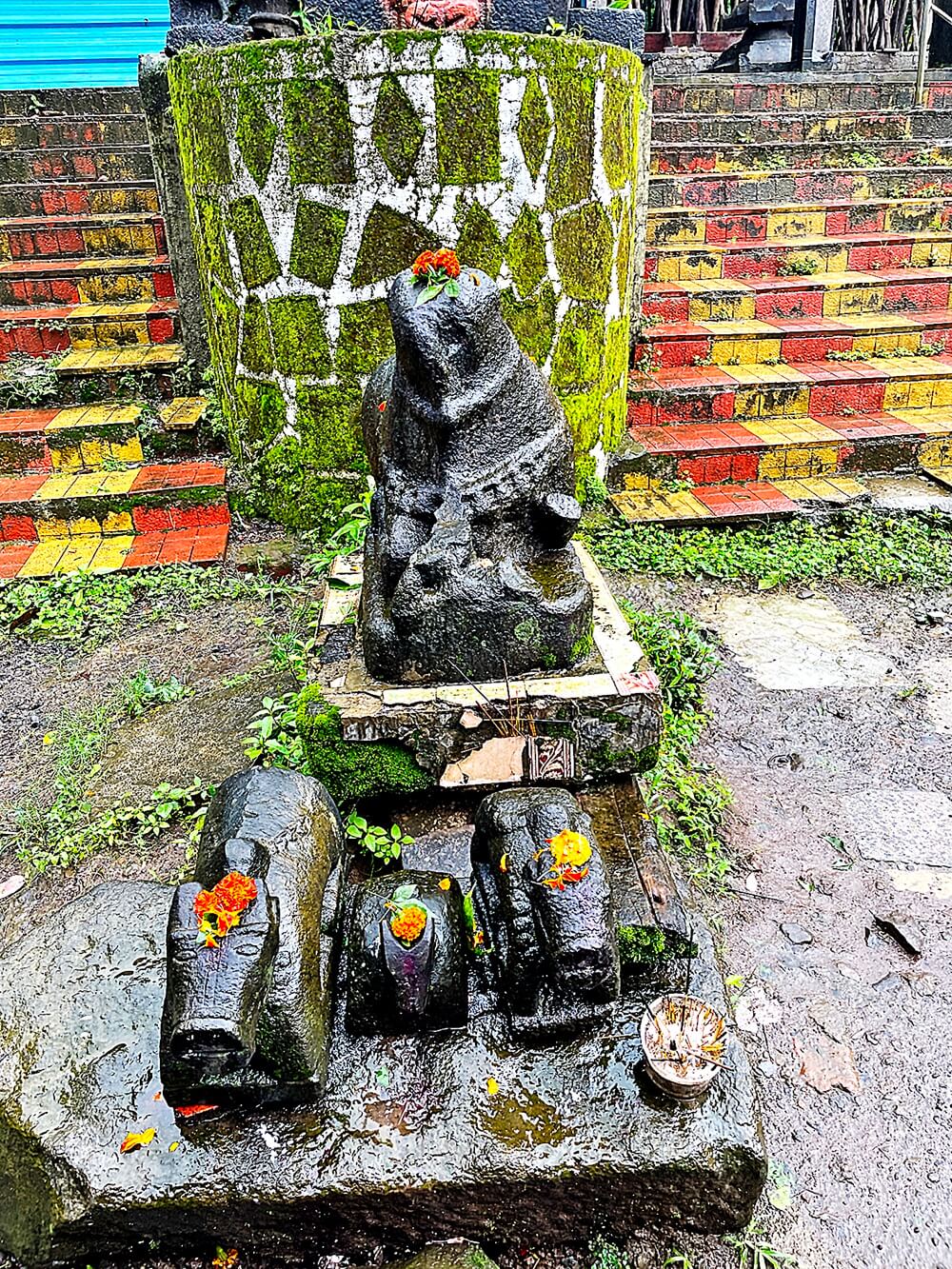
At the entrance of this temple, there is a Ganesha lintel displaying a magnificent specimen of sculpture, along with Kirtimukhas, and on the outer walls, many exquisite sculptures such as the Varaha Avatar, Nandi, Ganesha, Kubera, and Shiva Tandava. Here, the doorjambs consist of two vertical pillars of the doorway. Images of Shiva Ganas as ascetics carved in stone are present here. Images of the river goddesses Ganga and Yamuna, holding holy water in their hands, are also carved.
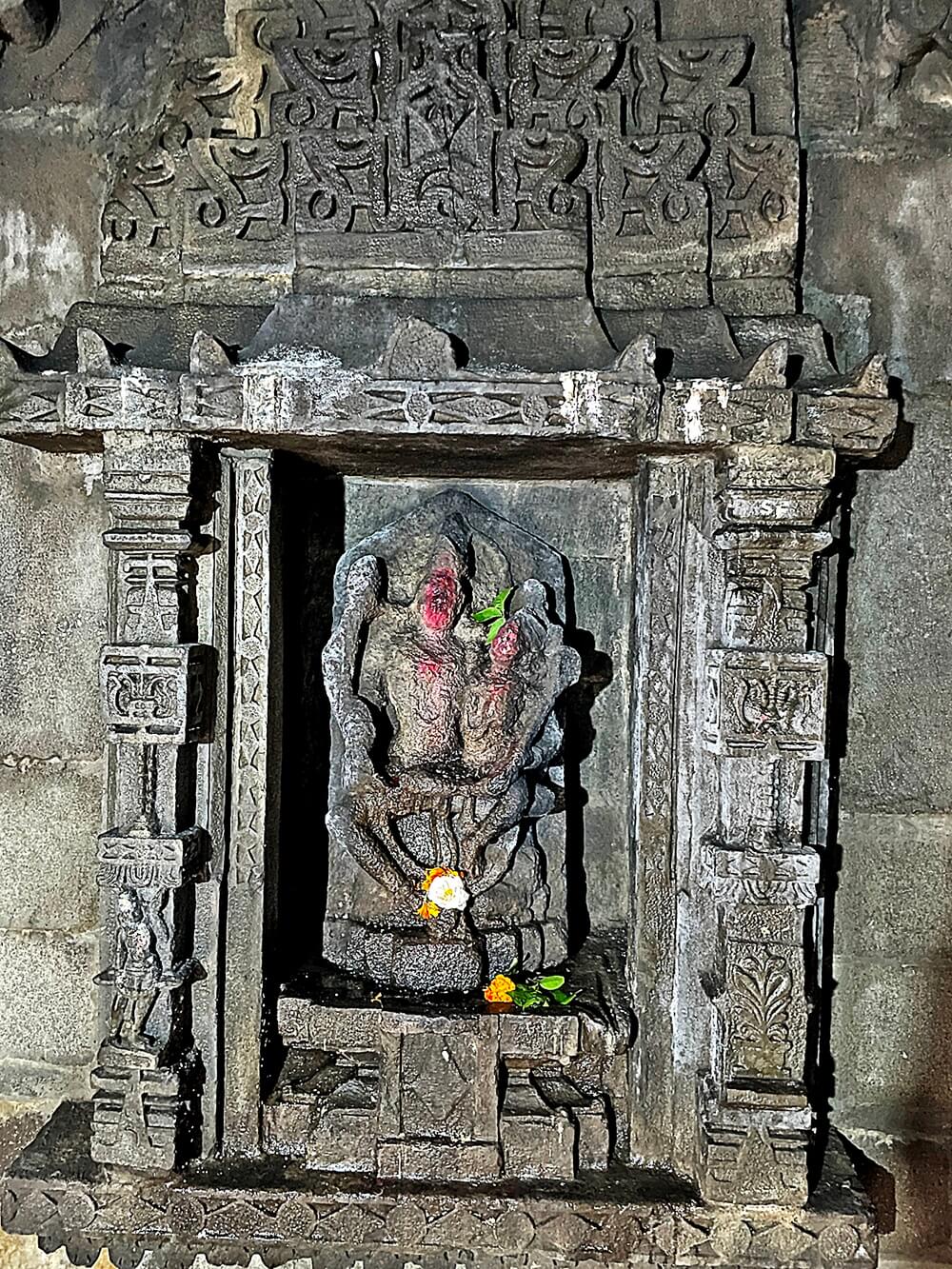
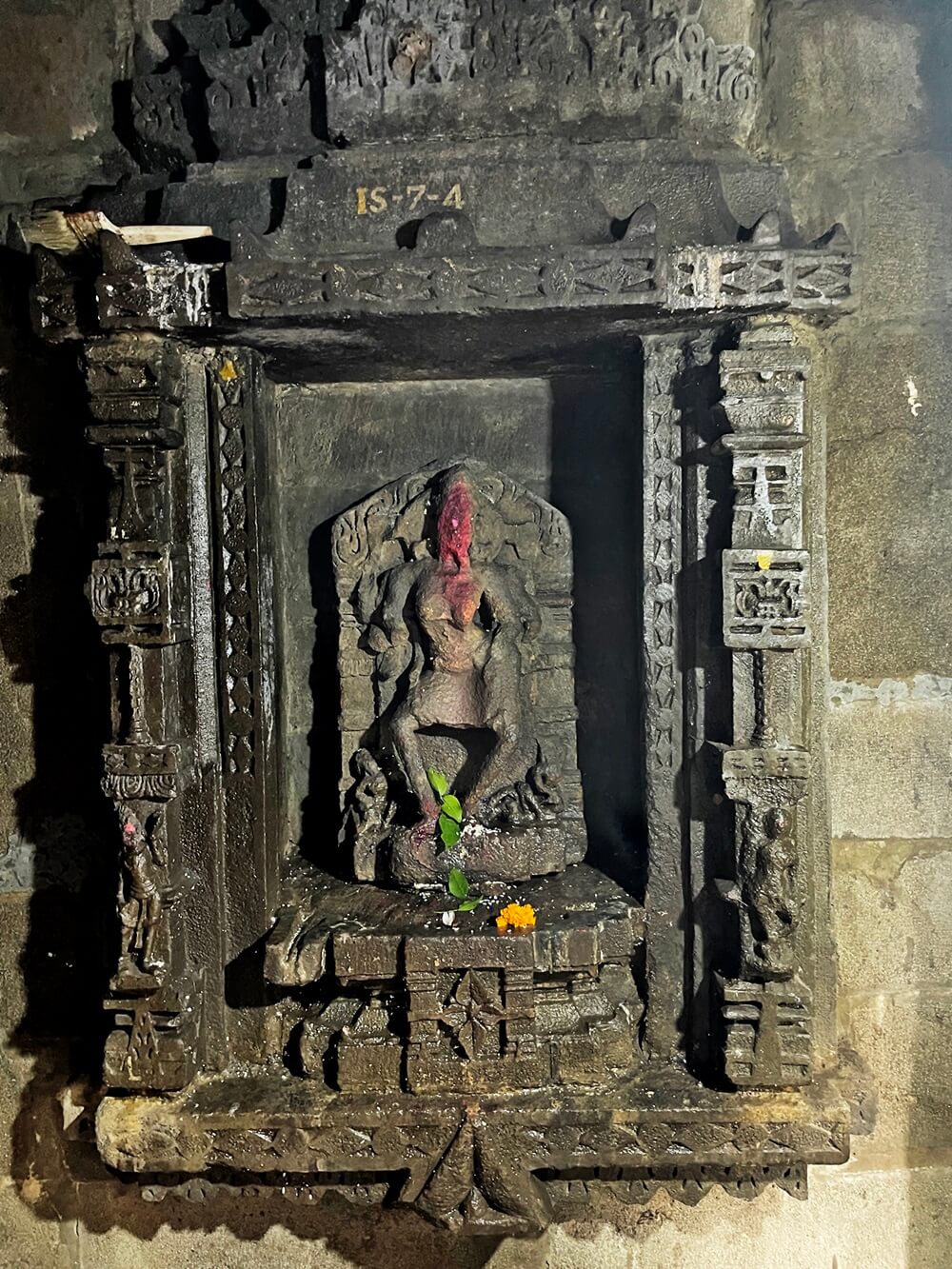
The temple consists of three parts: the sanctum sanctorum (garbhagriha), the vestibule (antarala), and the main hall (sabhamandapa). The Nandi pavilion in the outer sabhamandapa features intricate carvings, depicting load-bearing Gandharvas, Yakshas, Shaivas, and Kinnars. There is a divine alcove (devakoshtaka) here, in which the idol of Kalika—revered as the liberating deity of Lord Shiva, Goddess Parvati, and the divine Shiva family—is consecrated. On a stone pillar, Lord Ganpati, dancing Apsaras, and musicians playing the mridangam are carved. On the second pillar, there is a yaksha holding a lotus and a bow and arrow in his hands, possessing six hands. Ganesha holding a battle-axe (parashu) and numerous female dancers are also carved on the pillar.
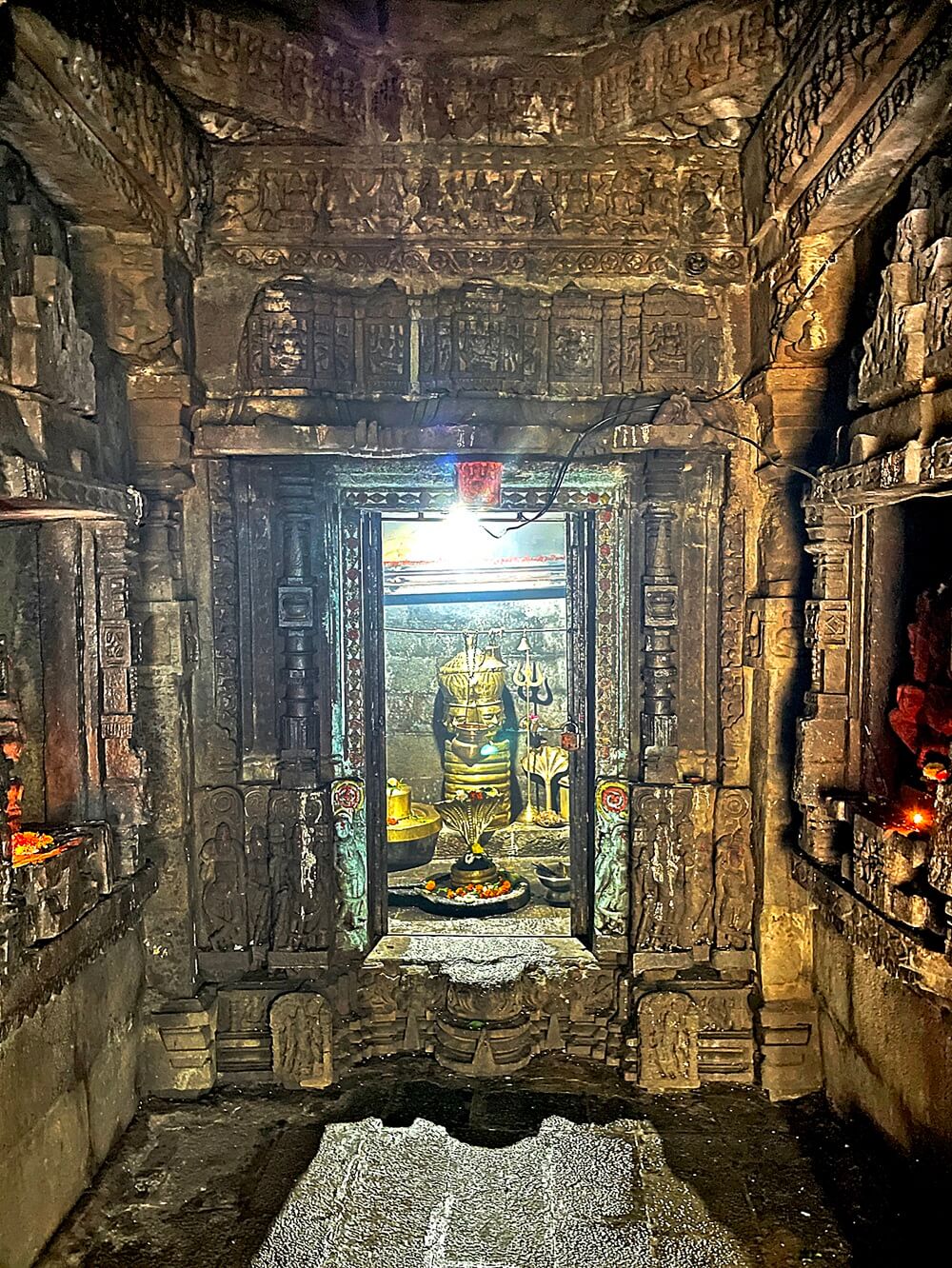
As you enter the sanctum sanctorum, there is a doorjamb (dwarashakha). Pillars and river goddesses are carved onto it. Kirtimukha and the Ganesha panel (ganeshpatti) are also visible here. Saptamatrikas and apsaras standing with flower garlands in their hands are carved here as well.
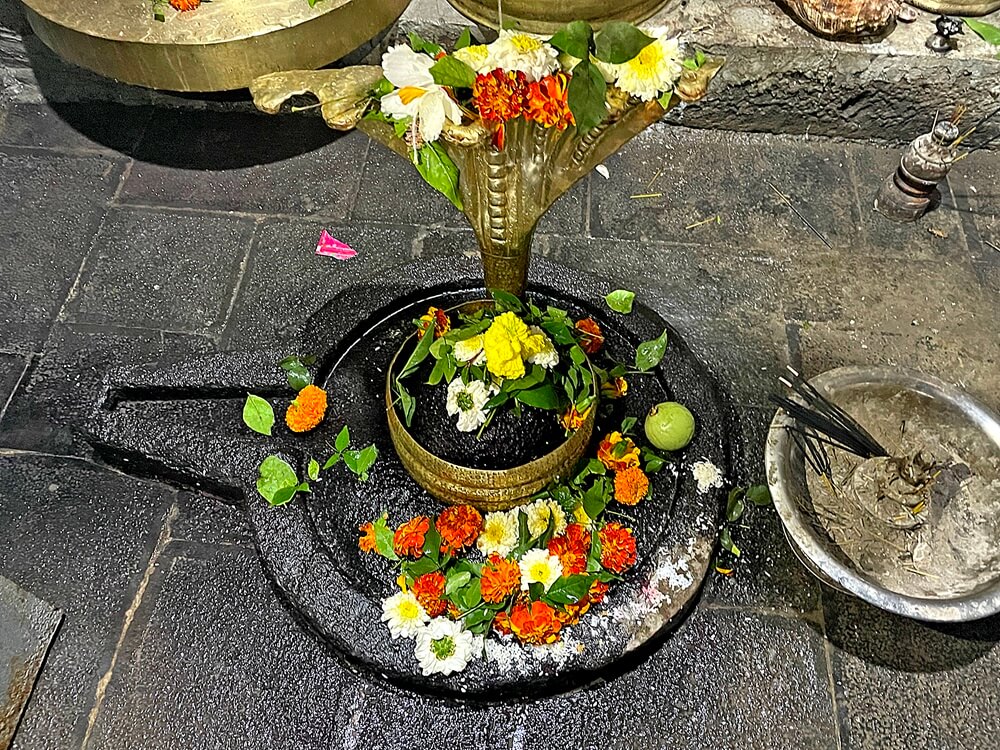
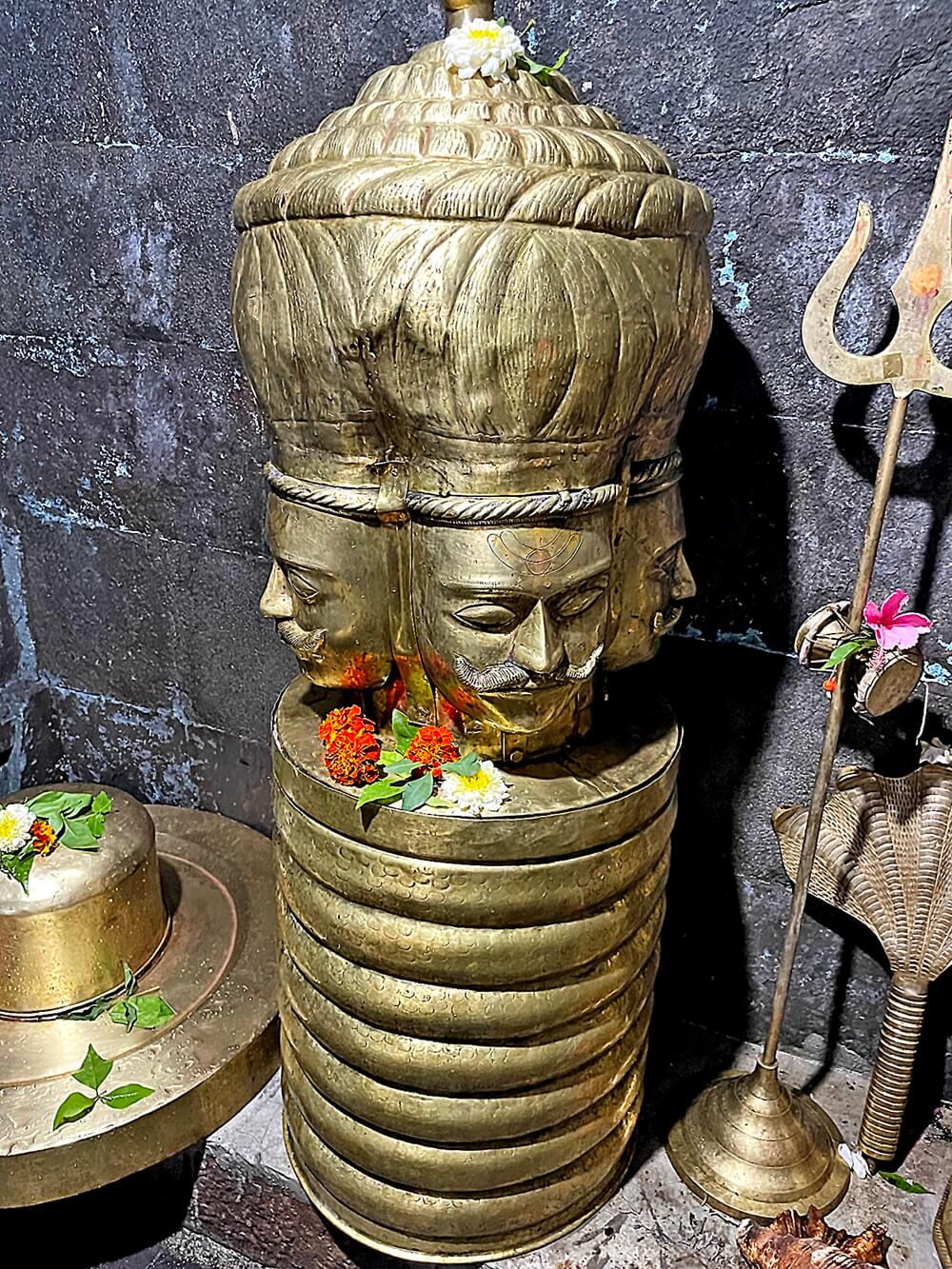
Inside the sanctum sanctorum, there is a brass lingam of Lord Kukadeshwar, a brass idol of a serpent, and a kamandalu used for ritual bathing with water. Facing west, this temple is considered a treasure trove for students of architecture. It is said that by sitting quietly in this sanctum for a short while, the divine sound of Omkara can be heard. At the back of the temple, there is a gomukhi from which a spring flows continuously. The Kukadi River originates from this very spot. Further downstream, the Manikdoh Dam built on this same river has made the Junnar region prosperous and thriving. Daily aarti takes place in the temple at 7 in the morning. A grand fair is held here on the tenth day of the month of Bhadrapada.
This sacred temple stands as a testament to deep spiritual devotion, ancient architectural grandeur, and rich local cultural traditions.
The sanctum sanctorum houses the divine idol consecrated according to ancient Vedic traditions, surrounded by serene courtyards and traditional temple architecture.
Navratri, Maha Shivratri, Annual Temple Jatra & Deepotsav
Compare and book flights, secure top-rated local hotels near the temple, hire reliable guides, and rent cars instantly.
Extend your pilgrimage by visiting other highly sacred temples located nearby.

Add ₹999 more to unlock FREE SHIPPING!
Your sacred cart is currently empty.
Shop Photo FramesFill in your delivery details below to place your order.
Add comment