
Add ₹999 more to unlock FREE SHIPPING!
Your sacred cart is currently empty.
Shop Photo FramesOne of the most famous and spiritually significant Shiva temples located near Kaloor in the heart of Ernakulam city is Pavakkulam Mahadeva Temple. Lord Mahadeva is the main deity worshipped here. Even amidst the bustle of the city, the temple maintains a serene and devotional atmosphere, making it an important centre of faith for countless devotees. Built in the traditional Kerala temple architectural style, this temple is regarded as a rare spiritual presence where devotion and heritage blend harmoniously. During important occasions such as Maha Shivaratri, Pradosham, and Mondays, the temple witnesses a large gathering of devotees.
Having grown into one of the major cultural and spiritual centres of the Hindu community in Kochi, the temple’s administration and development have been significantly supported by activists associated with the Vishva Hindu Parishad. Because of this, the temple is known for having an organisational background different from that of ordinary Devas-wom Board temples. The temple’s chief tantri (chief priest) is Brahmasree Puliyannoor Prashanth Narayanan Namboothiripad. This temple is believed to be one of the ancient Shiva temples dating back to the era of the Kingdom of Cochin. Temple history suggests that this region held spiritual importance long before the development of Ernakulam city.
In its early days, the temple was under the control of the Bhattathiris of Kurumoor Mana, who served as ministers to the Edappally royal family. The temple originally had a simple structure featuring a thatched sanctum sanctorum, traditional kitchen, and nalambalam built in the old Kerala architectural style. Several local legends are associated with both the name and the origin of Pavakkulam Mahadeva Temple. According to belief, the present temple surroundings were once covered with dense forests and marshlands. There existed a pond known as “Pava Kulam” in the area. It is believed that the divine presence of a self-manifested Shiva Lingam was later experienced near this pond, leading to the beginning of Shiva worship there. Eventually, the name “Pavakkulam” became associated with both the temple and the locality. Another legend states that the place where the temple now stands was once a thick forest inhabited by tribal communities. It is believed that a self-manifested Shiva Lingam appeared before one of the tribal inhabitants. Upon learning about this divine manifestation, local Namboothiris cleared the forest and established the temple there.
According to yet another belief, the Sapta Rishis performed penance in this region, and Lord Shiva appeared before them in the form of a Shiva Lingam. Because of these beliefs, devotees regard Pavakkulam Mahadeva Temple as a temple filled with immense divine energy. It is especially believed that visiting the temple during Pradosham and Maha Shivaratri brings prosperity and peace of mind.
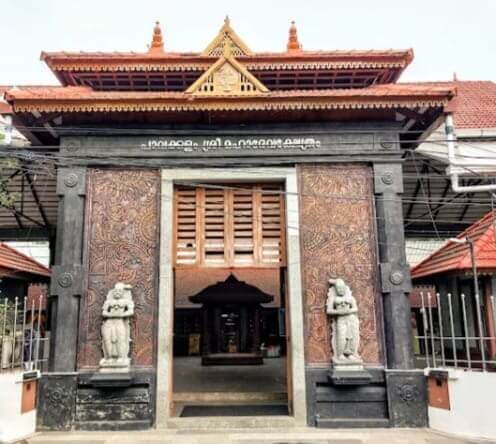
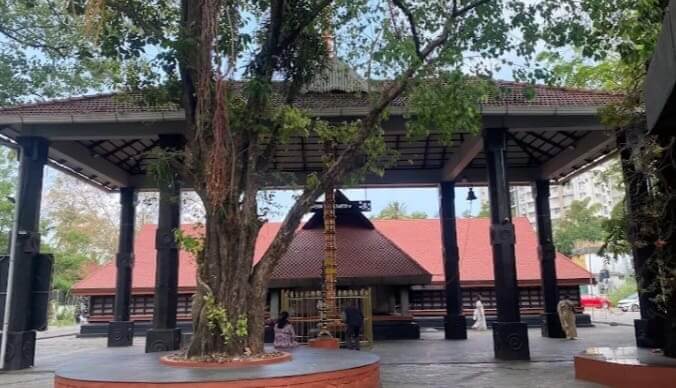
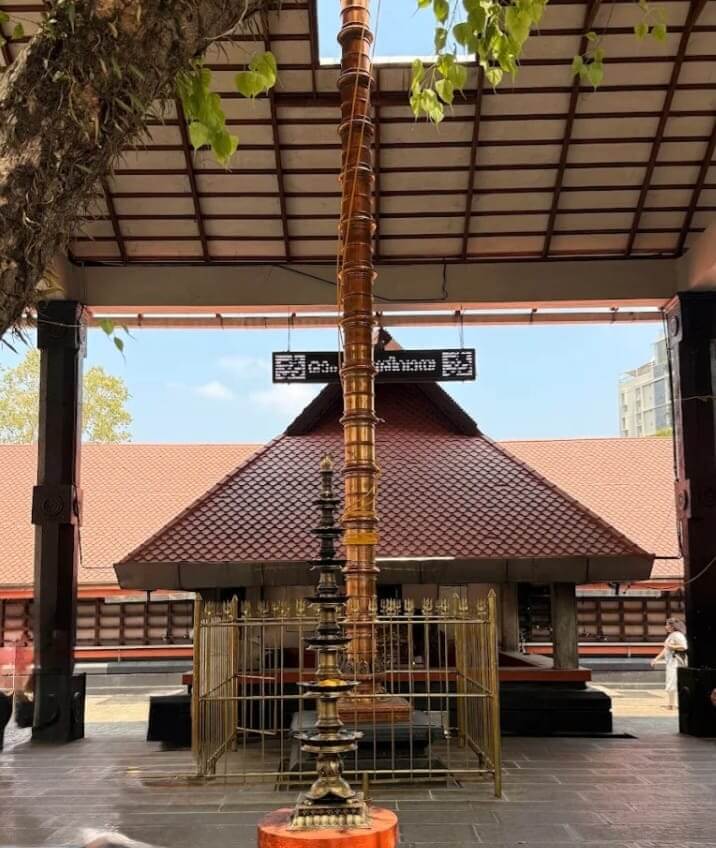
The temple complex beautifully combines traditional Kerala temple architecture with modern structural elegance. Despite being located in the middle of the city, the temple surroundings offer a peaceful and spiritual atmosphere. The grand entrance gateway resembling a gopuram and the spacious open area in front of it immediately attract attention. Upon entering through the gateway, devotees can see the vast temple courtyard and the surrounding pathway used for pradakshina (circumambulation). At the centre stands the tall deepasthambham (lamp pillar), behind which rises the main sanctum built in traditional Kerala style. The copper-covered roof and wooden carvings on the
outer walls of the sanctum highlight the temple’s ancient beauty. As one approaches the sanctum, the fragrance of sandalwood and incense, along with the sound of bells and devotional chants, create a deeply spiritual atmosphere. In front lies the namaskara mandapam, and inside, illuminated by oil lamps, devotees experience the divine presence of Lord Mahadeva. Reaching the sanctum offers a deeply peaceful and devotional spiritual experience.
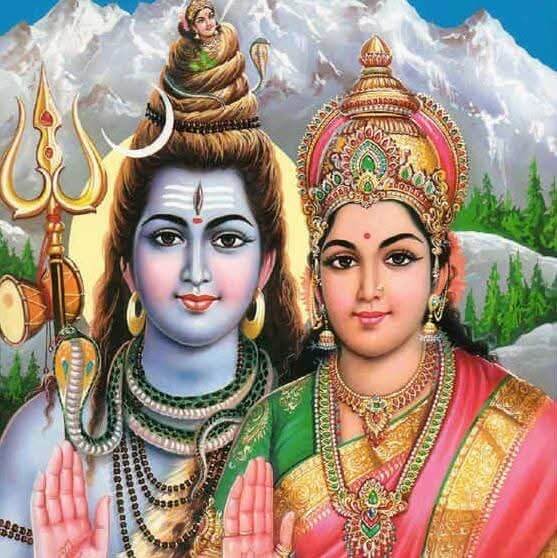
The sanctum sanctorum is a beautiful example of traditional Kerala temple architecture. Its copper-covered roof and wooden walls give it grandeur and an ancient appearance. Fine wooden carvings and decorative works can be seen on the outer portions of the sanctum. These carvings, reminiscent of old Kerala temple artistry, enhance the temple’s spiritual beauty. Traditional sculptural elegance can also be observed in the pillars and namaskara mandapam near the sanctum. In the glow of oil lamps, these wooden carvings appear even more beautiful. The sanctum’s greatest feature is its simplicity and devotion-centred design rather than excessive grandeur. The main deities of the temple are Lord Mahadeva and Goddess Parvati. Worship here is conducted in the form of Shiva and Parvati in the Nataraja bhava. This divine concept symbolised the union of Shiva and Shakti and is considered one of the temple’s unique spiritual features. Crafted in the traditional South Indian sculptural style, the idol possesses majestic beauty and offers devotees a deeply divine and spiritual experience in the light of oil lamps.
Apart from the main deity, several other deities are also installed within the temple com-plex. Their positions are arranged around the main sanctum according to traditional Kerala temple customs. Near the sanctum is the shrine of Lord Ganesha, one of the first deities worshipped by devotees entering the temple. Nearby is also the shrine of Lord Murugan (Subrahmanya Swamy). In other parts of the temple complex are shrines dedicated to the Goddess and Nagadevatha deities. The Nagadevatha shrines are usu-ally located along the pradakshina pathway. Devotees also believe in the presence of Lord Shasta (Ayyappa) as a guardian deity within the temple premises. Each deity has dedicated lamps and ritual worship conducted regularly.
Various important rituals and festivals are celebrated throughout the year at Pavakkulam Temple. The most important among them is Maha Shivaratri. On this day, special ab-hishekams, Rudra Pooja, dhara rituals, bhajans, and night-long worship are conducted, attracting thousands of devotees. Every monthly Pradosham is also considered highly significant, with many devotees visiting the temple for special Pradosha Pooja. Mon-days hold great importance for Shiva worship, and special poojas and abhishekams are conducted on those days.
Similarly, the Mandala season, Thiruvathira, the month of Karthika, and special rituals during the month of Sravana are also observed in the temple. Festivals like Vinayaka Chaturthi and Navaratri are celebrated with rituals related to the subsidiary deities.
During the temple’s annual festival, special illuminations, poojas, cultural programs, and devotional music performances are organised. During these occasions, the temple premises become filled with a festive spiritual atmosphere. Among the important of-ferings at the temple are Jaladhara, Rudrabhishekam, milk abhishekam, tender coconut abhishekam, and dhara rituals. These offerings are generally performed by devotees seek-ing family well-being, peace of mind, good health, and prosperity. During Pradosham, special Pradosha Poojas and abhishekams are especially popular. On Maha Shivaratri,
Rudra Pooja, Mahadhara, and special ghee abhishekams are conducted.
For the subsidiary deities, offerings such as Ganapathi Homam, Bhagya Suktha Push-panjali, Naga Pooja, and ghee abhishekam for Lord Ayyappa are performed. In addition, devotees offer archana, pushpanjali, lamp offerings, and annadanam. The temple also organises daily annadanam and prasada meals for devotees.
Daily rituals at the temple begin with the opening of the sanctum at 5:00 AM. This is followed by Nirmalya Darshanam, Abhishekam, Usha Pooja, Ethirtha Pooja, Pantheeradi Pooja, Ucha Pooja, and Sreebali. The temple remains open for darshan from 5:00 AM to 11:00 AM. It reopens at 4:30 PM in the evening. Deeparadhana is usually conducted around 6:30 PM, though the exact timing may vary depending on sunset. Following Athazha Pooja and other rituals, the temple closes at 8:00 PM. Special Pradosha Poojas, Rudrabhishekam, and dhara rituals are also conducted on Pradosham days.
This sacred temple stands as a testament to deep spiritual devotion, ancient architectural grandeur, and rich local cultural traditions.
The sanctum sanctorum houses the divine idol consecrated according to ancient Vedic traditions, surrounded by serene courtyards and traditional temple architecture.
Navratri, Maha Shivratri, Annual Temple Jatra & Deepotsav
Compare and book flights, secure top-rated local hotels near the temple, hire reliable guides, and rent cars instantly.
Extend your pilgrimage by visiting other highly sacred temples located nearby.


Add ₹999 more to unlock FREE SHIPPING!
Your sacred cart is currently empty.
Shop Photo FramesFill in your delivery details below to place your order.
Add comment