
Add ₹999 more to unlock FREE SHIPPING!
Your sacred cart is currently empty.
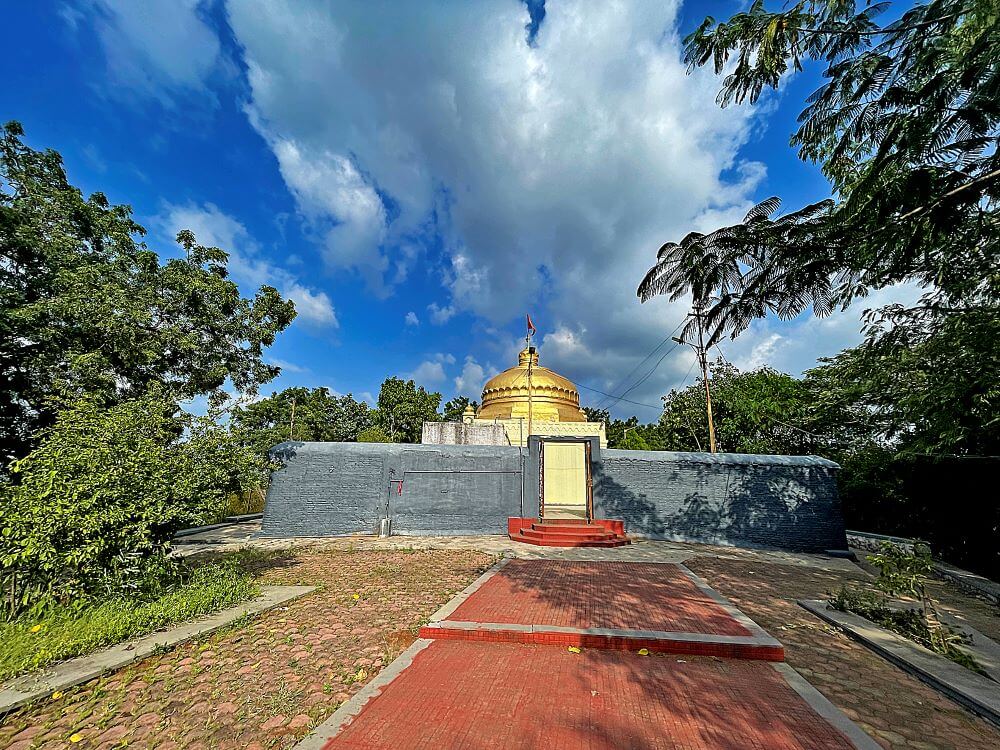
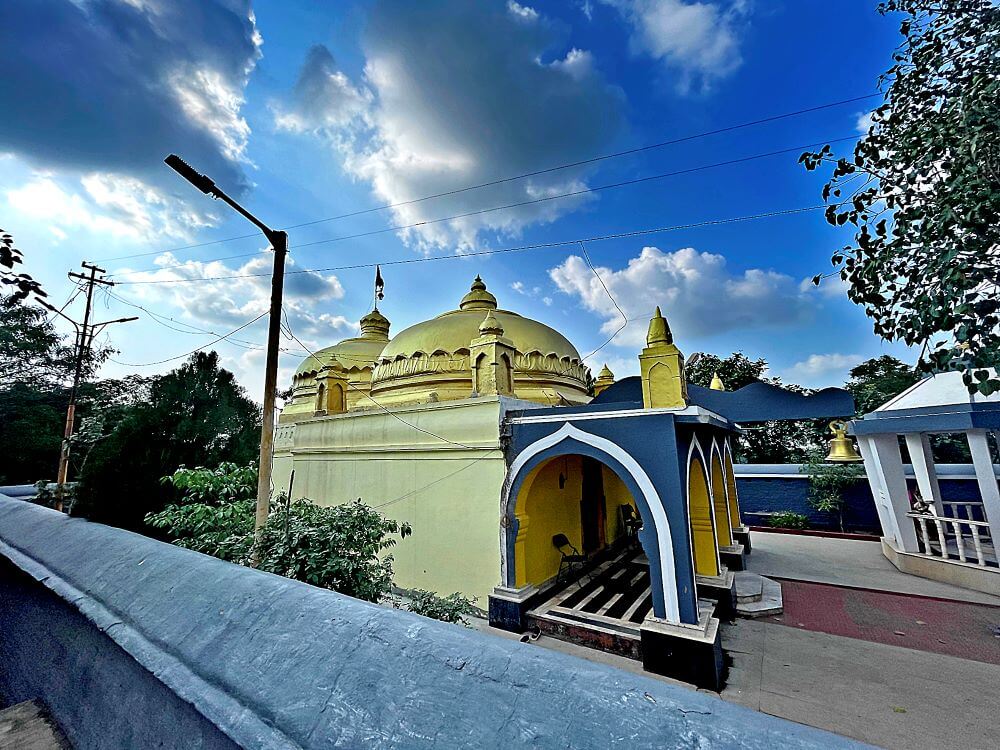
Shop Photo FramesThe Khandoba Temple is situated in the Deolali Cantonment area, near Nashik city. The hill upon which this temple stands is known as ‘Khandobachi Tekdi’ (Khandoba’s Hill). The temple is 500 years old and is a major center of faith for devotees, who believe that their heartfelt wishes are fulfilled here.
The legend of the temple states that two demons, Malla and Mani, performed penance to Lord Mahadeva and obtained a boon that no one on earth would be able to kill them. Having become arrogant, they began to torment sages and saints. The sages prayed to Lord Mahadeva to destroy these demons. In response, Lord Mahadeva incarnated as Khandoba and slew them. It is believed that while on his way to Jejuri, Lord Khandoba stopped on this hill to rest for a while, which is why the hill is named ‘Khandobachi Tekdi’. It is also said that Chhatrapati Shivaji Maharaj stayed here for one night while traveling to Raigad after the Battle of Surat.
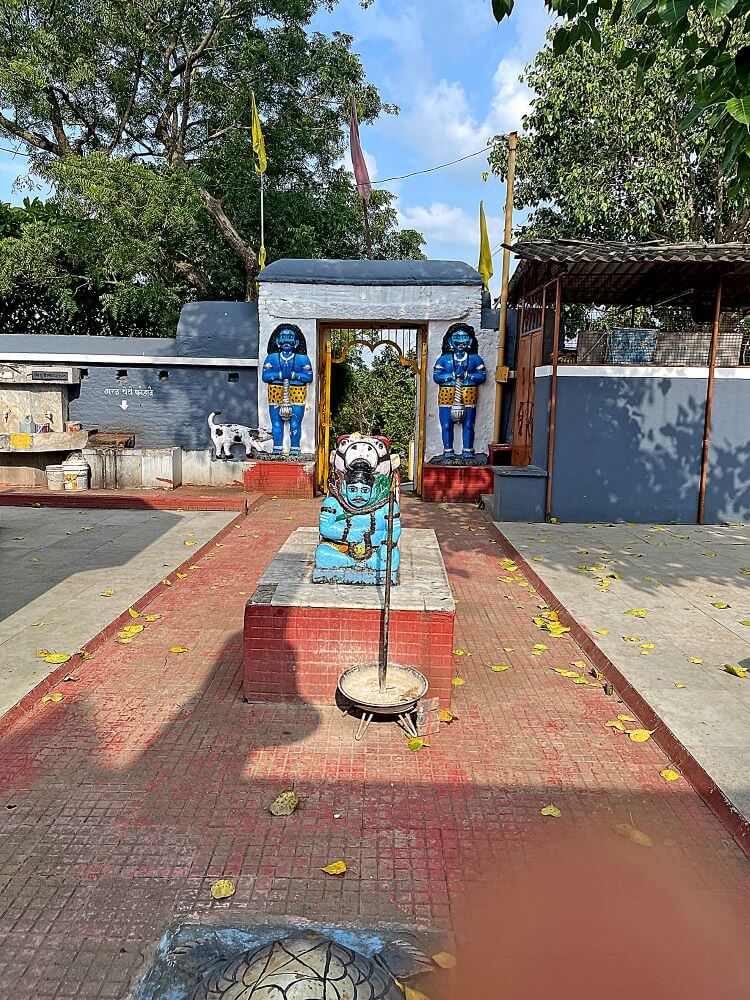
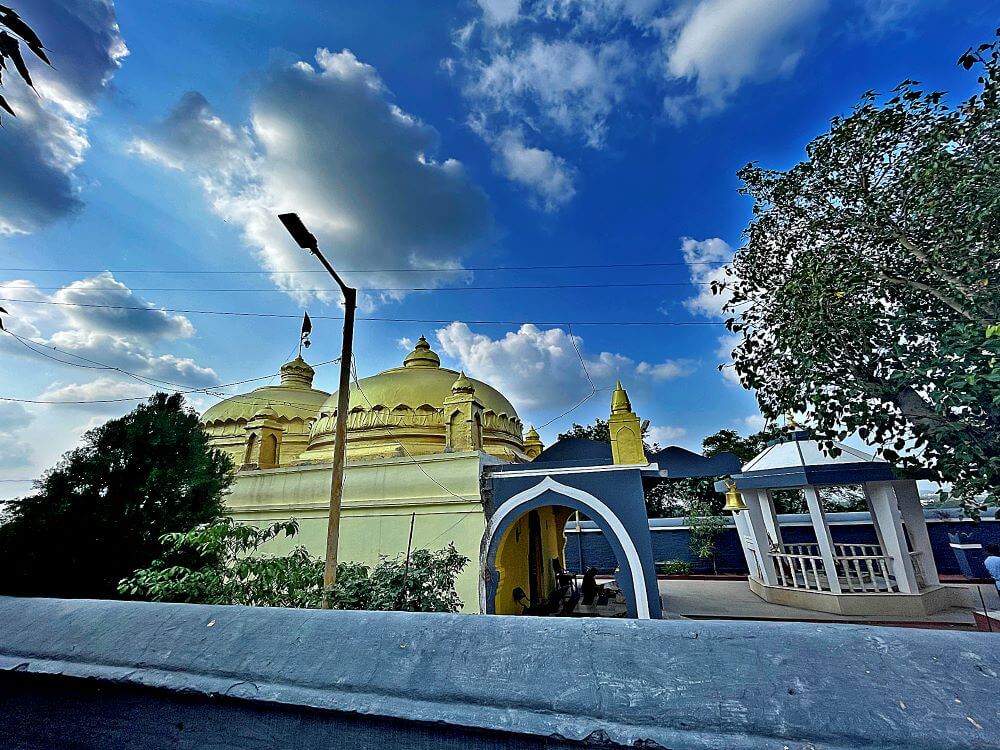
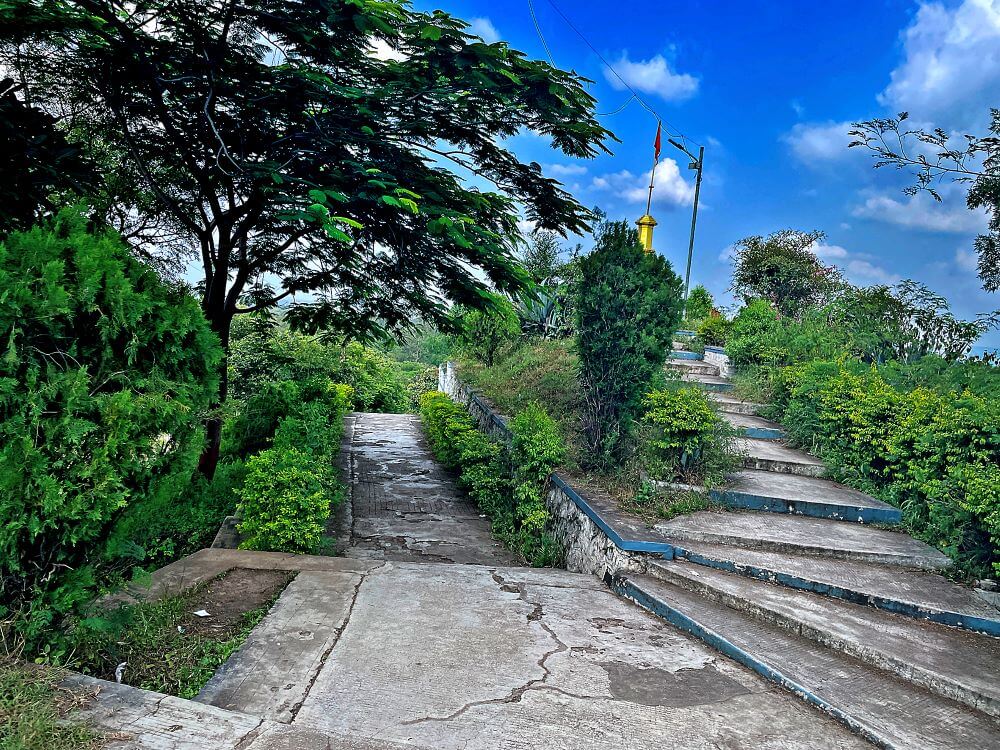
This temple is ancient, and information regarding who built it is not available. The temple is located on a hill shaped like a Shivling, surrounded by dense greenery. There are 100 steps leading from the garden at the base of the hill to the temple. The entrance of the temple, which is fortified on all four sides, features a large inscription of ‘Jai Malhar’. Statues of Nandi and the demons Mani and Malla are present near the entrance. Outside the temple stands a golden Deepmal (lamp pillar). The temple is constructed using black stone. From the temple premises, one can see the Deolali area, military roads, and the thermal power station.
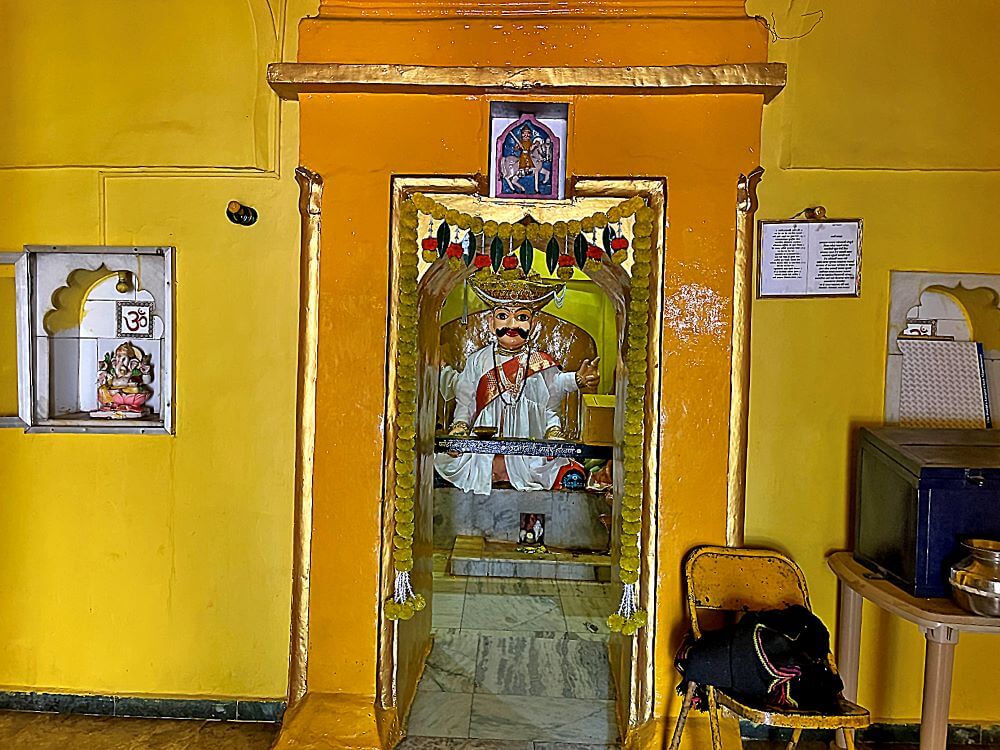
The temple structure consists of a Sabha Mandap (assembly hall) and a Garbhagriha (sanctum sanctorum). This circular temple houses three main idols: the idol of Khandoba is 5 feet tall, while the idols of Mhalasa and Banai are 4 feet tall. Such large idols are rarely seen in other Khandoba temples. The statues beautifully capture the majesty of Khandoba and the grace of Mhalasa and Banai.
The Amle family from Bhagur serves as the trustees and priests of this temple. They perform the daily Puja and Abhishek. On the day of Champashasthi, a Maha-Abhishek and Trikal Maha-Aarti are performed in the morning, followed by the distribution of Mahaprasad. The priest family leads a Palkhi procession from Bhagur, accompanied by music and the traditional flag-staff (Jhenda-Kathi). Devotees gather in large numbers for this festival and to seek the blessings of Khandoba. Many devotees bring their ‘Tak’ (a pentagonal metal idol of Khandoba from their home shrines) to be blessed by the deity here.
The ‘Khandoba Shadratrotsav’ is celebrated here for six days, from Margashirsha Shuddha Pratipada to Margashirsha Shuddha Shashthi. Hundreds of devotees arrive to seek Khandoba’s blessings, chanting ‘Yelkot Yelkot Jai Malhar’ and showering turmeric powder (Bhandara). During this time, devotees perform the ‘Tali Bharne’ ritual and offer Aarti to the deity. (Tali Bharne involves placing the family’s Khandoba Tak, betel leaves, betel nuts, coconut, and Bhandara in a plate, performing a ritualistic puja amidst chants of ‘Yelkot Yelkot…’, and touching the plate to one’s forehead.)
This sacred temple stands as a testament to deep spiritual devotion, ancient architectural grandeur, and rich local cultural traditions.
The sanctum sanctorum houses the divine idol consecrated according to ancient Vedic traditions, surrounded by serene courtyards and traditional temple architecture.
Navratri, Maha Shivratri, Annual Temple Jatra & Deepotsav
Compare and book flights, secure top-rated local hotels near the temple, hire reliable guides, and rent cars instantly.
Extend your pilgrimage by visiting other highly sacred temples located nearby.


Add ₹999 more to unlock FREE SHIPPING!
Your sacred cart is currently empty.
Shop Photo FramesFill in your delivery details below to place your order.
Add comment