
Add ₹999 more to unlock FREE SHIPPING!
Your sacred cart is currently empty.
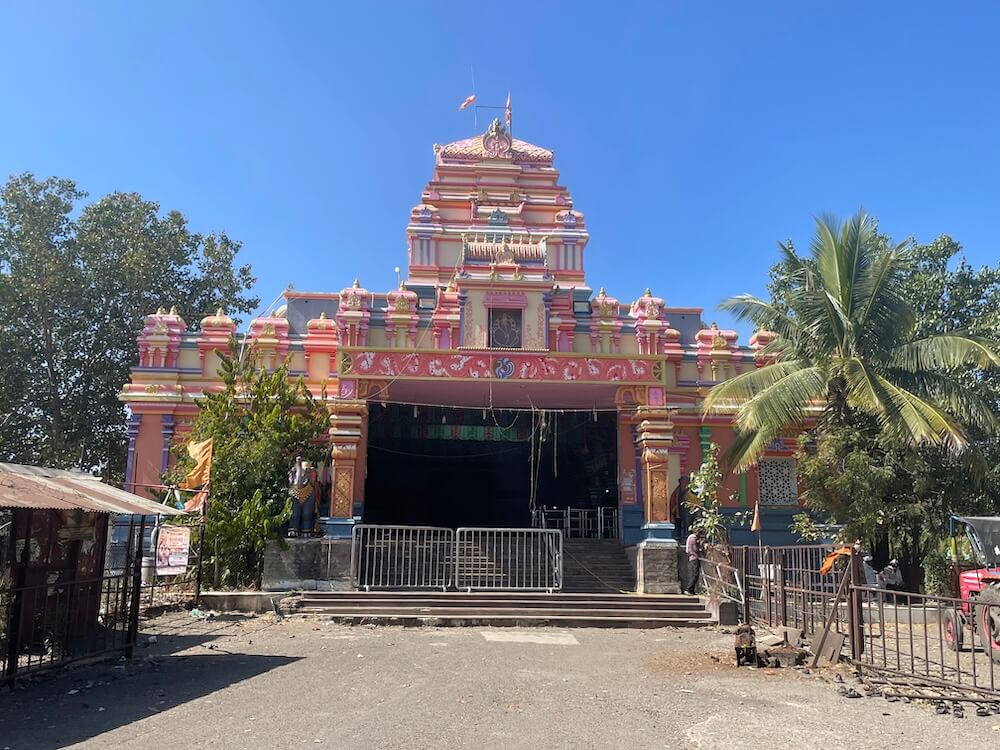
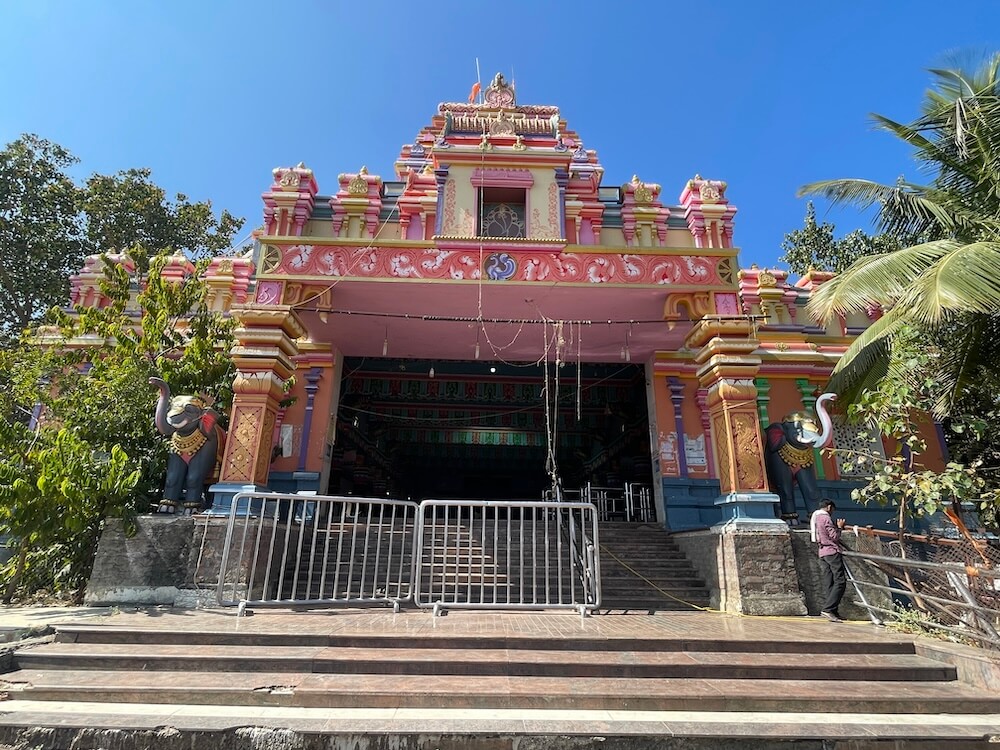
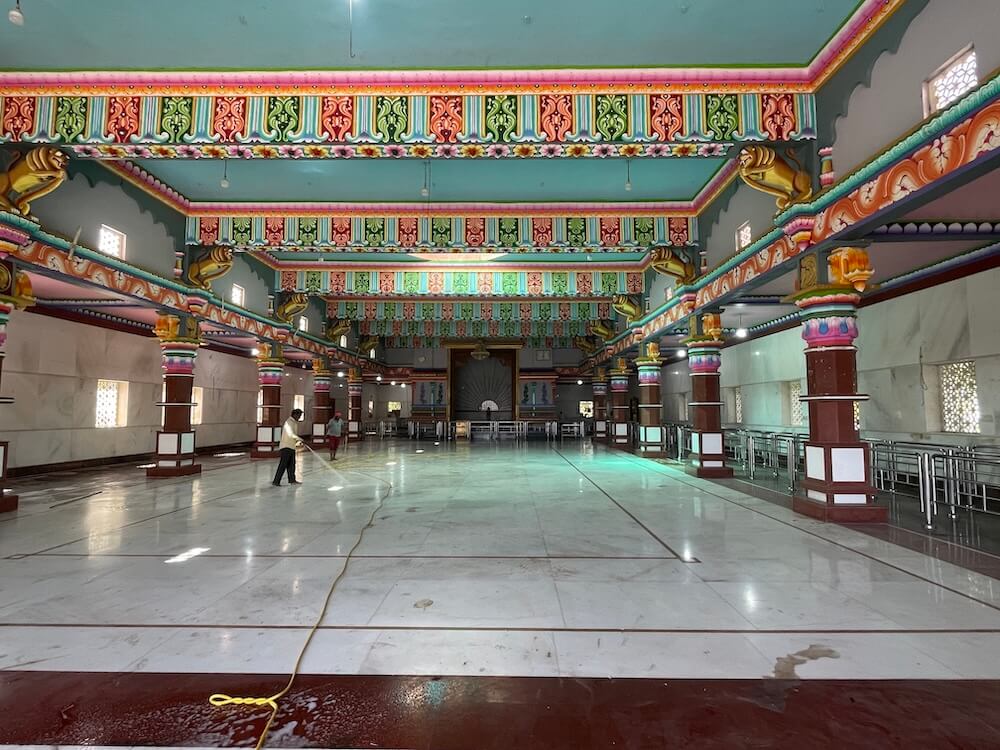
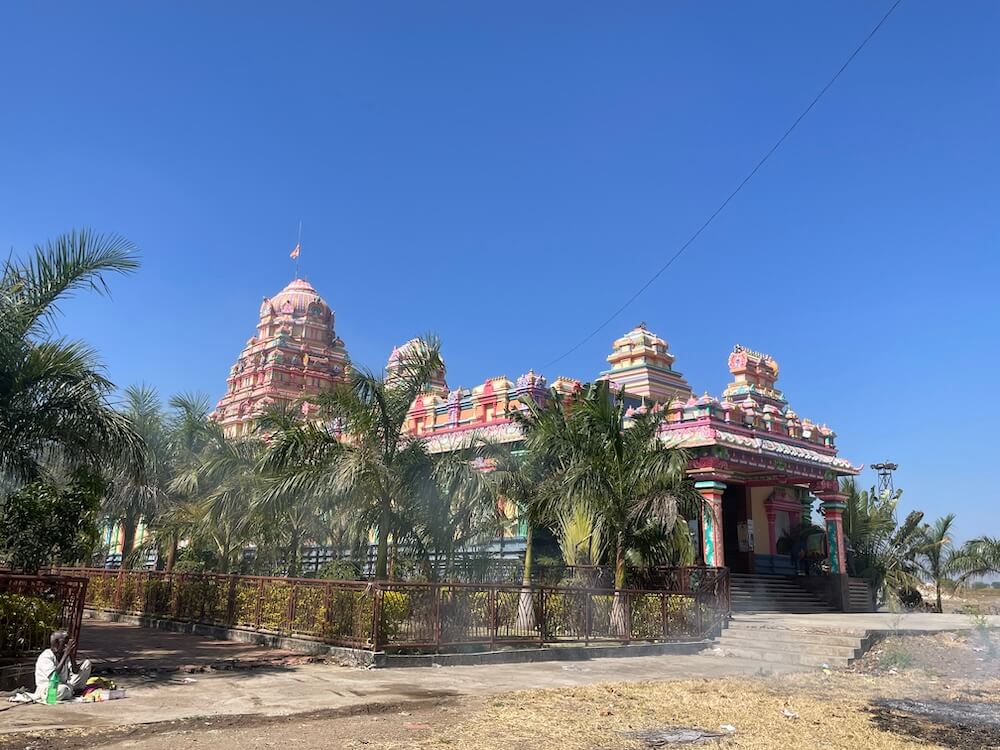
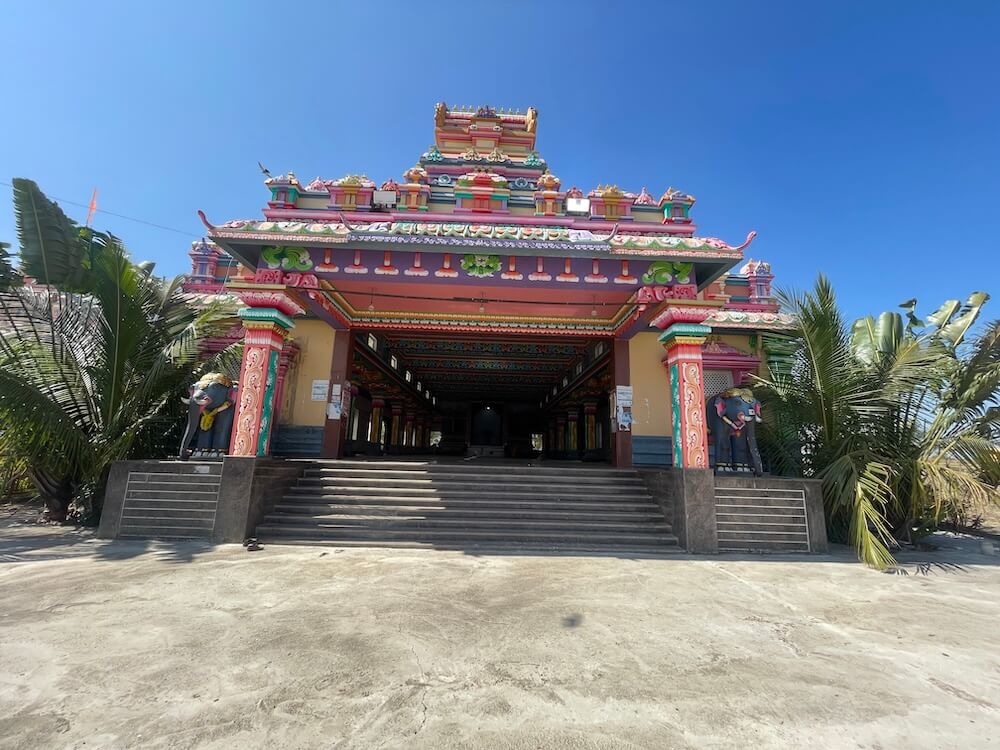
Shop Photo FramesMaharashtra is blessed with a glorious tradition of saints. In the thirteenth century, Saint Dnyaneshwar laid the foundation of the Warkari tradition, and in the seventeenth century, Saint Tukaram Maharaj brought this tradition to its pinnacle. Even after that, many saints continued the work of keeping this saintly tradition flowing uninterrupted. In the year 1918, Saint Bankatswami started the Warkari Shikshan Sanstha in Neknoor, Beed district. As a result of this institution, many saintly gems like Saint Bhagwan Baba, Saint Vamanbhau, Baburao Davari, and Shrikrishnadas Maharaj were nurtured. It was in this educational institution that Bhimashankar Giri learned the lessons of the Warkari tradition, and in 1930, Saint Mauli Maharaj was born to him. The Samadhi temple of Saint Mauli Maharaj is located in the village of Chakarwadi in Beed district. Devotees have an unwavering faith that even today, the grace of Saint Mauli Maharaj is experienced here. In the village of Chakarwadi, there is an ancient Samadhi temple of Balnath Maharaj. Saint Dnyaneshwar Mauli Maharaj, whose birthplace was Uttreshwar Pimpari, came to the Math of Balnath Maharaj in Chakarwadi in 1990. Residing here, he began his spiritual service to the people. Along with solving the difficulties of the people, he started daily Annadaan (offering of food). As devotees began to have spiritual experiences in his presence, they realized that he was a saint and a divine soul. Millions of devotees accepted him as their Guru. On 16 June 2000, Saint Mauli Maharaj merged into the Infinite. After his passing, his followers built a magnificent Samadhi temple here for the Maharaj and his wife, Bhagirathibai Giri (Aaisaheb). This temple is situated at some distance from the village, and there is a paved road leading up to it. There is a spacious parking lot in front of the temple, as well as shops selling various items. The temple has an elegant design consisting of a Mukhamandapa (entrance hall), a Sabhamandapa (assembly hall), and a Garbhagriha (sanctum sanctorum). The temple is built on a plinth higher than the courtyard. There are five steps to enter the Mukhamandapa. There are safety railings on both sides of the steps. In the front part of the Mukhamandapa, there are two ornate square pillars. Since the Sabhamandapa is higher than the Mukhamandapa, there are ten steps in front of the entrance. There are railings on both sides of the steps, and there are elephant sculptures on the railings. The entrance to the Sabhamandapa is an open-style gateway. The enclosed Sabhamandapa has windows to allow light and air to circulate. There are two rows of six ornate square pillars each. All pillars stand on sturdy bases. Various geometric shapes such as squares, hexagons, octagons, and circles are carved into these pillar shafts. The pillars, beams, cornices, and ceilings here feature colorful vines and floral patterns. In the Sabhamandapa, a queue for Darshan is organized in the approximately six-foot space between the rows of pillars and the walls. The entrance to the Garbhagriha, which is higher than the Sabhamandapa, has seven steps. On both sides of the entrance, there are empty niches in the front wall of the Garbhagriha, and there are auspicious symbols like the Shankha (conch) and Chakra (disc) on the walls. This entrance, which is about twelve feet high and eight feet wide, looks magnificent. There are various geometric carvings on the door frame; there is also a wooden carved archway at the entrance. In the Garbhagriha, on a Vajrapitha (diamond throne), is the idol of Mauli Maharaj sitting in a meditative posture in Padmasana.
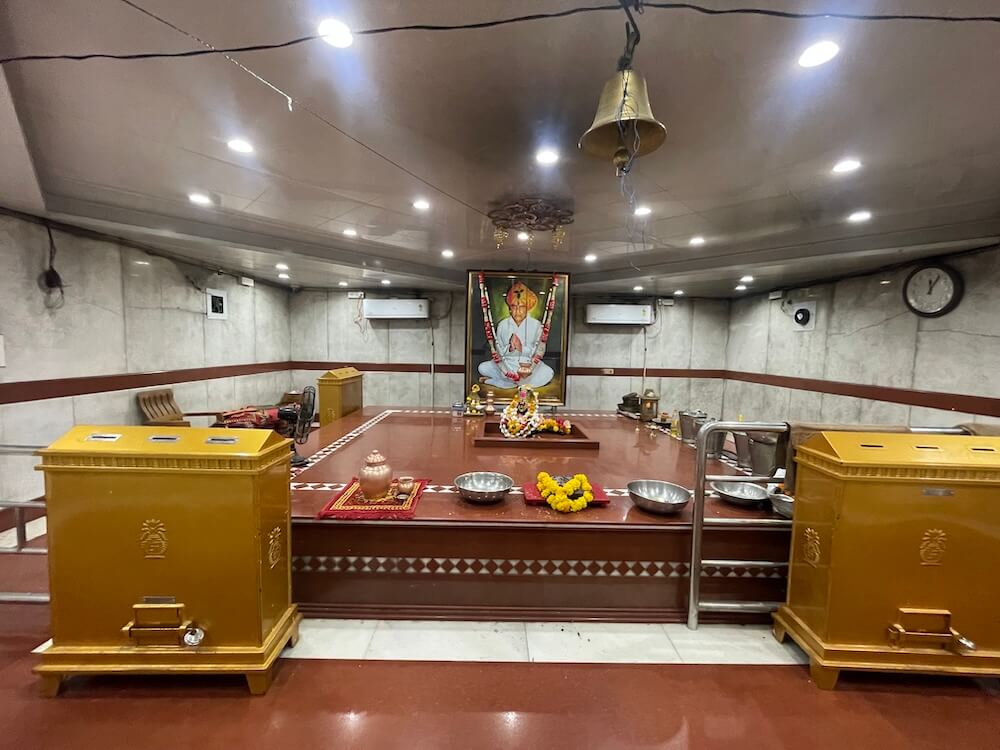
There is a circumambulation path (Pradakshina Marg) around the exterior of the Garbhagriha. From here, there are steps leading down to the ground floor to the Samadhi of Mauli Maharaj. On the ground floor is the Samadhi platform, and upon it is the main Samadhi stone. On the back wall, there is a portrait of the Maharaj. There is a door at the back to exit from here. This door leads into the garden behind the temple. The outer walls of the temple are decorated with carvings. There is a parapet on all sides of the roof. In the front niche of the parapet, there is an idol of Mauli Maharaj; there are also small spires at regular intervals. On the roofs of the Sabhamandapa and the Garbhagriha, there are square Dravidian-style spires. They feature Kuta and Shala designs. At the top of the spire is a stupika and a Kalash (finial) above it.
Near this temple is the Samadhi temple of Mauli Maharaj’s wife, Aaisaheb. This temple has a total of three Mukhamandapas—one in front and one each on the left and right sides. Also, there are elephant sculptures on both sides of the front Mukhamandapa. After climbing a few steps from the Mukhamandapa, one reaches the entrance of the Sabhamandapa. The enclosed Sabhamandapa has windows for light and air. The Sabhamandapa has two rows of seven square ornate pillars each. Since the Garbhagriha is higher than the Sabhamandapa, there are seven steps to reach it. The wooden door frames feature floral carvings and an arched gateway. In the Garbhagriha, on a Vajrapitha, is the idol of Aaisaheb. There is a Sandhara-style circumambulation path around the exterior of the Garbhagriha, and from here, there are steps leading to the Samadhi in the basement. In the basement is the Samadhi platform, and upon it is the headstone of the Samadhi. On the back wall is a portrait of Aaisaheb. On the roof of the temple, there are five Dravidian-style spires, and at the top of the spires are stupikas with Kalash on them.
Close to the temple is a two-story temple of Maruti. The temple is designed with a Mukhamandapa, a Sabhamandapa, and a Garbhagriha. There are two stairways to reach the second floor. The enclosed Sabhamandapa is spacious and has windows for air and sunlight. In the Garbhagriha, on a Vajrapitha, is the idol of Maruti. The roof of the temple has a parapet on all sides, and the parapet features vertical and horizontal small spires. On the roofs of the Sabhamandapa and Garbhagriha, there are Dravidian-style spires. At the top of the spires are stupikas and Kalash. Near the temple is a vast Annachhatra Mandap (dining hall). In this hall, programs such as Bhajans, Kirtans, discourses, and music are organized.
Three times a year, an Akhand Harinam Saptah (seven-day continuous chanting) is organized in the temple. Harinam Saptahs are organized on the occasion of the Balnath Maharaj Palkhi procession in the month of Shravan, and on the death anniversaries of Mauli Maharaj and Aaisaheb in the month of Jyeshtha. Apart from this, a large number of devotees gather at the temple on auspicious days like Dussehra, Diwali, Purnima, Amavasya, and Ekadashi. Thousands of devotees come for Darshan every day, and a daily Annachhatra (free food service) runs in the temple.
This sacred temple stands as a testament to deep spiritual devotion, ancient architectural grandeur, and rich local cultural traditions.
The sanctum sanctorum houses the divine idol consecrated according to ancient Vedic traditions, surrounded by serene courtyards and traditional temple architecture.
Navratri, Maha Shivratri, Annual Temple Jatra & Deepotsav
Compare and book flights, secure top-rated local hotels near the temple, hire reliable guides, and rent cars instantly.
Extend your pilgrimage by visiting other highly sacred temples located nearby.


Add ₹999 more to unlock FREE SHIPPING!
Your sacred cart is currently empty.
Shop Photo FramesFill in your delivery details below to place your order.
Add comment