
Add ₹999 more to unlock FREE SHIPPING!
Your sacred cart is currently empty.
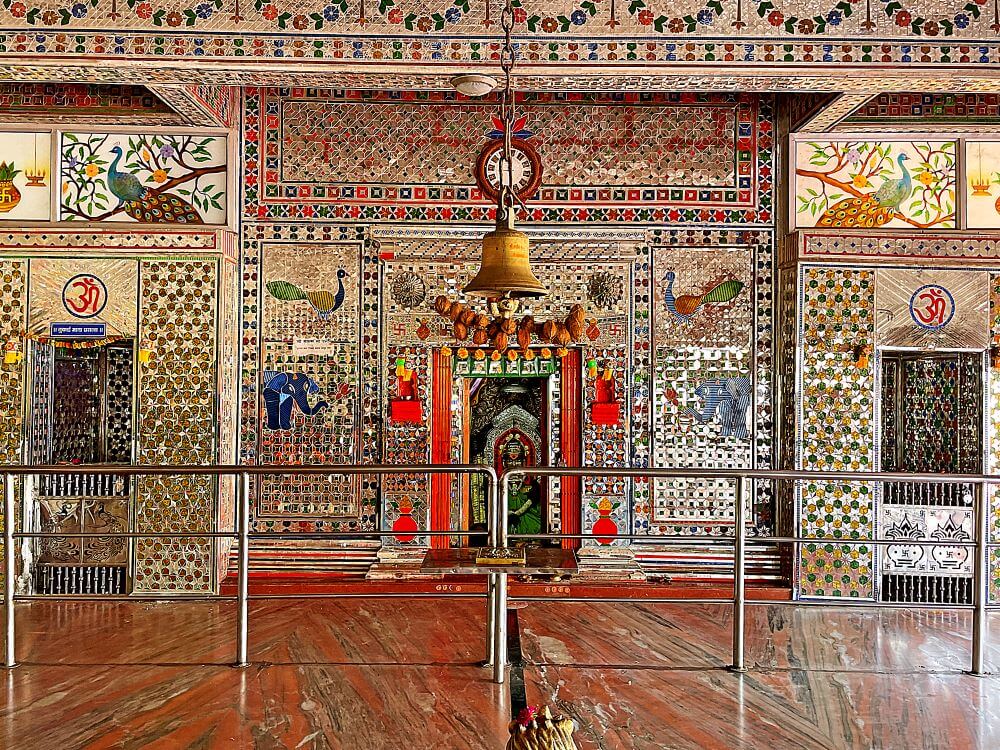
Shop Photo FramesIn the village of Ghospuri in Ahilyanagar, there is a sacred site dedicated to Renuka Mata, who resides in Mahurgad, which is famous as the Padmavati Devi Temple. The Goddess here is renowned for being a living deity who grants the wishes of devotees, making it a place of immense faith for thousands of pilgrims. The temple is also known as the ‘Glass Temple’ (Kach Mandir) because the inner walls and pillars are intricately decorated with small, colorful pieces of glass.
The legend of the temple states that a devotee of Renuka Mata from the Jathar family in Visapur village of Shrigonda Taluka used to visit Mahurgad every year to seek the blessings of the Goddess. Having no children even after many years of marriage, he prayed fervently to the Goddess of Mahur. That very night, the Goddess appeared to him in a dream and instructed him to go to his field at dawn. Upon reaching the field as instructed by the Goddess, he heard the cry of a small child. Following the sound, he found a newborn girl under a tree. He picked her up and brought her home. The couple named her Padmavati and raised her with great care.
After some years, Padmavati came of age. She was married to a boy from the Darandale family in the current village of Ruichhatti in Ahilyanagar Taluka. Her in-laws possessed vast lands, and she would often assist them in agricultural work. Once, her father-in-law invited many laborers for farm work and asked his daughter-in-law, Padmavati, to prepare food for them. Padmavati prepared five bhakris (flatbreads) and a small pot of vegetable curry. When her father-in-law arrived, she handed him the basket of food. At lunchtime, the Darandale family called everyone to eat. Upon opening the basket, they were shocked to find only five bhakris. Worried about how this small amount of food would suffice for so many people, they decided that everyone should eat a little bit. However, as they began serving, for every bhakri taken, another appeared in the basket. The same miracle occurred with the vegetable curry. Everyone ate to their heart’s content, and yet, food remained.
When Padmavati’s family learned of this, they suspected her of being a sorceress and felt it was not safe to keep her in the house. The next day, preparations were made to send Padmavati back to her maternal home. Her father-in-law set out with her on horseback. Upon reaching Ghospuri near Visapur, they stopped near a well. Enchanted by the natural beauty of the surroundings, Padmavati felt at peace. She walked some distance away from her father-in-law, placed all her jewelry near a stone by a stream, and vanished.
After waiting for a long time, when Padmavati did not return, her father-in-law began calling out to her. From a great distance, a voice replied, ‘Ji’ (Yes). He followed the sound, but every time he reached the spot, the voice would call ‘Ji’ from somewhere else. Exhausted by this, the father-in-law collapsed in despair, unable to find his daughter-in-law and fearing the consequences of returning home. Seeing his master collapse, the horse also breathed its last. The next day, Padmavati appeared to her mother-in-law in a dream and revealed the place where she had vanished. Following this, the family went to the site and found Padmavati’s jewelry and a stone idol (Tandala). The villagers handed the jewelry over to the family and built a beautiful temple where the idol was found. This is the Padmavati Temple. Outside the temple, there are also samadhis (memorials) of Padmavati’s father-in-law and the horse. Since then, Padmavati Devi has become a source of faith for devotees in Ghospuri and the surrounding areas.
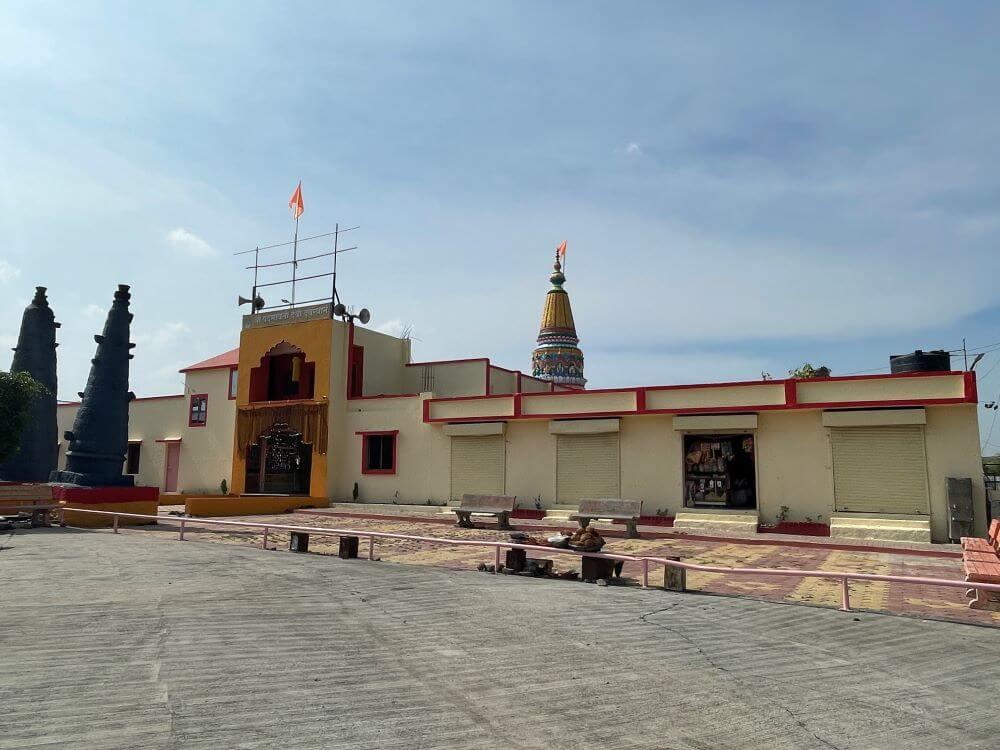
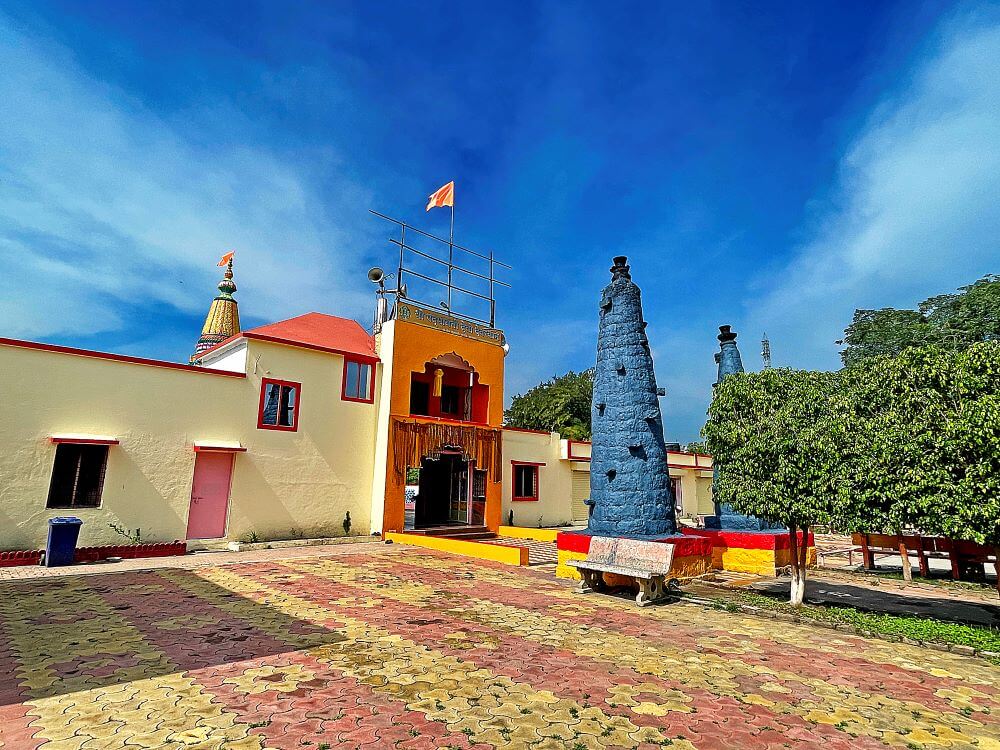
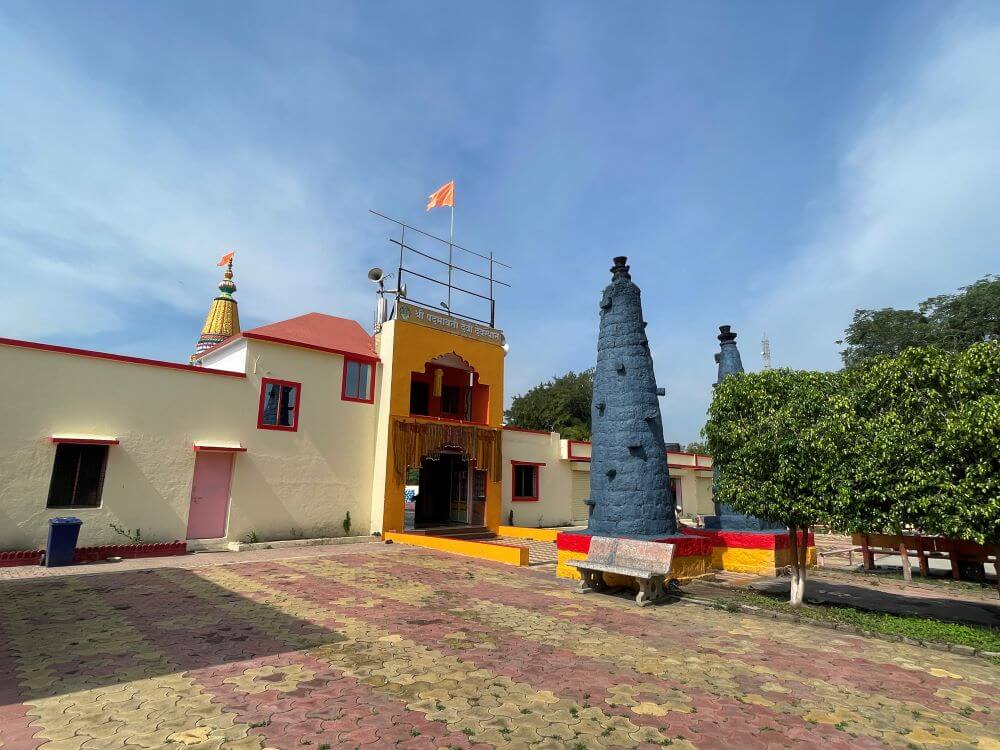
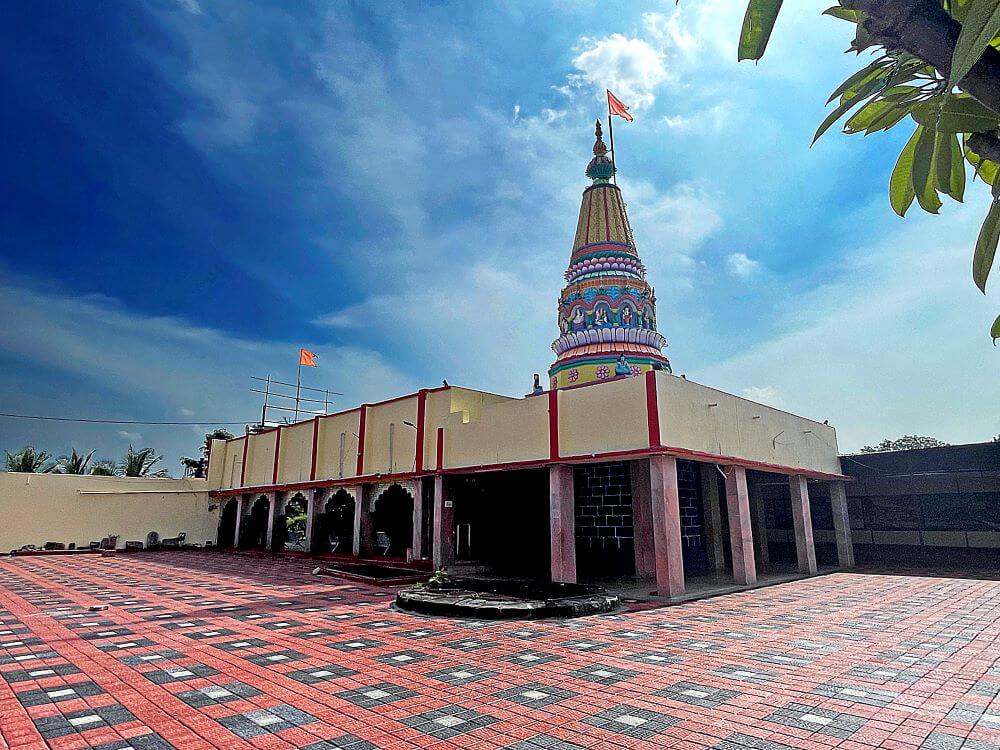
The premises of the Padmavati Temple in Ghospuri are beautifully landscaped. The area is paved and adorned with ornamental plants, creating a serene atmosphere. The temple is surrounded by a fortification wall that houses the main entrance. Before the main entrance, there are two tall lamp towers (Deepmal). Entering through the gate leads to the temple courtyard. The temple consists of a spacious assembly hall (Sabhamandap) and a sanctum sanctorum (Gabhara). The assembly hall is grand, with its walls, pillars, and ceiling decorated with unique, colorful glass pieces. Beyond the hall, there are three sanctums. The central sanctum houses the idol of Padmavati Devi. To the right is the sanctum of Tukai Devi, and to the left is the idol of Lord Ganesha. The courtyard also contains temples dedicated to Vitthal-Rukmini and Shri Dattatreya. Additionally, there is an ancient well on the premises.
The inner side of the temple’s fortification wall features several arched alcoves (Ovaryas). These alcoves depict the life of Padmavati Devi through paintings, from her birth to the discovery of her idol. Navratri is the primary festival celebrated here. During this time, thousands of devotees from the surrounding areas stay at the temple to offer prayers. Every year, a Homa-Havan is performed on the ninth day of Navratri, followed by a grand fair. A magnificent palanquin procession of the Goddess is also held on the day of Dussehra, attended by thousands of devotees.
This sacred temple stands as a testament to deep spiritual devotion, ancient architectural grandeur, and rich local cultural traditions.
The sanctum sanctorum houses the divine idol consecrated according to ancient Vedic traditions, surrounded by serene courtyards and traditional temple architecture.
Navratri, Maha Shivratri, Annual Temple Jatra & Deepotsav
Compare and book flights, secure top-rated local hotels near the temple, hire reliable guides, and rent cars instantly.
Extend your pilgrimage by visiting other highly sacred temples located nearby.


Add ₹999 more to unlock FREE SHIPPING!
Your sacred cart is currently empty.
Shop Photo FramesFill in your delivery details below to place your order.
Add comment