
Add ₹999 more to unlock FREE SHIPPING!
Your sacred cart is currently empty.
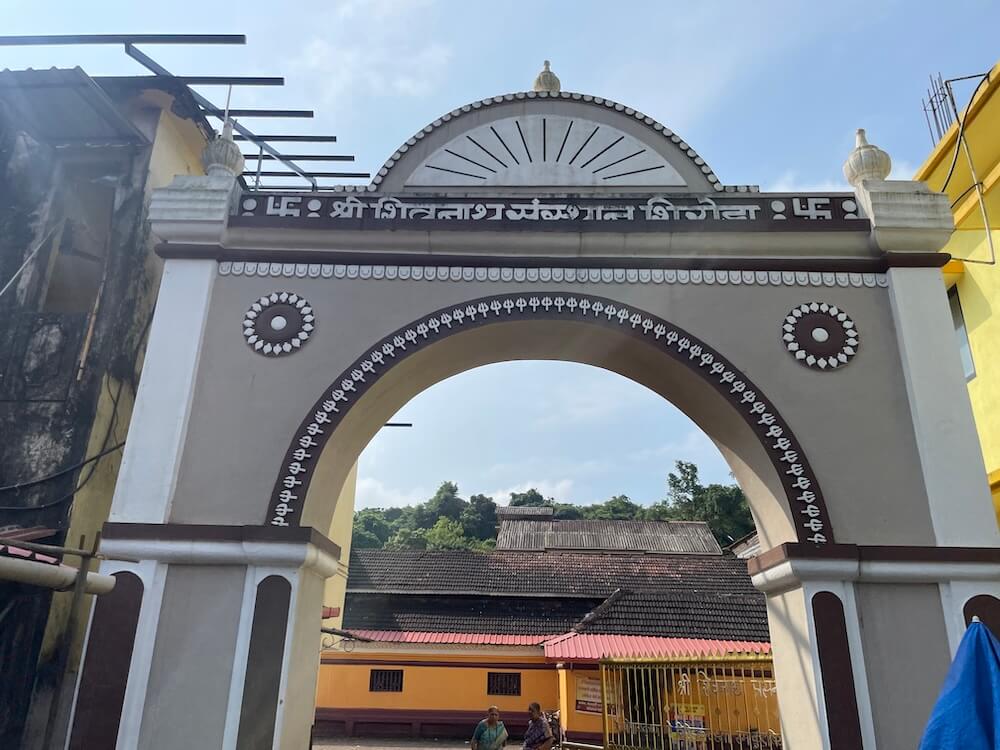
Shop Photo FramesDuring the Maurya period, the village of Shiroda was known as Shivpur. It is said that this name was derived from the Shivnath temple located here. The area surrounding the temple has also come to be known as Shivnathi. Shivnath is considered the village deity (Gramadevata) of Shiroda. The temple is said to date back to the tenth century. Like those in Goa, many devotees of Shiva from Maharashtra and Karnataka come here for darshan. Thousands of devotees arrive in Shiroda to participate in the Jatrotsav (annual fair) that begins on the full moon day of Margashirsha.
It is said that a Siddha Purusha (an enlightened soul) installed the Shivnath Linga at Shivnathi, and the temple was built right there. The padukas (footprints) of this Siddha Purusha are installed on a small hill in front of the temple. Along with Shivnath, he also installed other village deities such as Mandaleshwar, Ravalnath, Madhav, Mahamaya, Veerabhadra, Vetal, Baro, Brahmadurga, Kshetrapal, Khuti, Narayanadev, Gramapurusha, and Kelbai. The festivals of all these deities in the vicinity of Shiroda are conducted under the initiative of the Shivnath temple. This temple also shares religious ties with the nearby Kamakshi temple, which have been observed for many centuries. In the sixteenth century, Goddess Kamakshi arrived here from Rai village, and at that time, Shivnath welcomed her. In remembrance of this event, on the ninth night of Navaratri, devotees of Shivnath go to the Kamakshi temple to extend an invitation for Dussehra.
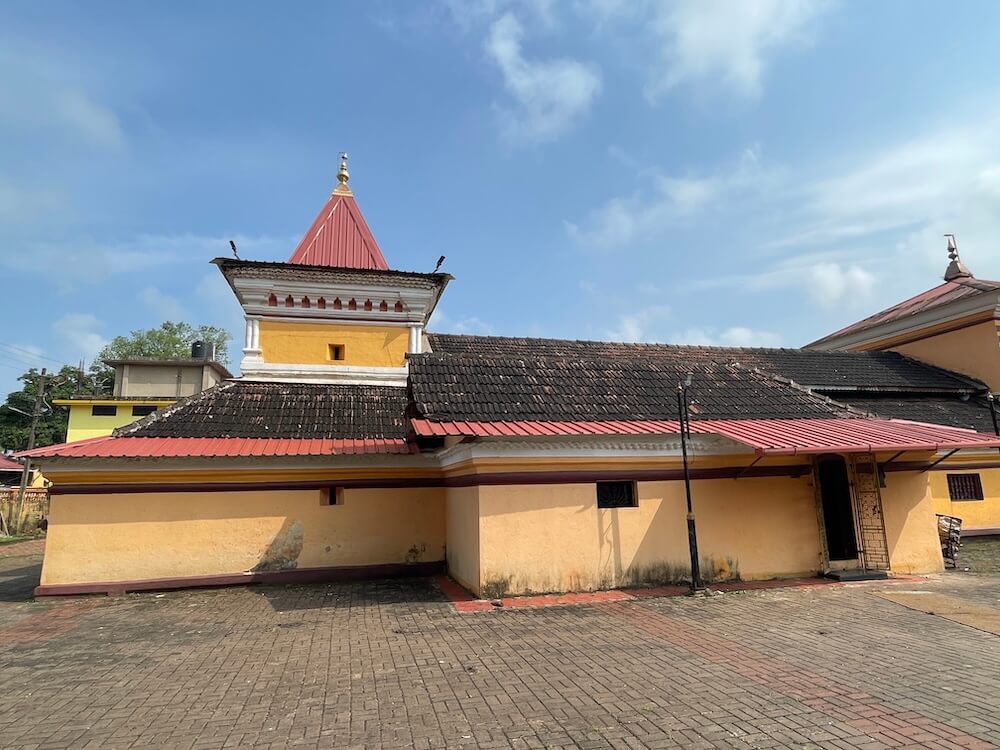
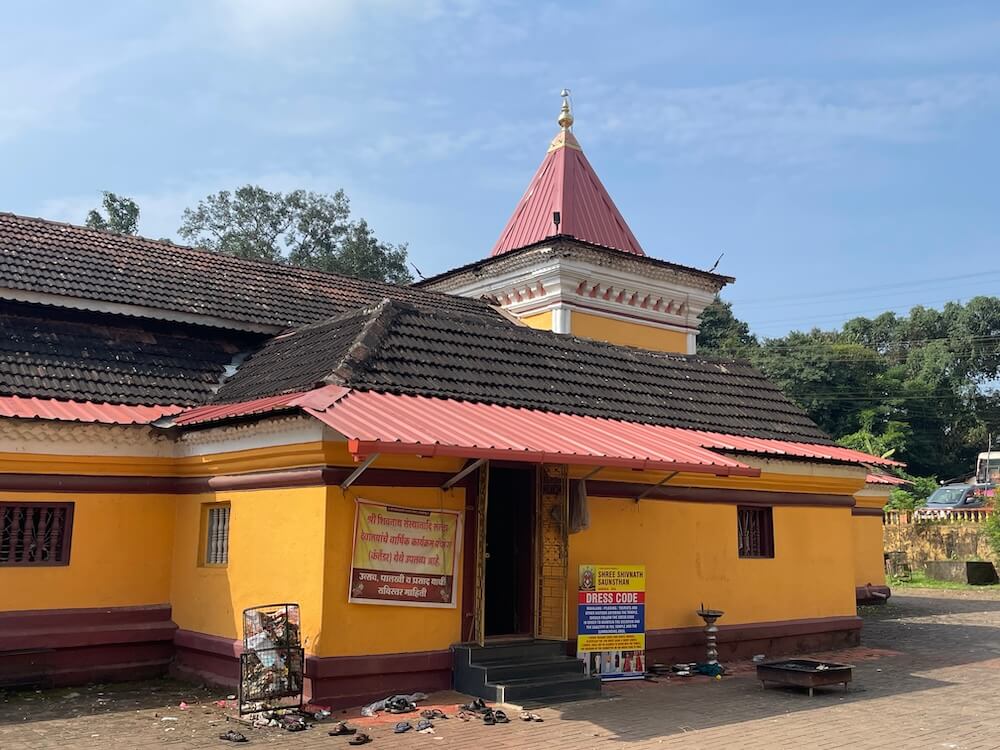
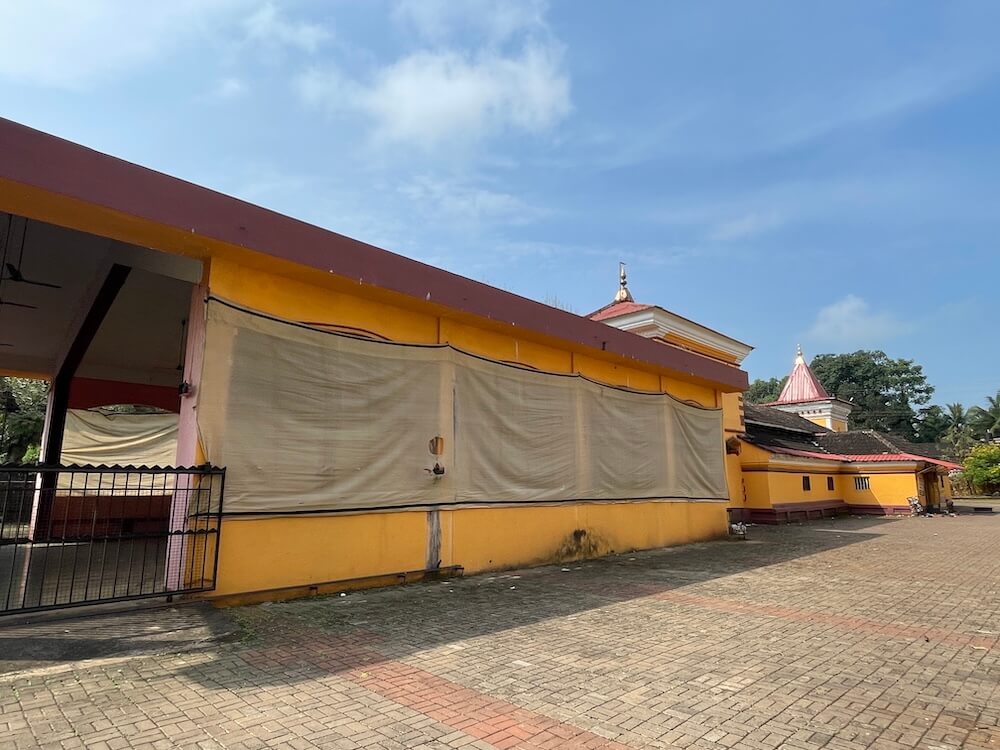
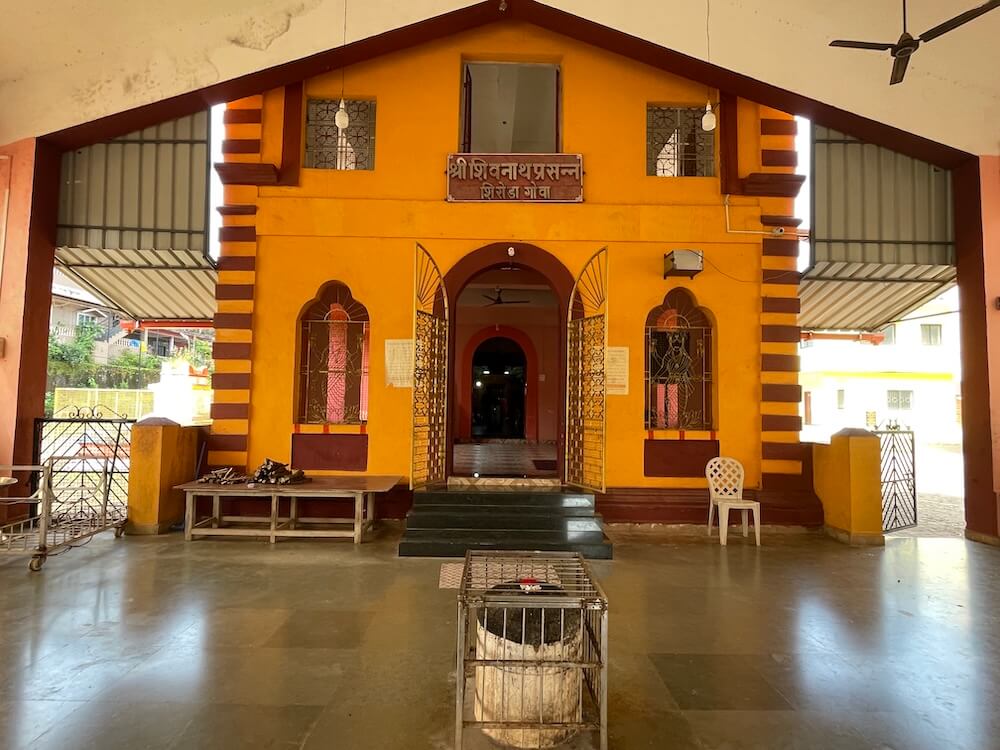
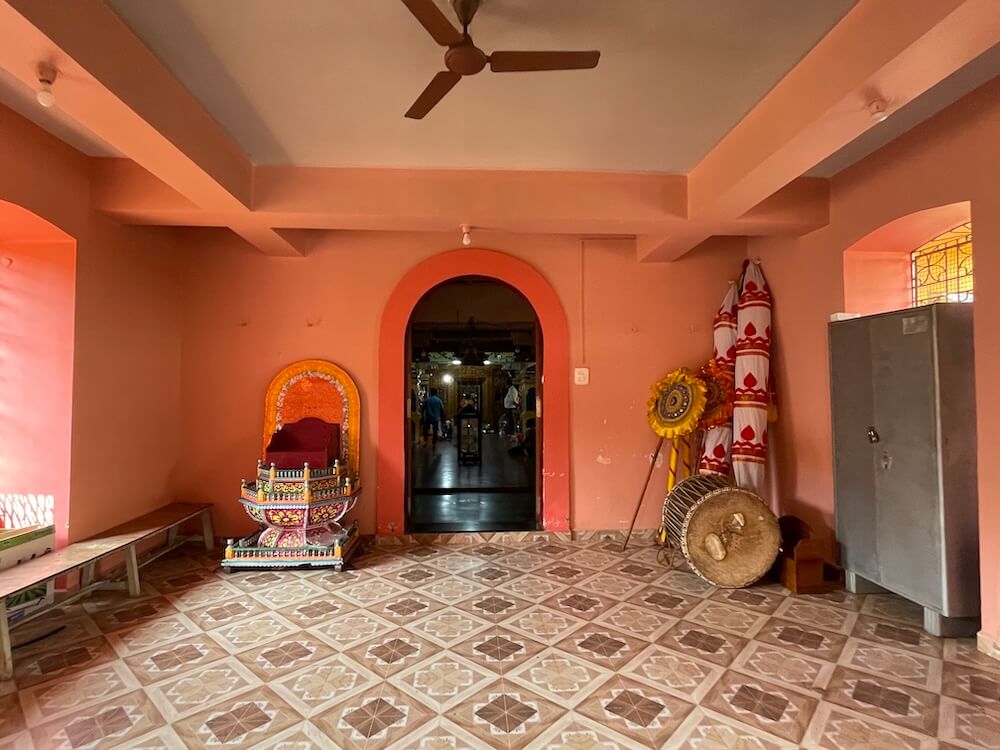
The temple complex is vast. There is a sacred pond (Pushkarani) in front of the temple. The temple structure consists of a Mukhamandapa (entrance porch), a semi-open Sabhamandapa (assembly hall), a closed Mahamandapa, and the Garbhagriha (sanctum sanctorum). In the center of the Sabhamandapa, there is a Nandi (bull) statue. Unlike other temples where the Nandi is placed on the floor, here it is installed on a high, circular pedestal. From the Sabhamandapa, one climbs four steps to enter the slightly elevated two-story Ardhamandapa. This area houses the palanquin and other ceremonial items used during festivals. Beyond this lies the Mahamandapa. Although the temple was renovated in 1972, the wooden ceiling and the ancient wood carvings in the Mahamandapa have been preserved. These wood carvings depict various deities, as well as scenes from the Krishna Leela and the Ramayana. In the center of the Mahamandapa, there is a large brass lamp (Samai) kept inside a tall glass case. A Nandi is installed on a low platform in front of the Garbhagriha. The front wall of the Garbhagriha features intricate wood carvings. The entrance to the Garbhagriha, which has a double-door frame, is flanked by statues of gatekeepers (Dwarapalas) and carved Nandi figures. On the lintel of the entrance, Lord Shankar is carved with Parvati, Balganapati, and Balkartikeya (the Shiva family) together. Inside the Garbhagriha, the Shivnath Mahadev Linga is situated near the floor level. In a niche on the wall behind the Linga, there is an idol of Shivnath. The Garbhagriha is topped by a square-based, triangular-shaped Shikhara (spire), which is crowned with an Amalaka and a Kalasha.
In this temple, which holds the status of the primary village deity, daily rituals like Abhisheka and Laghurudra are performed. Special programs are organized here on the Mondays of Shravan. Like the festival of Goddess Kamakshi, the Divja festival is a major part of Shivnath’s annual Jatrotsav. Devotees of Shivnath call it Shivpunav. On that day, the ritualistic Abhisheka and Puja of Shivnath and the Panchishta deities are performed. In the Shiroda area, both Mandaleshwar and Shivnath are considered forms of Shiva. The villagers believe that if one performs the worship of Mandaleshwar, Shivnath is pleased, and if one worships Shivnath, Mandaleshwar is pleased. Before Goa’s independence, the festival of Mandaleshwar and the Jatrotsav of Shivnath were held separately. Since the Shivnath temple and its surrounding area are spacious, the Mandaleshwar festival has been integrated with the Shivnath Jatra. Both festivals are celebrated at the same time and place.
The Jatrotsav lasts from the full moon of Margashirsha until the fifth day of the dark fortnight of Margashirsha. After the Puja on the full moon night, the palanquin of Shivnath sets out for a procession. After circling the temple, the palanquin returns inside. At the same time, the palanquin of Mandaleshwar arrives from Vaje to the Shivnath pavilion. After the play at the fair ends in the early morning and Mandaleshwar is seated on the Sangoda (ceremonial boat), the boat procession begins. This continues until dawn. After the boat procession, Mandaleshwar is seated in a chariot carried on shoulders. Then, the chariot of Mandaleshwar and the palanquin of Shivnath tour the village area with music and fanfare. These palanquins visit many important locations and temples. At dawn, Shivnath’s boat procession takes place in the pond in front of the temple. Later, a procession of the idol is taken out in a chariot decorated with flowers. In the afternoon, the Divjotsav takes place. Divjotsav is a festival of lights, where married women carry lamps in their hands and circumambulate the deity. Many women visiting from their parental homes gather here for this. After this important ceremony, various devotees crowd to take darshan of Shivnath. Thousands of devotees are present to experience this entire celebration. Navaratri is also celebrated with great enthusiasm at this temple. During the Dussehra festival, the palanquins of Goddess Kamakshi and other deities from the Shiroda area join the palanquin of Shivnath.
This sacred temple stands as a testament to deep spiritual devotion, ancient architectural grandeur, and rich local cultural traditions.
The sanctum sanctorum houses the divine idol consecrated according to ancient Vedic traditions, surrounded by serene courtyards and traditional temple architecture.
Navratri, Maha Shivratri, Annual Temple Jatra & Deepotsav
Compare and book flights, secure top-rated local hotels near the temple, hire reliable guides, and rent cars instantly.
Extend your pilgrimage by visiting other highly sacred temples located nearby.


Add ₹999 more to unlock FREE SHIPPING!
Your sacred cart is currently empty.
Shop Photo FramesFill in your delivery details below to place your order.
Add comment