
Add ₹999 more to unlock FREE SHIPPING!
Your sacred cart is currently empty.
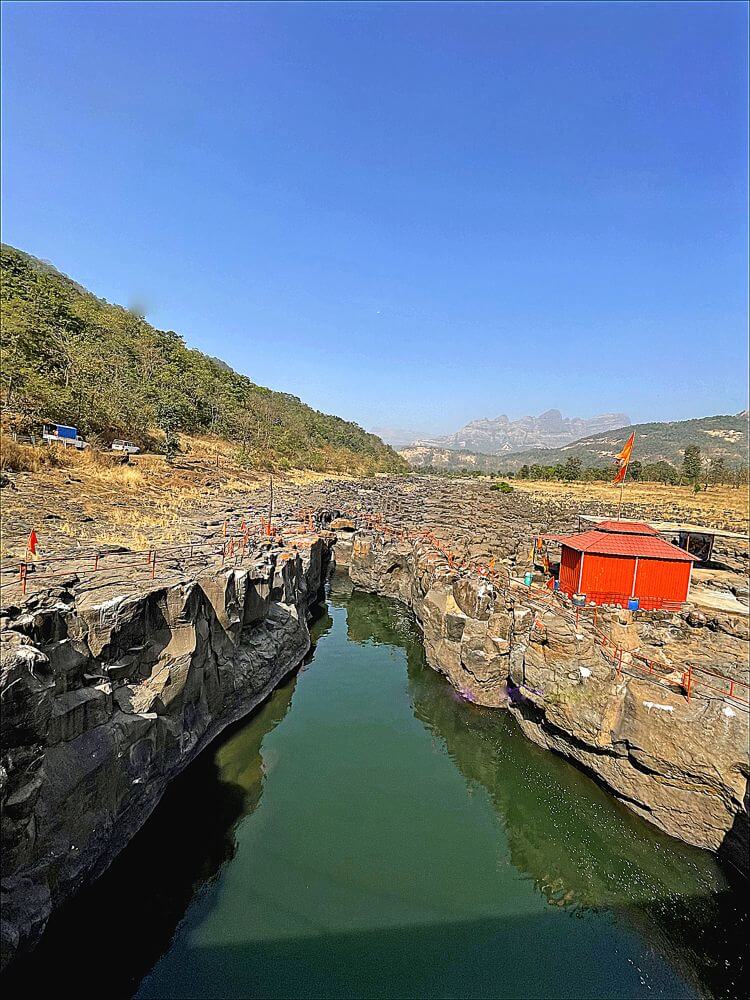
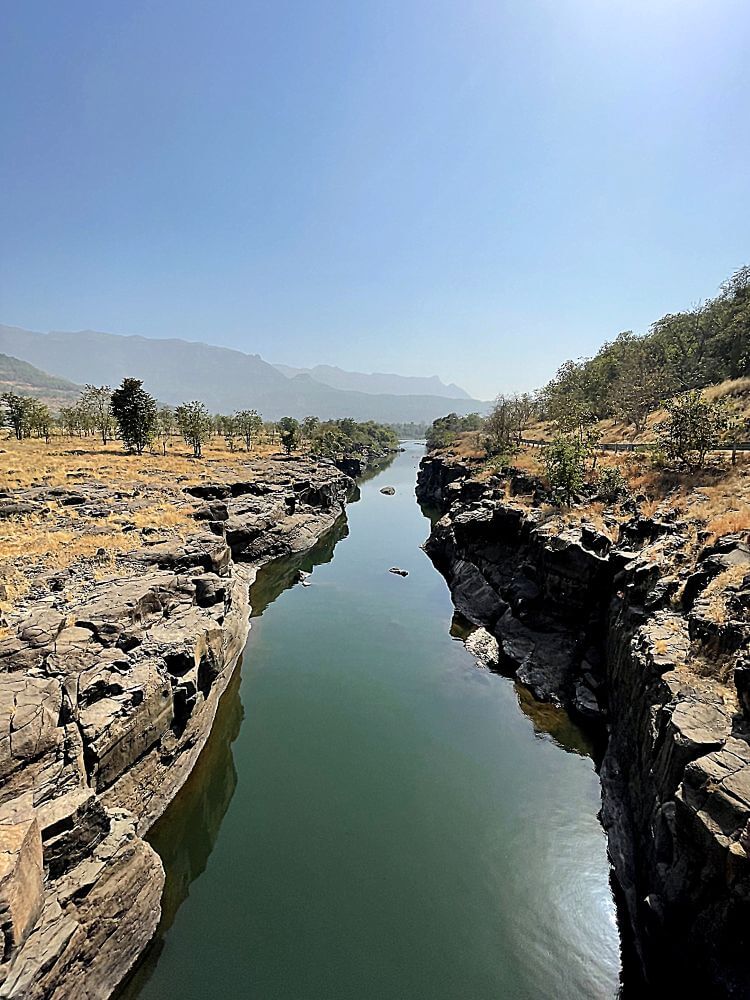
Shop Photo FramesSituated on the border of Raigad and Pune districts, at a short distance from Mahad, the Valankondi shrine is considered one of the most famous and spiritually awakened places of worship in Raigad district. The deep pool formed by the Kal River, which originates in the Sahyadri mountain ranges, is known as Valankund or Valankondi. Hundreds of devotees arrive here daily to catch a glimpse of the Goddess in the form of fish and to offer prayers for the fulfillment of their vows. The depth of this pool and the mystery of where these thousands of divine fish originated remain unsolved.
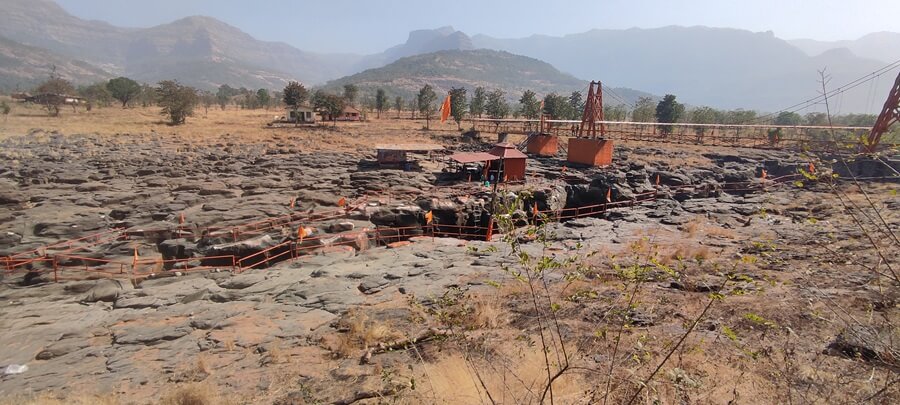
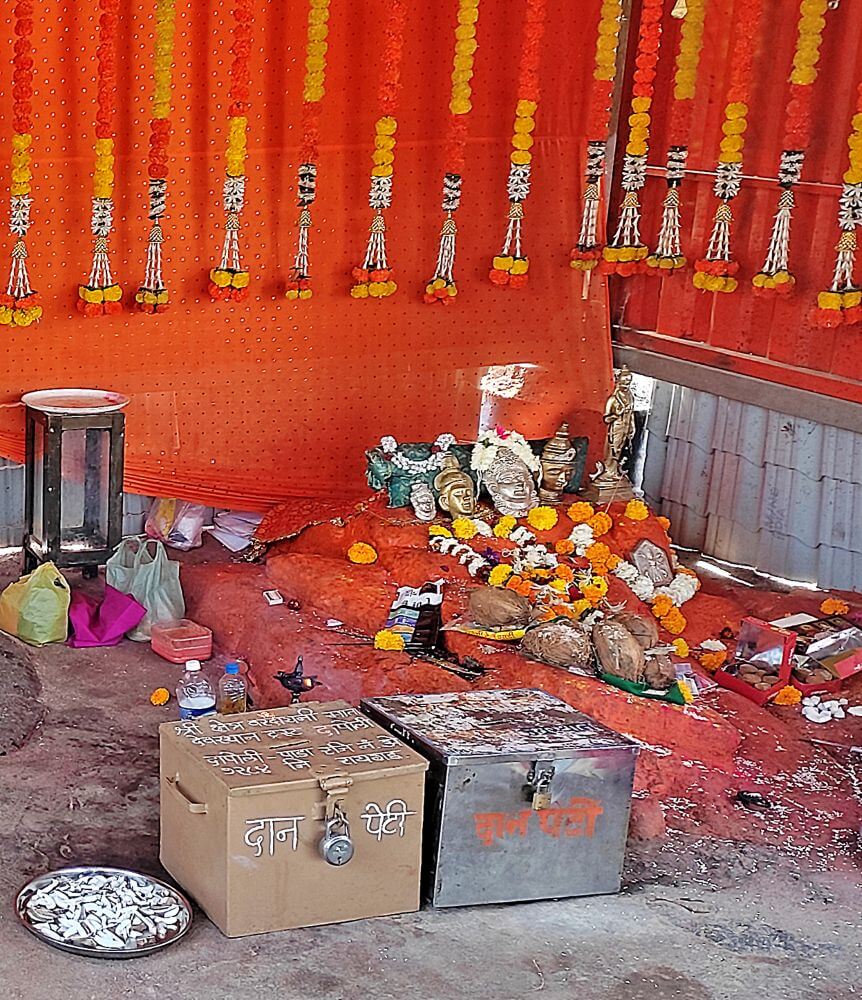
The shrine of Vardayini Devi is located at the foothills of Lingana Fort, in the main course of the Kal River, near Pandheri village in Mahad Taluka. There is a temporary temple dedicated to the Goddess here. During the monsoon season, as the river flows to its brim, the temple remains submerged. Consequently, the Goddess can only be seen during the summer and winter months. A natural pool has formed in the riverbed adjacent to this temple. Devotees believe that the fish in this pool are the children of Vardayini Mata. These fish bear a striking resemblance to the rare Golden Mahseer species found in the rivers originating from the Himalayas. Similar fish are also found in the Narmada River. Golden Mahseer fish are known as the ‘tigers of the water’. They are found only in fresh, highly oxygenated water. However, no one can explain how this species arrived in this river, specifically in the pool adjacent to Vardayini Mata’s temple. The river course is approximately 124 kilometers long. However, it is said that these fish are not found anywhere else in the river except in this pool. These fish are visible only during winter and summer; they are not seen during the monsoon.
A legend regarding this states that the temple of the Goddess is located within this pool. About 600 years ago, the priest of the Goddess would descend into this pool every day with the Aarti for the Goddess. After performing the puja, he would emerge from the water. When the local citizens requested vessels from the Goddess for auspicious occasions, they would appear on the surface of the pool. Once the work was completed, they were returned to the pool, but because some people did not return the vessels, the Goddess became displeased, and the appearance of the vessels ceased. The Goddess appeared to the villagers in a dream and told them that henceforth, her existence would be in the fish here. “These fish are my children. In their form, I will always remain at this place to fulfill the desires of my devotees.” Since then, the importance of this place has been growing day by day.
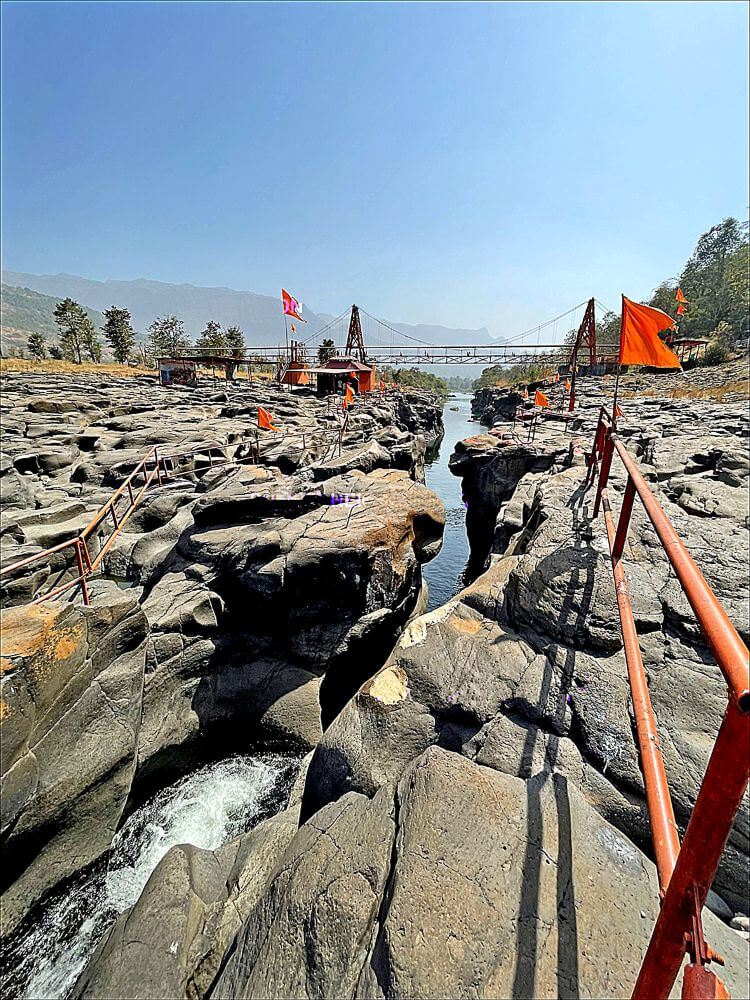
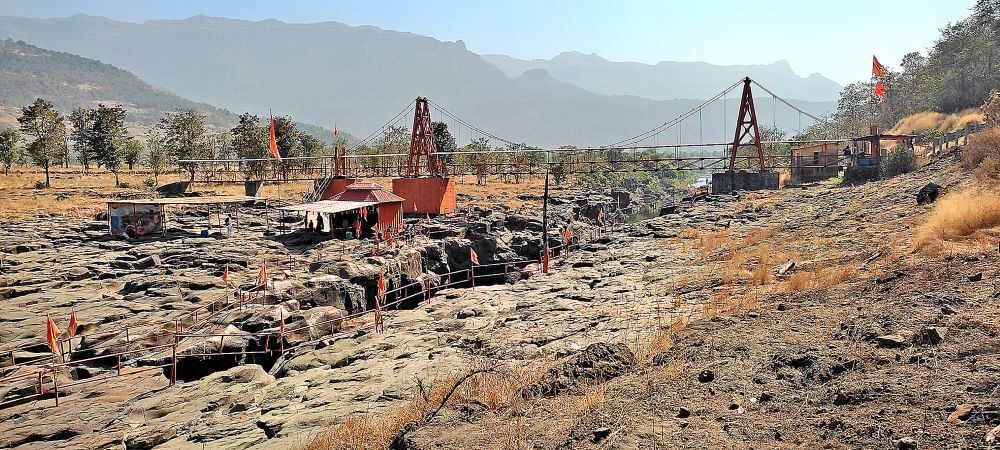
Thousands of divine fish are the main attraction of this pool. It is said that there are seven layers of fish in this pool according to their size. Golden Mahseer fish are omnivorous. They also eat other fish and insects. Devotees offer food such as rice, puffed rice, and coconut to these fish. Accordingly, one can see the first layer of small fish, followed by larger fish in the second layer, and even larger ones thereafter. The fish in the fourth layer are four feet long, while those in the fifth, sixth, and seventh layers are even larger. Devotees say that the seventh layer is very rarely seen. The strong currents during the monsoon season do not affect these fish. Once the monsoon ends and the water level in the riverbed recedes, these fish reappear in the pool. A suspension bridge has been built from the bank to the river pool. One can stand on it and view the fish in the pool. The heads of these fish are vermilion in color. The fish in this pool are neither caught nor harmed by the villagers. This tradition has been followed for hundreds of years.
One can reach the Goddess’s temple from where the suspension bridge begins near the riverbed. There are many shops in the area selling food for the fish and puja materials. This shrine is considered very strict. There is a custom of walking barefoot while passing through this area. Therefore, one must remove their footwear at the very beginning of the bridge before entering the riverbed. The shrine of Vardayini Devi is located in the rocks adjacent to the pool. A temporary tin shed is erected at this spot during summer and winter. Devotees offer coconuts to the Goddess. After that, the coconut meat is broken into small pieces and thrown into the pool for the fish, who are believed to be the children of the Goddess. At this time, thousands of fish can be seen floating on the water to eat the coconut.
During Navratri, there is a large crowd of devotees for the darshan of the Goddess. Thousands of devotees from Raigad and Pune districts, as well as from across Maharashtra and Gujarat, come for darshan. Except for the monsoon days, the Goddess can be visited daily from 7 in the morning to 7 in the evening.
This sacred temple stands as a testament to deep spiritual devotion, ancient architectural grandeur, and rich local cultural traditions.
The sanctum sanctorum houses the divine idol consecrated according to ancient Vedic traditions, surrounded by serene courtyards and traditional temple architecture.
Navratri, Maha Shivratri, Annual Temple Jatra & Deepotsav
Compare and book flights, secure top-rated local hotels near the temple, hire reliable guides, and rent cars instantly.
Extend your pilgrimage by visiting other highly sacred temples located nearby.


Add ₹999 more to unlock FREE SHIPPING!
Your sacred cart is currently empty.
Shop Photo FramesFill in your delivery details below to place your order.
Add comment