
Add ₹999 more to unlock FREE SHIPPING!
Your sacred cart is currently empty.
Shop Photo FramesThe glory of Babir Dev, who was created from the twelfth Rudraksha from Lord Shiva’s neck and the sacred residue from His body, is renowned throughout the state. This temple, the family deity of the Dhangar community, is located in the village of Rui in Indapur Taluka. Babir Dev is famous as a deity who grants the wishes of devotees. The annual fair held here is well-known, and devotees from many states, including Maharashtra, Karnataka, Andhra Pradesh, and Telangana, participate in it.
Rui village is situated five kilometers from Kalewadi on the Pune-Solapur highway. Although it is a place of faith for the Dhangar community, who wander through forests and fields for their livelihood, people from all walks of life come here with reverence and devotion.
According to the legend surrounding this temple, Babir Dev was the son of Yelumata and Maloji Gawali. This family was very wealthy and had no shortage of servants. Despite having all comforts, they found no peace of mind because they had no children. Once, while Yelumata was serving the cows in the shed, she was lost in thoughts of having a child. At that very moment, a cow in the shed suddenly began to speak, “If you worship Shambhu Mahadev of Shikhar Shingnapur for twelve years without missing a single day, you will be blessed with a son.” Following the words spoken by the cow, Yelumata continued to worship Shambhu Mahadev at Shikhar Shingnapur for twelve uninterrupted years to be blessed with a child. Pleased with this devotion, Lord Shiva created Babir Dev from the residue of His body and the twelfth Rudraksha from His neck. However, Lord Shiva had also decreed that Babir would live for only twelve years.
With the blessings of Lord Shankar Mahadeva, everything was going well when Lord Babir reached his twelfth year. At that time, while he was grazing cattle in the forest, robbers attacked him and attempted to kill him. However, Lord Babir fought back against them. Since Lord Babir could not be killed, Lord Shankar Mahadeva himself disguised himself and beheaded Lord Babir. Upon learning of this, Mother Yelumata wailed in grief. Consoling her, Lord Shankar Mahadeva said, “The fame of your son will spread everywhere.” It is said that thereafter, Mahadeva himself built a temple for Lord Babir on the hill in the village. The place where Mahadeva beheaded Babir is known as Sayaliche Beel. That cave still exists here today.
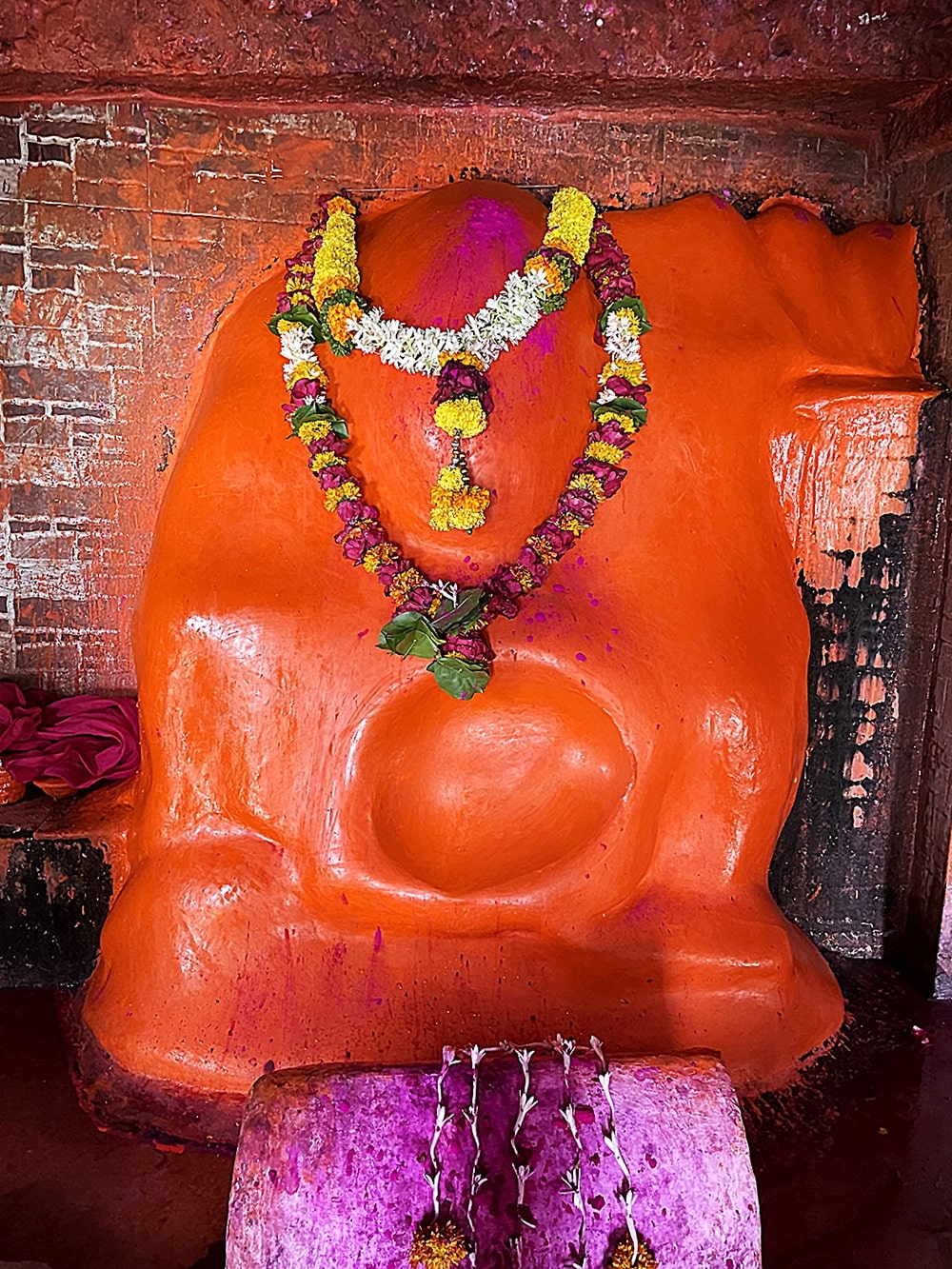
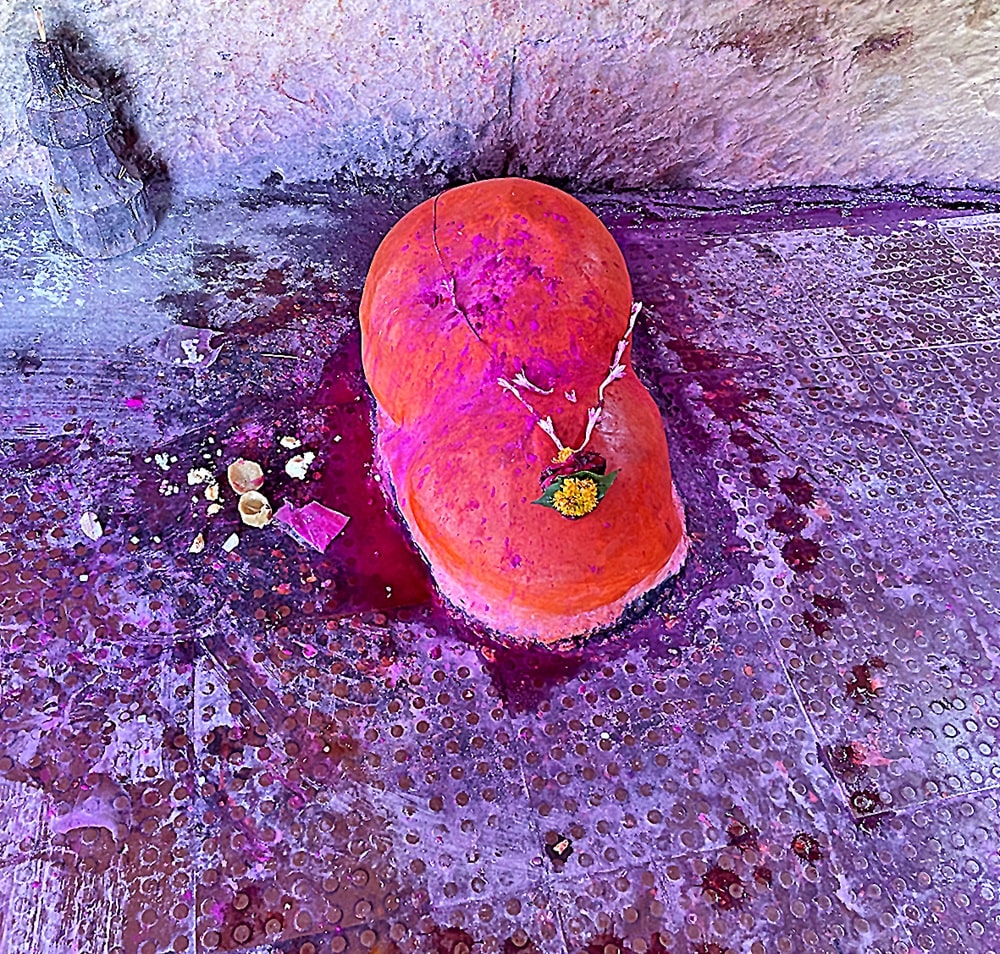
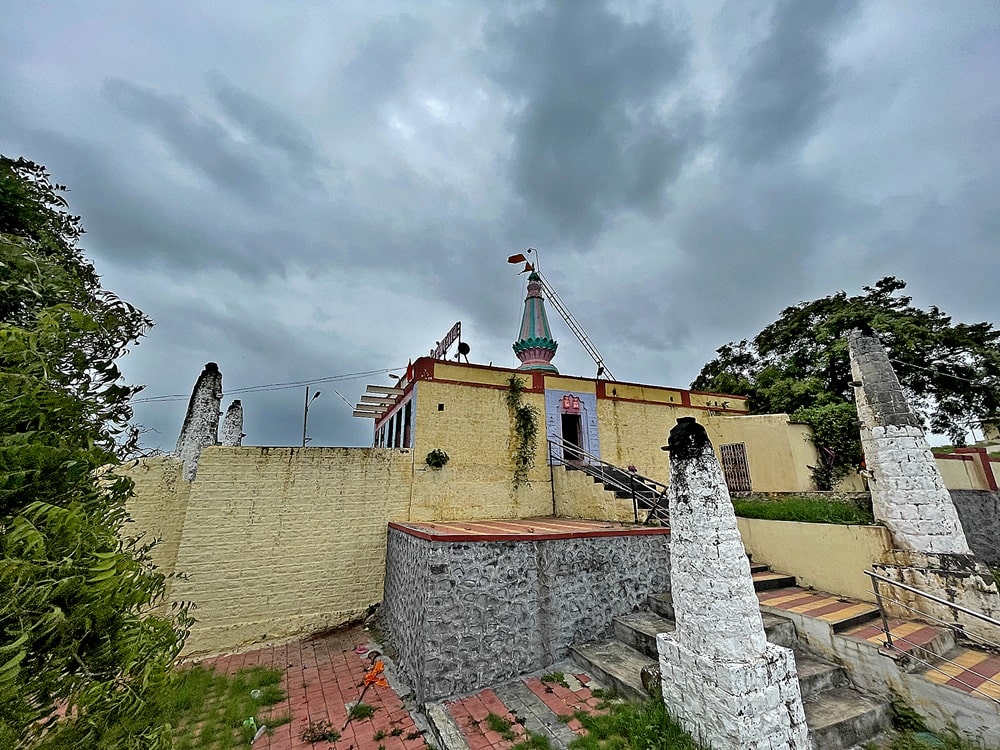
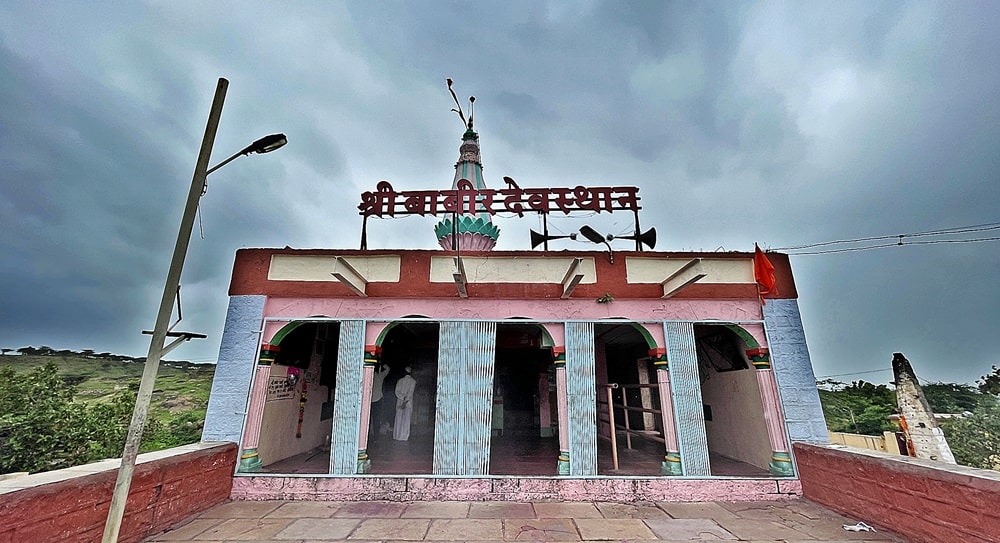
It is said that this temple is approximately 800 years old. There is a stairway to reach the temple. Directly in front of the temple stand two lamp pillars. This sacred site is located on the hill of Rui village, and in front of the main temple, there is a Peer shrine as well as other temples. Muslim devotees come here in large numbers to seek the blessings of the Peer. Inside this magnificent stone-constructed temple are the idols of Mother Yelumata and Lord Babir. Records indicate that the renovation of the temple was carried out by Ahilyabai Holkar and Khandoba Mandalik.
The Ghats of Lord Babir are installed. After the Ghats are removed on the ninth day, the Yatra begins. The Yatra of Lord Babir is celebrated on Diwali-Padwa, Magh Purnima, and Gudi Padwa. In this Yatra, transactions worth crores take place involving woollen blankets and wooden toys. A traditional Gajdhol competition is organized at this time. Additionally, a wrestling arena is held during the Maghi Yatra. On Gudi Padwa, an unbroken week of chanting the Lord’s name (Akhand Harinam Saptah) is observed. Hundreds of devotees come to this temple to listen to the prophecy (Bhaknuk) told here. Many people have faith in this prophecy.
The Palkhi (palanquin) procession of Lord Babir is carried out from the chariot with great enthusiasm and devotion, amidst the showering of gulal (vermilion powder). The silver mask of Lord Babir is placed within the Palkhi. As the Palkhi moves to the rhythmic beats of the halgi, the dance of horses, and the resonant sounds of the gajdhol, countless devotees immerse themselves in the essence of devotion. During this time, large quantities of gulal are showered. Sasankathis, also known as Gajkathis, from various villages are also brought to the pilgrimage. Among these Sasankathis, the one from Nimod is considered the most significant. There is a tradition in the pilgrimage of receiving the Goddess’s flowers upon one’s body, which is equivalent to receiving the lash of the Goddess. Many devotees perform dandavat (prostrate obeisance) all the way to the temple after the fulfillment of their vows. Overall, this temple and its surroundings offer peace to the mind.
This sacred temple stands as a testament to deep spiritual devotion, ancient architectural grandeur, and rich local cultural traditions.
The sanctum sanctorum houses the divine idol consecrated according to ancient Vedic traditions, surrounded by serene courtyards and traditional temple architecture.


Navratri, Maha Shivratri, Annual Temple Jatra & Deepotsav
Compare and book flights, secure top-rated local hotels near the temple, hire reliable guides, and rent cars instantly.
Extend your pilgrimage by visiting other highly sacred temples located nearby.


Add ₹999 more to unlock FREE SHIPPING!
Your sacred cart is currently empty.
Shop Photo FramesFill in your delivery details below to place your order.
Add comment