
Add ₹999 more to unlock FREE SHIPPING!
Your sacred cart is currently empty.
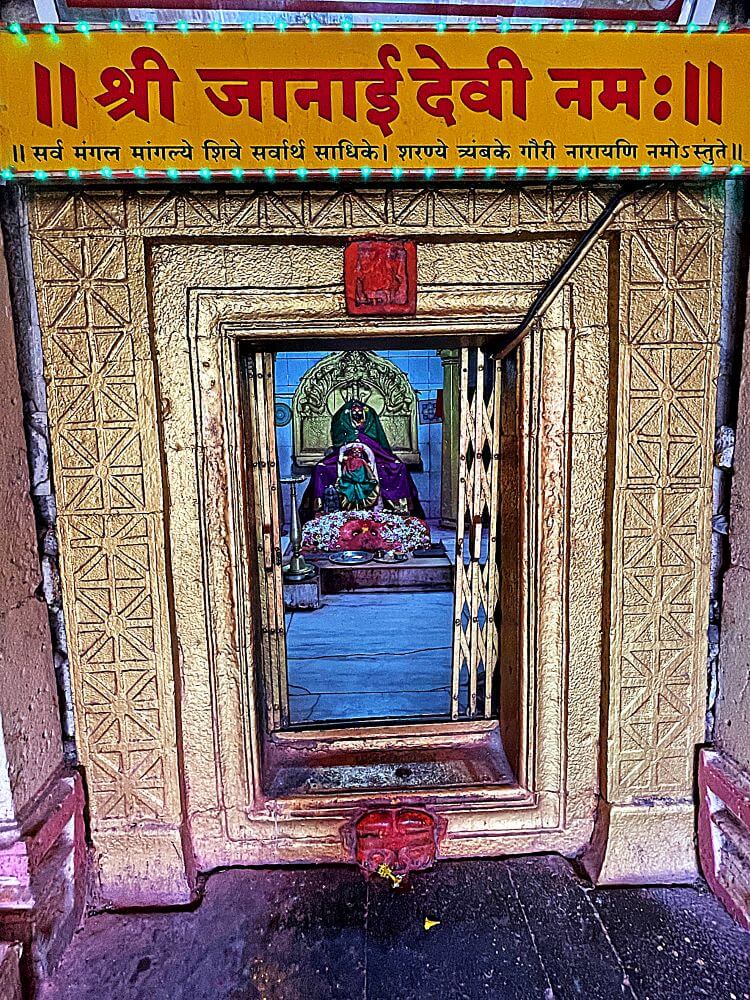
Shop Photo FramesThe temple of Janai Devi, the village deity of Rajale and its surrounding areas in Phaltan taluka, is said to be approximately 325 years old. Janai Devi is considered the elder sister of Khandoba, the revered deity of Maharashtra. Devotees believe that this Goddess is Swayambhu (self-manifested), Jagrut (spiritually awakened), and grants the wishes of those who pray to her. The annual festival of the Goddess is famous, and the golden mask adorned by the Goddess during this time is a major attraction. Thousands of devotees from Satara, as well as across Maharashtra and Karnataka, visit to participate in the festivities.
Rajale village, located a short distance from Phaltan, is famous for this Janai Devi temple. It is said that Janai Devi is the Kuldevi (family deity) of the Naik-Nimbalkar royal family of Phaltan. The temple is managed by the Naik-Nimbalkar Devasthan Trust. After Mudhojiraje Naik Nimbalkar, the ruler of the Phaltan state, Shrimant Malojiraje and now Shrimant Ramraje Nimbalkar hold special honors during the festival. The tradition of placing the idol of the Goddess in the palanquin during the festival has been held by the Nimbalkar family since the time of Mudhojiraje. A copper plate found in the village mentions that the Janai temple was built in 1689. The temple and its fortification walls were severely damaged during the intense earthquake that struck the Koyna region on December 11, 1967. The temple attained its current form after its renovation in 1979.
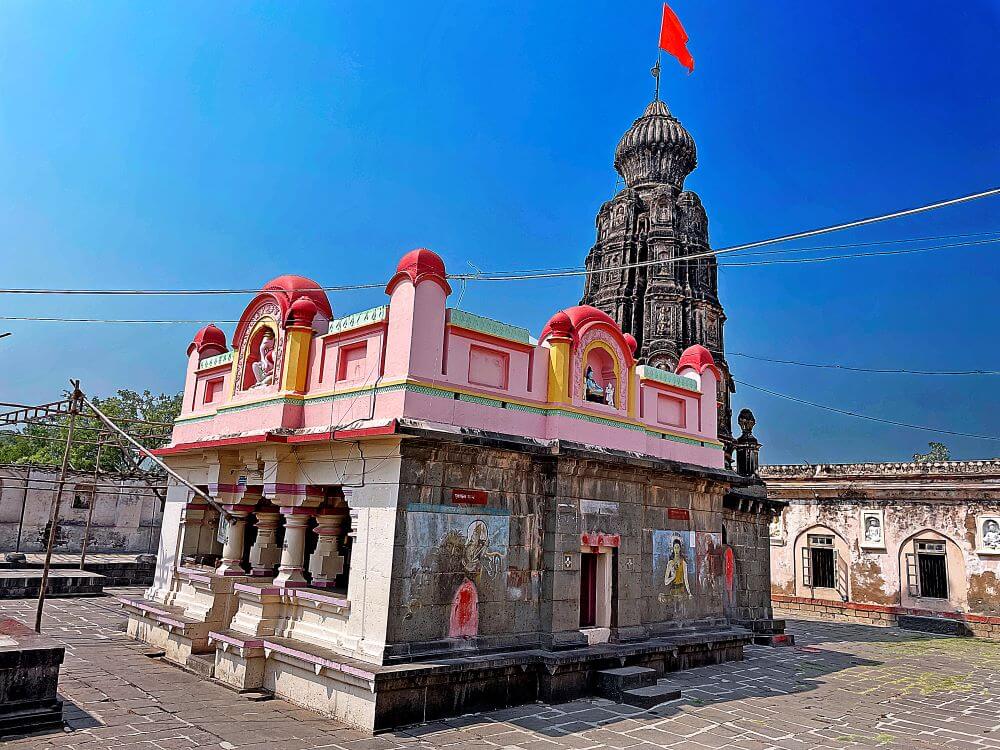
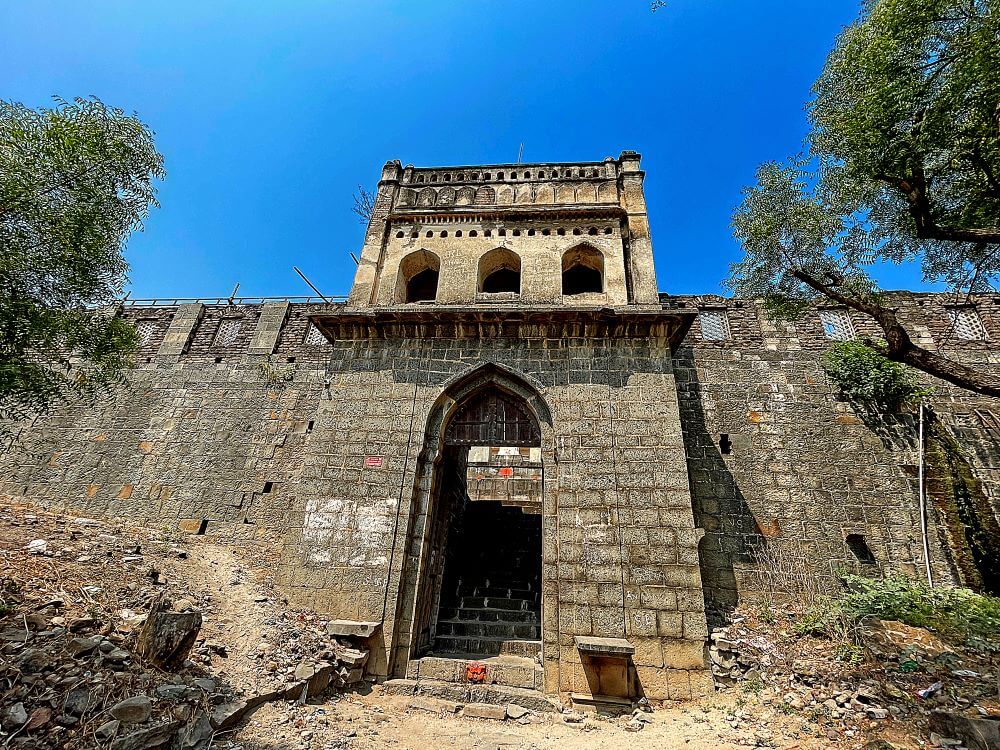
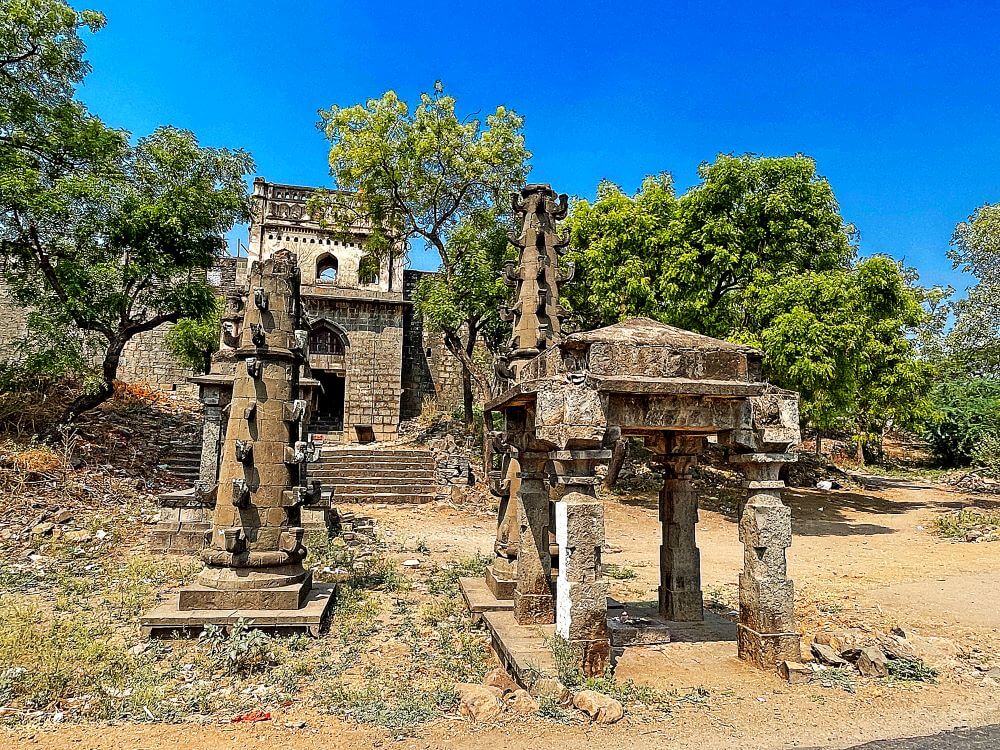
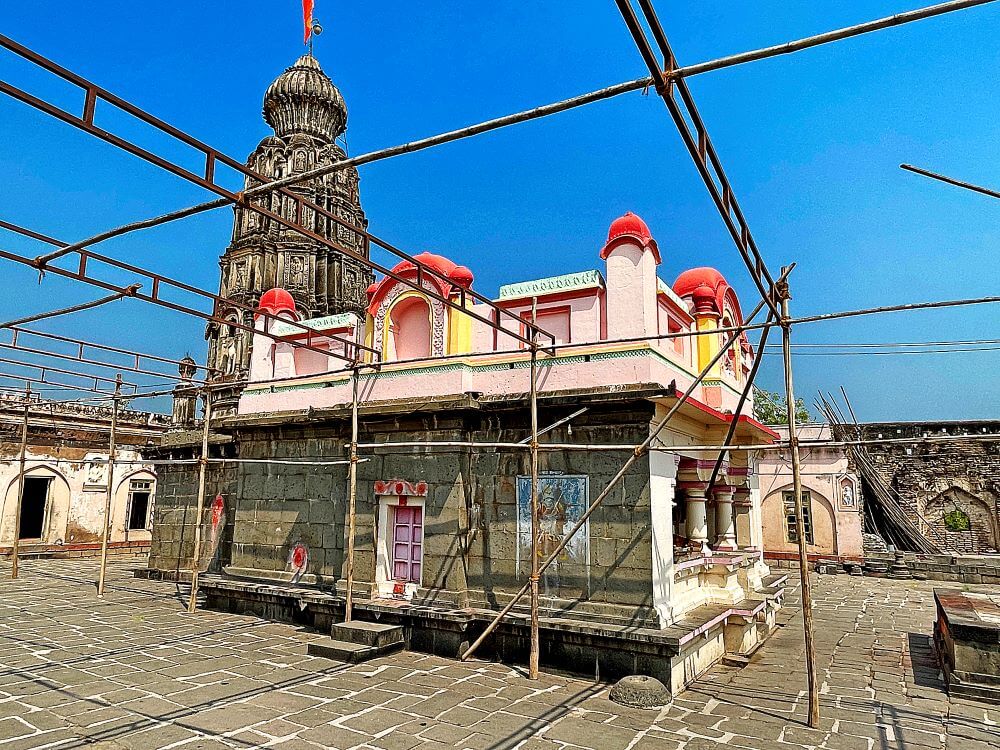
The Janai Devi temple is situated in the heart of Rajale village. This east-facing temple is surrounded by a 40-foot-high fortification wall with entrances on the east and north sides. Two ancient lamp towers (Deepmalas) stand in front of the eastern entrance. Seen from the outside, the fortified temple resembles a fortress. There is a 25-foot-high wooden door within the fortification. From here, one must climb 20 steps to reach the temple courtyard. A Nagarkhana (drum house) is located on the floor above the entrance. Near the cloisters by the northern entrance, a tunnel is visible. Although this passage is now closed, it is said that it formerly led to the Phaltan palace.
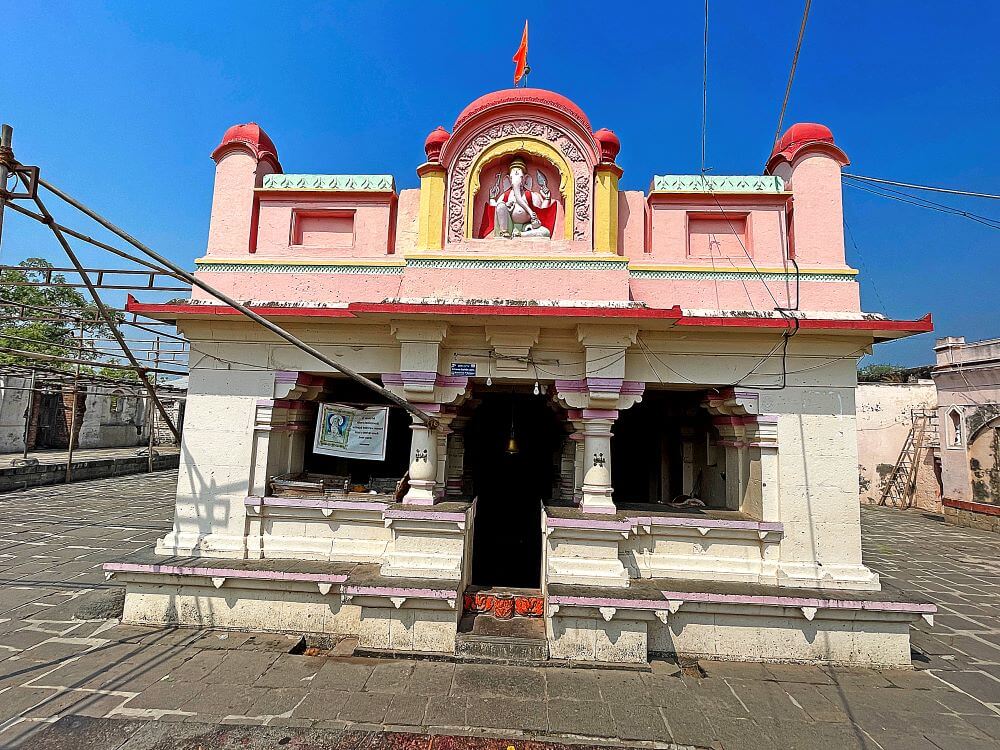
Built of stone and lime, this temple follows the Hemadpanti architectural style. There is a large idol of Lord Ganesha on the second floor above the main entrance. The temple consists of a Darshan Mandap (viewing hall), Sabha Mandap (assembly hall), and the Garbhagriha (sanctum sanctorum). The Darshan Mandap is semi-open, and stone benches are built into the temple walls, two to two-and-a-half feet from the ground, for devotees to sit. The stone pillars between the Darshan Mandap and the Sabha Mandap feature exquisite craftsmanship, while the other pillars in the Sabha Mandap are relatively plain. The door frame of the Garbhagriha is intricately carved. At the base of the frame is a Kirtimukha, and on the lintel is an idol of Ganesha. Inside the Garbhagriha is the ‘Tandala’ (aniconic stone form) of Janai Devi, with an idol placed in front of it. This idol is about three feet tall. The Goddess is dressed in different colored garments every day. There is a tradition of applying turmeric and vermilion (Haldi-Kumkum) to the Goddess.
The outer walls of the temple feature carvings of flowers and demons. The spire (Shikhara) also contains many idols of gods and goddesses carved in lime. This spire stands 90 feet tall from the ground. The temple premises include smaller shrines dedicated to Ganpati, Vitthal-Rukmini, Maruti, and Shri Dattatreya. Additionally, there are two stepwells (Baravs) made of dressed stone in front of the temple; the water from one of these is used for drinking.
The annual festival of Janai Devi takes place on Chaitra Krishna Saptami and Ashtami. Villagers begin preparations for this festival 15 days in advance. The path of the Goddess’s palanquin is illuminated, and colorful Rangolis are drawn in front of every house. On the first day of the festival, Saptami, the Mahapuja and Abhishek of the Goddess are performed. After being adorned with garments and ornaments, the golden mask—the main attraction—is placed on the idol. As this mask is displayed only twice a year, heavy police security is deployed during this time. Following this, the temple officials offer garlands and Naivedya (food offerings) to the Goddess.
A unique feature of the festival is that the palanquin procession departs at the Brahma Muhurta (4:00 AM) on Ashtami. The silver idol of the Goddess is placed in a decorated palanquin by the Naik-Nimbalkar family. The procession moves forward with ceremonial staffs (Kathis), the sound of drums and cymbals, and a Lezim troupe, accompanied by thousands of devotees. The honor of carrying the palanquin first belongs to the Shelar and Bhoi communities. Cloth is spread on the ground in front of the palanquin from the moment it leaves the temple until it returns. The atmosphere is charged with the throwing of Gulal and the bursting of firecrackers. Around 10:00 AM, when the palanquin returns to the temple, thousands of devotees gather for Darshan.
On the afternoon of Ashtami, wrestling matches (Kustis) are held. Amidst the sound of drums, the villagers, Sarpanch, Deputy Sarpanch, and the festival committee lead the wrestlers to the arena with great fanfare. Additionally, various religious programs are organized here during Navratri. Devotees flock to see Janai Devi every Tuesday, Friday, and on Saptami. Devotees can have Darshan of Janai Devi from 6:00 AM to 10:00 PM. The Aarti of the Goddess is performed at 8:00 AM and 8:00 PM.
This sacred temple stands as a testament to deep spiritual devotion, ancient architectural grandeur, and rich local cultural traditions.
The sanctum sanctorum houses the divine idol consecrated according to ancient Vedic traditions, surrounded by serene courtyards and traditional temple architecture.
Navratri, Maha Shivratri, Annual Temple Jatra & Deepotsav
Compare and book flights, secure top-rated local hotels near the temple, hire reliable guides, and rent cars instantly.
Extend your pilgrimage by visiting other highly sacred temples located nearby.


Add ₹999 more to unlock FREE SHIPPING!
Your sacred cart is currently empty.
Shop Photo FramesFill in your delivery details below to place your order.
Add comment