
Add ₹999 more to unlock FREE SHIPPING!
Your sacred cart is currently empty.
Shop Photo FramesJakai, Jakmata, Jakhmata, and Jakhai are different names for the same Goddess. Over time and across different regions, the pronunciation of the Goddess’s name has evolved due to linguistic shifts. Jakai is the consort of Bhairava, and as she is the embodiment of Shakti herself, she is worshipped everywhere as a guardian deity. Being maternal in nature, she is believed to be the bestower of sons, grandsons, wealth, prosperity, fame, glory, and victory. There are various temples of Jakai Devi across the country. Among them, the Jakai Devi temple located in a cave at Nelkaranji in Atpadi taluka is particularly famous.
The legend of this temple states that Jakai Devi was a princess from the Bhosale family of Nelkaranji village. She fell in love with Siddhanath of Kharsundi and married the deity. After the marriage, the deity placed Jakai Devi where the temple currently stands, and the deity would visit her whenever he found time. When this came to the knowledge of the deity’s first wife, Jogai Devi, she imposed a condition that Siddhanath should visit Jakai Devi only once every three years. According to the promise given to Jogai Devi, the deity arrives here in a palanquin every three years to visit Jakai Devi.
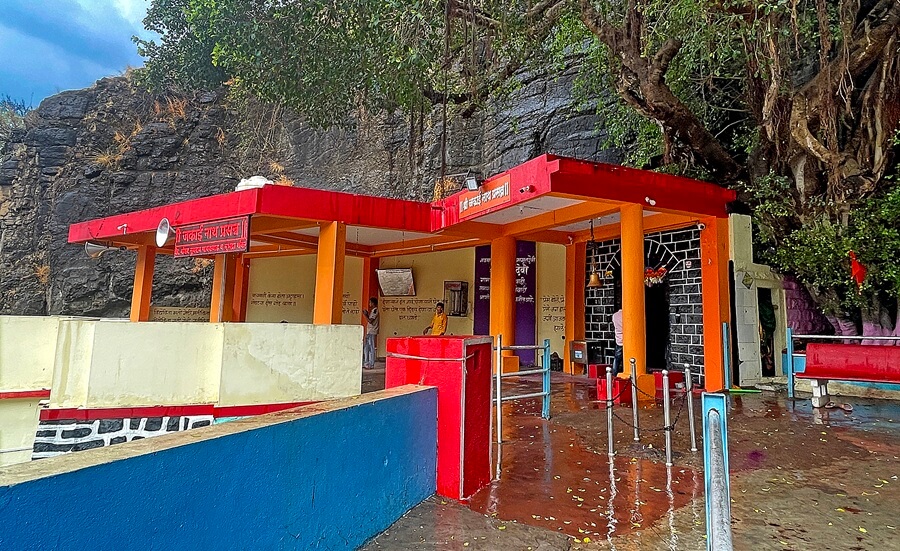
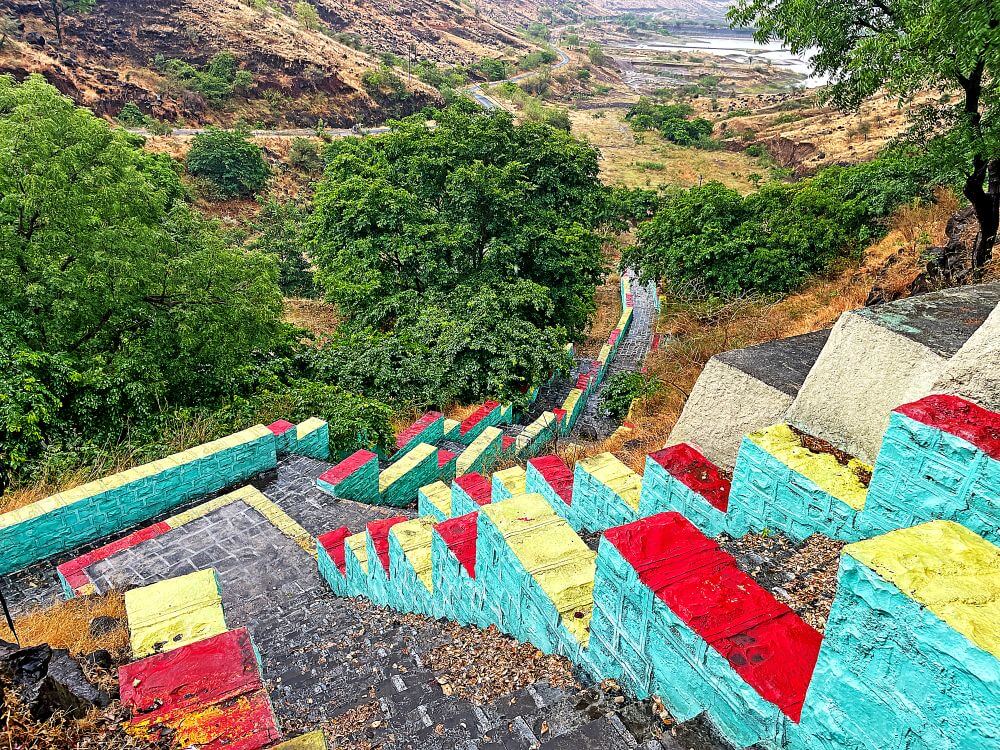
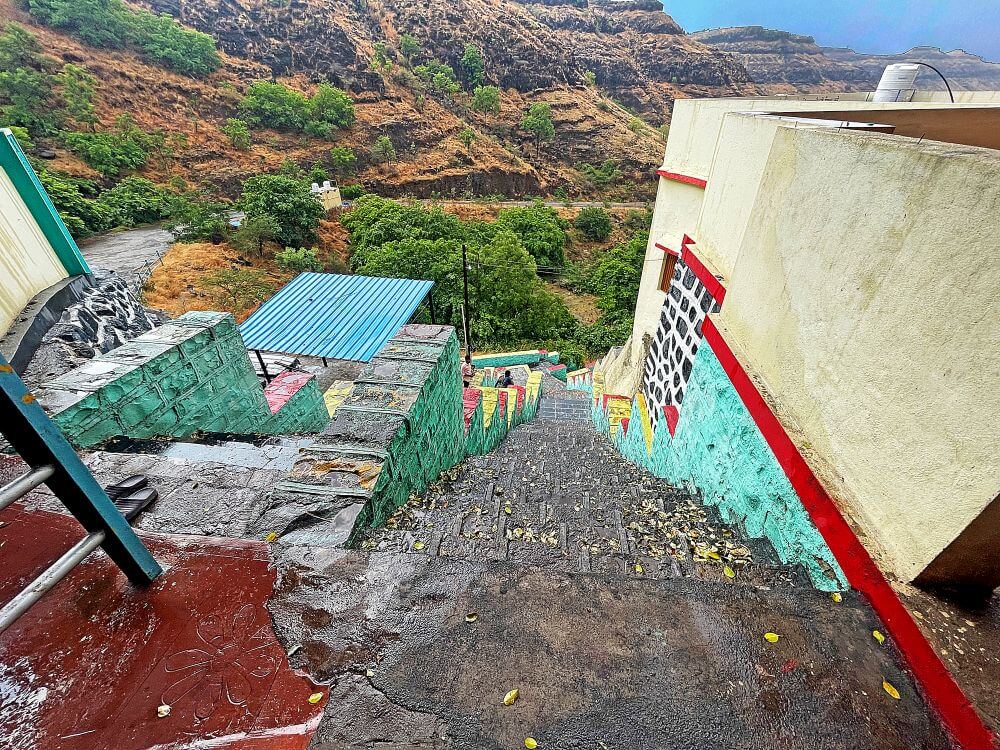
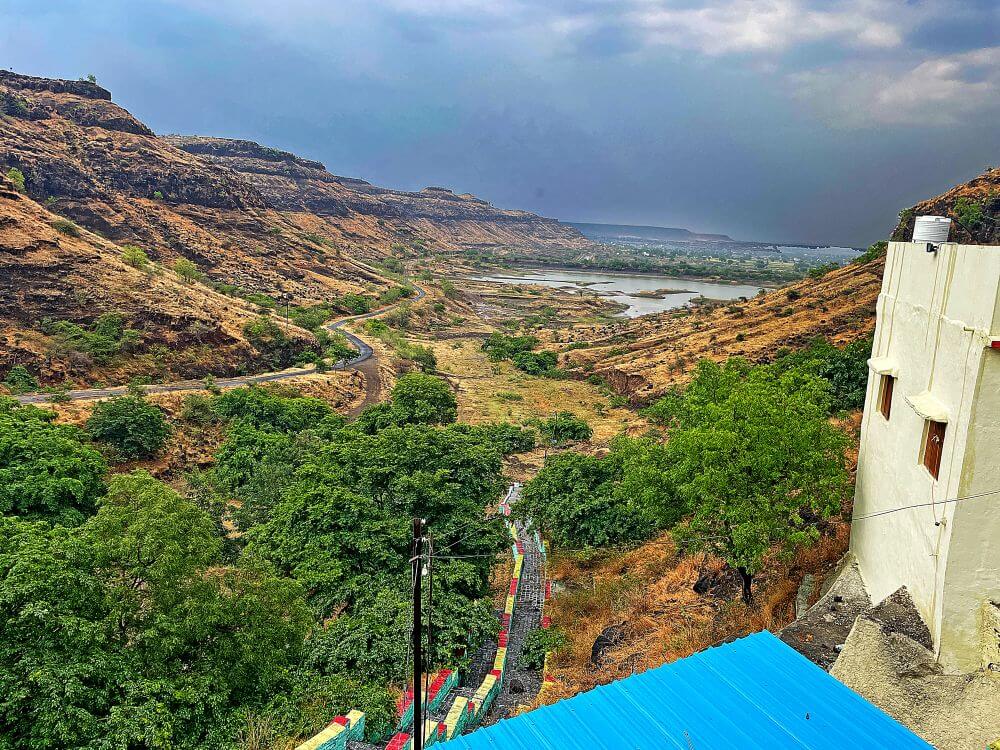
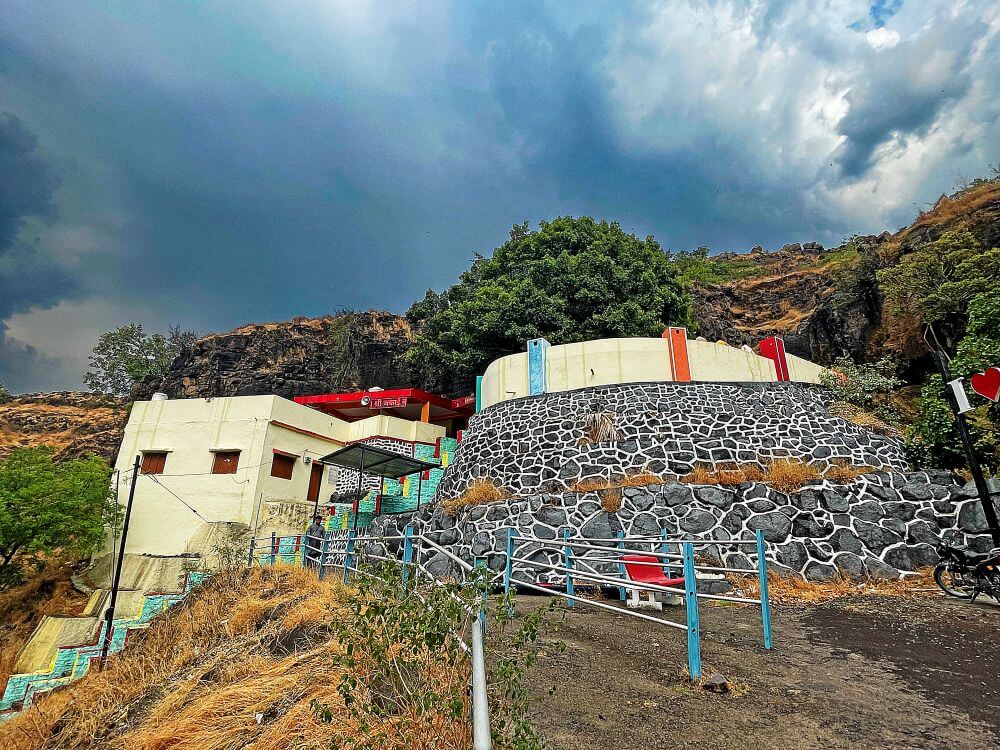
This temple is said to be about a thousand years old. The assembly hall (sabhamandap) and other structures in front of the cave’s sanctum sanctorum are from a later period. There is a paved asphalt road to reach the temple, which is situated on a hill away from the village. There is also an old stairway path leading from the foothills to the temple, consisting of 150 steps. One can reach the temple by climbing twenty steps from the parking area. At the final stage of the stairway, there is a pilgrim residence (Bhakta Niwas) building. Further ahead, in the temple courtyard, there is an arrangement for a queue for darshan. In this courtyard, there is a self-manifested (swayambhu) stone of Mhasoba deity. It is surrounded by a safety railing with chains attached to four stainless steel pillars.
The assembly hall here is open from the front and has railings on both sides. During the fair held every three years, the palanquin of Siddhanath, which arrives from Kharsundi, and the deity’s mask are placed on a pedestal in the center of the assembly hall for the devotees to see. Further ahead, there is intricate carving on the door frames of the sanctum sanctorum. There is a Kirtimukha on the lintel and an idol of Ganpati on the central decorative block (lalatbimba). There are human faces on both sides of the lintel, which are said to be the gatekeepers (dwarpal). There are lamp niches (deepkoshtakas) on both sides of the entrance in the front wall of the sanctum.
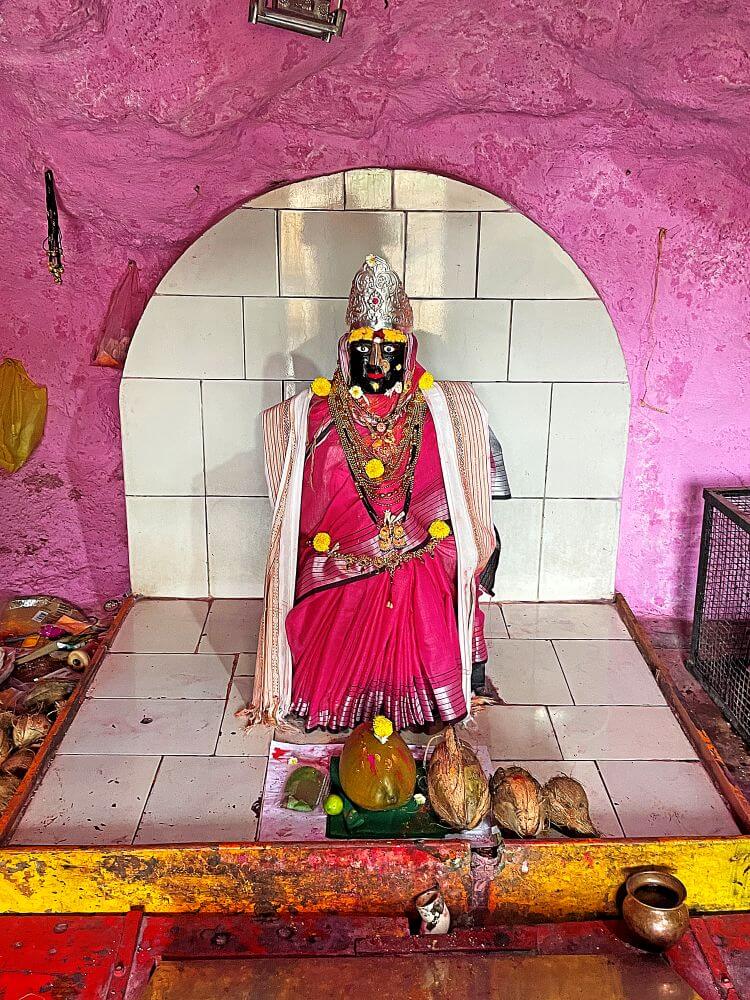
Entering through the doorway leads into the sanctum sanctorum. Since this sanctum is a cave in the mountain, the natural rock of the mountain is visible on the walls and ceiling. Here, on a vajrapitha (pedestal), stands the black stone idol of Jakai Devi. The idol is adorned with fine garments, ornaments, and a silver crown on its head. There is a silver umbrella over the Goddess’s head. Under a great tree in the temple courtyard, there is an ancient Shiva Linga and Nandi. Beside the great tree, in a crevice of the mountain, is a Maruti temple. Inside the temple, against the back wall, is an idol of Maruti made of black stone. Near the idol are stones representing local deities. Beside the temple is a steep cliff of the mountain. During the monsoon, tourists gather to witness the waterfalls cascading from here.
Near the temple, there is a small shrine of Mhasoba. At the entrance of this shrine, there are also stones of local deities and a Shiva Linga. On the pedestal inside the shrine is a two-armed idol of Mhasoba deity holding a staff and a nectar vessel. The deity is wearing a dhoti, ornaments, and a turban on his head. Near the feet of the idol are stones of other local deities. To the right of the stairway path is a newly constructed hall. Many religious programs are organized here. Near the temple is a large lake, known as Jakai Lake.
The fair (jatrotsav) is celebrated at the Jakai Mata temple once every three years on Paush Shuddha Chaturdashi. At this time, the palanquin procession of Siddhanath from Kharsundi arrives to meet Jakai Devi. On this occasion, along with bhajans, kirtans, and other programs, wrestling matches and other entertainment events are organized. Thousands of devotees from across the state arrive to have darshan of the Goddess and to fulfill their vows. The entire hill appears colorful at this time due to the gulal (vermilion powder) thrown by thousands of devotees.
This sacred temple stands as a testament to deep spiritual devotion, ancient architectural grandeur, and rich local cultural traditions.
The sanctum sanctorum houses the divine idol consecrated according to ancient Vedic traditions, surrounded by serene courtyards and traditional temple architecture.
Navratri, Maha Shivratri, Annual Temple Jatra & Deepotsav
Compare and book flights, secure top-rated local hotels near the temple, hire reliable guides, and rent cars instantly.
Extend your pilgrimage by visiting other highly sacred temples located nearby.


Add ₹999 more to unlock FREE SHIPPING!
Your sacred cart is currently empty.
Shop Photo FramesFill in your delivery details below to place your order.
Add comment