
Add ₹999 more to unlock FREE SHIPPING!
Your sacred cart is currently empty.
Shop Photo FramesAwas, a village in the Alibaug taluka of Raigad district, is one of the few pristine beaches in the Konkan region. Far from the hustle and bustle, this village is renowned everywhere for the ‘Nagoba’ temple. Devotees believe that their heartfelt wishes are fulfilled after making a vow at this temple, which houses the Samadhi of a saint. It is also believed that devotees who worship this Nagoba remain protected from venomous bites and diseases.
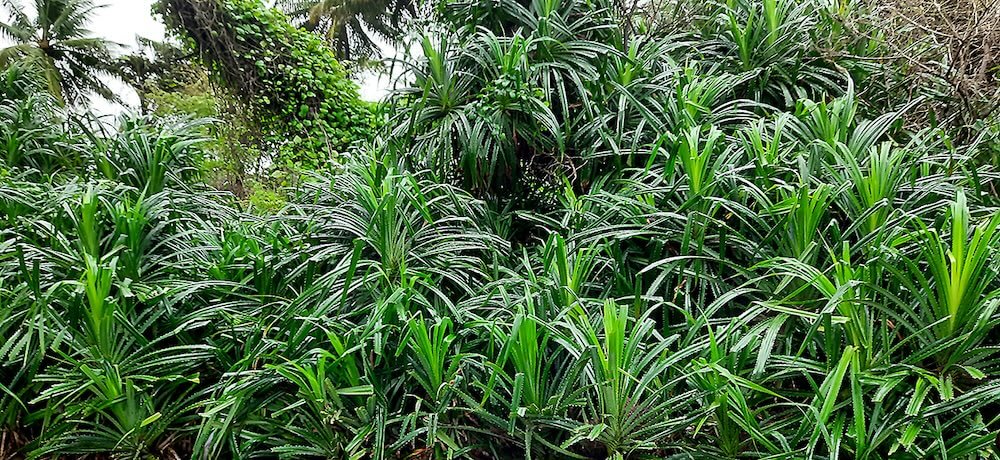
It is said that Awas is a place where the divine resides. There are many temples in Awas, among which the Nagoba temple is a place of faith for thousands of devotees. The legend associated with this temple states that after traveling to many pilgrimage sites, a saint named Nagoba came to Awas to stay. His daily routine involved bathing in the sea in the morning, visiting Lord Ganesha at the Vakratunda temple, followed by a visit to Kankeshwar, and returning to Awas at night for his stay. In those days, the shores of Awas were covered with dense groves of Kewada (some of which still exist today). While walking to the sea for his bath, many venomous creatures would pass by his feet, but they never harmed Saint Nagoba. He also possessed knowledge of medicine and provided first aid to those suffering from snakebites. His disciples, Budhoba and Changoba, were with him there.
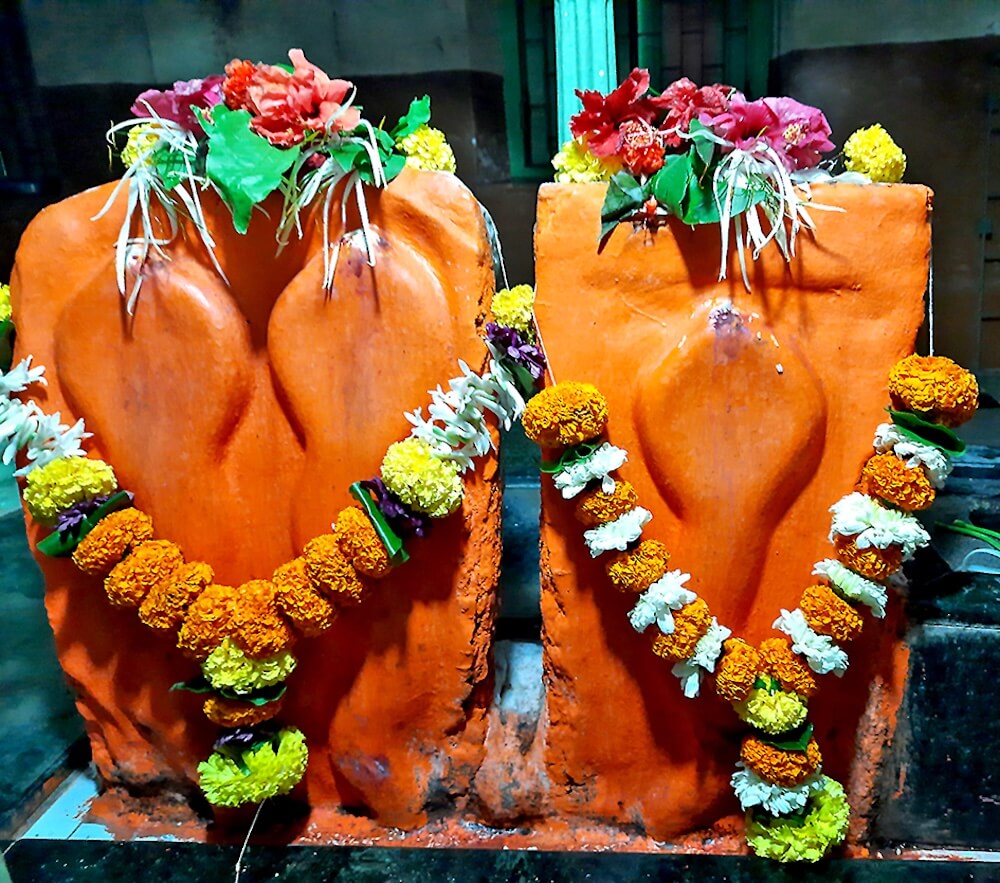
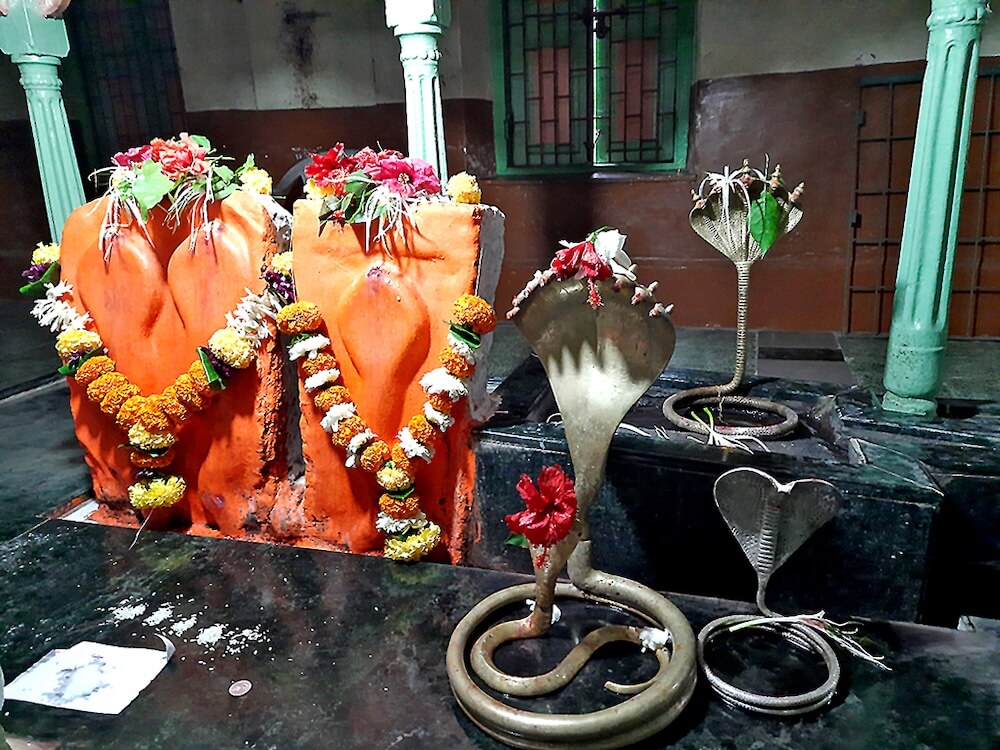
It is said that ever since Saint Nagoba came to reside in Awas, the situation in the village improved. The rains were plentiful, crops flourished, and diseases declined. After many years (at the age of one hundred), he decided to take Sanjeevan Samadhi here. Budhoba and Changoba followed the same path. Telling the villagers to dig a pit at the very spot where they were sitting, they announced that they would attain Samadhi there. After the pit was dug, Saint Nagoba and his two disciples entered into live Samadhi on seats made of Darbha grass. Saint Nagoba had already foretold what would happen after the Samadhi. He assured his devotees that three images of serpents would appear on wood at the Samadhi site, and those who worshiped these images would be permanently relieved of their sorrows and poverty. It is said that after some time, three wooden serpent images appeared on Nagoba’s Samadhi. Currently, these very images are worshipped in the temple.
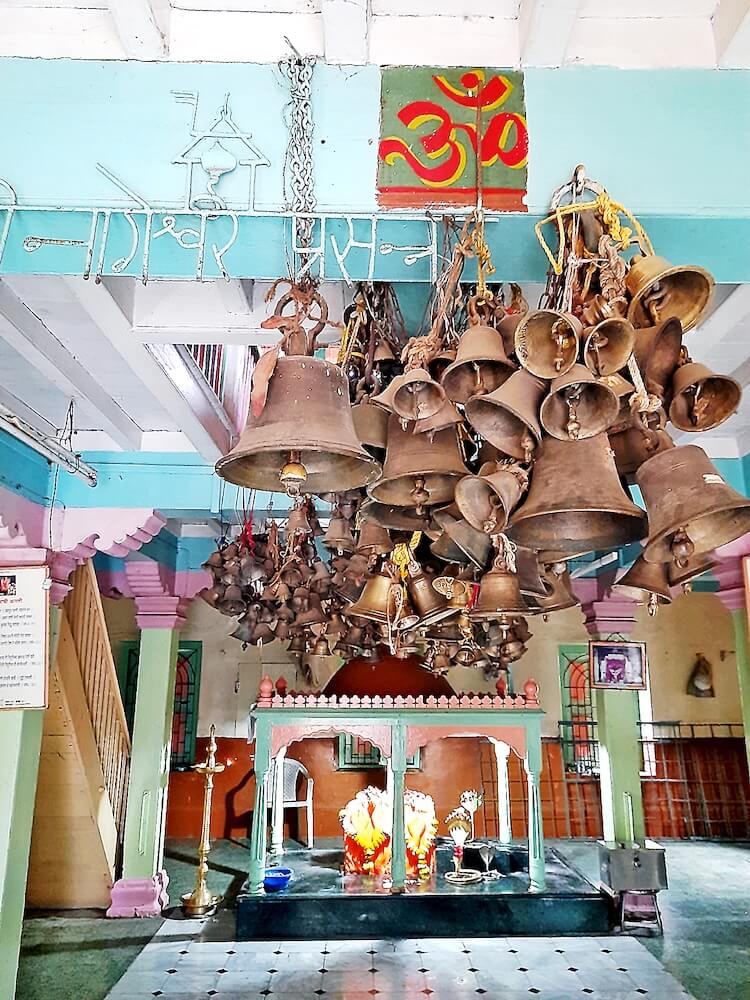
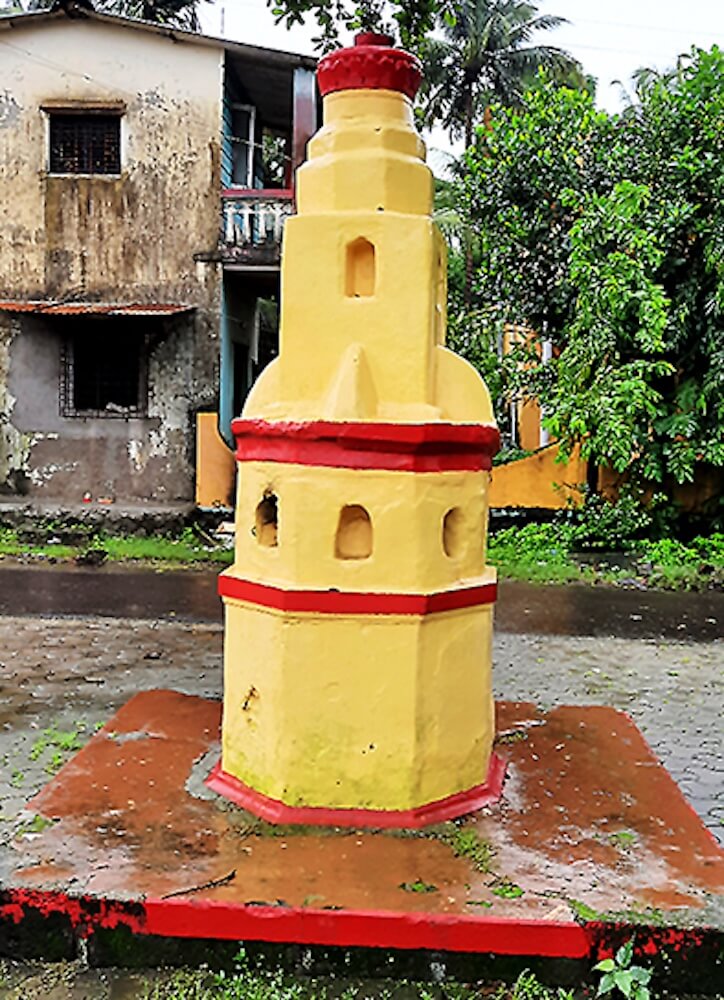
This tiled-roof temple stands on the exact spot where Saint Nagoba took Samadhi. In the courtyard in front of the temple stands a Deepmal (lamp pillar), and near the entrance is a Tulsi Vrindavan. One enters the temple hall through a simple doorway. Hundreds of brass bells of various sizes hang from the teak pillars of this hall. It is a tradition for devotees to offer brass bells upon the fulfillment of their vows. In the center of the hall is a rectangular platform; it is said that this is where Saint Nagoba took his Sanjeevan Samadhi. On the platform are the serpent idols of Nagoba, Bodhoba, and Changoba. It is believed that these are the very idols that appeared after the Samadhi, as foretold by the saints. To the left of these idols are metal serpent images. On the platform stands a six-pillared teak wood shrine topped with a spire. In earlier times, there was a small temple around the Samadhi. The first renovation of the temple took place in the years 1777-78. Balaji Sukhoji Raut, a devotee of Saint Nagoba, had the temple built here at his own expense. Later, in 1856, devotees collected funds for the second renovation of the temple. A marble plaque bearing the names of the donors who contributed at that time is still displayed on the temple wall. As per the wishes of Saint Nagoba, the Rane family of Awas holds the responsibility of performing rituals and managing the temple.
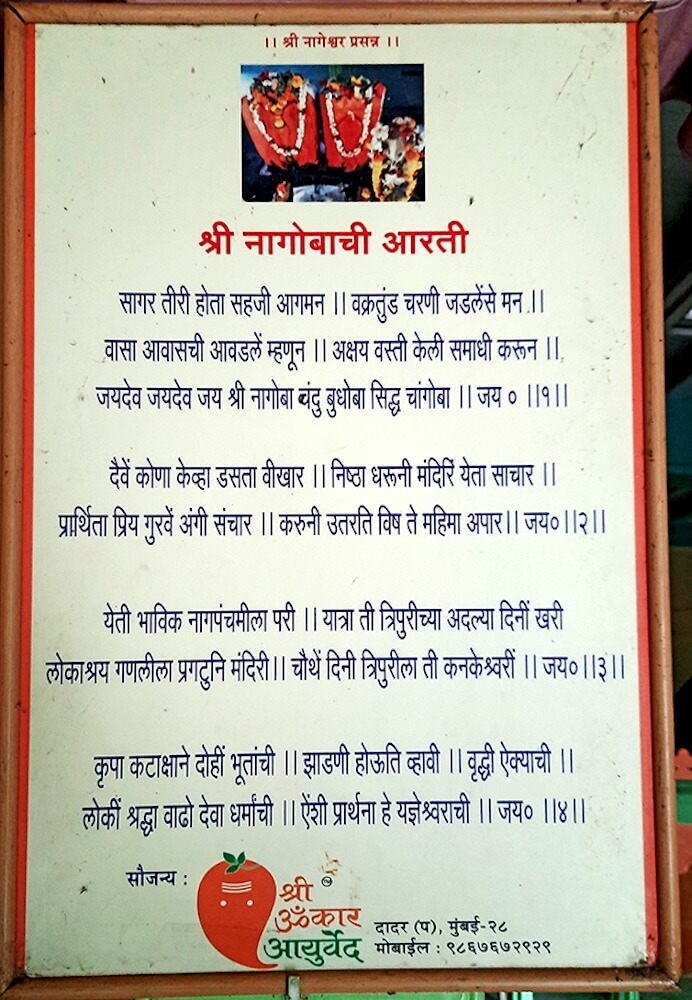
Saint Nagoba had expressed a wish that after he attained Samadhi, a Palkhi (palanquin) procession should be taken from here to Kankeshwar every year. That tradition is still followed today. The ‘Awasi Nageshwar Jatra’ is held here on Kartik Shuddha Trayodashi, the day the saints took Samadhi. Thousands of devotees come here on this day for Darshan and to fulfill their vows. On the next day, Chaturdashi, an impression of Nagoba is made and placed in the Palkhi. The Palkhi is carried through the village while chanting ‘Narayan, Narayan’ and is then taken to the Kankeshwar temple. There are countless devotees of Nagoba among the Koli, Agri, Kunbi, Bhandari, and Mali communities of Konkan. It is the firm belief of devotees that if a person suffering from a snakebite is brought here, the venom is neutralized, and the person recovers completely. The temple remains closed for Darshan daily from 1:30 in the afternoon until 4:00 in the evening.
This sacred temple stands as a testament to deep spiritual devotion, ancient architectural grandeur, and rich local cultural traditions.
The sanctum sanctorum houses the divine idol consecrated according to ancient Vedic traditions, surrounded by serene courtyards and traditional temple architecture.
Navratri, Maha Shivratri, Annual Temple Jatra & Deepotsav
Compare and book flights, secure top-rated local hotels near the temple, hire reliable guides, and rent cars instantly.
Extend your pilgrimage by visiting other highly sacred temples located nearby.


Add ₹999 more to unlock FREE SHIPPING!
Your sacred cart is currently empty.
Shop Photo FramesFill in your delivery details below to place your order.
Add comment