
Add ₹999 more to unlock FREE SHIPPING!
Your sacred cart is currently empty.
Shop Photo FramesLord Shiva is the supreme deity of the Shaiva sect, and devotees worship Him with profound reverence and devotion. Lord Shiva has numerous names. Serpents reside upon His body and are completely submissive to the Lord. Because of this, Lord Shiva is also addressed by names such as Nageshwar, the Lord of Serpents, or Nagnath. Among the twelve Jyotirlingas, the Aundha Nagnath Temple in Hingoli district and the Nageshwar Temple in the Darukavana near Dwarka in Gujarat are well-known. One such ancient temple of Nageshwar is situated on a hillock near the village of Chumbali in Patoda taluka.
Scholars are of the opinion that this temple likely belongs to the Yadava period, dating around the twelfth to thirteenth century. Observing the temple’s construction in the Hemadpanthi architectural style and the exquisite sculptural work on its pillars, it becomes evident that it is approximately seven to eight hundred years old. The legend associated with this temple is that in ancient times, this region was covered by a dense forest. Consequently, sages and ascetics would sit here for penance. In those days, demons ruled the forest. They created obstructions in the spiritual practices of the meditating sages and tormented them. To seek deliverance from this affliction, the sages worshiped Lord Shiva. With the assistance of the Nagasena (serpent army), Lord Shiva destroyed the demons and established Himself here in the form of a Linga for the welfare of His devotees. Later, a temple was built at this very spot.
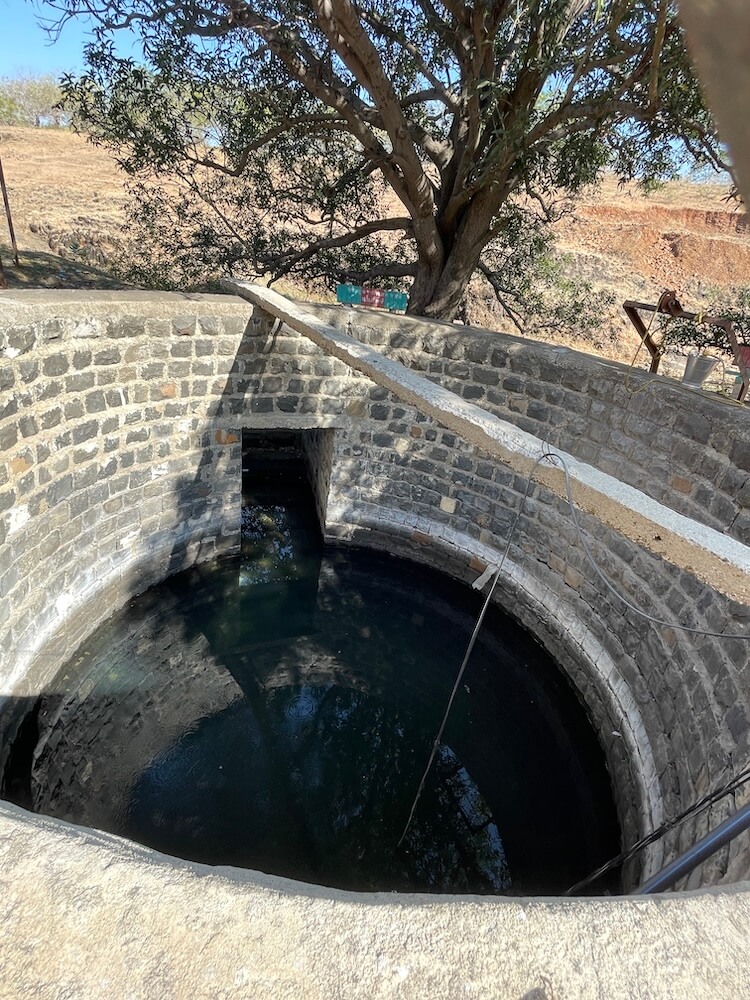
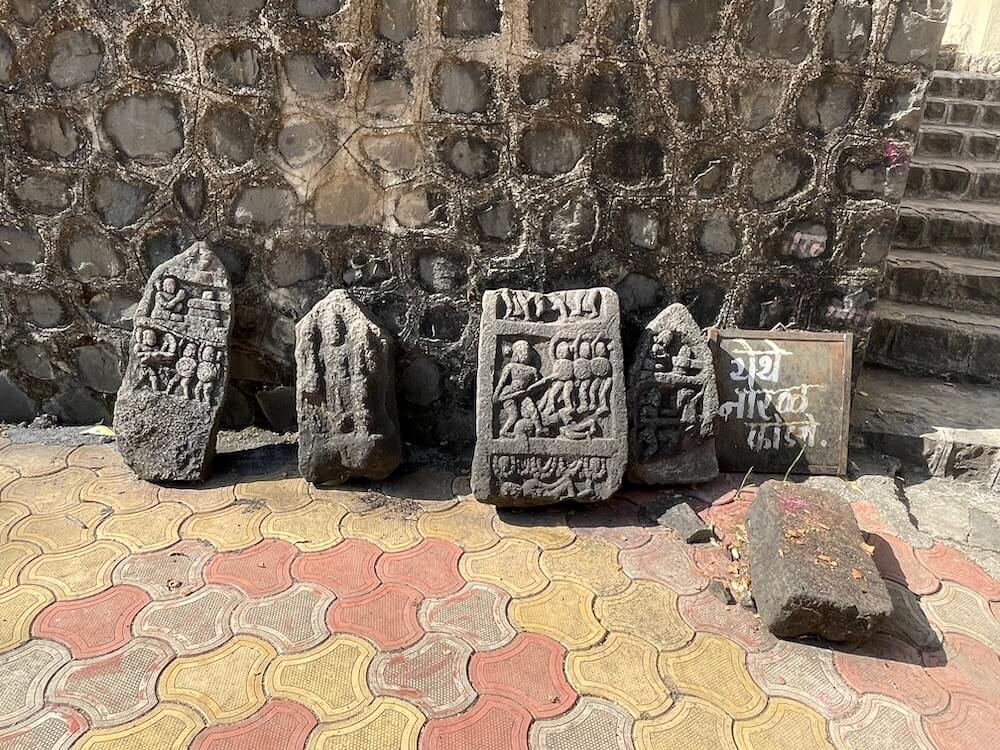
Situated at a distance of about one and a half to two kilometers from Chumbali village, this temple rests on a hilltop. In the paved courtyard laid with paver blocks, there are old trees with stone platforms built around them. On these platforms stand ancient memorial stones (Virgal), Sati stones, and other ancient sculptures. Within the courtyard lies an ancient well built from carved stones. The water reserve in this well is believed to be inexhaustible.
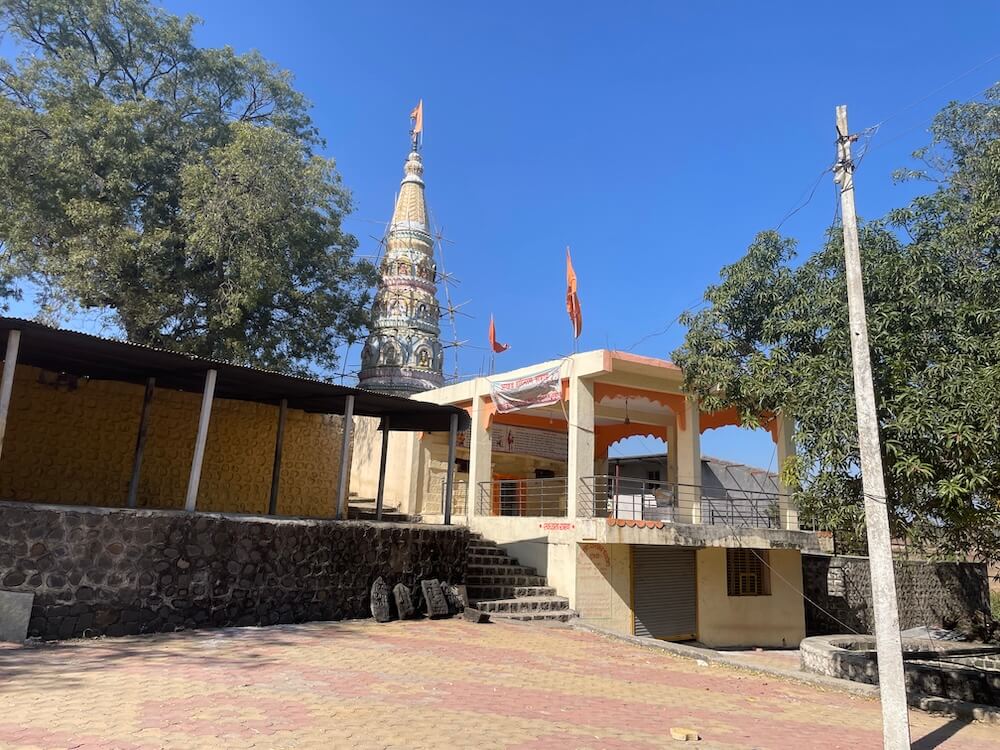
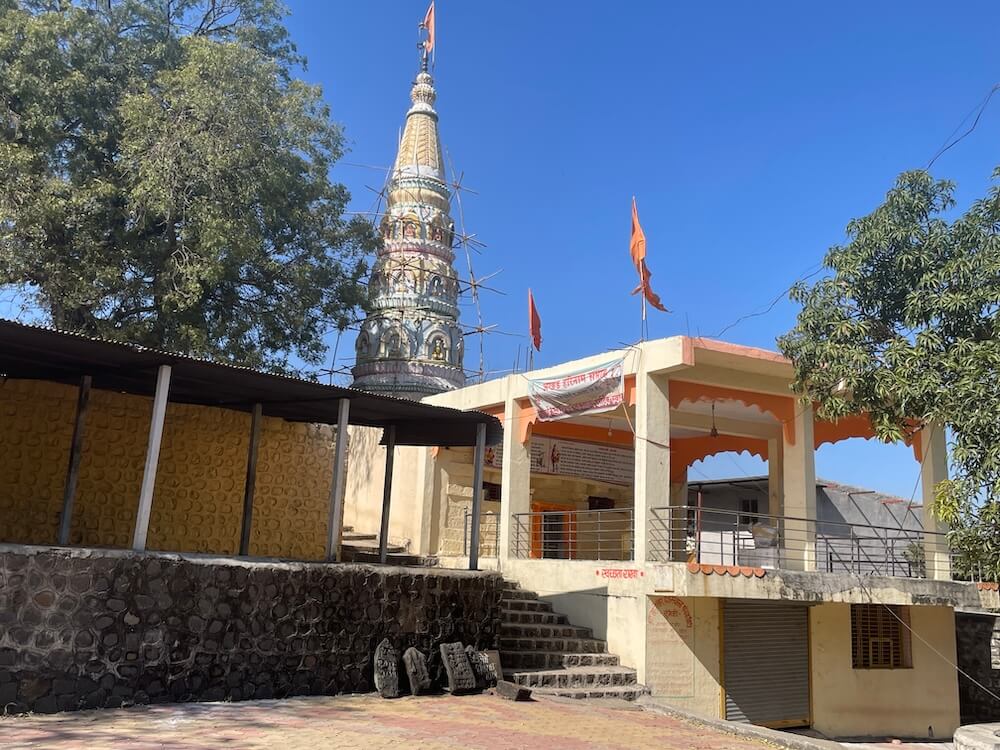
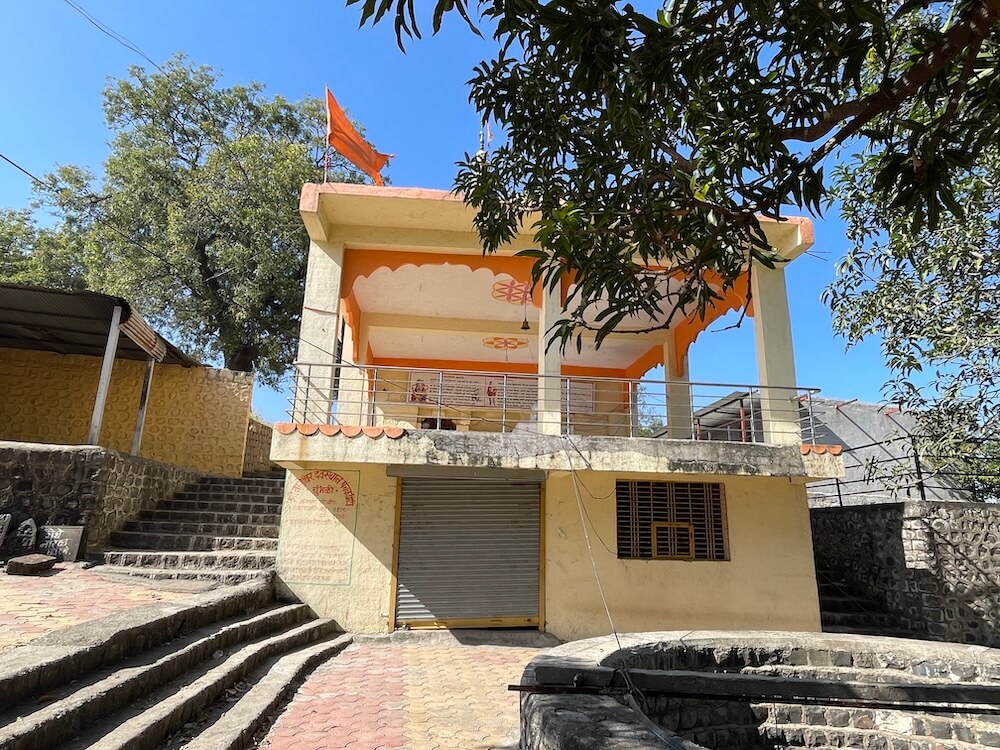
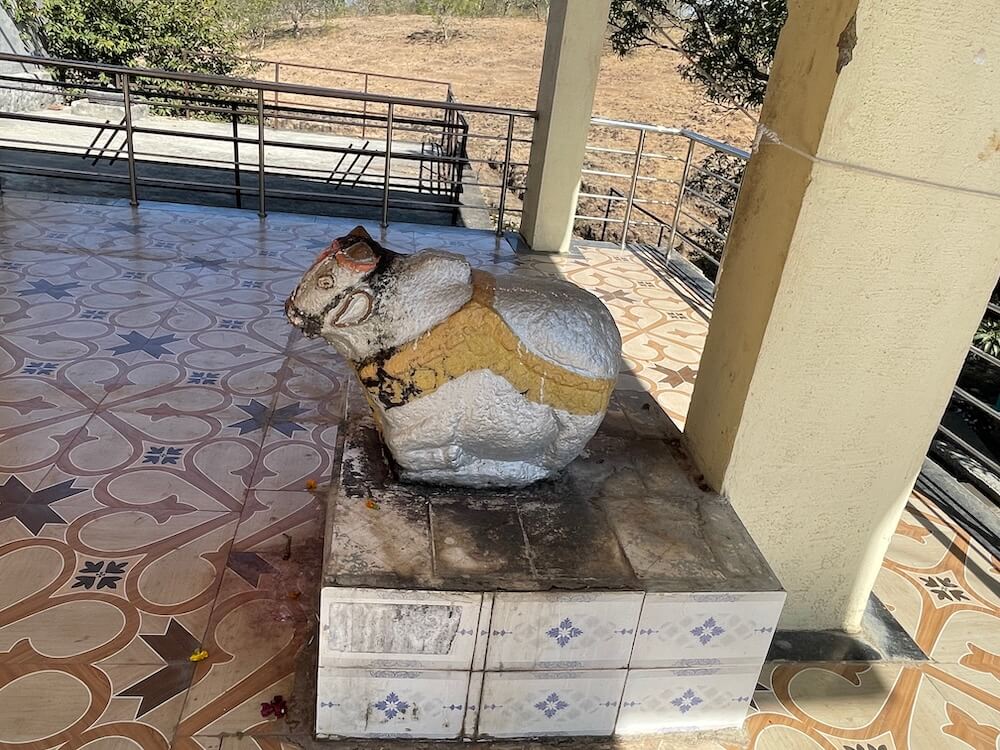
Since Lord Shiva’s temple stands on a higher level than the courtyard, devotees have to ascend about fifteen steps to go up. In front of the temple, which has the original architectural layout of a sabhamandapa (assembly hall), antarala (vestibule), and garbhagriha (sanctum sanctorum), a two-story building has been erected in recent times. The ground floor of this building houses the temple trust office, and the upper floor features the darshan mandapa. The darshan mandapa has seven square pillars on the outer sides, and the ceiling rests on the beams atop these pillars. In the darshan mandapa, upon a raised platform, is an idol of Nandi carved from black stone. Besides this, there is a tortoise sculpture in the center on the floor. Further ahead is the entrance to the sabhamandapa. This entrance is adorned with carved foliage bands (parnashakha), floral bands (pushpashakha), and pillar bands (stambhashakha), with the sculpture of Lord Ganesha on the lintel (lalatbimba). The entrance has latticed stainless steel shutters. In the enclosed sabhamandapa, there are four rows of four ornamented pillars each. The pillars along the outer sides are embedded into the walls. All the pillars stand on square pillar bases (stambhapada). In their shafts (stambhadanda), various geometric shapes such as squares, hexagons, octagons, and circles are visible. On the ceiling between every set of four pillars, circular motifs are carved. In the sabhamandapa, on both sides of the entrance to the garbhagriha, there are two devakoshtakas (niches) containing various divine idols. Windows have been provided in the sabhamandapa for light and ventilation.
Further ahead is the entrance to the antarala. Both sides of this entrance feature ornamented pillar bands. The lalatbimba bears the sculpture of Lord Ganesha. The antarala is somewhat narrow. Beyond it, positioned higher than the antarala, is the five-fold (panchashakhia) entrance of the garbhagriha. The entrance has a step adorned with foliage bands, floral bands, pillar bands, and indistinct human figure bands (narashakha). The lalatbimba features the sculpture of Lord Ganesha. In the center of the garbhagriha floor is the Shivlinga. A brass serpent holding a canopy is placed over this Shivlinga. A copper abhisheka vessel, which drips streams of water onto the Shivlinga, is suspended from the ceiling. Near the back wall of the garbhagriha, idols of Lord Shiva and Goddess Parvati are seated upon a vajrapitha (pedestal).
On the roof of the garbhagriha is a four-tiered circular shikhara (spire). In the lower three tiers of this shikhara, there are eight devakoshtakas each, containing idols of various deities. The fourth tier of the shikhara grows taller and tapers upward, featuring pillar decorations. Each tier of the shikhara is separated by a row of lotus petals (padmadalamandala). At the apex of the shikhara is the amalaka, surmounted by the kalasha (finial). In the temple courtyard, there are small, independent shrines dedicated to Lord Ganesha and Lord Hanuman. Due to a small check dam right next to the temple, an abundant water supply is available here during the monsoon. Residences for priests and attendants are located within the temple courtyard.
Mahashivratri is the main annual festival celebrated here with great enthusiasm. On the occasion of the yatra (fair), the divine chariot procession is taken out, circling the village. All the devotees participate in the rathotsava (chariot festival) amidst the beating of drums (dhol-tasha) and the showering of gulal (vermilion). Throughout the holy month of Shravana, the temple witnesses massive crowds of devotees. Festivals and celebrations such as Chaitra Padwa, Dasara, Diwali, Kartik Pournima, Kojagiri Pournima, and Nagpanchami are celebrated at the temple. Rituals like Kalsarp Shanti are also performed at this temple.
This sacred temple stands as a testament to deep spiritual devotion, ancient architectural grandeur, and rich local cultural traditions.
The sanctum sanctorum houses the divine idol consecrated according to ancient Vedic traditions, surrounded by serene courtyards and traditional temple architecture.
Navratri, Maha Shivratri, Annual Temple Jatra & Deepotsav
Compare and book flights, secure top-rated local hotels near the temple, hire reliable guides, and rent cars instantly.
Extend your pilgrimage by visiting other highly sacred temples located nearby.


Add ₹999 more to unlock FREE SHIPPING!
Your sacred cart is currently empty.
Shop Photo FramesFill in your delivery details below to place your order.
Add comment