
Add ₹999 more to unlock FREE SHIPPING!
Your sacred cart is currently empty.
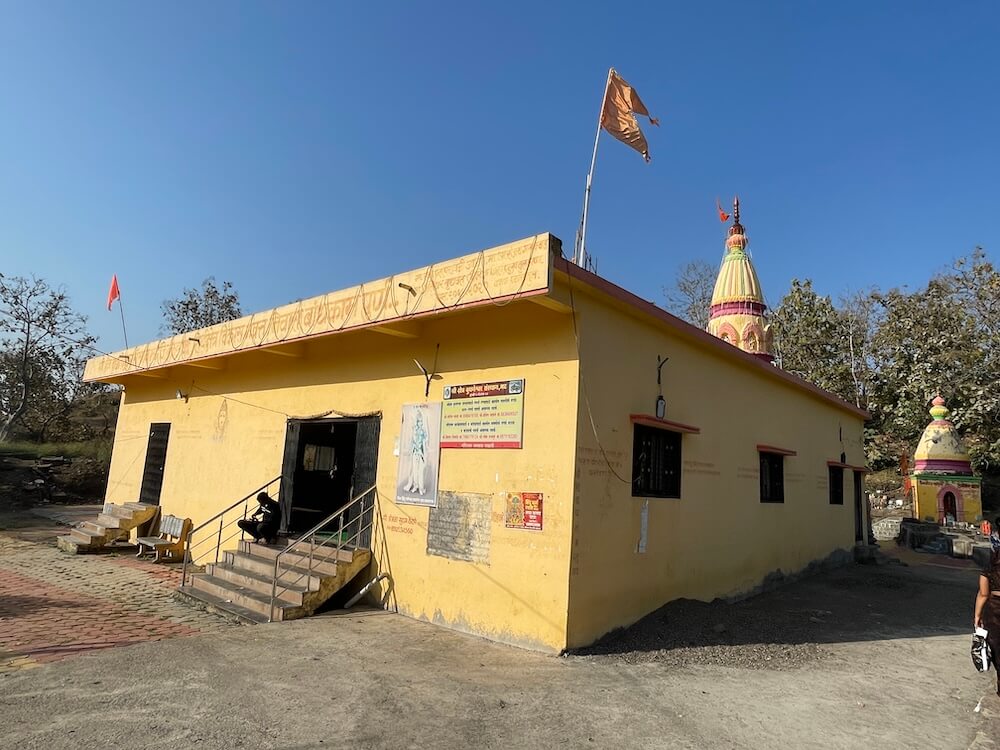
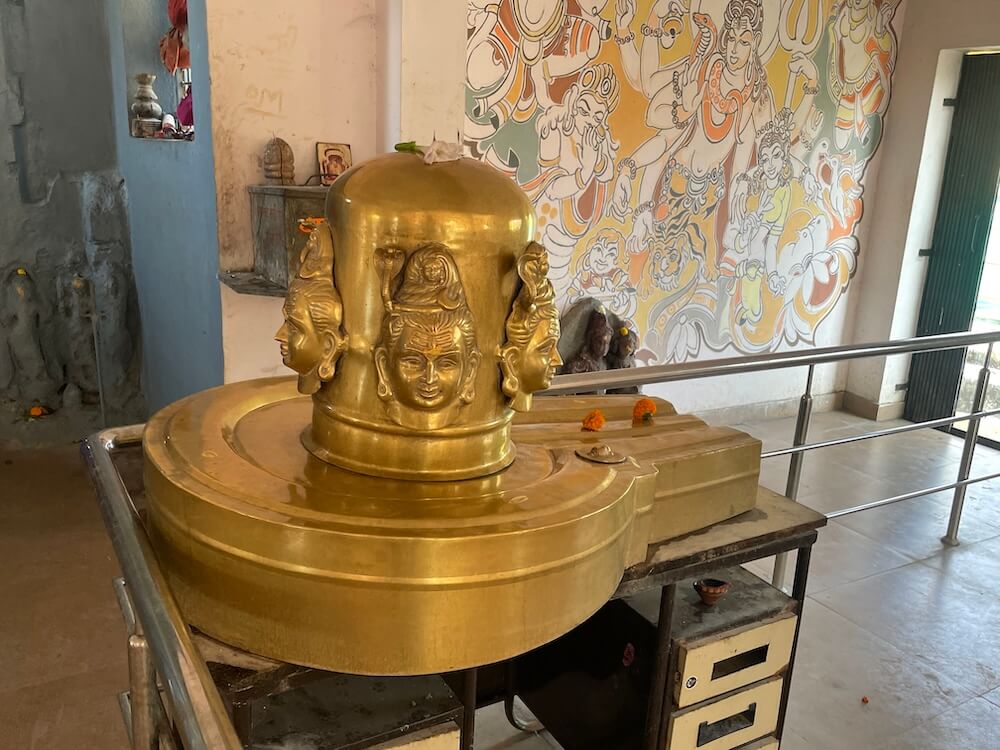
Shop Photo FramesNestled amidst the Ajanta mountain ranges and cradled by nature, the Budhneshwar Mahadev Mandir in Madh, Buldhana district, is renowned for its sacred significance. The origin of the Painganga River, the lifeline of Vidarbha, and a Shiva temple built in the Hemadpanti architectural style, are the main attractions of this area. According to ancient lore, the ‘Kundika Teerth’ was formed from the water spilled from Lord Brahma’s kamandalu, and the Panchmukhi Shivling here is a revered shrine for devotees from the surrounding region. This temple, which preserves a historical legacy dating back to approximately १६३९, has recently undergone renovation. Due to the immense faith of countless devotees in this temple, the State Government has honoured it by granting it the status of a ‘B’ class pilgrimage site. The origin of the Painganga River plays an invaluable role in the glory of the Budhneshwar Mandir. The Painganga River originates from a natural spring right beside this temple, at the foot of a small hill.
According to historical records, there was once a small lake here. Although it has since filled with silt over time, the flow of water at the source continues to be unbroken even today. The legend of this river states that once, while Lord Brahma was travelling over the Sahyadri mountains, His kamandalu slipped from His hand, and the water within it spilled into this region. A kund (pond) was formed where this water fell. It was named ‘Kundika Teerth,’ and this is considered the present-day source of the Painganga. The Painganga River, regarded as an important lifeline of Vidarbha, is the main tributary of the Wardha River. This ६७६-kilometre-long river begins its journey through picturesque mountain ranges. After originating, the Painganga River flows in a south-easterly direction. Its path passes through the southern parts of Buldhana and Akola districts. Further on, the river flows along the borders of Parbhani and Yavatmal districts. During its journey, many tributaries such as Kayadhu, Arunavati, Adan, Waghadhi, and Pus join it.
Consequently, the river basin has become extremely rich for irrigation. Agriculture and human life in the southern part of Vidarbha are heavily dependent on this river. The final stretch of the river falls within Yavatmal district. Near a place called ‘Jugad’ in Wani taluka of Yavatmal, the Painganga River merges with the Wardha River. After this confluence, the combined water flow continues southwards. It is estimated from the inscriptions here that the Budhneshwar Mahadev Mandir, located at the source of this river, might have been built in १६३९. This temple, constructed in the Hemadpanti architectural style, was renovated a few years ago. During the renovation, the old sabhamandap (assembly hall) of the temple was removed, but the ancient form of the garbhagriha (sanctum sanctorum) was preserved. In front of the temple, there is a courtyard paved with paver blocks. Here, some remnants of the stone pillars of the original ancient temple can still be seen today. In this courtyard, there are ancient idols of various deities, including Ganesha. The temple is structured with a sabhamandap and a garbhagriha.
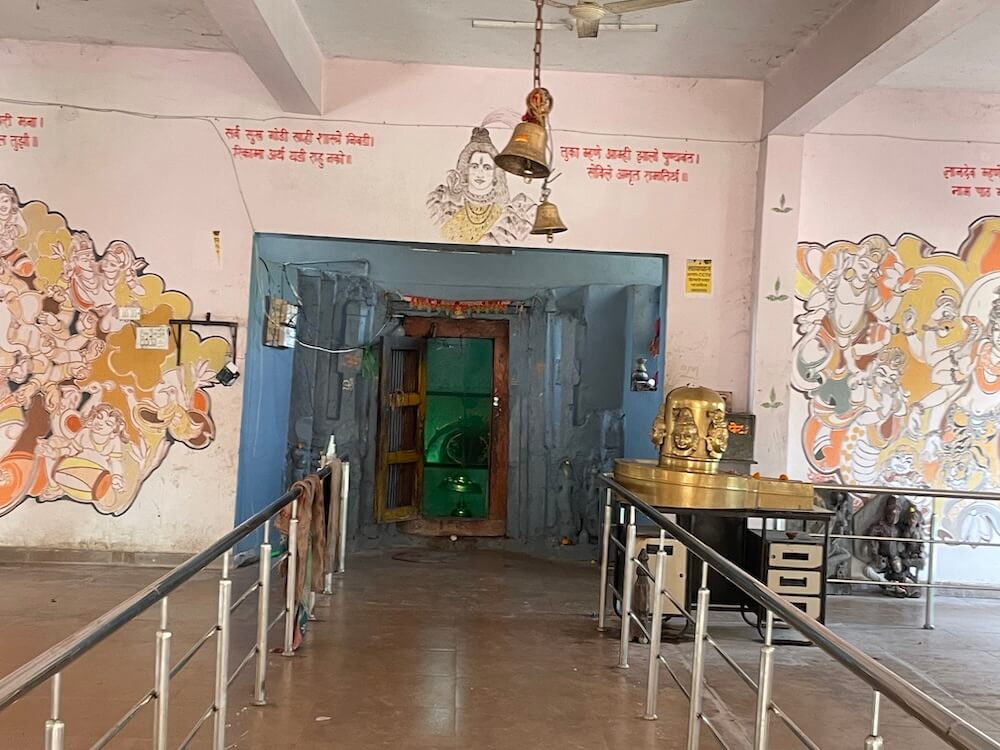
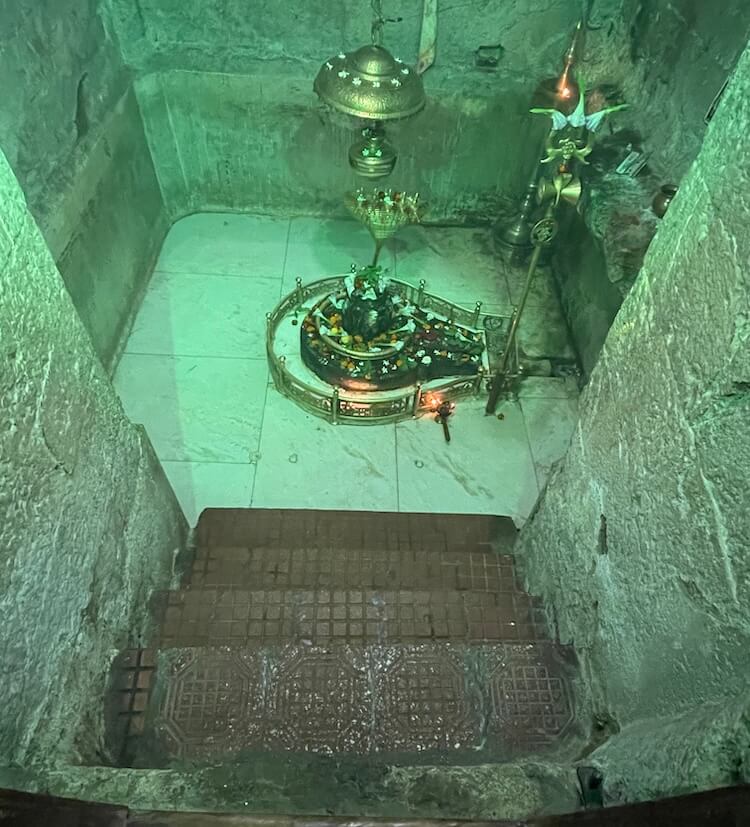
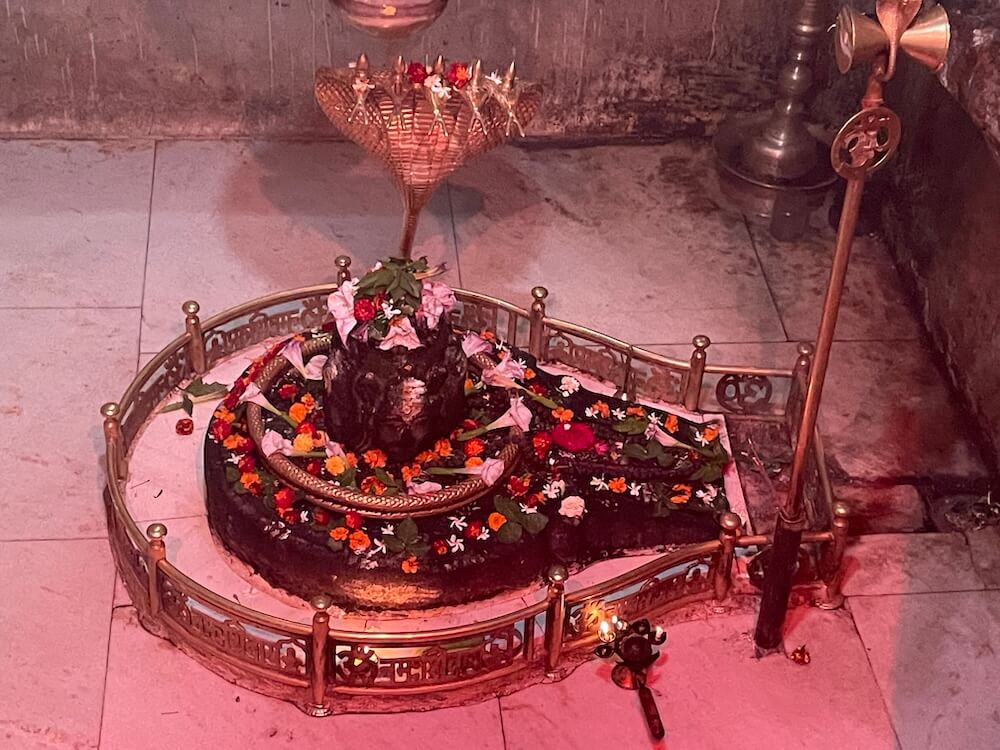
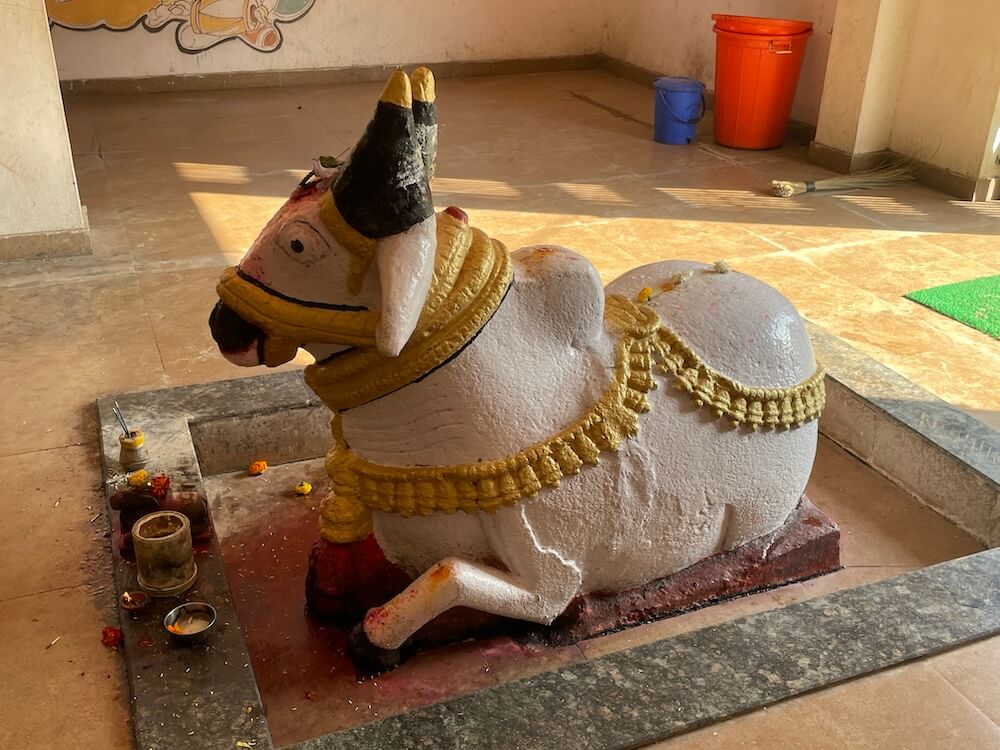
From the courtyard, one ascends six steps to enter the sabhamandap of this temple, which is elevated from the ground. In the sabhamandap, arrangements for a darshan queue are made for the convenience of devotees. Near the entrance of this sabhamandap, there is a large idol of Nandi carved from a single stone. Many mythological scenes are depicted on the walls here. To the right of the garbhagriha entrance, there is an ancient idol of Shivshankar performing the Tandava dance. Near this idol are idols of Shiva and Parvati. On the lower parts of the doorframes of the garbhagriha, dwarpal (gatekeeper) sculptures are carved. From the sabhamandap, one descends five steps to enter the garbhagriha, which is somewhat lower. In this stone-built garbhagriha, at the centre of a large shaalunka (base), is the Panchmukhi Shivling of Budhneshwar Mahadev. A serpent holds a canopy over it. From the galantika (water-dripping vessel) in the upper part, Abhishek (ritual bathing) is performed on the pindi. Regarding the name ‘Budhneshwar’ for this Mahadev, it is said that in the local dialect, ‘Budhane’ means ‘to disappear in water.’ Since the original Shivling in this temple was found submerged in the kund at the source, it was named Budhneshwar.
Behind the temple is an ancient kund built of stone. A few steps from here is the source of the Painganga River. In the small Hanuman temple here, there is a vermilion-smeared idol of Maruti. Near this idol, a mesh has been installed over a small kund built near the river’s source. Water collects in a large stone kund beside this small kund. From there, the Painganga River flows onward. Some ancient idols have also been placed near this kund and near the Hanuman temple.
Mahashivratri is the most important festival here, and on this day, devotees from all over Vidarbha and Khandesh come here for darshan. On this day, bathing at the source of the Painganga is considered extremely meritorious. On Shravani Mondays, special Abhishek and Kavadi Yatra are organised here. At some distance from this temple is ‘Jalicha Dev,’ a sacred pilgrimage site for followers of the Mahanubhava sect.
This sacred temple stands as a testament to deep spiritual devotion, ancient architectural grandeur, and rich local cultural traditions.
The sanctum sanctorum houses the divine idol consecrated according to ancient Vedic traditions, surrounded by serene courtyards and traditional temple architecture.
Navratri, Maha Shivratri, Annual Temple Jatra & Deepotsav
Compare and book flights, secure top-rated local hotels near the temple, hire reliable guides, and rent cars instantly.
Extend your pilgrimage by visiting other highly sacred temples located nearby.


Add ₹999 more to unlock FREE SHIPPING!
Your sacred cart is currently empty.
Shop Photo FramesFill in your delivery details below to place your order.
Add comment