
Add ₹999 more to unlock FREE SHIPPING!
Your sacred cart is currently empty.
Shop Photo FramesSituated at the sacred confluence of the Purna and Vishwaganga rivers in Vidarbha, the Dhupeshwar Mahadev Temple in Harsoda is a revered place of faith for thousands of devotees. Mentioned in the Varaha Purana and Payoshni Mahatmya, this holy site is associated with divine legends of Lord Rama’s stay during his exile and the Shivlinga established by Him. The temple came to be known as ‘Dhupeshwar’ because the 16th-century saint Madhvamuni used to offer daily incense (dhoop) to this Shivlinga. It is believed that this holy pilgrimage site has been sanctified by the long penance of great Siddha purushas like Vitthal Lahari Maharaj and Rambhau Maharaj.
Along the banks of the Purna River stand ancient temples of Lord Shiva, including Dhupeshwar Mahadev (Harsoda, Tal. Malkapur, Buldhana), Vangeshwar Mahadev (Telhara, Buldhana), and Lingeshwar Mahadev (Bhon, Tal. Sangrampur, Buldhana). Among these, many legends surround the Shivlinga of Dhupeshwar Mahadev. In ancient times, when a severe flood hit the Payoshni River, many sages and saints began to be swept away in the currents. During that crisis, they prayed fervently to Lord Shiva. Wherever these sages washed ashore on the riverbanks, they established Shivlingas. According to this, a reference to Saint Madhvamuni consecrating the Shivlinga of Dhupeshwar Mahadev at Harsoda is found in the ‘Central Provinces and Berar District Gazetteers – Akola District, Volume A’ (1910).
According to locals, this region was once part of the Dandakaranya forest. During his exile, Lord Rama arrived here and consecrated a Shivlinga made of sand. According to another legend, Lord Rama, along with Mother Sita and brother Lakshmana, came here after staying at the Koteshwar Mahadev Temple located a few kilometers away, where he took his morning meal. This reference is found in the sacred text ‘Sarasar Vichar’ written by Saint Madhvamuni. Madhvamuni, who authored this text in the 16th-17th century, resided in the premises of the Datta Temple at Kolegaon. He used to perform Aarti and offer incense (dhoop) to the ancient Shivlinga here, giving rise to the legend that the temple derived its name Dhupeshwar Mahadev Temple from this sacred custom. Many years ago, a saint named Kisanbharati Maharaj served Lord Shiva at this holy place. In course of time, a young cowherd boy who used to come here to graze cattle discovered the ancient Shivlinga hidden in the forest. Inspired by the divine darshan, he renounced worldly life and dedicated his entire life to the service of Lord Shiva. He later became renowned as Vitthal Lahari Maharaj. Through his intense spiritual penance (sadhana) and selfless service to Lord Shiva, Vitthal Lahari Maharaj attained many divine powers (siddhis) and performed numerous miracles (leelas) here. It is said that he carried out the initial restoration of this temple. In 1946, he took Sanjeevan Samadhi here.
After him, Rambhau Maharaj arrived at this holy land. He was born on 15 February 1923. Before coming here, Rambhau Maharaj suffered from a severe illness that caused his abdomen to swell while his limbs grew frail. Numerous treatments failed to cure his ailment. On the advice of Parottar Maharaj, who resided at Parso in Akola, he came here. After serving the Shivlinga with heartfelt devotion, his illness was cured. Subsequently, through his spiritual penances performed here, he attained spiritual powers and performed many divine miracles (leelas). Once, when milk was unavailable for prasadam, he asked a devotee to bring a glass of water from the riverbed and then miraculously transformed the water into milk. Among his many divine acts, he also fed green fodder to the idol of Nandi. He guided many individuals away from addiction, and through his grace, saved numerous families from ruin. He passed away on 27 July 2014. His Samadhi shrine is also located within the temple premises. Biographies based on the lives of Vitthal Lahari Maharaj and Rambhau Maharaj were written by a follower named Jhade. A few years ago, the temple was renovated anew, during which a new Shivpindi was consecrated in place of the sand Shivlinga.
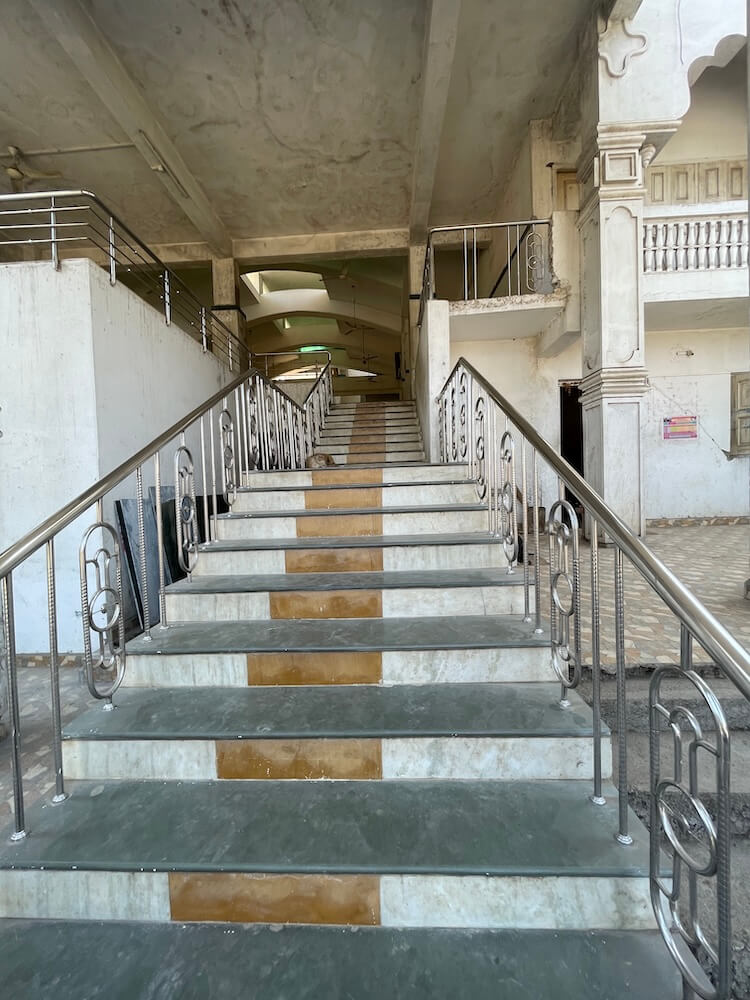
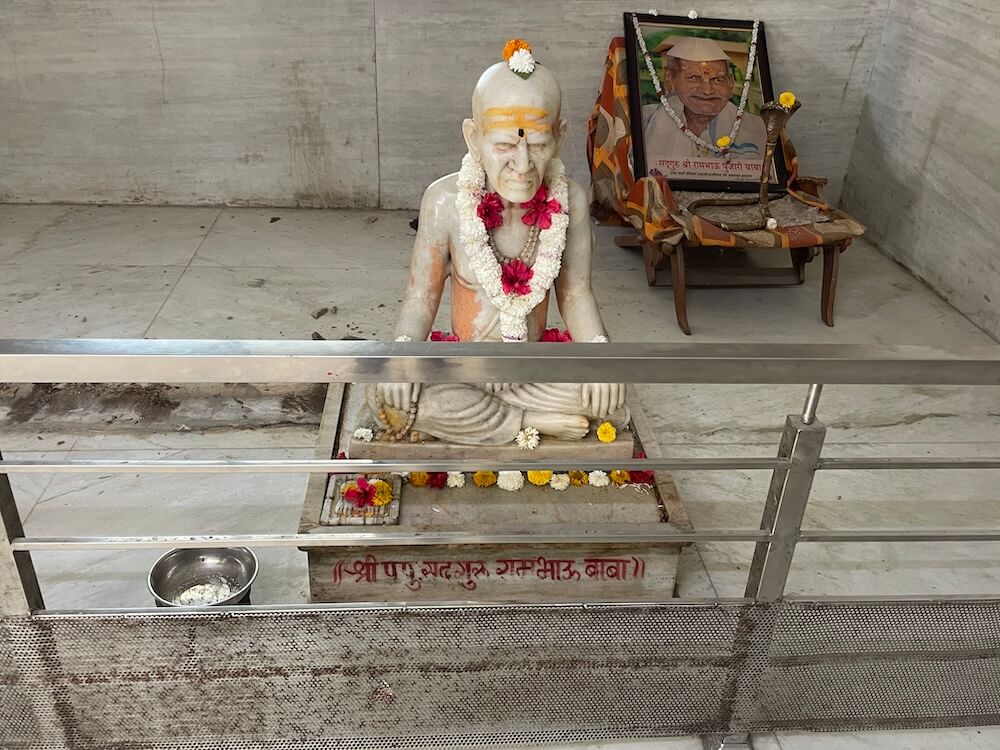
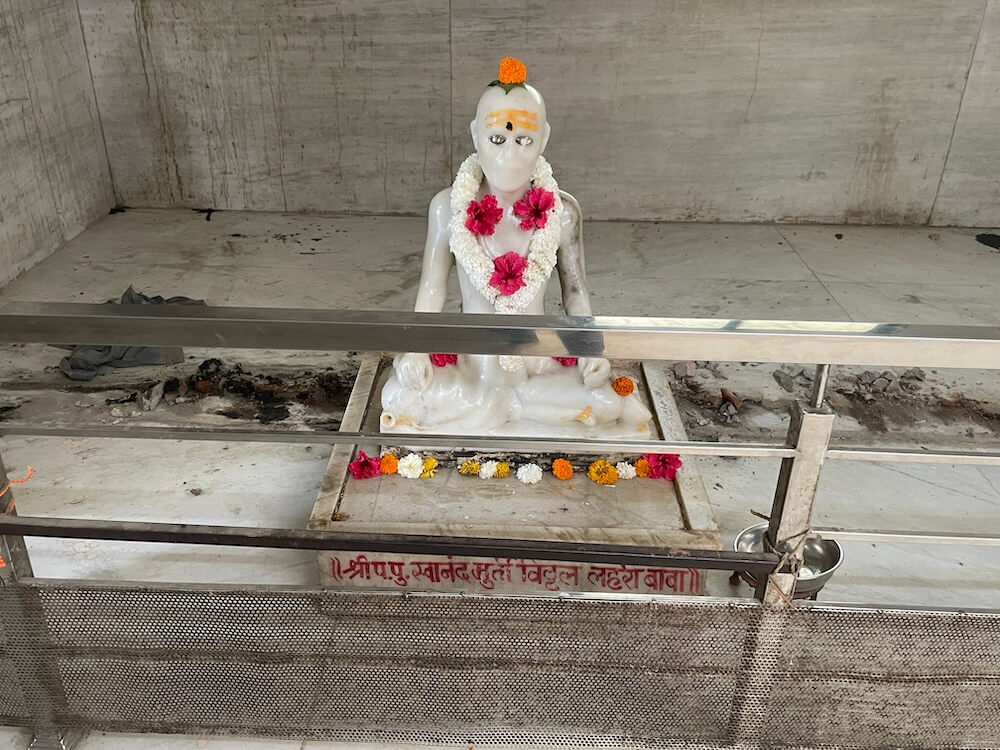
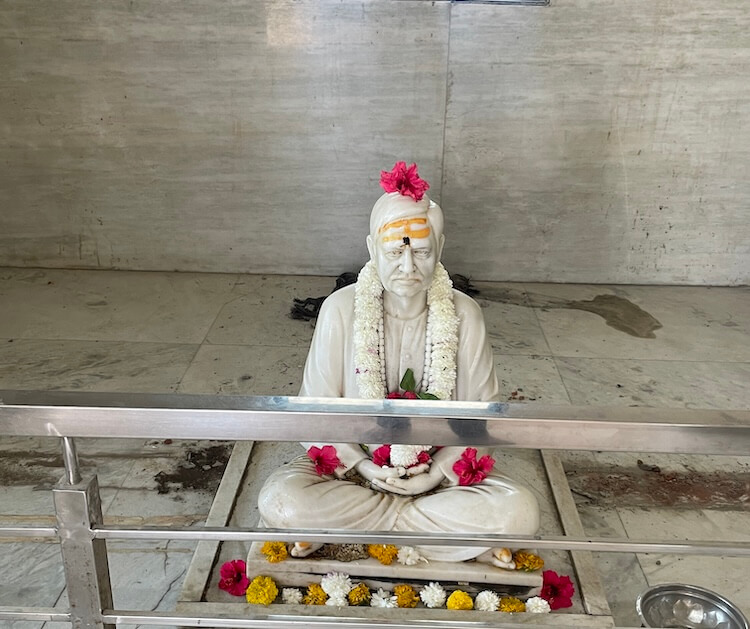
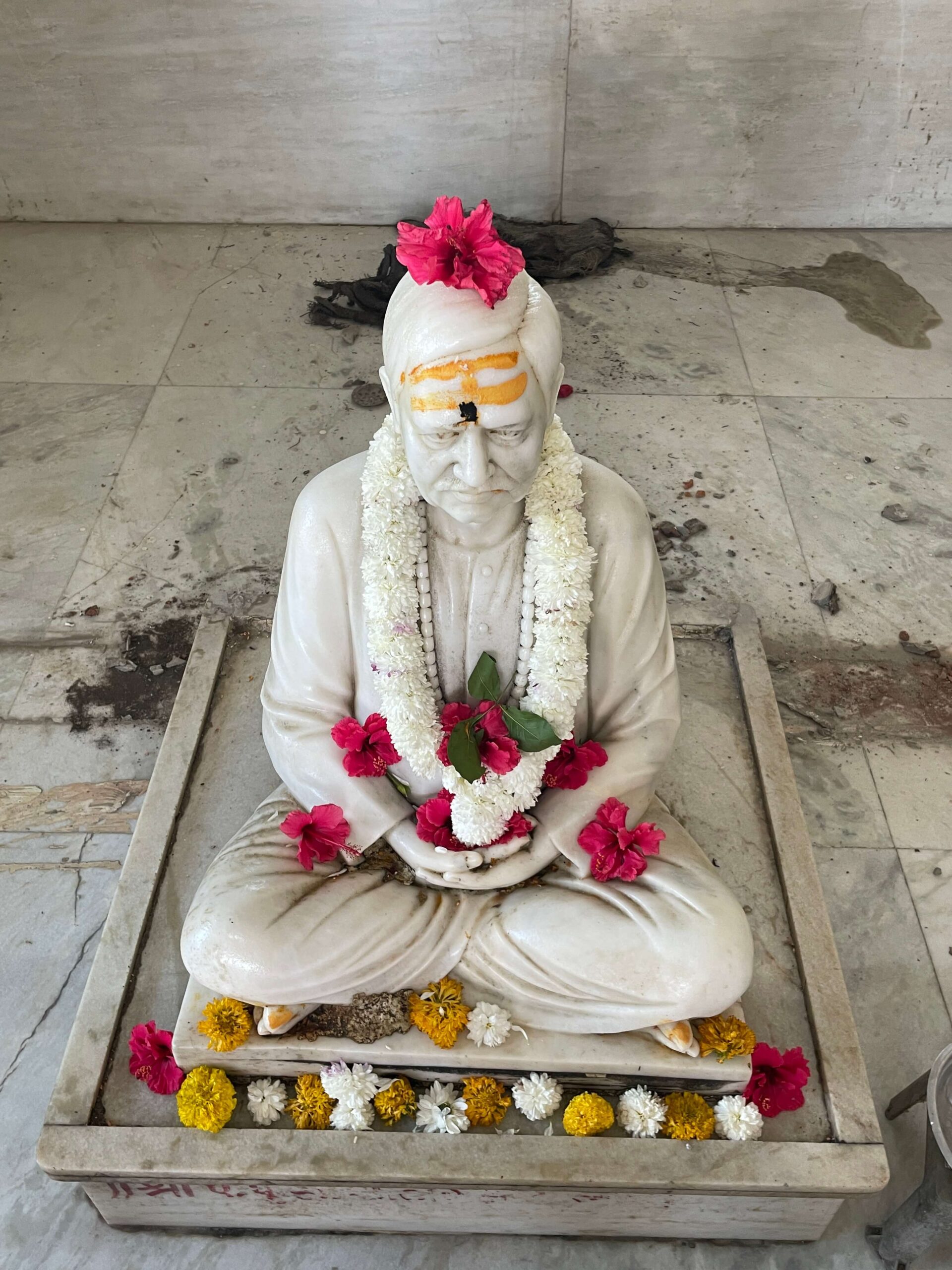
Harsoda, a village situated on the border of Malkapur taluka, was rehabilitated earlier due to a dam project. As noted in the government gazetteer, there are currently two villages: Old and New Harsoda. The Dhupeshwar bridge in the village connects Khandesh and Vidarbha. Situated on the banks of the Payoshni River, this two-story temple is constructed using marble. The surrounding premises house shops selling flowers and offerings (prasad). There are two entrance gates facing East and North to enter the temple. The architecture of the temple comprises a Sabhamandap (assembly hall) and a Garbhagriha (sanctum sanctorum). Entering through the main entrance, steps on both sides lead up to the Sabhamandap. In the Sabhamandap, there is an idol of Nandi and a tall Shivlinga. Opposite it lies the octagonal Garbhagriha of Dhupeshwar Mahadev. Inside the sanctum, the Shivlinga rests in a tall Shalunka (pedestal). The niches (devakoshtakas) in the sanctum house idols of Lord Ganesha, Goddess Saraswati, and Lord Dattatreya. Behind the Shivpindi is a Panchadhatu (five-metal alloy) idol of Nagdevta. Within the Sabhamandap stand marble idols of Vitthal Lahari Maharaj and Rambhau Maharaj. Nearby is the idol of Shantaramji Joshi, a disciple of Rambhau Maharaj. An idol of Namdev Maharaj, who served in this temple, is also present within the structure.
In one section of the Sabhamandap, portraits of Vitthal Lahari Maharaj and Rambhau Maharaj are placed, along with the sacred Padukas (footwear) of Vitthal Lahari Maharaj. Within the temple premise, there is also a rest chamber of Rambhau Maharaj, where devotees can take darshan of his seat (gadi), original photograph, and padukas. The garments and other personal belongings used by him are preserved here. The Samadhi shrine of Rambhau Maharaj is located a short distance from the temple.
Numerous devotees visit this temple for darshan. Free food offerings (annadanam) are provided to devotees by the temple management as well as contributed by noble devotees. Mahashivratri is the grandest festival celebrated here, attracting a vast gathering of devotees throughout the day. On this auspicious day, around twenty quintals of faral (fasting food) are distributed. Various spiritual programs are also organized here on the occasion of the death anniversaries (punyatithi) of Vitthal Lahari Maharaj and Rambhau Maharaj. Many devotees also perform the first haircut ceremony (jawal) for their children at this sacred site.
This sacred temple stands as a testament to deep spiritual devotion, ancient architectural grandeur, and rich local cultural traditions.
The sanctum sanctorum houses the divine idol consecrated according to ancient Vedic traditions, surrounded by serene courtyards and traditional temple architecture.

Navratri, Maha Shivratri, Annual Temple Jatra & Deepotsav
Compare and book flights, secure top-rated local hotels near the temple, hire reliable guides, and rent cars instantly.
Extend your pilgrimage by visiting other highly sacred temples located nearby.


Add ₹999 more to unlock FREE SHIPPING!
Your sacred cart is currently empty.
Shop Photo FramesFill in your delivery details below to place your order.
Add comment