
Add ₹999 more to unlock FREE SHIPPING!
Your sacred cart is currently empty.
Shop Photo FramesMhasoba is a Kshetrapal (guardian deity) worshipped not only in Maharashtra but also in parts of Karnataka, Gujarat, Andhra Pradesh, and Madhya Pradesh. It is believed that Mhasoba is Mahishasura. The name ‘Mahishoba’ was derived by adding the honorific suffix ‘ba’ to the word ‘Mahisha’, which later evolved into the colloquial form ‘Mhasoba’. Originally an non-Aryan deity, temples of Mhasoba are found in villages as a folk deity or village deity (Gramadevata). Mhasoba is the presiding village deity of Sillod Taluka, and the Mhasoba Maharaj Temple here is approximately 700 years old.
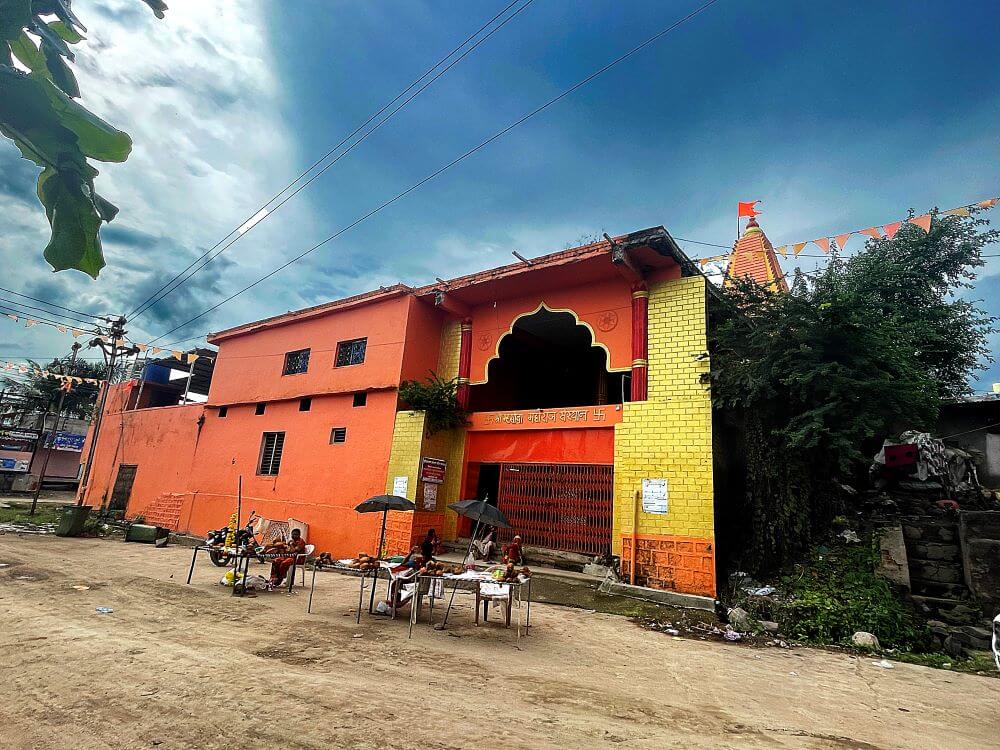
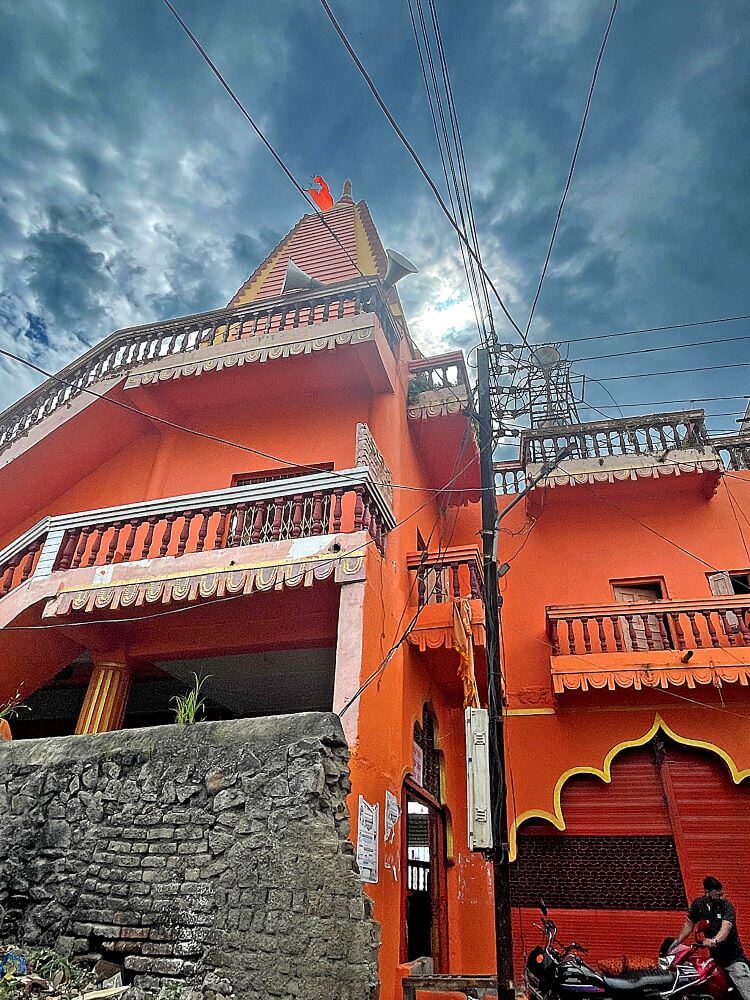
Devotees from various parts of the state come here for darshan. A grand fair (yatra) is held here on the occasion of the deity’s annual festival in the month of Chaitra. About 1.5 to 2 lakh devotees attend this fair. On the Chhatrapati Sambhajinagar to Sillod road, the arch of the Mhasoba Maharaj Temple is visible. One can reach the temple directly through this arch. The structure of this two-story temple resembles an old mansion (wada) at first glance. The temple has two entrances. One can reach the assembly hall (sabhamandap) on the first floor by climbing a few stairs from the southern entrance, while the northern entrance leads directly into the sabhamandap. The open sabhamandap here has many pillars. The temple’s spire (shikhara) is located over the sabhamandap rather than the sanctum sanctorum (garbhagriha). It is said that no roof can be built over the idol of Mhasoba Maharaj here.
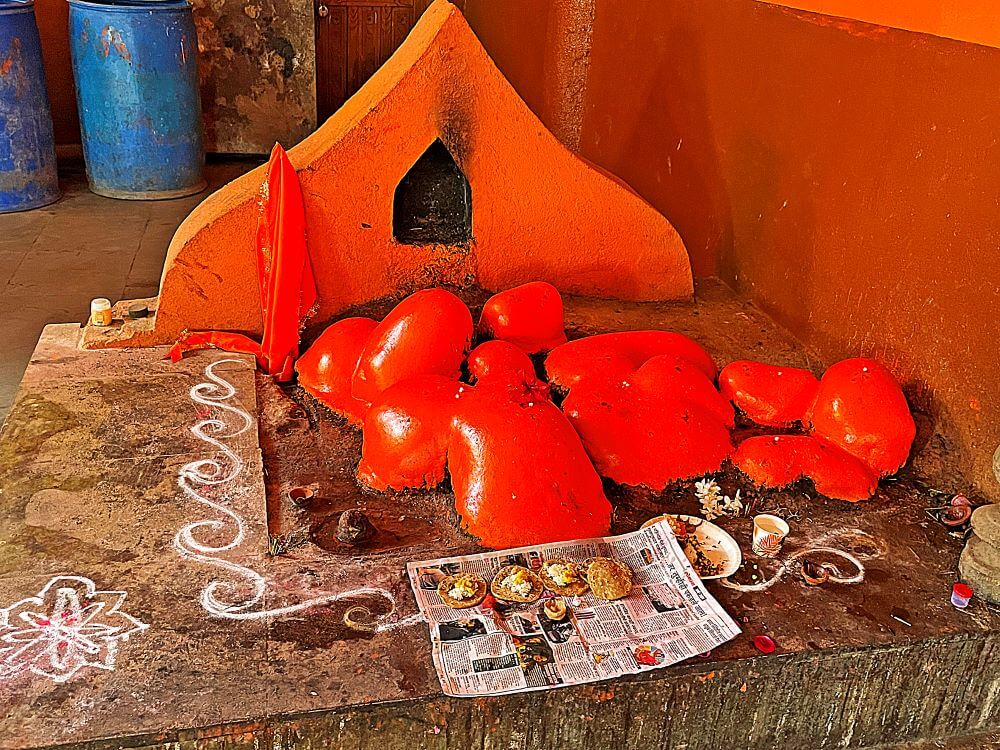
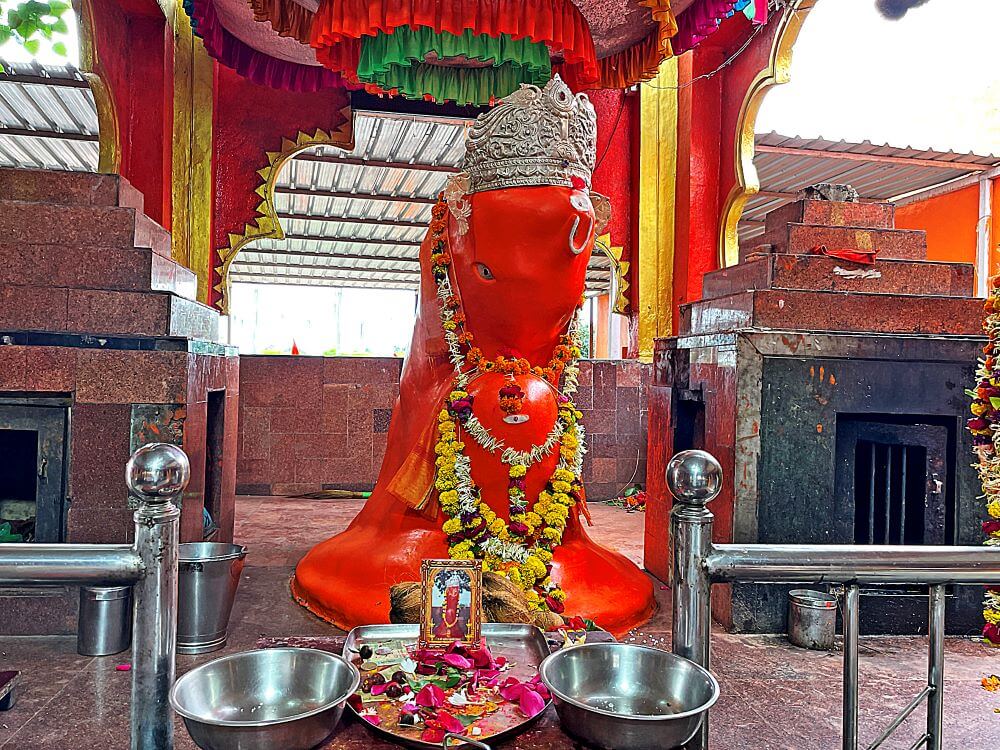
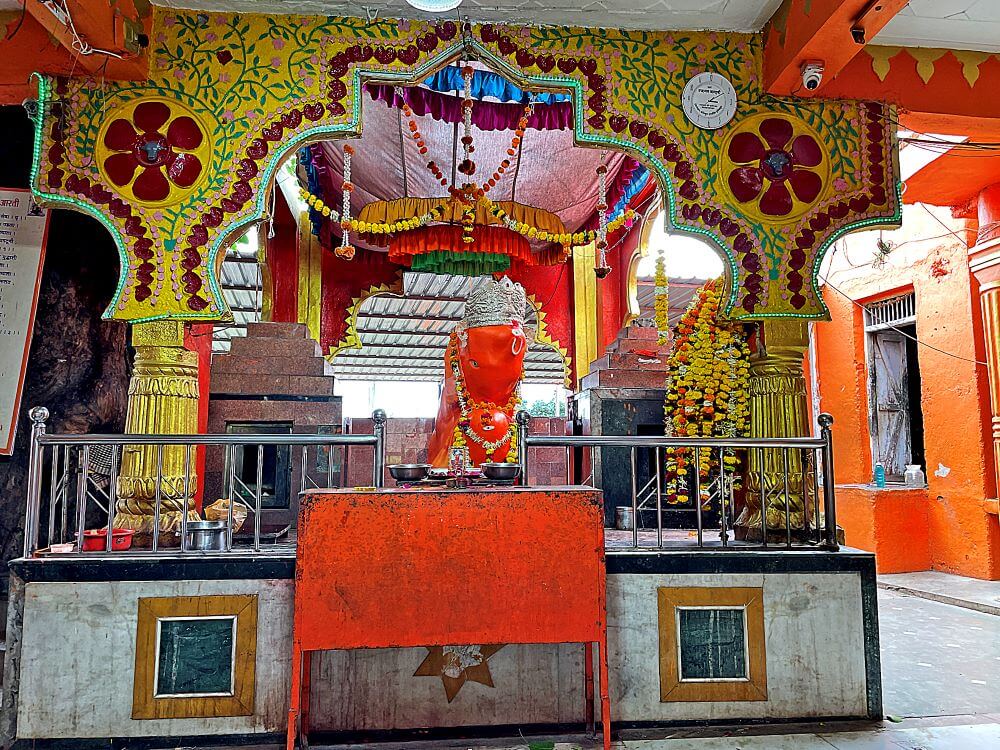
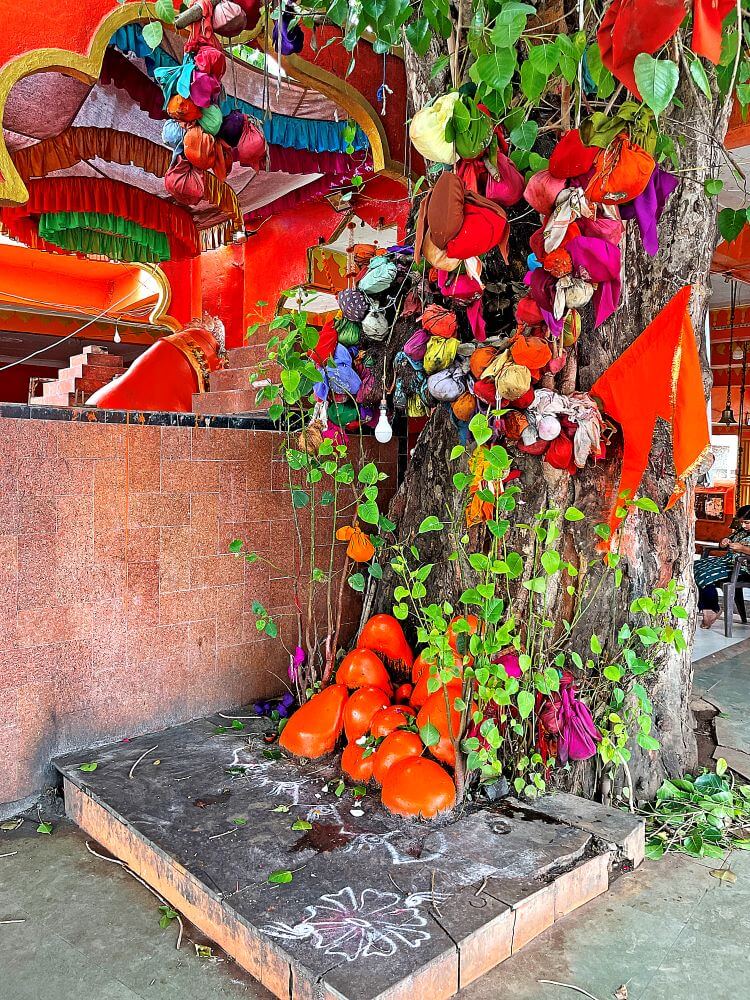
There are six steps to enter the sanctum, which is situated at a slight elevation from the sabhamandap. The sanctum here is a marble Vajrapitha, or the deity’s platform, located next to a neem tree. The four pillars on this platform are connected by arch-like intricate carvings. There are beautiful floral and vine carvings on these arched walls. In the center of the platform is the sindoor-anointed, stone-shaped (tandala) idol of Mhasoba Maharaj. The crown and eyes of this idol are made of silver. Behind the sanctum, under the tree, there are other small stone-shaped idols of various deities. Devotees can visit the temple and have darshan of Mhasoba Maharaj daily from 7:00 AM to 9:00 PM.
There are many Mhasoba Maharaj shrines across the state, and the Mhasoba temple at Mhasa in Murbad Taluka of Thane district is considered significant. Similarly, this folk deity’s shrine in Sillod is also famous. This is mentioned in the Aarti of Mhasoba Maharaj, which states: ‘Maroti tulya gavogavi | Mhasoba ahe sarva thayi | Parantu ek Shivnitapurat | Sthan prakhyat’ (Like Maruti in every village, Mhasoba is everywhere, but his place in Shivnitapur is renowned). The ancient name of Sillod was Shivnitapur.
According to popular belief, Mhasoba is the lord of spirits and possesses power equal to Vetalbaba. In Vidarbha, there is a tradition of installing Mhasoba before starting an oil mill, with the belief that doing so yields more oil. A mythological legend regarding Mhasoba states that Mahishasura was the son of the demon king Rambha and a buffalo. He performed severe penance and pleased Lord Brahma. He received a boon that he would not be killed by any god, demon, or man. Becoming arrogant, he waged war against the gods. Defeated, the gods fled and went to Vaikuntha to pray to Lord Vishnu. Vishnu then said that a divine power would be created from the radiance of all the gods, which would defeat Mahishasura. Accordingly, the Goddess was born in the ashram of Sage Katyayan. This 18-armed Goddess killed Mahishasura in battle, severing his head from his body with the Sudarshan Chakra. This Goddess is worshipped as Mahishasura Mardini. Before his death, he asked the Goddess for a boon that his name should be borne before hers and that he too should be worshipped. Due to the boon granted by the Goddess, Mahishasura began to be worshipped on Earth. It is believed that this Mahishasura is Mhasoba. However, according to scholars of theology and deity studies, Mhasoba is an original non-Aryan deity who has been worshipped from the beginning. Even today, Mhasoba is worshipped in the form of an unhewn stone (tandala).
The Mhasoba Maharaj Yatra is held every year in Sillod on Chaitra Krishna Saptami. It is considered the largest in Sillod Taluka and one of the major fairs in Chhatrapati Sambhajinagar district. On the first day of this fair, the idol of Mhasoba Maharaj is anointed with sindoor and bathed (abhishek). Following this, there is a ‘Baragadyancha’ (twelve-cart) pulling event in the afternoon. At 5:00 PM, there is the ‘Tagatrao’ procession. The literal meaning of the word ‘Tagatrao’ is a tall scarecrow or a human-like effigy carried with music and dance during the Pola festival. However, in parts of Khandesh and Marathwada, Tagatrao is a type of wooden chariot. Artists from Tamasha troupes sit on it. These artists and their equipment are considered a form of Goddess Saraswati, and a procession is taken out. When this procession reaches near the village deity’s temple, they perform their art. Often, these artists perform even during the procession. Through this, people gauge the quality of their Tamasha troupe and attend the respective performances at night. After the Tagatrao procession in the evening, there is a Dashavatar folk play program from 8:00 PM until midnight. At 4:00 AM the next morning, the ‘Swari’ (procession of the deity) program takes place. The festival concludes after the ‘Hajeri’ program at 8:00 AM. During this annual festival, many devotees make vows (navas) to Mhasoba Maharaj and fulfill them.
The Durga Mata Temple, located a short distance from the Mhasoba Maharaj Temple, is also famous. A grand festival is held here for the nine days of Navratri. The temple premises are peaceful, beautiful, and scenic. Recently, this temple has been renovated. There is a large lamp tower (deepmal) in the temple courtyard. There are elephant statues on both sides of the entrance. In the sanctum, there is a pleasant idol of Goddess Durga on a marble platform, with her footprints (padukas) in front. Devotees can visit this temple for darshan from 6:30 AM to 7:00 PM. Additionally, the Purneshwar Ganpati Temple, the ancient Omkareshwar Mahadev Temple, and the Sant Dnyaneshwar Mauli Temple are famous in Sillod city.
This sacred temple stands as a testament to deep spiritual devotion, ancient architectural grandeur, and rich local cultural traditions.
The sanctum sanctorum houses the divine idol consecrated according to ancient Vedic traditions, surrounded by serene courtyards and traditional temple architecture.
Navratri, Maha Shivratri, Annual Temple Jatra & Deepotsav
Compare and book flights, secure top-rated local hotels near the temple, hire reliable guides, and rent cars instantly.
Extend your pilgrimage by visiting other highly sacred temples located nearby.


Add ₹999 more to unlock FREE SHIPPING!
Your sacred cart is currently empty.
Shop Photo FramesFill in your delivery details below to place your order.
Add comment