
Add ₹999 more to unlock FREE SHIPPING!
Your sacred cart is currently empty.
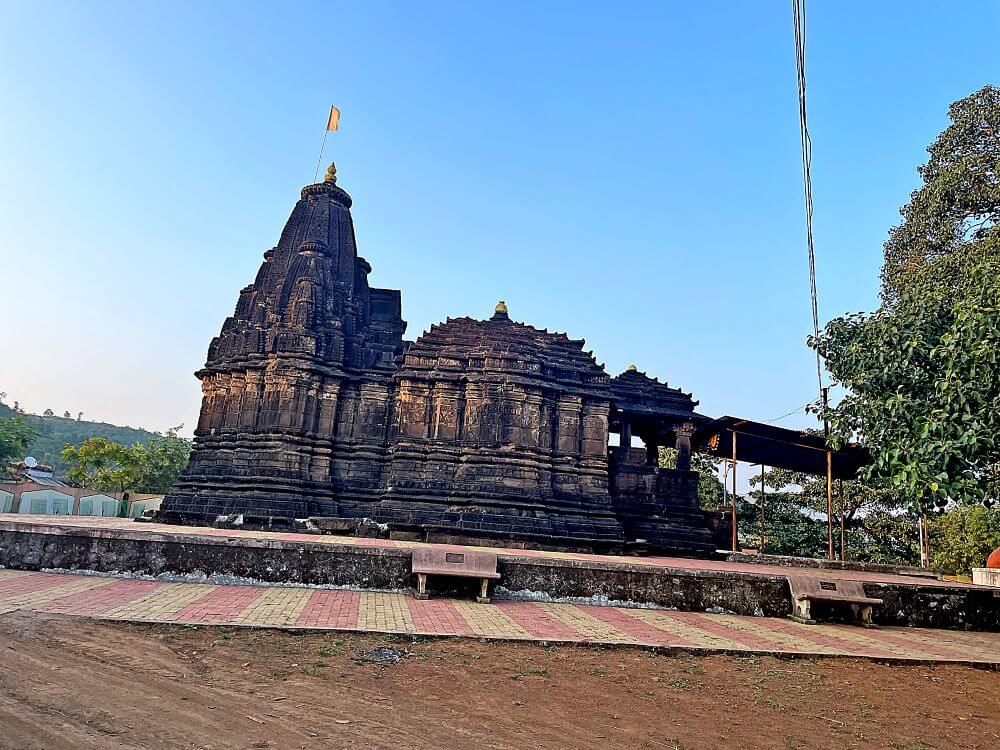
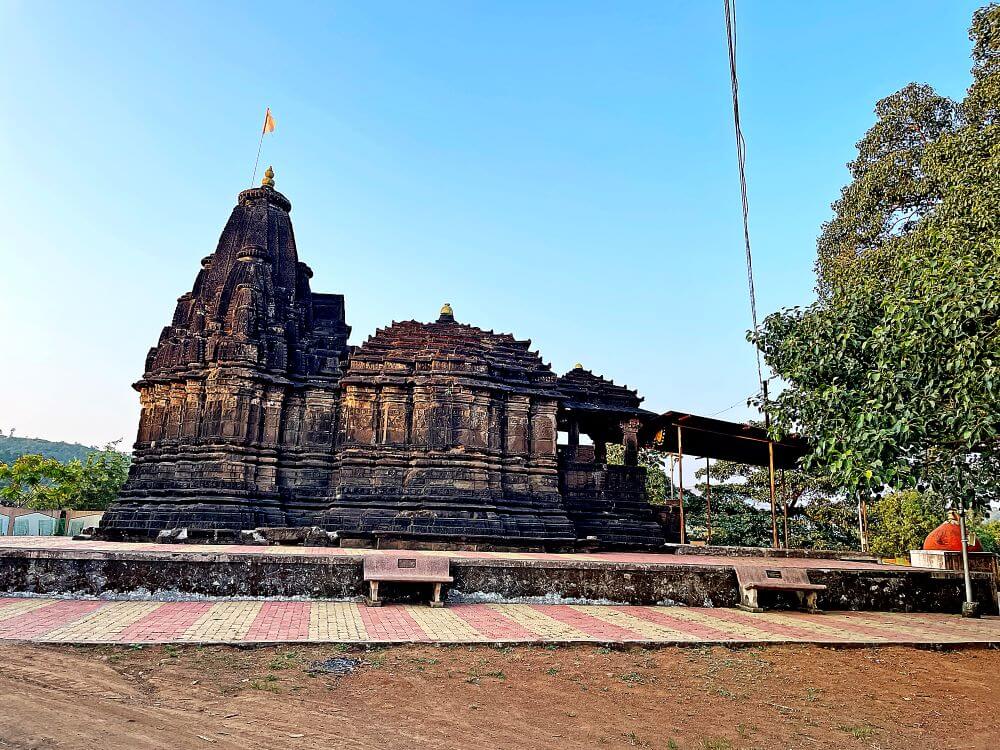
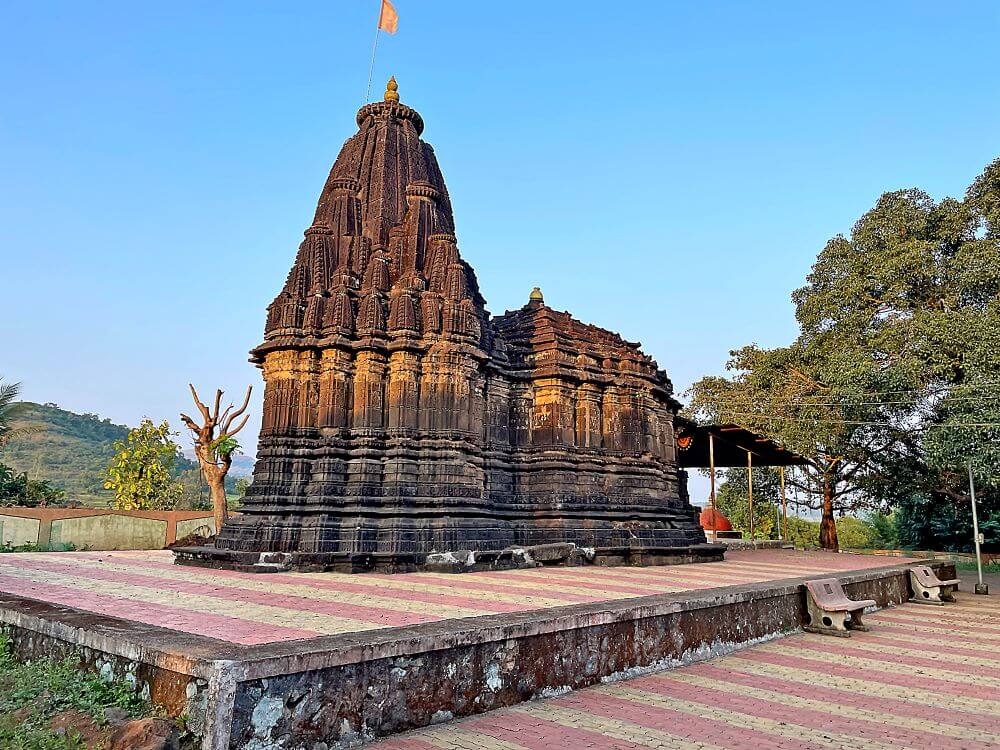
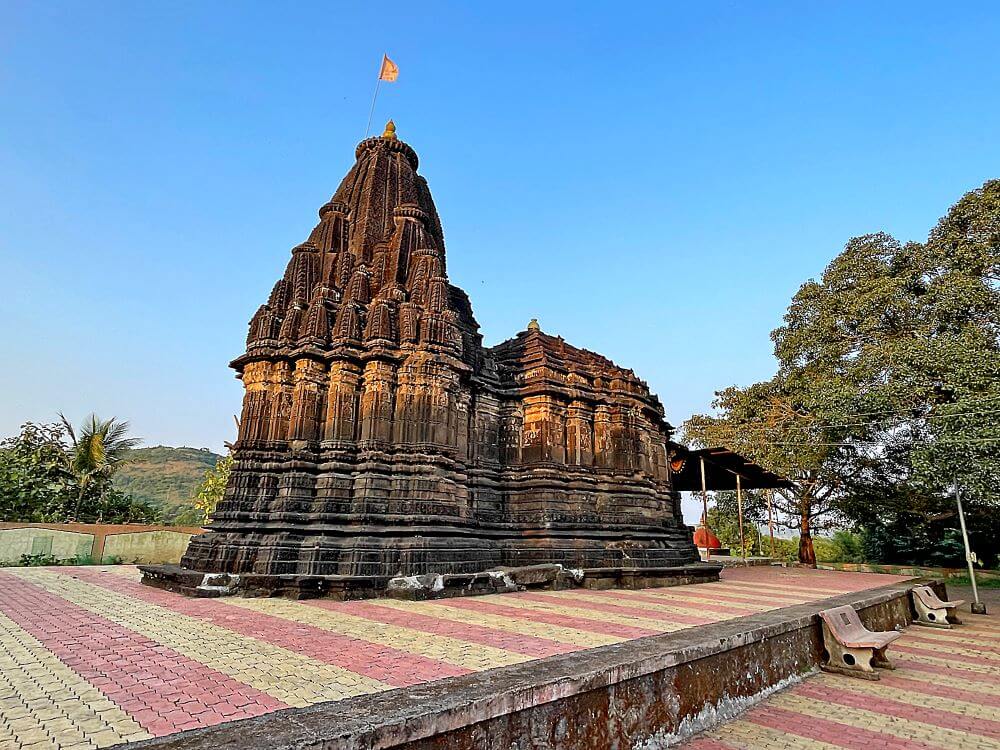
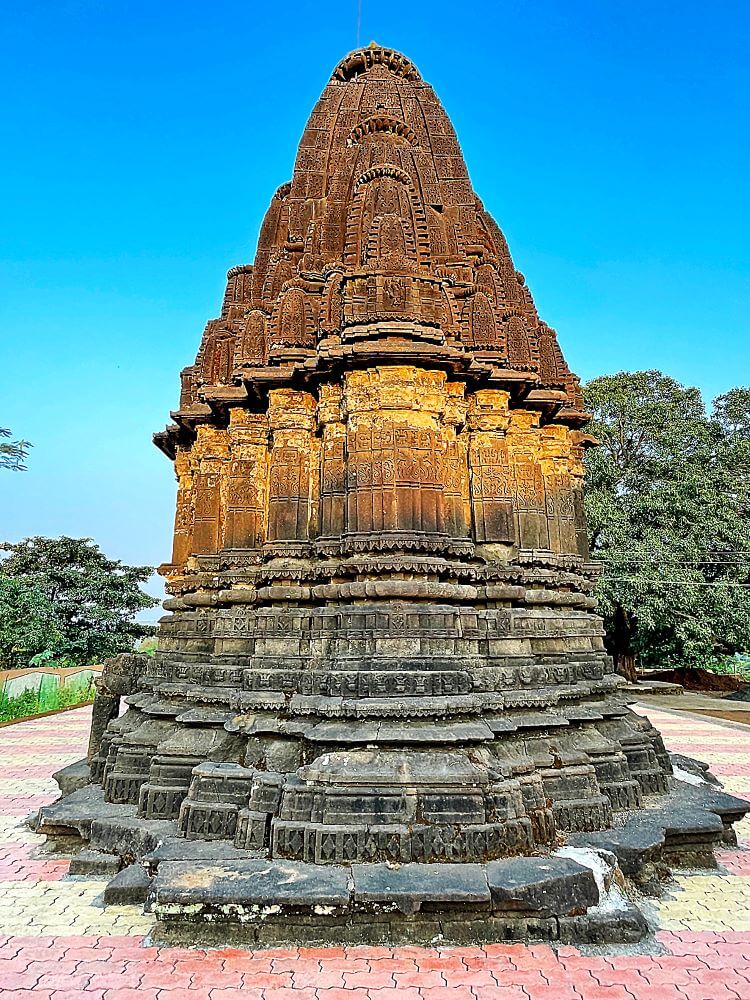
Shop Photo FramesMany ancient temples in Nashik district are famous for their unique craftsmanship. One significant name on that list is the Pancharathi Mahadeva Temple in the village of Deoli Karad. Upon seeing this temple, adorned with sculptural beauty, one gets the impression of a deity riding a chariot; hence, this temple is called ‘Pancharatha’ or ‘Pancharathi Temple’. The Pancharathi Temple is considered a rare structure in the Nagara style of architecture. This temple is also described in the text ‘Prasada Mandana’, which provides an in-depth analysis of Indian architectural design.
Located on the border of Nashik district, the village of Deoli Karad in Kalwan taluka is situated on the banks of the Girna River. The Ajanta-Satmala mountain range to the west of the village and the Girna River have made this area rich in natural beauty. While entering the village, this temple, situated at the foothills of a hill, is visible from a distance. This chariot-shaped temple shows some resemblance to the Gondeshwar Temple in Sinnar. Facing east, this temple is built on a high plinth. The temple structure consists of a Mukhamandapa (entrance porch), Sabhamandapa (main hall), Antarala (vestibule), and Garbhagriha (sanctum sanctorum).
After climbing four to five steps, one enters the Mukhamandapa of the temple. There are stone railings on both sides here. Further ahead, at the entrance of the Sabhamandapa, Shaiva-dwarapalas (gatekeepers of Shiva) are carved on the left and right sides. A carved Nandi made of a single stone is seated in the Sabhamandapa. There are three door frames in this temple, one of which features pillar carvings. Above it is the Ganeshapatti (lintel with Ganesha), featuring an image of Lord Ganesha. The Sabhamandapa is enclosed. The pillars, adorned with sculptures in the Sabhamandapa, feature Kirtimukhas and floral motifs. In the niche on the left side of the Sabhamandapa, there is an attractive idol of Lord Ganesha. In front of the ancient Shiva Linga in the sanctum, one can see a distinctive idol of Uma-Maheshwara.
On the exterior of the temple, there are sculptures of Kirtimukhas, geometric patterns, and floral vines. Sculptures of couples are carved on the exterior of the Mukhamandapa. There is a Makara-mukha (crocodile-faced spout) where the water used for the ritual bathing (abhisheka) of the deity flows out from the sanctum. This temple has been declared a protected monument by the State Archaeology Department. The spire of the temple is in the Pancharathi style, in which replicas of many small spires are carved onto the main spire.
Under the Pipal tree in the temple courtyard, there are some Virgal (hero stones). In one, Chhatrapati Shivaji Maharaj can be seen sitting with his hands folded in front of a Shiva Linga, with one knee resting on the ground. The moon and sun are carved above the Shiva Linga. On the other side of the hero stone, a scene is carved showing a soldier holding a Shiva-dhanushya (Shiva’s bow) and an enemy in front. On the third side, a fallen soldier is depicted. The carvings suggest that this hero stone might belong to a soldier of Shivaji Maharaj, as he traveled through this route during the looting of Surat. The roots of this Pipal tree have spread throughout the village, and the villagers believe that Mahadeva is protecting the village.
All religious and cultural ceremonies in the village of Deoli Karad take place in the presence of this temple. Mahashivratri is the main festival here. A large fair is held in the village during this time. The Bohada festival is celebrated during the fair. (In tribal areas, a festival of masks or performances is celebrated under the name ‘Bohada’.) For this, costumes are brought from the nearby village of Astamal. This tradition has been preserved by these villagers for years. On ‘Agari cha Padwa’, which is Akshaya Tritiya, tribal brethren perform worship to commemorate their ancestors. There is a tradition of sprinkling cooked rice on the house and in the hearth during this time.
This sacred temple stands as a testament to deep spiritual devotion, ancient architectural grandeur, and rich local cultural traditions.
The sanctum sanctorum houses the divine idol consecrated according to ancient Vedic traditions, surrounded by serene courtyards and traditional temple architecture.

Navratri, Maha Shivratri, Annual Temple Jatra & Deepotsav
Compare and book flights, secure top-rated local hotels near the temple, hire reliable guides, and rent cars instantly.
Extend your pilgrimage by visiting other highly sacred temples located nearby.


Add ₹999 more to unlock FREE SHIPPING!
Your sacred cart is currently empty.
Shop Photo FramesFill in your delivery details below to place your order.
Add comment