
Add ₹999 more to unlock FREE SHIPPING!
Your sacred cart is currently empty.
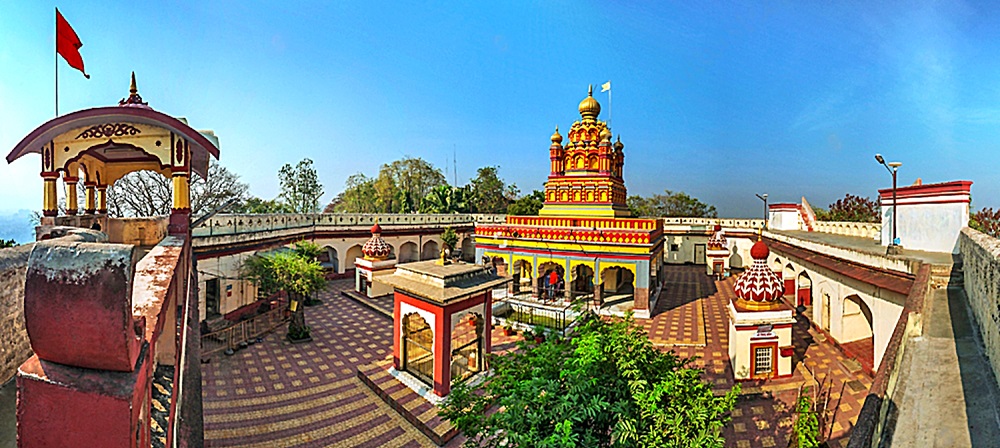
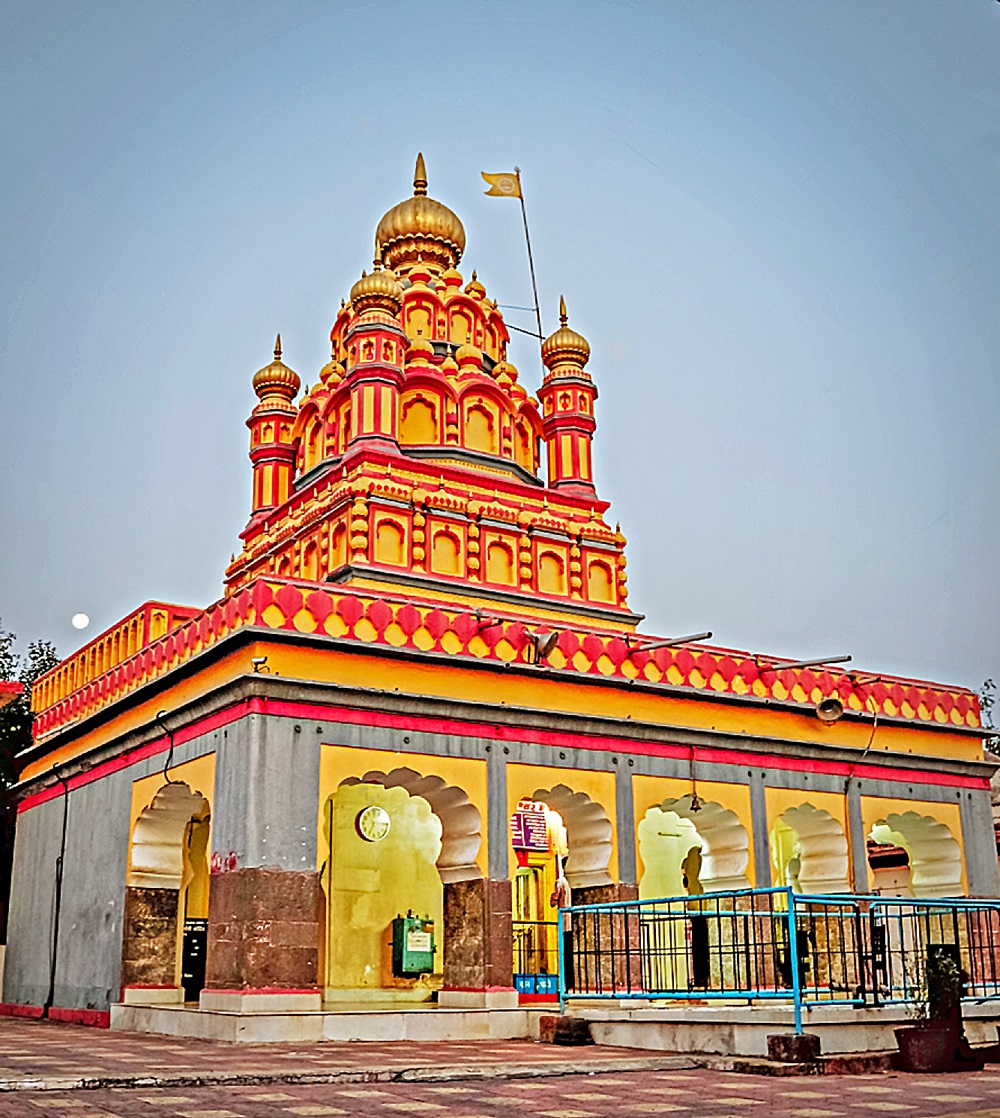
Shop Photo FramesSituated on the famous Parvati Hill in Pune city, the Deva-Deveshwar Temple is considered a symbol of the Maratha Empire and, in particular, the grandeur of the Peshwa era. Shrimant Nanasaheb Peshwa commissioned this temple in the year 1749 to fulfill a vow taken for the recovery of his mother, Kashibai, from an ailment. This temple complex, built in the ‘Panchayatan’ style with Lord Shiva as the presiding deity, holds special significance because Nanasaheb enshrined the padukas (footwear) of Chhatrapati Shahu Maharaj beneath the Shivalinga. Due to its astronomical precision, the sun’s rays reach the sanctum sanctorum directly twice a year; this black stone temple remains a testament to the prosperity of the Peshwa period even today.
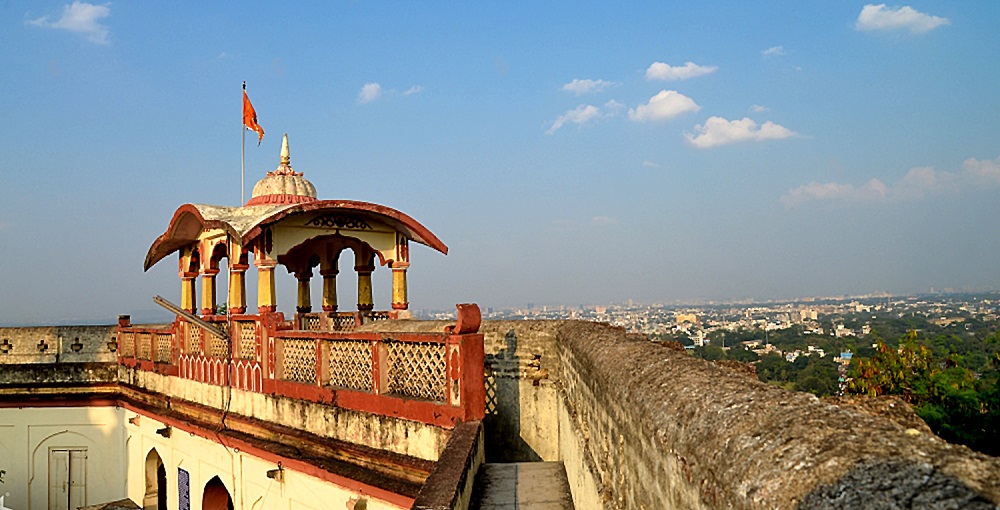
When considering the cultural and historical identity of Pune city, it is essential to mention the name ‘Parvati’. Clearly visible from many parts of the city, this hill served as an important observation post in historical times. From the Naubatkhana at the foothills, there is a skillfully constructed path of 103 stone steps leading up the hill. During the Peshwa era, the Peshwas and their guests would easily travel up and down these wide, low-rise steps on elephants. These steps were specifically designed to allow elephants to ascend and descend with ease.
According to historical records, the history of Parvati Hill dates back to the seventeenth century. During the time of Chhatrapati Shivaji Maharaj, the management of this hill was under Mahadabhat Purandare, but the development of this area took place in the eighteenth century during the time of Shrimant Nanasaheb Peshwa, also known as Balaji Baji Rao. On this hill, which was owned by the Taware Patils, there was a small temple of their family deity, Parvati Devi. The Peshwas formally purchased this land from the Taware Patils to develop the area, and the hill subsequently came to be known as ‘Parvati’ after the goddess Parvati Devi.
The construction of the Deva-Deveshwar Temple on this hill was completed on 23 April 1749, that is, on Vaishakh Shuddha Panchami in the year Shake 1671. Shrimant Nanasaheb Peshwa performed the consecration of this temple in a highly ritualistic manner. Shrimant Nanasaheb Peshwa’s mother, Kashibai, was suffering from a severe ailment in her right leg, which showed no improvement despite numerous medical treatments. She was then informed that applying the sacred ash (angara) from the temple of the goddess on Parvati would cure the disease. Kashibai went there, worshipped the goddess with devotion, and vowed to build a grand temple on that spot if her leg was healed. A few days later, her ailment was completely cured, and to fulfill her vow, Nanasaheb constructed this Deva-Deveshwar Temple.
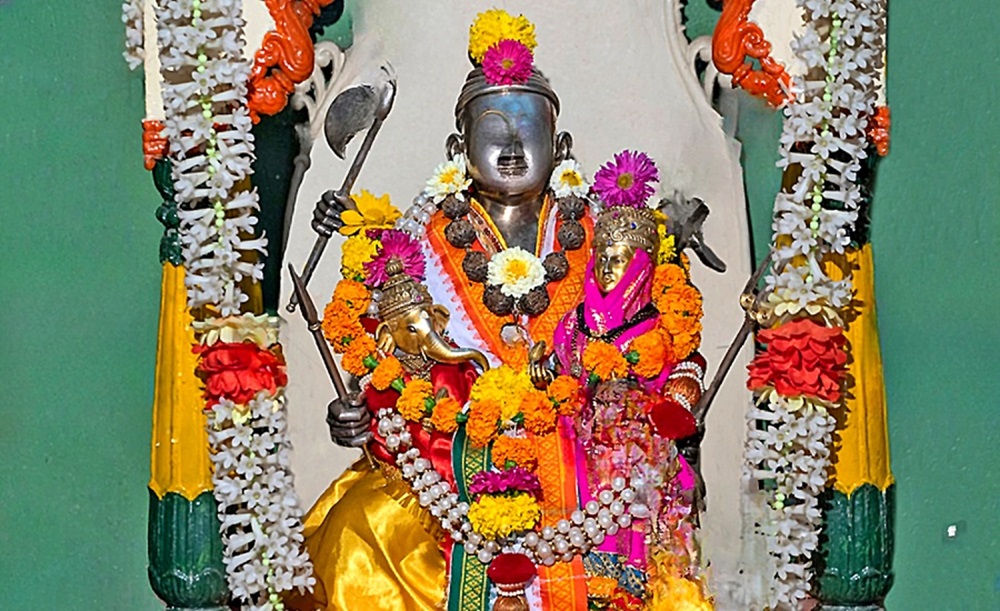
Chhatrapati Shahu Maharaj had gifted three pure gold idols for this temple: a 73-kilogram idol of Shiva, a 14-kilogram idol of Parvati, and an 8-kilogram idol of Ganpati. Whenever there was a threat of foreign invasion on Pune, these golden idols were taken to Sinhagad Fort for safety. On 10 November 1817, the second Baji Rao sent these idols to Sinhagad with Pandurang Krishna Bapat. After the British took control of Sinhagad on 2 March 1818, they respected the faith of the local citizens and sent these idols back to Parvati; however, these invaluable idols were stolen on 15 July 1932. Currently, gold-plated brass and silver idols have been installed in this temple.
Shrimant Nanasaheb Peshwa had immense love and respect for Chhatrapati Shahu Maharaj. When Shahu Maharaj passed away, Nanasaheb requested his khadava (wooden sandals), or padukas. At the time of the installation of the Shivalinga in the Deva-Deveshwar Temple, Nanasaheb preserved these padukas beneath the Shivalinga and installed the pindi upon them.
Parvati Hill has witnessed many decisive and heartbreaking moments of the Maratha Empire. Nanasaheb Peshwa could not bear the shock of the defeat in the 1761 Battle of Panipat and spent his final days in the Homshala on Parvati, where he breathed his last. His samadhi (memorial) still exists there today, and the palaces on the south and west sides were once the residence of the Shrimant Peshwas. There is a welcome arch built in recent times at the beginning of the stairway leading up the hill from in front of the Nanasaheb Peshwa Chowk in the city. After climbing a few steps, there is a Shiva pindi in a small shrine on the left. Upon climbing the steps, brick bastions and an entrance gate come into view.
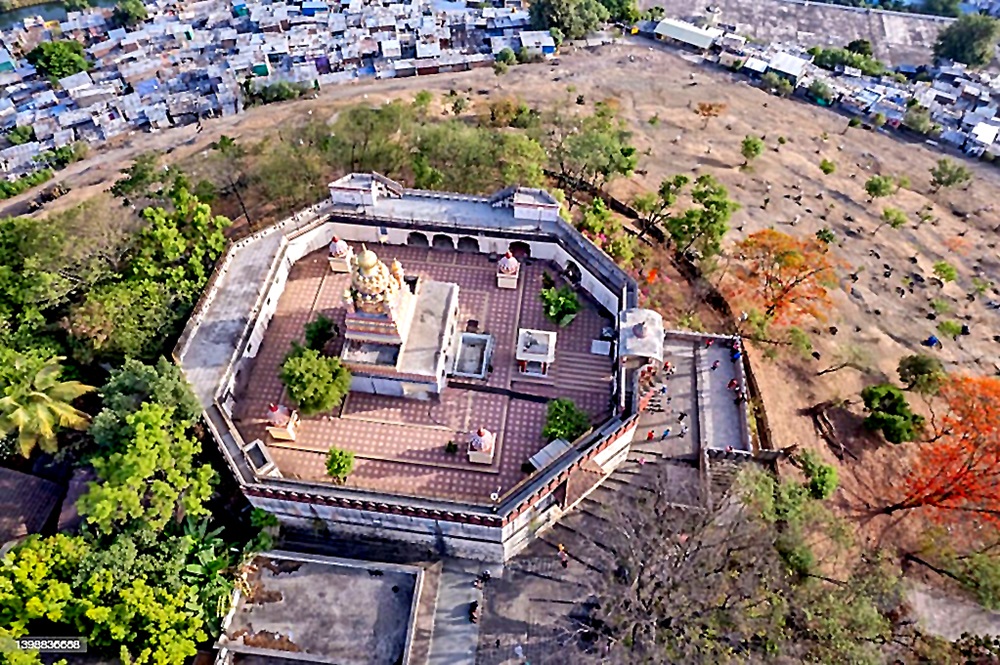
The main temple complex on Parvati is built in the Panchayatan style. It consists of a main temple in the center and four sub-temples at the four corners. The Deva-Deveshwar temple, dedicated to Lord Shiva, is situated in the center of the complex. On one side of the temple, on a platform about four feet high, is the Vitthal-Rukmini temple. The structure of this temple consists of a semi-open assembly hall (sabhamandap) and a sanctum sanctorum (garbhagriha). In the sanctum sanctorum, which features paintings of Garuda and Hanuman on both sides of the entrance, are the idols of Vitthal-Rukmini on a vajra-pitha (diamond throne). In the courtyard of this temple is a bust and a samadhi memorial of Shrimant Thorle Nanasaheb Peshwa. The Peshwa Museum building is also located here. It preserves historical coins, weapons, and documents, along with other artifacts.
Further ahead is the Vishnu Narayan Temple. In this temple, which also features an assembly hall and a sanctum sanctorum, there are paintings of gatekeepers and Shri Dattatreya on both sides of the entrance. There is a sculpture of Ganpati on the lintel (lalatbimba) here. In the sanctum sanctorum, on a carved throne, is the idol of the four-armed Vishnu. At the top of the Dravidian-style Urushringi shikhara, there are two amalakas placed one above the other, topped by a kalasha. Beyond that is the Kartikeya Swami Temple, which has its own separate fortification. In the sanctum of this temple, built by Nanasaheb Peshwa’s brother Raghunathrao, also known as Raghobadada, is the idol of Kartikeya Swami on a vajra-pitha.
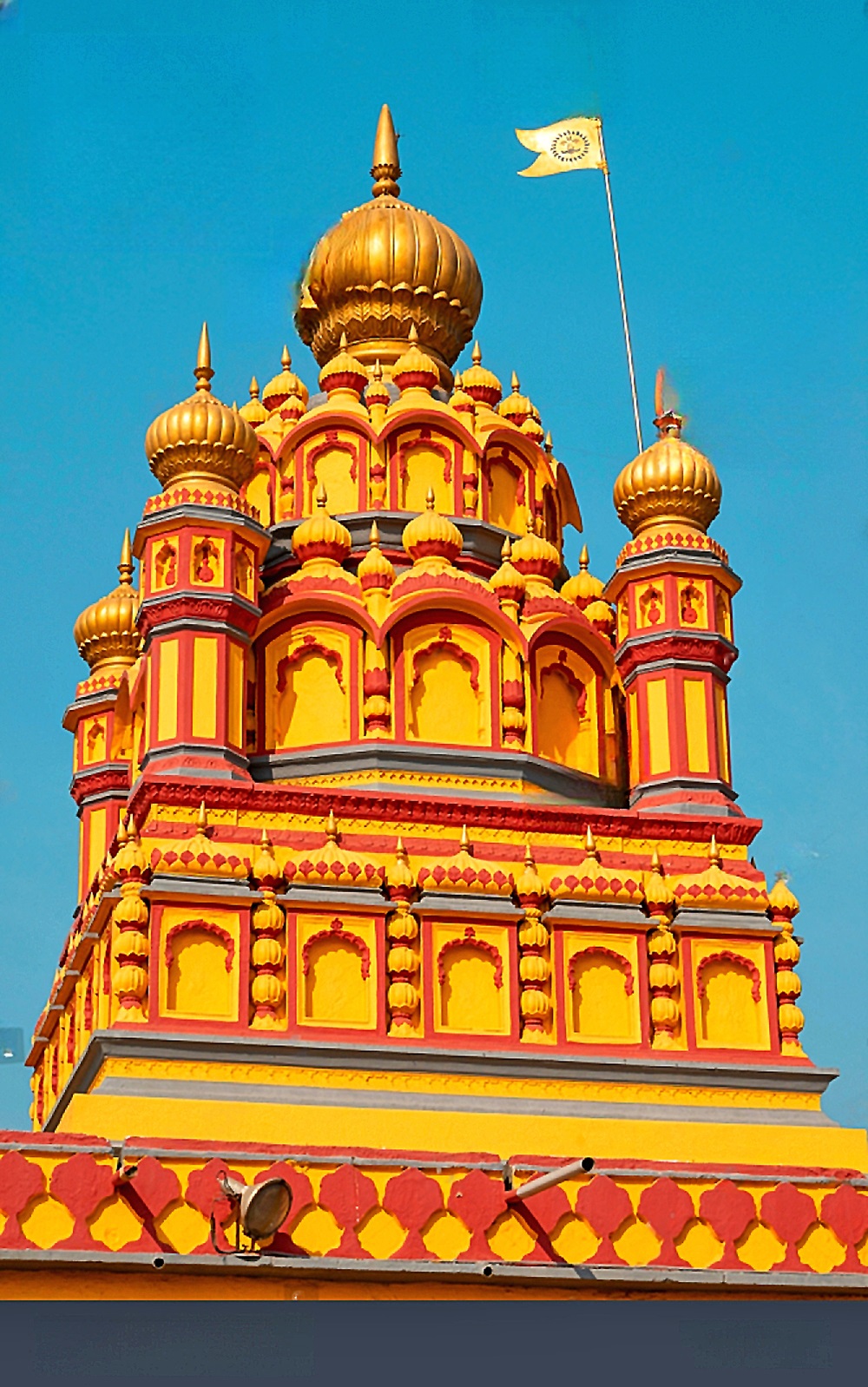
Ahead is the main temple of Devdeveshwar, that is, Mahadeva. There is a two-story entrance gate within the fortification wall surrounding this temple. On the upper floor of this entrance, which features sculptures of Bhairava as gatekeepers, is the Nagarkhana (drum house). In the spacious courtyard in front of the temple stands the Nandi Mandapa, housing a beautifully crafted Nandi idol made of black stone, which showcases exquisite artistry. During festivals, a silver cover is adorned upon this Nandi. Along the fortification wall in the courtyard, there are arched corridors (ovaris). The temple, consisting of a Sabha Mandapa (assembly hall) and an Antarala (vestibule), features five pillars connected by arched gateways. On the lintel of the intricately carved entrance to the sanctum sanctorum (Garbhagriha), there is a sculpture of Lord Ganesha. The Shiva Linga here, carved from stone sourced from the Gandaki River in Nepal, features natural walnut-like markings on its Bana. On the equinox days of March २१ and September २३, the rays of the rising sun fall directly upon this Shiva Linga. Behind the Shiva Linga, against the wall, is an idol of Goddess Parvati placed in a shrine (makhar) on a Vajrapitha. The three-tiered Shikhara (spire) atop the sanctum sanctorum features four minaret-like pillars at the corners of the first tier, with an Amalaka and Kalasha crowning the main Shikhara. In the courtyard in front of this temple are the temples of Suryanarayana, Ganapati, Parvati, and Bhavani Devi, as well as the Janardana Vishnu temple. The architecture and spires of these temples reflect a beautiful confluence of Rajput, Mughal, Gujarati, and Maharashtrian architectural styles.
The festivals at Parvati showcase the essence of Maratha culture and the traditions of Pune. On the day of Kartik Purnima, women are granted special permission for 24-hour darshan at the Kartikeya temple, and ‘Dev-Diwali’ is celebrated across the entire hill. A grand fair is held here on Mahashivratri, and during the holy month of Shravan, Rudrabhishek is performed on the Shiva Linga every Monday. During the Peshwa era, a unique tradition called ‘Ramana’ was established at the foothills of Parvati, where scholars arriving from all over India were examined and awarded Dakshina. Historical records indicate that by around the year १७५२, this annual Dakshina reached up to six lakh rupees.
This sacred temple stands as a testament to deep spiritual devotion, ancient architectural grandeur, and rich local cultural traditions.
The sanctum sanctorum houses the divine idol consecrated according to ancient Vedic traditions, surrounded by serene courtyards and traditional temple architecture.
Navratri, Maha Shivratri, Annual Temple Jatra & Deepotsav
Compare and book flights, secure top-rated local hotels near the temple, hire reliable guides, and rent cars instantly.
Extend your pilgrimage by visiting other highly sacred temples located nearby.


Add ₹999 more to unlock FREE SHIPPING!
Your sacred cart is currently empty.
Shop Photo FramesFill in your delivery details below to place your order.
Add comment