
Add ₹999 more to unlock FREE SHIPPING!
Your sacred cart is currently empty.
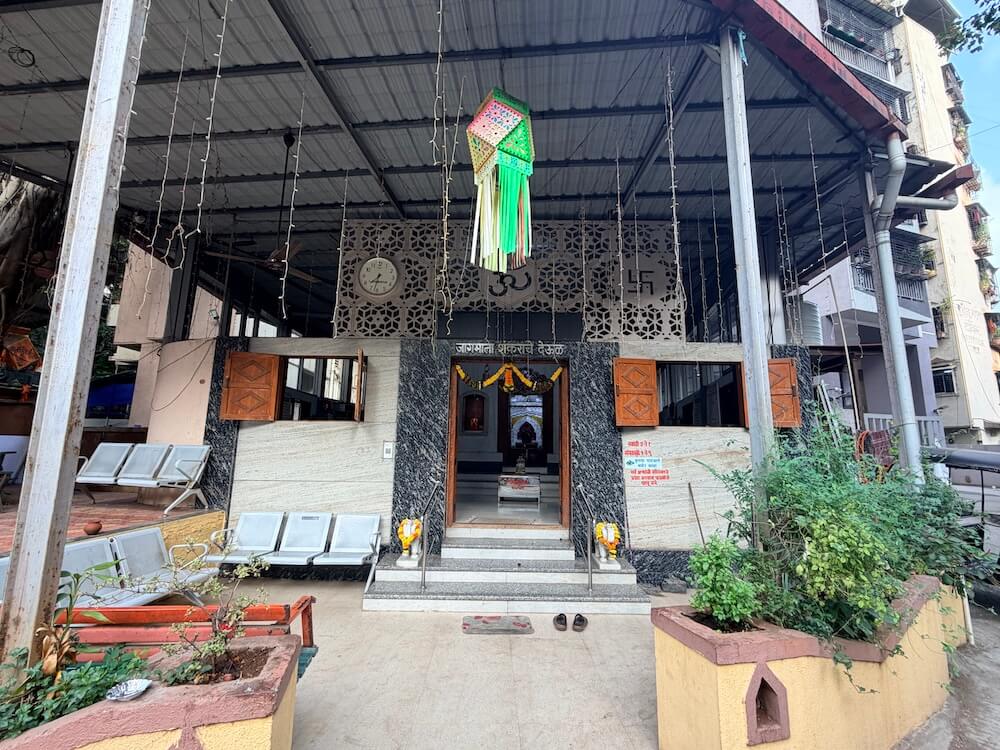
Shop Photo FramesAmong the ancient and historical places of worship in Thane district, the Jagmata Shankar Mandir in Kolbad holds a position of great significance. Situated in the heart of Thane city, this temple is considered the main hub for cultural activities in the area. A unique feature of this temple is the presence of both Shiva and Shakti together in the main sanctum sanctorum. The idol of the folk deity Jagmata, enshrined in the temple, is said to be approximately two hundred years old. A large fair is held in the temple premises during the period of Mahashivratri.
There is no original written history available regarding the establishment of this temple in the Kolbad area. However, according to local residents, this site is over two hundred years old. It is said that during the Portuguese invasions, the original temple here was demolished, much like other religious sites on Salsette Island. Over time, some citizens of the area came together and rebuilt the temple. According to the revised edition of the ‘Thane District Gazetteer’ published by the Urban Development Department of the Government of Maharashtra, the history of this temple appears to be linked to the early twentieth century. In the 1920s, the Kolbad area was primarily a rural region surrounded by paddy fields and coconut and areca nut orchards. During that time, local farmers and laborers from the Agri-Koli community installed a stone idol of Goddess Jagmata and a small Shivling on a small stone platform in the fields. Later, in 1972, the ‘Shri Jagmata Shankar Mandir Trust’ was officially registered. The first renovation of this temple, which initially had a very simple structure, was carried out in 1984.
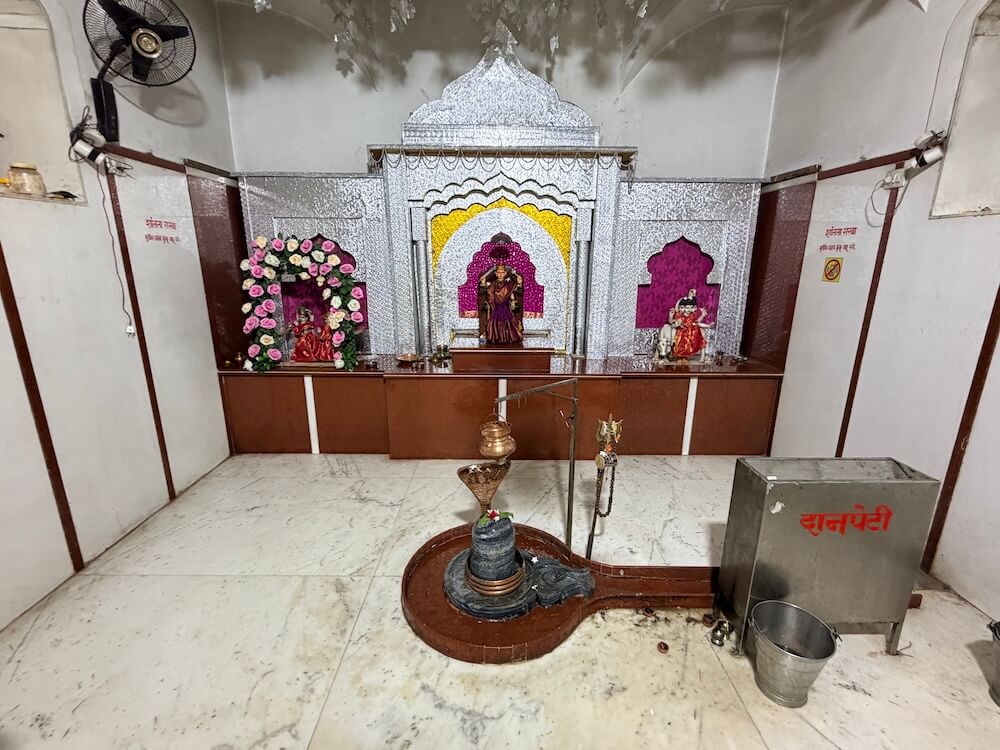
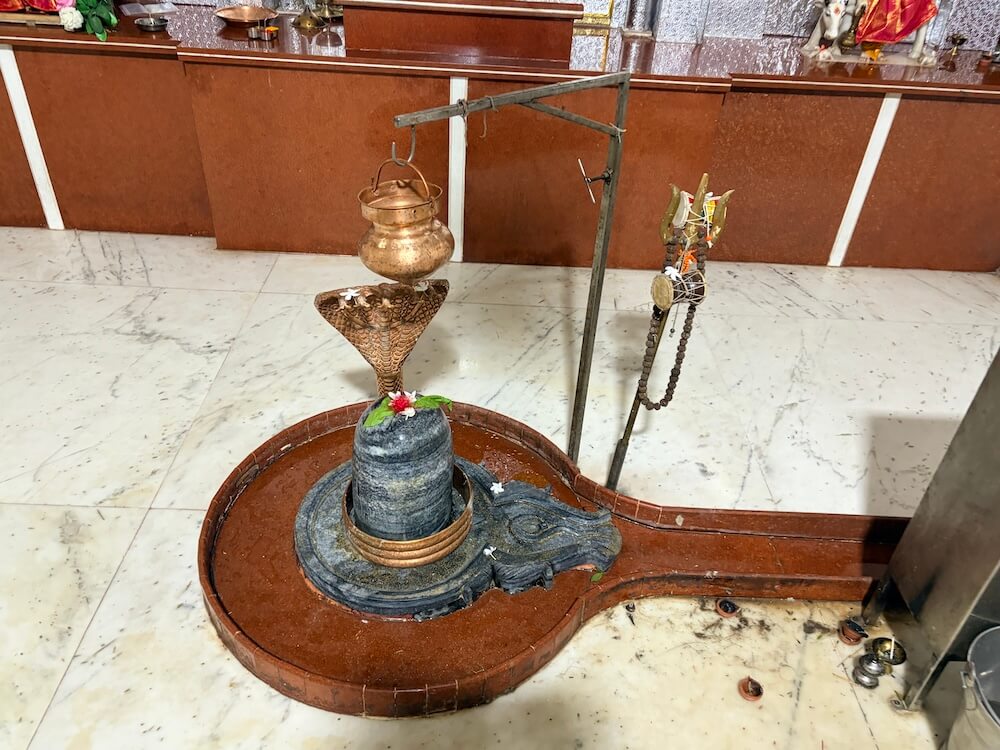
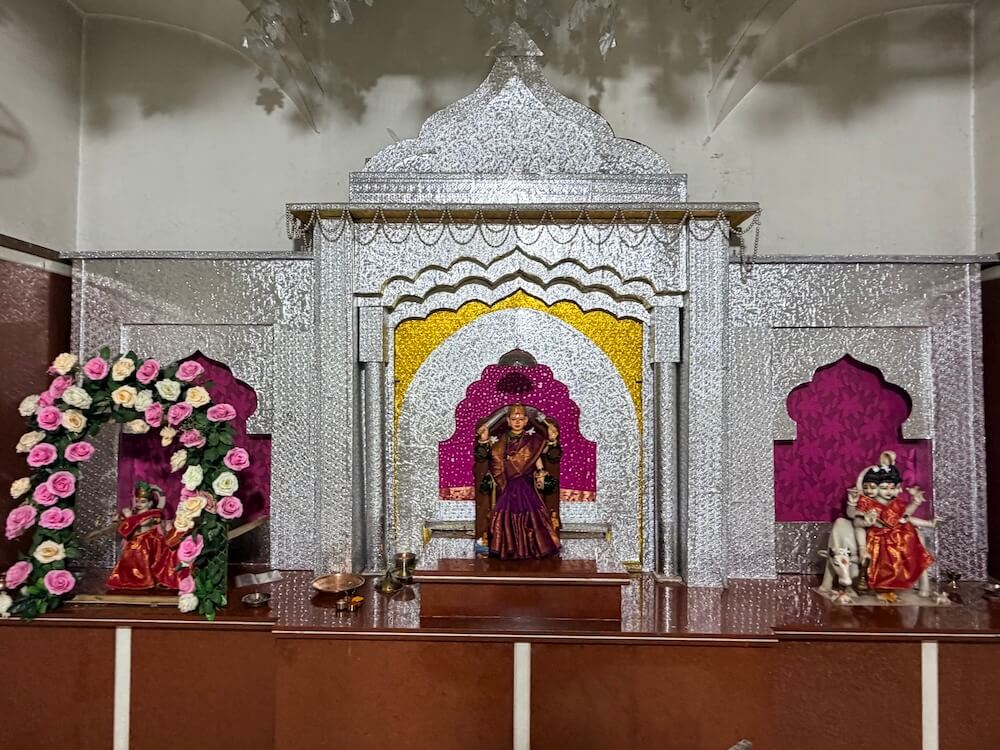
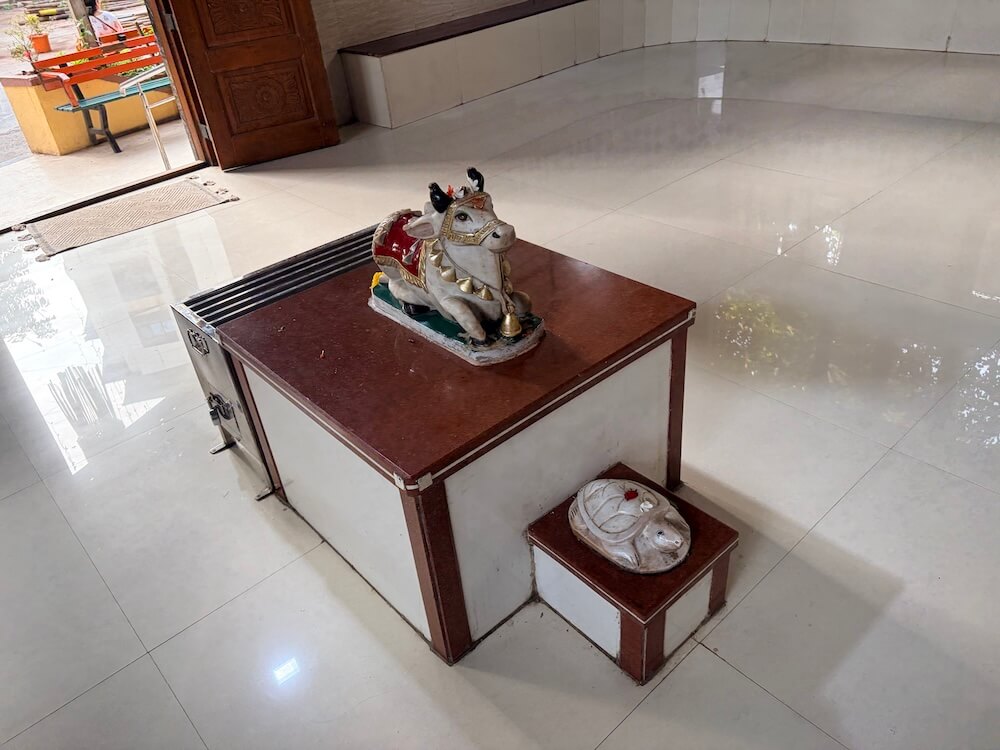
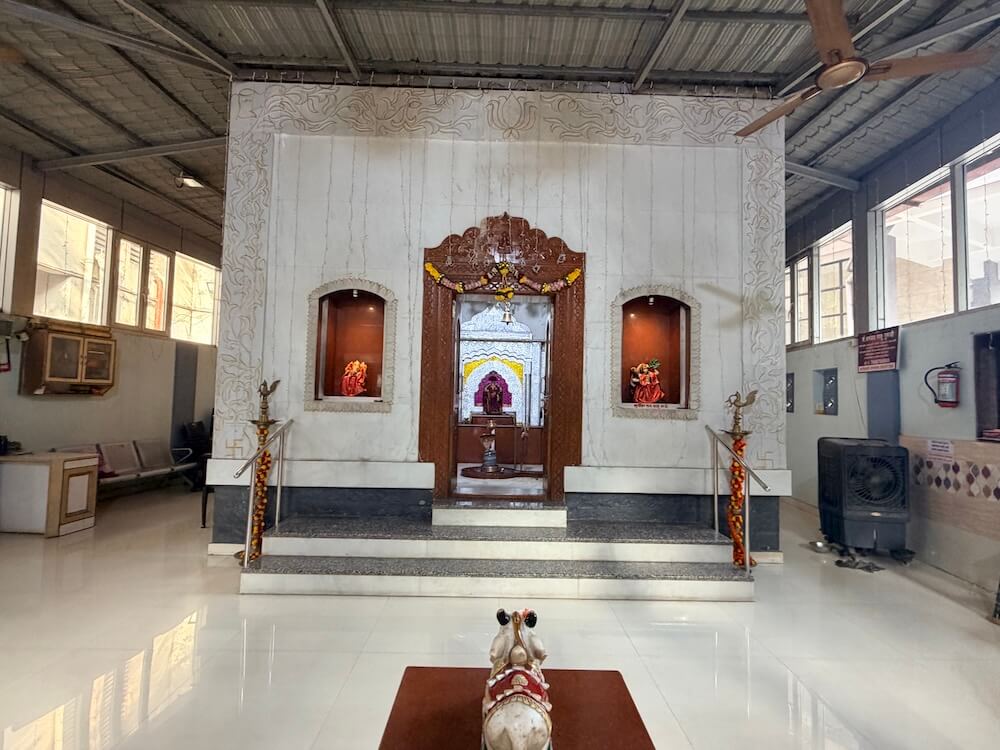
Granite stone has been used extensively in the construction of this temple. The structure of the temple consists of a Darshan Mandap (viewing hall), Sabha Mandap (assembly hall), and Garbhagriha (sanctum sanctorum). Near the steps of the Sabha Mandap entrance, there are elephant sculptures on both sides. In the Sabha Mandap, facing the main sanctum, an idol of Nandi is installed on a high pedestal, with a tortoise sculpture in front of it. In the niches on the front wall of the sanctum, idols of Maruti (Hanuman) are placed on the left and Ganesha on the right. On the doorframe of the sanctum entrance, there is an idol of Ganpati in the center on the Lalatbimba. Inside the sanctum, a Shivling is enshrined in the center, with a serpent holding its hood over it. Behind this Shivling, on a Vajrapitha, is the graceful idol of Goddess Jagmata. Adorned with various garments and ornaments, the Goddess wears a beautiful crown on her head. This four-armed Goddess holds a sword and a mace in her upper and lower left hands, respectively, while holding a trident and a damaru in her upper and lower right hands. Near the idol of Jagmata, who stands on a lotus, her guardian and vehicle, the tiger, is also carved. The sanctum also houses idols of Dattatreya and Radha-Krishna. During the renovation work, a new Shivling was installed in place of the old one.
Devotees can visit the temple daily from 7:00 AM to 1:00 PM and from 5:00 PM to 9:00 PM. Throughout the year, various festivals are celebrated in the temple in a very disciplined and traditional manner. The most prominent among all these festivals is the Mahashivratri festival, celebrated on Magh Vadya Chaturdashi. On this occasion, a large fair is held in the temple premises for three consecutive days. On the day of Mahashivratri alone, more than fifty thousand devotees come to seek blessings. On this special day, barricades are set up for a two-kilometer-long queue for darshan on the main road outside the temple.
The Sharadiya Navratri festival in the month of Ashwin is considered the second major festival here. During the nine days of Navratri, the idol of Goddess Jagmata is decorated uniquely every day with different fragrant flowers and rich garments. During these nine days, an eternal lamp is kept lit in the sanctum of the temple. This lamp is locally known as the ‘Nandadeep’. On the Ashtami of Navratri, a main Homa-Havan and religious Yajna are organized in the temple. Hundreds of couples attend with great devotion to offer oblations in this Yajna.
On the occasion of Shravani Mondays, a special puja is performed on the Shivling using various grains like rice, sesame, moong, and barley. On the last Monday of Shravan, the main Palkhi (palanquin) procession of the temple is taken out. The festival idols of the Goddess and Shiva are placed in this flower-decorated palanquin and carried throughout the Kolbad area. Local residents welcome the palanquin by drawing rangolis in front of their homes. Additionally, a special ‘Wadi’ (offering) is held at the temple on Shravani Mondays. Apart from this, festivals like Maghi Ganeshotsav, Gudi Padwa, Ram Navami, Hanuman Jayanti, Akshaya Tritiya, Ashadhi Ekadashi, Guru Purnima, Gokulashtami, Tulsi Vivah, and Datta Jayanti are celebrated in a very devotional atmosphere. During the anniversary celebration held on Gudi Padwa, a grand procession of the Goddess’s palanquin is taken out through the area. Hundreds of devotees participate in this procession.
This sacred temple stands as a testament to deep spiritual devotion, ancient architectural grandeur, and rich local cultural traditions.
The sanctum sanctorum houses the divine idol consecrated according to ancient Vedic traditions, surrounded by serene courtyards and traditional temple architecture.
Navratri, Maha Shivratri, Annual Temple Jatra & Deepotsav
Compare and book flights, secure top-rated local hotels near the temple, hire reliable guides, and rent cars instantly.
Extend your pilgrimage by visiting other highly sacred temples located nearby.


Add ₹999 more to unlock FREE SHIPPING!
Your sacred cart is currently empty.
Shop Photo FramesFill in your delivery details below to place your order.
Add comment