
Add ₹999 more to unlock FREE SHIPPING!
Your sacred cart is currently empty.
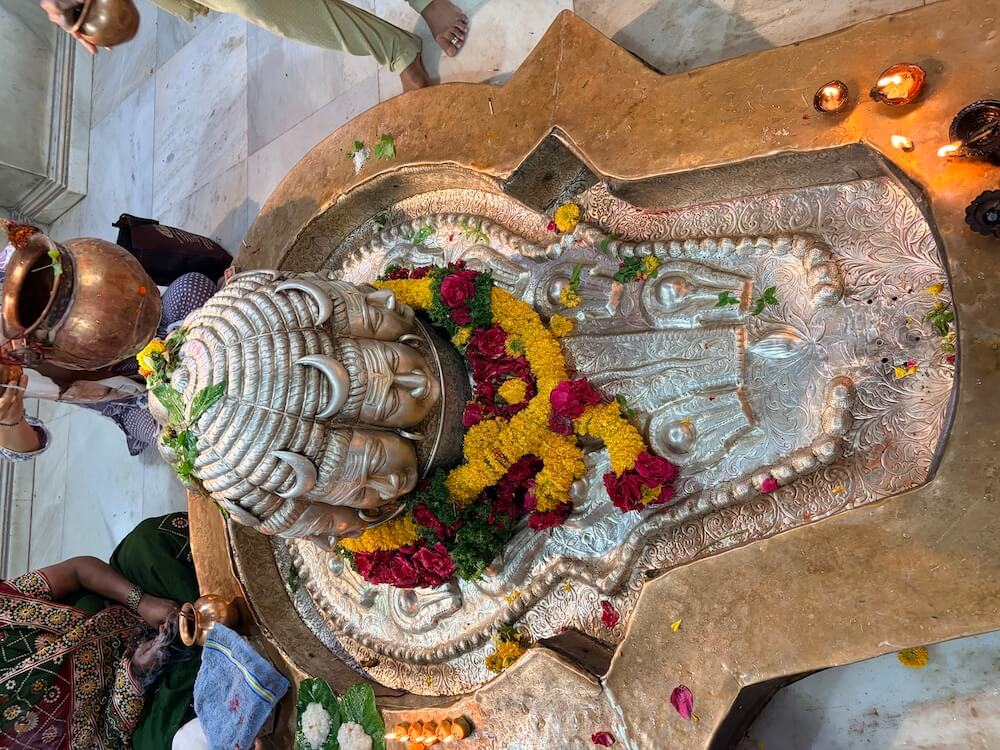
Shop Photo FramesSituated on the banks of the Kundalika River and serving as a symbol of the ancient glory of Jalna city, the Panchmukhi Mahadev Temple here is a place of faith for thousands of devotees in the district. Located in the Old Jalna area, this temple is especially famous for its rare and considered self-manifested (Swayambhu) five-faced Shiva Linga. In the Shaiva tradition, this form is considered the ‘Panchabrahma’ manifestation. It represents the five elements: Earth, Water, Fire, Air, and Ether. In this historic structure, which has a history of about nine hundred years, one can see a confluence of ancient Hemadpanti and Maratha architectural styles. The temple complex is surrounded by eleven sub-temples. From a historical and archaeological perspective, this temple holds unique importance in the cultural heritage of Marathwada.
The city of Jalna in the Marathwada region has been rich in historical and spiritual references since ancient times. The geographical and historical identity of this city appears in ancient texts by the name ‘Janakpur’. References in gazetteers state that this name was derived from King Janaka of Mithila, who lived during the Ramayana era. According to a legend, Mother Sita resided in this area while Lord Shriram was in exile. Over time, this city was also known by the name ‘Hirwali’. During the Nizamshahi and Mughal periods, the name of the city changed to ‘Jalna’. Detailed information regarding the origin of the name ‘Jalna’ is provided in the Aurangabad District Gazetteer (१८८४). According to it, a wealthy Muslim merchant contributed significantly to the development of the city during the medieval period. This merchant was a weaver by profession, known as a ‘Jalala’. One theory suggests that the city’s name ‘Jalna’ became popular based on his profession and name.
This temple is situated on the banks of the Kundalika River. The history of Jalna is linked to the flow of rivers. The confluence of the Kundalika, Sina, and Shukla rivers used to occur in the vicinity of this city. Because the temple is located at the confluence of these rivers, this place was also called ‘Gangadwar’. Later, during the Nizam’s rule, the area was named ‘Panives’ due to the water supply system for the city. Today, this temple is located in the central part of the Kadrabad and Gandhinagar areas. In the past, a fortification made of mud and bricks was built for the protection of the city. The ‘Amber Gate’, which was a part of that fortification, is situated near this temple.
There is no evidence or inscription available that states the exact time of the establishment of the Shri Panchmukhi Mahadev Temple. However, studying the structure of the temple and local traditions makes it clear that this temple is about ८०० to ९०० years old. According to some archaeological scholars, this temple may have been built during the late Yadava period or the era of Hemadri Pandit. In the year १७२५, the first Nizam built a fort named ‘Mastagad’ in Jalna. Documents from that period contain references to religious sites in Old Jalna. After the Battle of Udgir in १७६० and the Battle of Assaye in १८०३, major political upheavals occurred in this region. During this period, many temples received royal patronage. The Panchmukhi Mahadev Temple became a center for the local Shaiva tradition. There was a tradition of Naga Sadhus coming here from the Himalayas. Sadhus from Badrinath, Kedarnath, and Himachal Pradesh used to come and stay at this temple. Due to the tradition of these Sadhus, the temple received a kind of spiritual protection. According to available documents, the Sabha Mandap (assembly hall) of the temple was previously made of teak wood. That wood was intricately carved, but over time, it has been converted into a permanent cement-concrete structure.
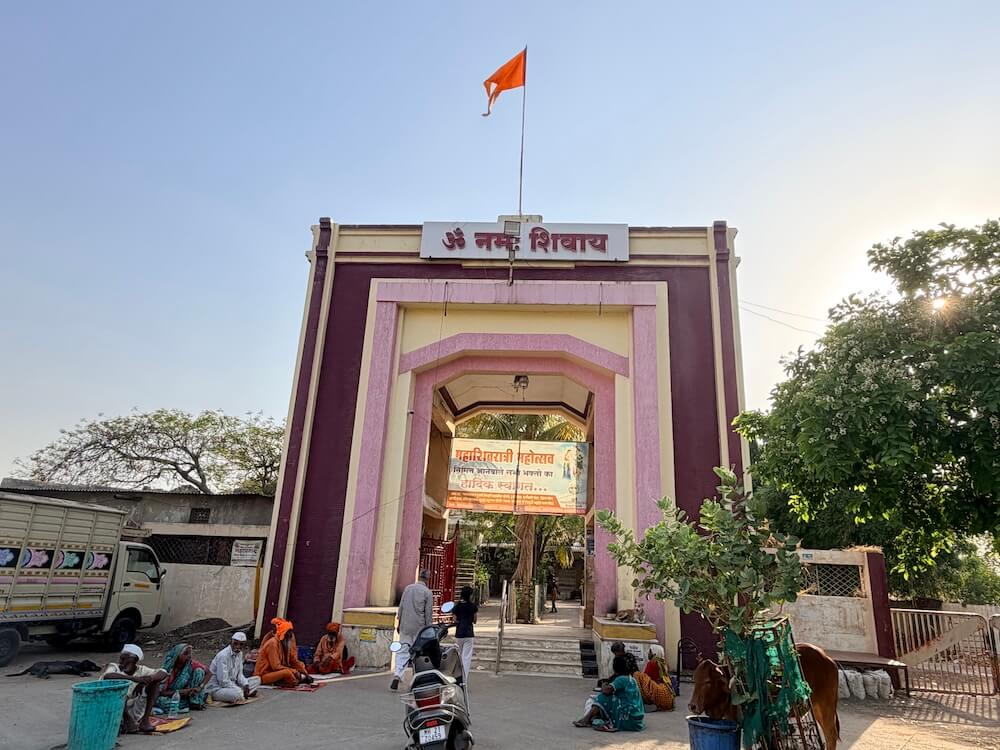
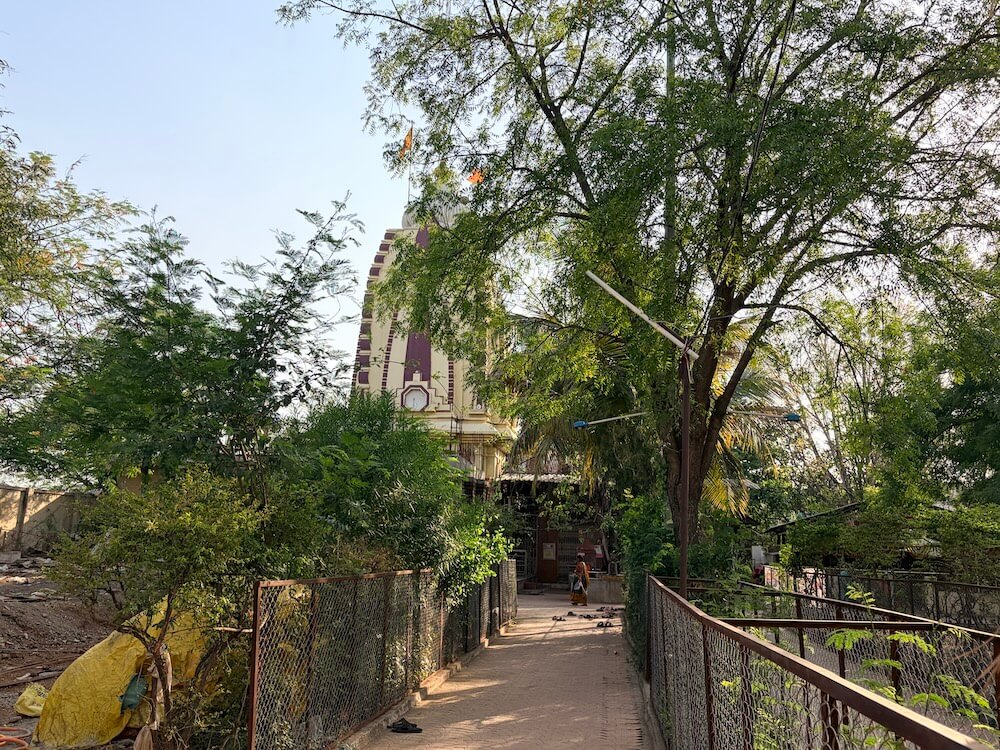
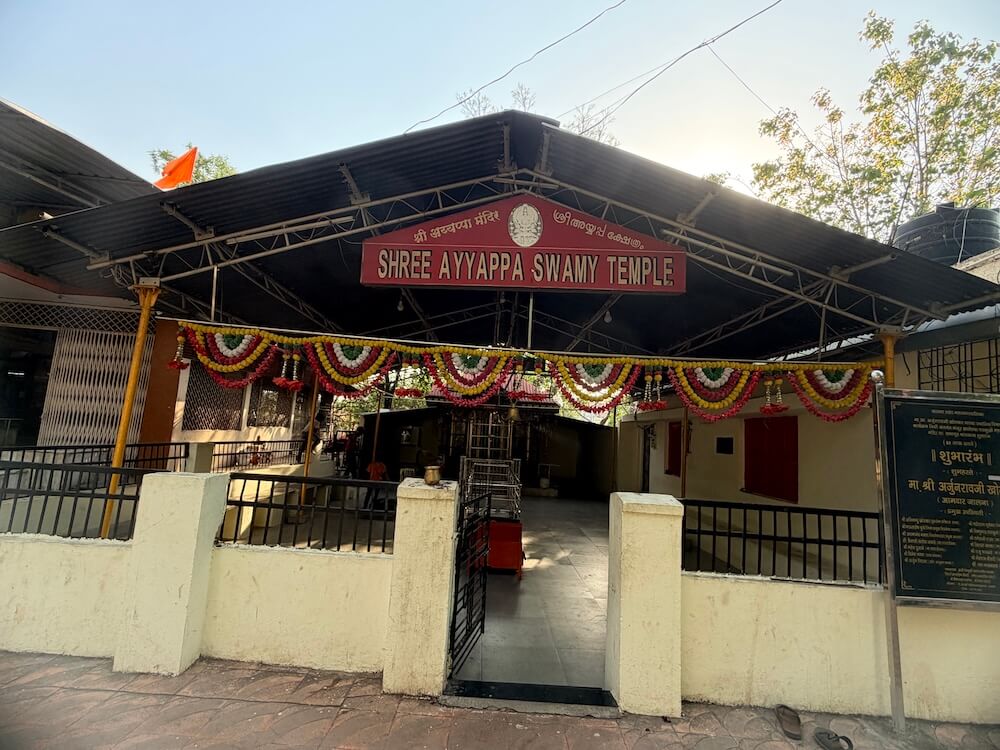
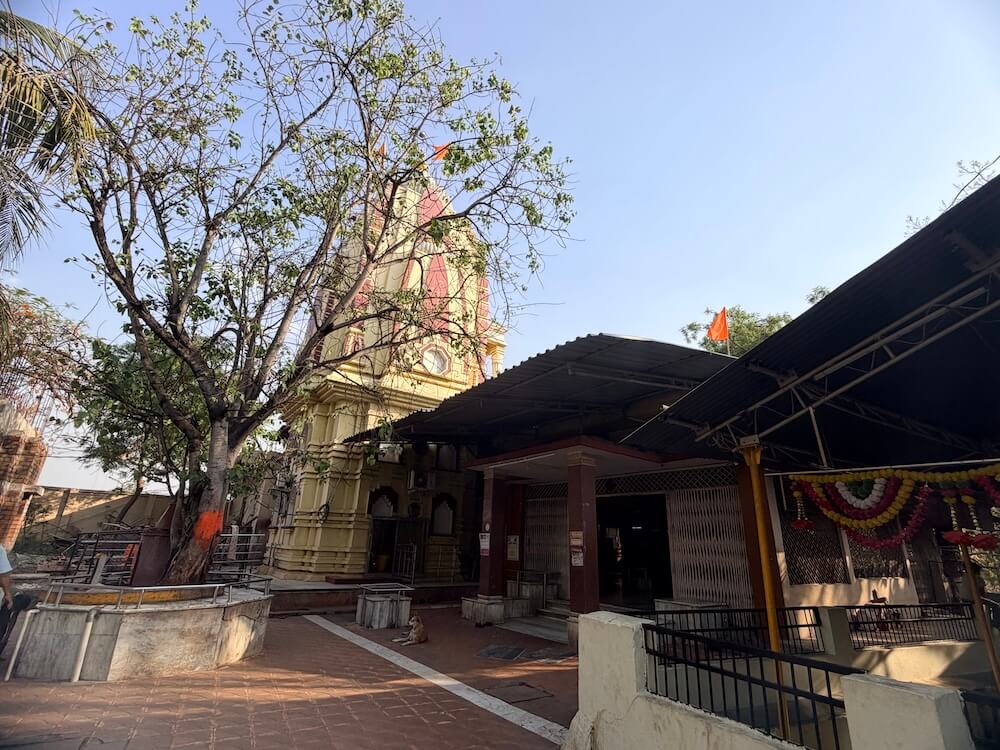
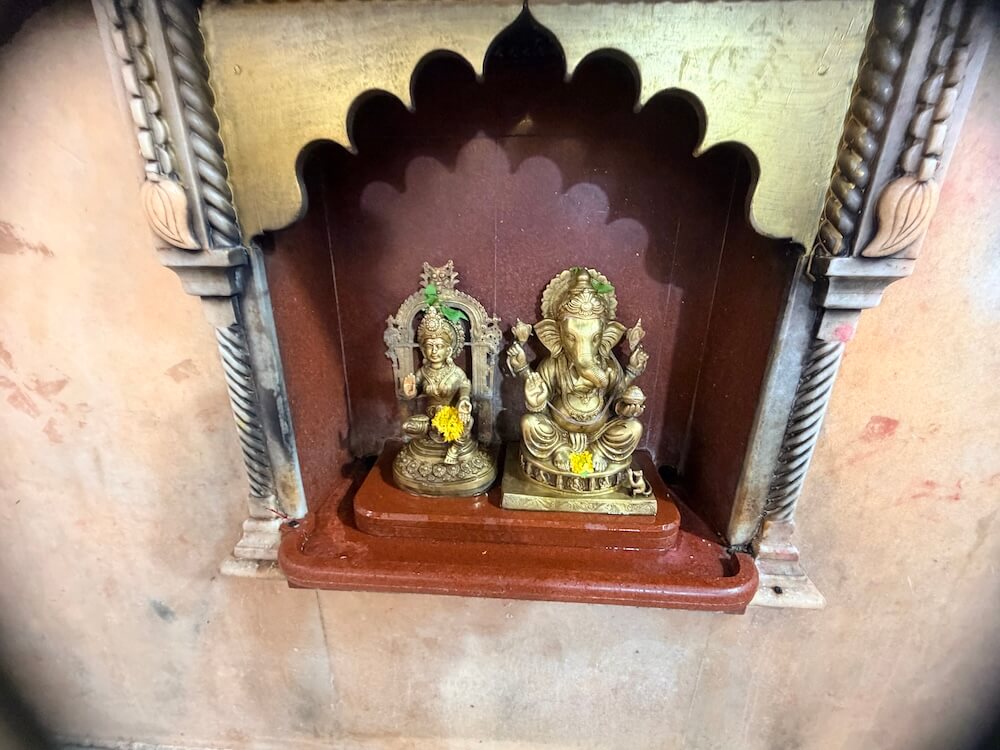
One enters the courtyard through the grand entrance of this temple, which is located in the central part of Jalna city. In the courtyard, in front of the main temple, there is a spacious Sabha Mandap. In this hall, there is a Homa Kund (sacrificial fire pit) and an idol of Nandi. On the lintel of the entrance to the sanctum sanctorum, there is an idol of Ganesha in the center, with auspicious symbols on both sides. Inside the sanctum, the Panchmukhi Shiva Linga is placed in the center on the floor. This Shiva Linga is made of black stone and is considered Swayambhu. The structure of this Shiva Linga includes Tantric and spiritual symbols. Descriptions of the five faces of Lord Shiva are found in the Puranas. The five faces on the Shiva Linga here point towards five directions and five elements. The ‘Sadyojata’ face on the west represents the Earth element, the ‘Vamadeva’ face on the north represents the Water element, the ‘Aghora’ face on the south represents the Fire element, the ‘Tatpurusha’ face on the east represents the Air element, and the ‘Ishana’ face on the top represents the Ether element. In the carvings of these five faces, various Mudras of Shiva are clearly visible. A silver cover has been installed on this Shiva Linga for protection. This cover is made by engraving designs on a silver sheet. Twelve small Shiva Lingas are carved around the main Panchmukhi Shiva Linga, representing the १२ Jyotirlingas. A five-hooded ‘Sheshnaga’ is carved on the top of the Shiva Linga. This serpent is in a posture as if holding a canopy over the head of Mahadeva. The Shikhara (spire) of the temple is square and tapers from bottom to top. On this Shikhara, there are Devakoshtas (niches for deities) and replicas of small spires. The eleven sub-temples in the temple complex house idols of various deities. These include Ganpati, Mother Durga, Lord Vishnu, Mother Lakshmi, Vitthal-Rukmini, Hanuman, Dattaguru, Shanidev, Lord Ayyappa, and Neelkantheshwar.
Many festivals are celebrated in the temple throughout the year. Among them, the month of Shravan and Mahashivratri are the most significant days. In Jalna, the month of Shravan is observed for a period exceeding one and a half months. During this time, daily worship begins in the temple at five o’clock in the morning. Devotees from various parts of the city and the district arrive in large numbers to perform Abhishekam to Lord Mahadeva. Every Monday, a special Aarti and Mahaprasad are organized here. During this time, readings of the Shiva Purana, Devi Bhagavata, and other religious scriptures are conducted. Mahashivratri is the largest annual festival of this temple. This festival lasts for five days. On the day of Mahashivratri, Abhishekam and worship begin from midnight itself. Thousands of devotees stand in queues for Darshan at this time. Until a few years ago, there was a tradition of taking out a Palkhi procession through the city, but now the circumambulation and religious rituals take place within the temple premises itself. The festival concludes on the fifth day with Mahaprasad. Devotees can have Darshan of Panchamukhi Mahadeva here daily from six in the morning to one in the afternoon and from three in the afternoon to nine-thirty in the night.
This sacred temple stands as a testament to deep spiritual devotion, ancient architectural grandeur, and rich local cultural traditions.
The sanctum sanctorum houses the divine idol consecrated according to ancient Vedic traditions, surrounded by serene courtyards and traditional temple architecture.
Navratri, Maha Shivratri, Annual Temple Jatra & Deepotsav
Compare and book flights, secure top-rated local hotels near the temple, hire reliable guides, and rent cars instantly.
Extend your pilgrimage by visiting other highly sacred temples located nearby.


Add ₹999 more to unlock FREE SHIPPING!
Your sacred cart is currently empty.
Shop Photo FramesFill in your delivery details below to place your order.
Add comment