
Add ₹999 more to unlock FREE SHIPPING!
Your sacred cart is currently empty.
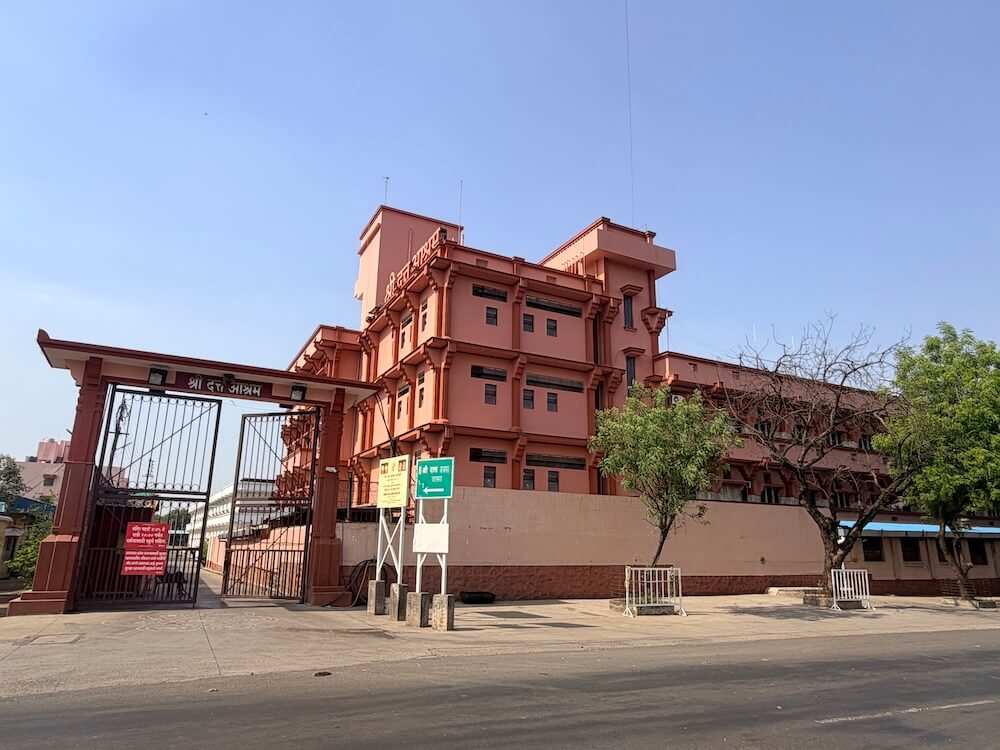
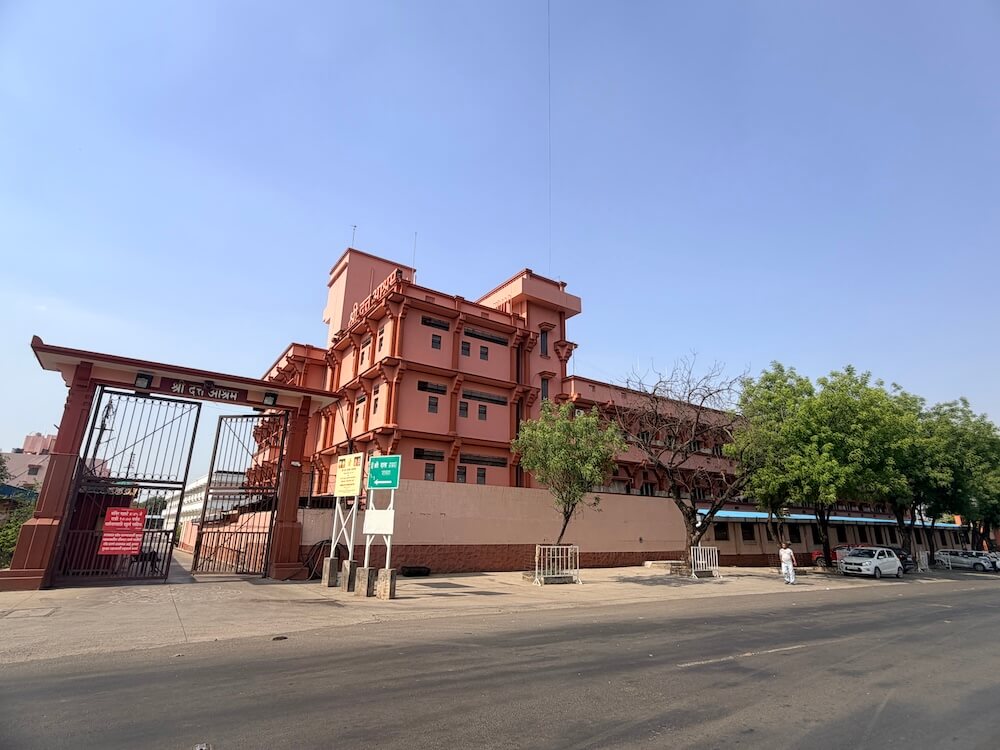
Shop Photo FramesShri Dattashram Sansthan, located in the Devmurti area at a short distance from Jalna city, is a significant center of devotion and social service. This ashram holds a prestigious place in the great saint tradition of Marathwada. The institution was established through the many years of profound penance of Param Pujya Tai Maharaj. This institution is connected to the famous Shringeri Sharada Peetham of South India, and this site has received the support of an ancient guru lineage. Due to the Ram Mandir, Dattatreya Paduka, and Shiva Mandir, this place has become a residence for all deities. The contribution of this ashram to the cultural and spiritual identity of Jalna is invaluable.
The Dattashram here is situated in a nature-rich area, and the official establishment of the ashram took place on १९ April १९९४, on the auspicious occasion of Ram Navami. Behind the creation of this ashram lies the sacrifice and hard work of a selfless guru-disciple tradition. The first main pillar of this tradition was Param Pujya Shri Dhundiraj Maharaj. He is also known as ‘Kavishwar’. Dhundiraj Maharaj was a saint of the Datta lineage, and his original residence was at Deulgaon Raja in Buldhana district. The second important name in this tradition is Param Pujya Shri Kajalkar Maharaj. He was famous among devotees as ‘Anna’. He was the father of Tai Maharaj and a disciple of Dhundiraj Maharaj. In his lifetime, he had completed the chanting of the name of Lord Shri Rama १३ crore times. It is the belief of devotees that due to this rigorous spiritual practice, he had a direct vision of Lord Shri Rama.
Param Pujya Shri Dattamaharaj Kavishwar was the son of Dhundiraj Maharaj and a gurubandhu (spiritual brother) of Tai Maharaj. However, Tai Maharaj considered him her guru. Dattamaharaj Kavishwar was a profound scholar of Vedanta and Dharma Shastra. In his honor and memory, this ashram has been named ‘Shri Dattashram’. The main founder of the ashram, Param Pujya Tai Maharaj, i.e., Shashikala Kajalkar, was born on Ram Navami. Her childhood was not spent playing like ordinary children. A few days after her birth, her father had entrusted her to the care of Dhundiraj Maharaj. From then on, she was raised by Dhundiraj Maharaj and his wife, Aaisaheb. From a young age, Tai Maharaj imbibed the values of devotion and service. Her entire time was spent doing household chores and reciting hymns of God. In १९५८, she received the guru mantra from Dhundiraj Maharaj. After coming to Jalna city following her marriage, she continued her spiritual practice steadily while fulfilling all the responsibilities of family life. Initially, she built a small temple in Jalna where the images of her gurus were kept. Later, with the blessings of Dattamaharaj Kavishwar, this place was transformed into a large ashram. Dattamaharaj Kavishwar had prophesied about this place that it would be a residence for all deities and would become a major center of spirituality in the future.
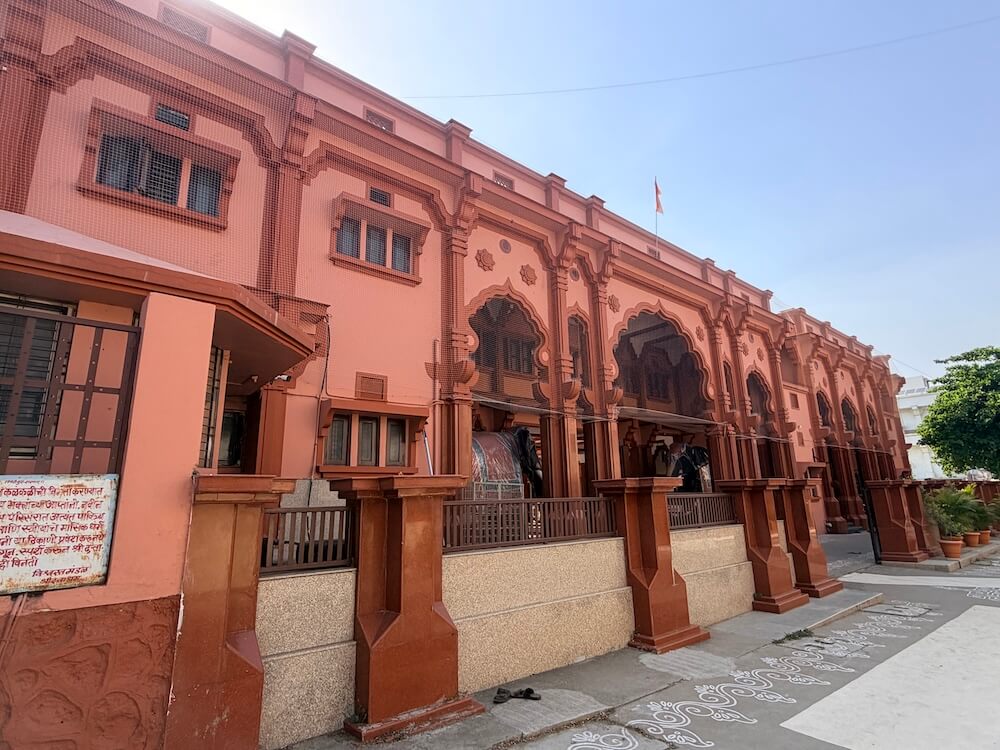
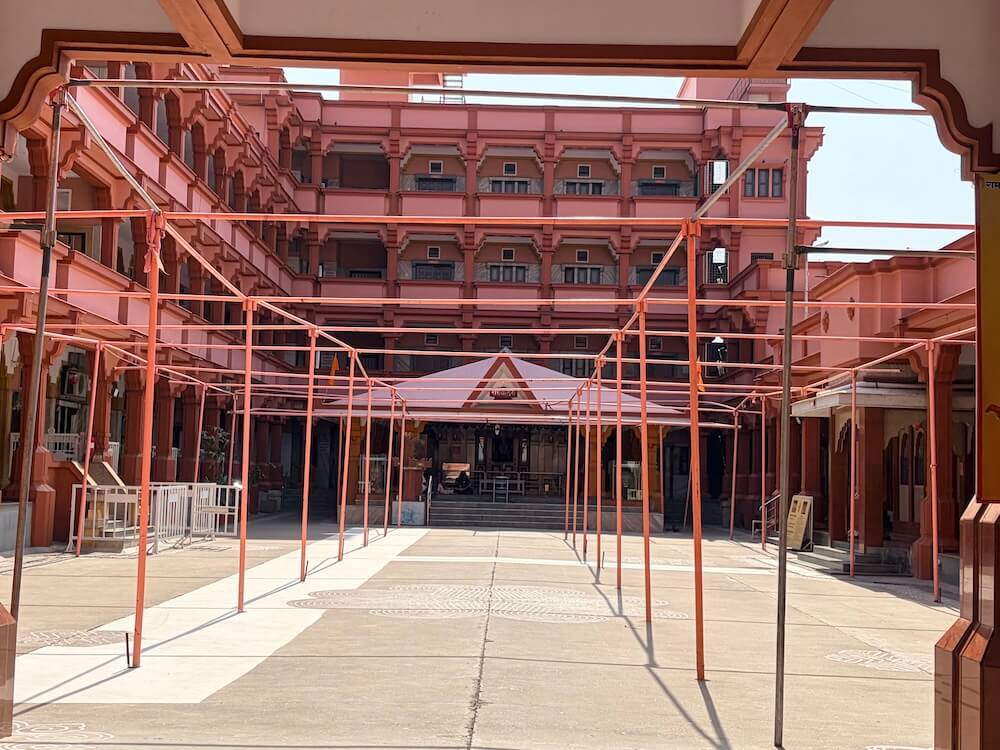
Shri Dattashram Sansthan is now connected to ‘Shri Shri Jagadguru Shankaracharya Mahasamsthanam Dakshinamnaya Shrisharadapeetham Shringeri’. The Shringeri Peetham was established by Adi Shankaracharya १२०० years ago. It is considered the oldest and the first of the four important Peethams of Sanatana Dharma. Currently, the ३७th Peethadhipati of this Peetham is presiding. Because Param Pujya Tai Maharaj decided to affiliate the ashram with this Peetham, this place has received the protection of a great and ancient tradition. Now, the entire management of this ashram is looked after by the official Board of Trustees appointed by the Shankaracharya. The ashram complex is built in a very planned manner. Upon entering, the first thing one sees is Shri Raghavdham, the main Ram Mandir. Although the exterior structure of this temple is simple like a hermitage, its construction is of RCC method. Here, there are very beautiful idols of Shri Rama, Sita, Lakshmana, and Hanuman. They have been brought after being crafted in Jaipur, Rajasthan. The open space in front of the temple is used as a large platform for discourses and kirtans. The second important temple in the ashram is the ‘Shri Datta Paduka Mandir’. This temple is on the right side of the Nagarkhana and faces east. The specialty of this structure is that this temple is built around an Audumbar tree. Silver padukas (footprints) have been installed at the exact spot where Dattamaharaj Kavishwar once sat. Near the padukas, there is also an idol of Shri Jagadamba.
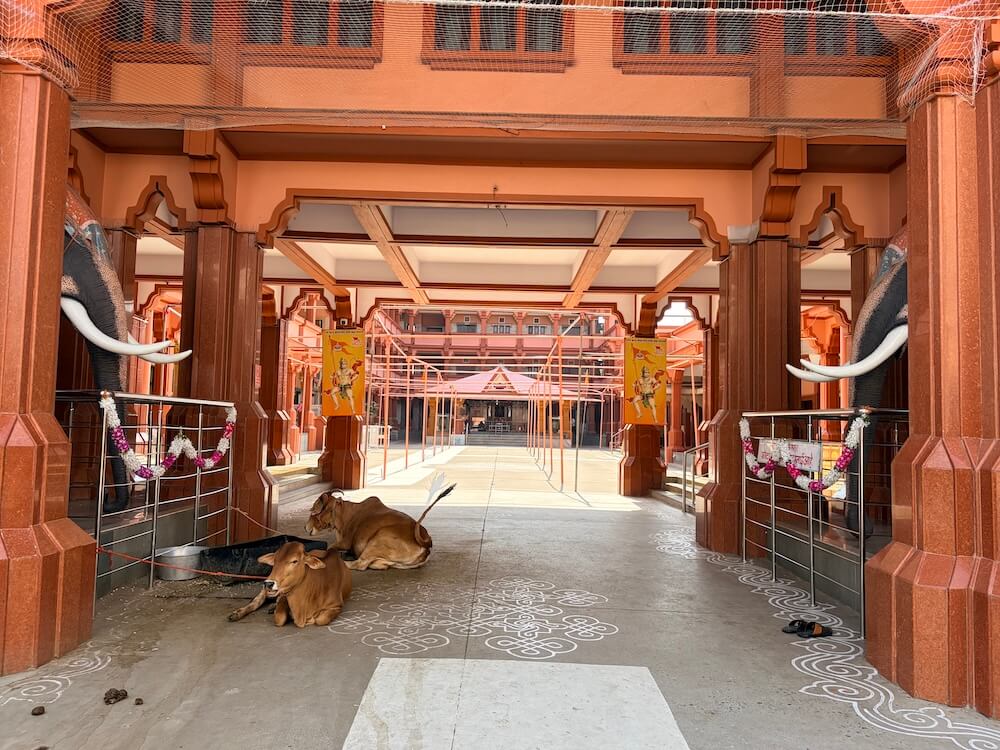
In the ashram, the ‘Shri Sant Dham’ is a place for the memories of all the saints of the tradition, and chanting takes place here daily. Below this Sant Dham is a basement called ‘Shri Prabhudham’. On the northwest side of the ashram is ‘Shri Abhirameshwar’, a temple of Mahadeva. The Shiva Linga and the Nandi idol here are crafted in a special style of Karnataka. Apart from this, a large Yajnashala with twelve pillars has been built here for Vedic rituals. These pillars have been given specific colors according to the Vedas. There are five separate sacrificial pits (Yajnakundas) here, and large yajnas are performed here every year. There is also a large cowshed (Goshala) in the ashram. The milk from there is used for the worship of God and for the refreshments of the devotees. All festivals and celebrations are performed here with discipline. Ram Navami and the birthday of Tai Maharaj are the biggest festivals here. During this time, continuous chanting and discourses take place. Datta Jayanti is celebrated in the month of Margashirsha, and since the year २००७, Lakshachandi and Shatachandi yajnas are performed here every year. Thousands of devotees come to Jalna for Guru Purnima in the month of Ashadha. The daily routine of the ashram begins at five in the morning with Kakad Aarti. From १० PM on Saturday to ५ AM on Sunday, the ‘Digambara Digambara’ chant is sung continuously. On every Ekadashi, female devotees walk to the ashram carrying Tulsi on their heads. It is famous as ‘Ekadashi Vari’. Mahaprasad is distributed free of cost to the devotees in the ashram; this activity is carried out for ८ to १० consecutive days, especially during the time of Holi.
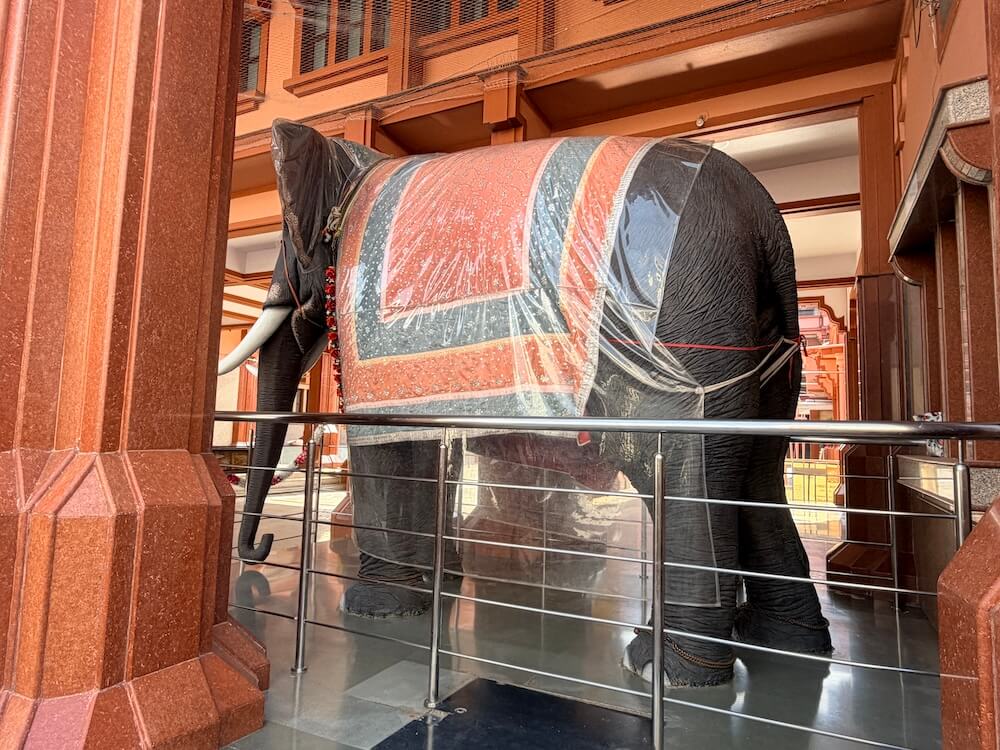
This sacred temple stands as a testament to deep spiritual devotion, ancient architectural grandeur, and rich local cultural traditions.
The sanctum sanctorum houses the divine idol consecrated according to ancient Vedic traditions, surrounded by serene courtyards and traditional temple architecture.
Navratri, Maha Shivratri, Annual Temple Jatra & Deepotsav
Compare and book flights, secure top-rated local hotels near the temple, hire reliable guides, and rent cars instantly.
Extend your pilgrimage by visiting other highly sacred temples located nearby.


Add ₹999 more to unlock FREE SHIPPING!
Your sacred cart is currently empty.
Shop Photo FramesFill in your delivery details below to place your order.
Add comment