
Add ₹999 more to unlock FREE SHIPPING!
Your sacred cart is currently empty.
Shop Photo FramesThe Kanva Rishi Ashram is situated in the village of Kanalda, on the banks of the Girna River in Jalgaon taluka. Within the premises of this ashram lies the ancient Siddheshwar Temple. Located on the banks of the Girna River, this ashram is nestled in a nature-rich environment. Kanva Rishi was a renowned sage of the Vedic era. It is said that a significant portion of the Rigveda, one of the four Vedas, was composed by Kanva Rishi and his descendants. This sage was also known by the name Karnesh. It is believed that the Siddheshwar Temple and the Kanva Rishi Ashram here date back to the Treta Yuga.
According to mythological legends, Vishwamitra was an ascetic sage, but before becoming a sage, he was a king. He desired the Kamadhenu cow from Vashistha Rishi and waged a war against him to obtain her. Vishwamitra lost that war. Unable to bear the defeat, he sat for penance. During this period, the celestial nymph Menaka disrupted his penance. Kanva Rishi took care of Shakuntala, the daughter of Vishwamitra and Menaka. The Gandharva marriage between King Dushyanta of Hastinapur and Shakuntala took place in this very ashram. Shakuntala’s son, Bharat, also spent his childhood in this ashram. Later, it was because of King Bharat that the country received the name ‘Bharat’.
It is said that on April 13, 1968, during the Brahma Muhurta, Yogiraj Swami Chandrakiran Maharaj, who lived in Mumbai, had a divine vision through which he learned about this place. Following the vision, the Swami discovered this location within the next 11 days. After staying here for a few years, he transformed the entire area. Since then, this once-forgotten place has become a site of faith for many devotees.
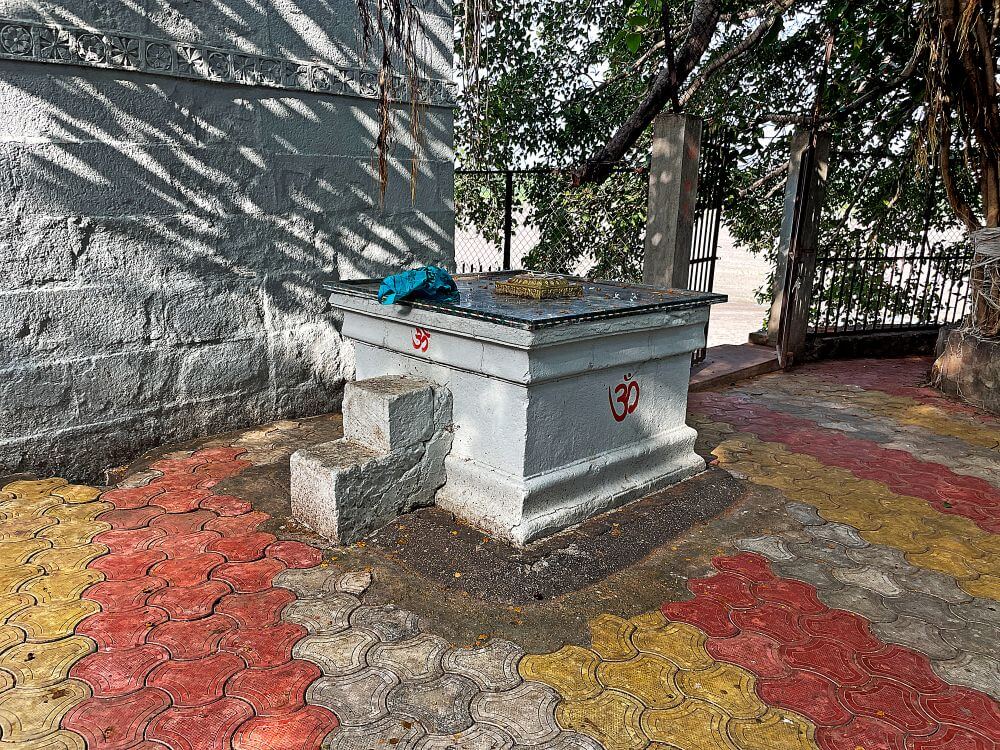
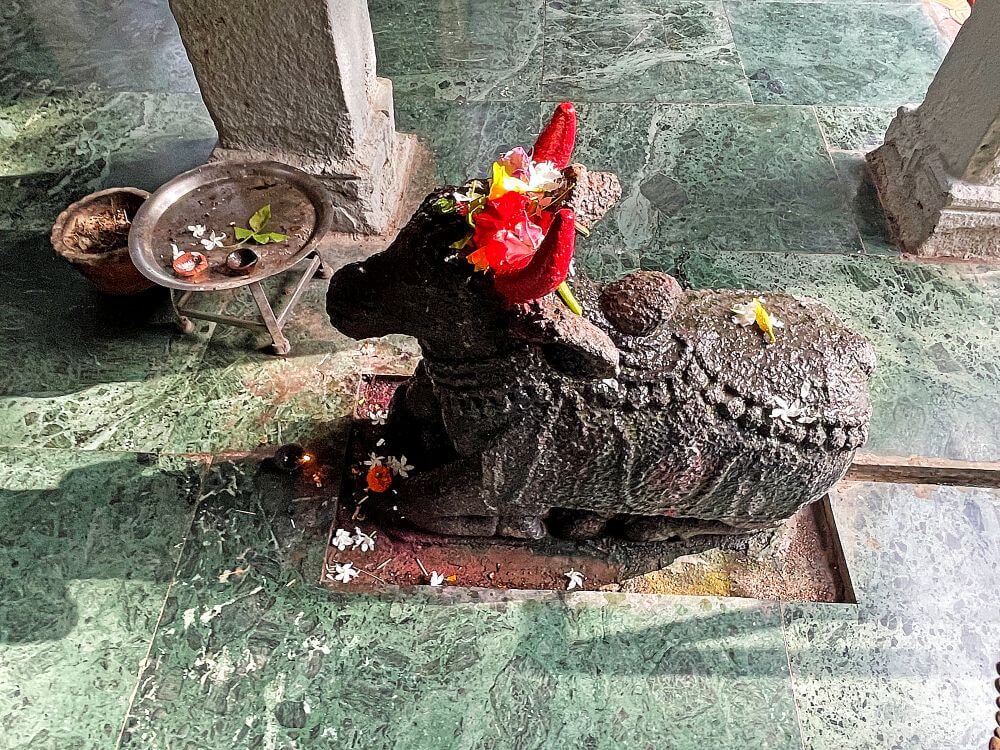
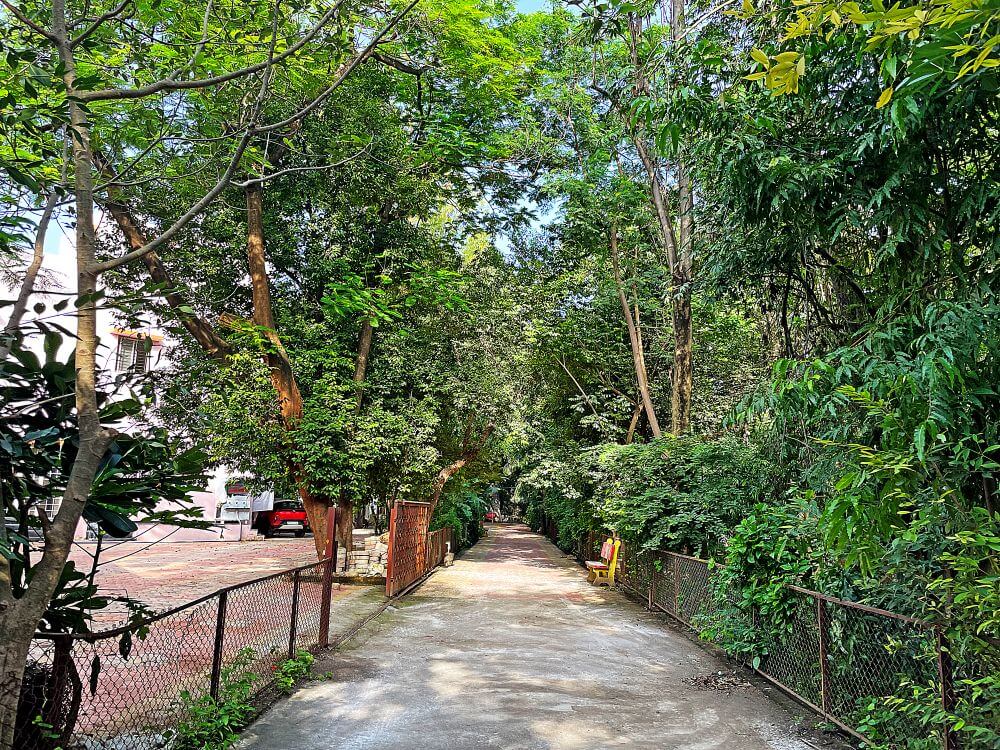
The Kanva Rishi Ashram and Siddheshwar Temple are located in the central part of Kanalda village on the banks of the Girna River. The ashram premises are spacious and surrounded by a boundary wall. One enters the ashram grounds through a large gateway in this wall. The entire area is covered with dense greenery and a developed garden. A paved path leads from here to the Kanva Rishi Ashram. In the ashram courtyard, there is a large stone bastion. Opposite this bastion stands the ancient Siddheshwar Temple. The temple’s assembly hall (sabhamandap) has ten stone pillars. In the assembly hall, in front of the sanctum sanctorum, there is an ancient Nandi idol carved from a single stone. The door frames of the sanctum sanctorum are intricately carved. All the walls of the temple are made of stone. In the center of the sanctum sanctorum is the Siddheshwar Linga. This Linga, which is slightly elevated from the ground, is carved from a single stone. A serpent deity made of Panchadhatu (five metals) is coiled around it. It is said that this Shiva Linga dates back to the Treta Yuga. The temple has a dome-shaped shikhara, topped with an amalaka and a kalasha. Next to the Siddheshwar Temple is an ancient banyan tree. It is believed that Shri Ram, Lakshman, and Sita rested under this tree for some time during their exile.
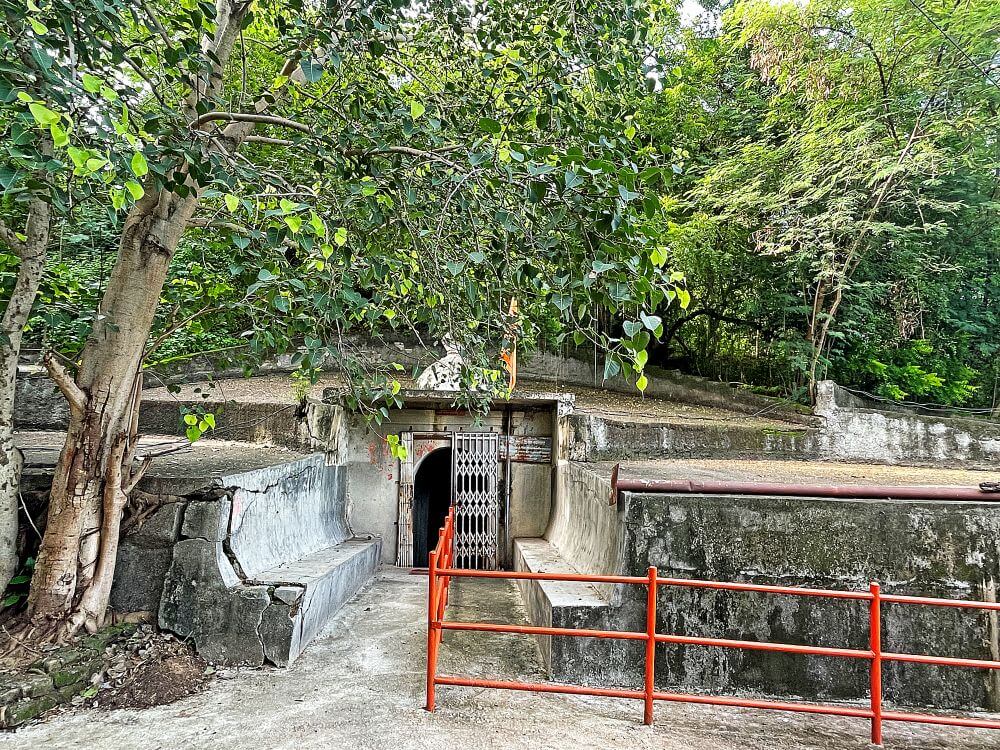
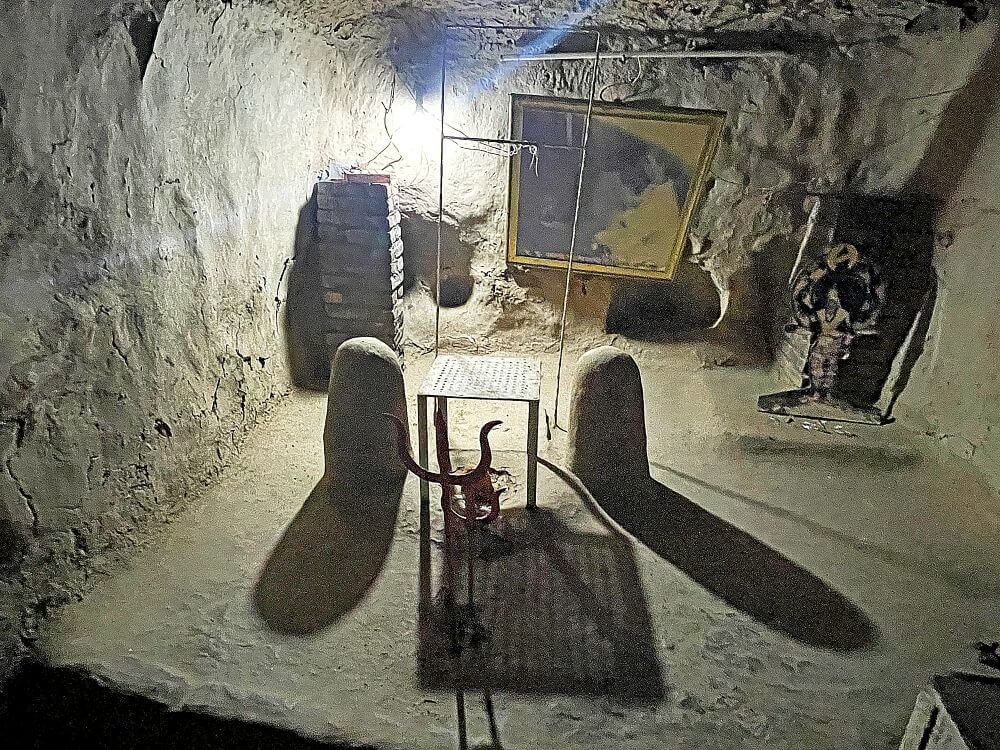
On the side facing the Siddheshwar Temple, there is a large elevated mound adjacent to the hillside. Climbing a few steps, one enters the courtyard located on this bastion-like mound. From here, there is a path leading to the cave where Kanva Rishi performed his penance. Descending a few steps from this path, one enters a cave. In this cave, two circular stones and some square stones are stacked on top of each other. There are two tunnels on both sides of this cave. Upon coming out, one finds the Samadhi site of Chandrakiran Maharaj and his disciple, Satyanand Maharaj.
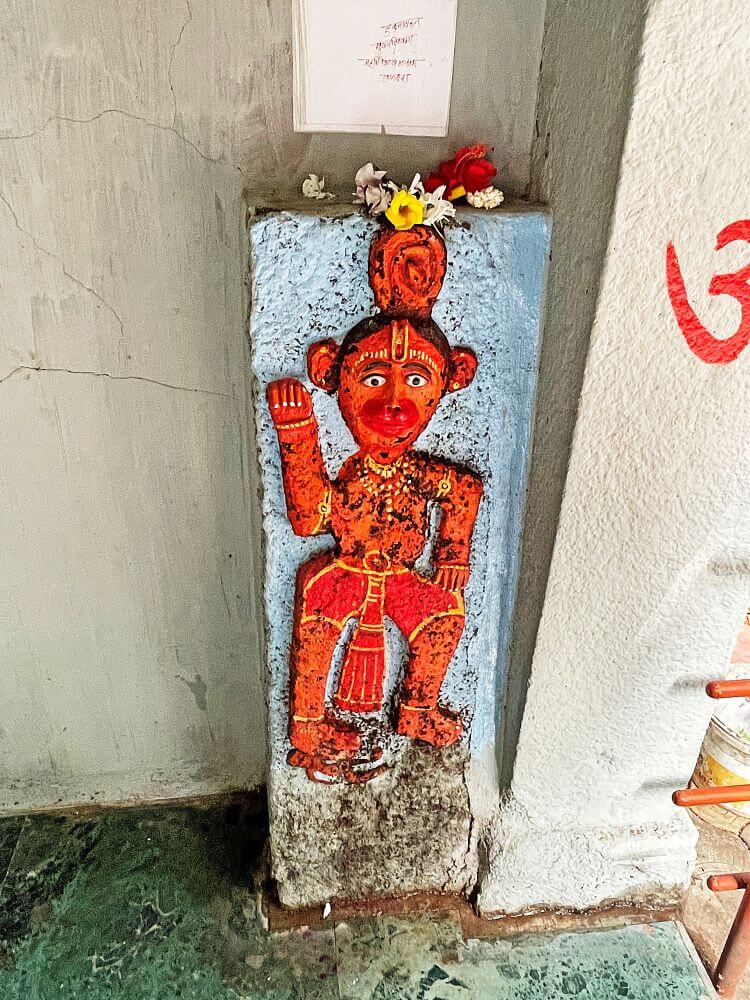
Near the temple, there is a Yajnashala, a beautiful structure built of cement and concrete. Additionally, there is a temple of Shri Krishna here, which houses a graceful idol of Shri Krishna holding a flute. To the left of the Krishna idol is an idol of Vedmata Gayatri Devi. In front of the Krishna idol, there is a small marble Shiva Linga and Nandi. Climbing a few steps up from this temple, one reaches the temple of Bhagwati Mata. In the sanctum sanctorum of the temple, there is a marble idol of Bhagwati Mata seated on a throne. The eight-armed idol holds objects such as weapons, flowers, and a conch. She wears a crown, jewelry, and a saree draped in the Gujarati style. In this same area is the Paduka-sthan (footprint shrine) of Shri Chandrakiran Maharaj, where an idol of him wearing saffron robes is placed.
In this temple, during the month of Shravan, the chanting of ‘Om Namah Shivaya’ continues daily from 7:00 AM to 7:00 PM. Many devotees, along with the villagers, are present during this time. Devotees can visit for darshan daily from 6:00 AM to 7:00 PM.
This sacred temple stands as a testament to deep spiritual devotion, ancient architectural grandeur, and rich local cultural traditions.
The sanctum sanctorum houses the divine idol consecrated according to ancient Vedic traditions, surrounded by serene courtyards and traditional temple architecture.
Navratri, Maha Shivratri, Annual Temple Jatra & Deepotsav
Compare and book flights, secure top-rated local hotels near the temple, hire reliable guides, and rent cars instantly.
Extend your pilgrimage by visiting other highly sacred temples located nearby.


Add ₹999 more to unlock FREE SHIPPING!
Your sacred cart is currently empty.
Shop Photo FramesFill in your delivery details below to place your order.
Add comment