
Add ₹999 more to unlock FREE SHIPPING!
Your sacred cart is currently empty.
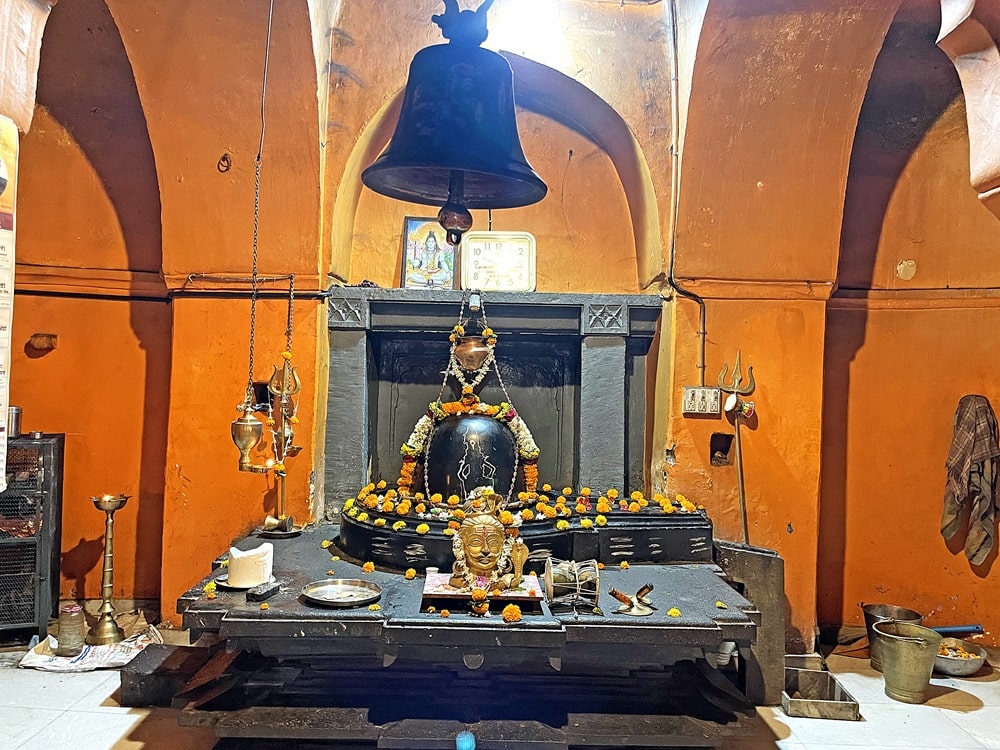
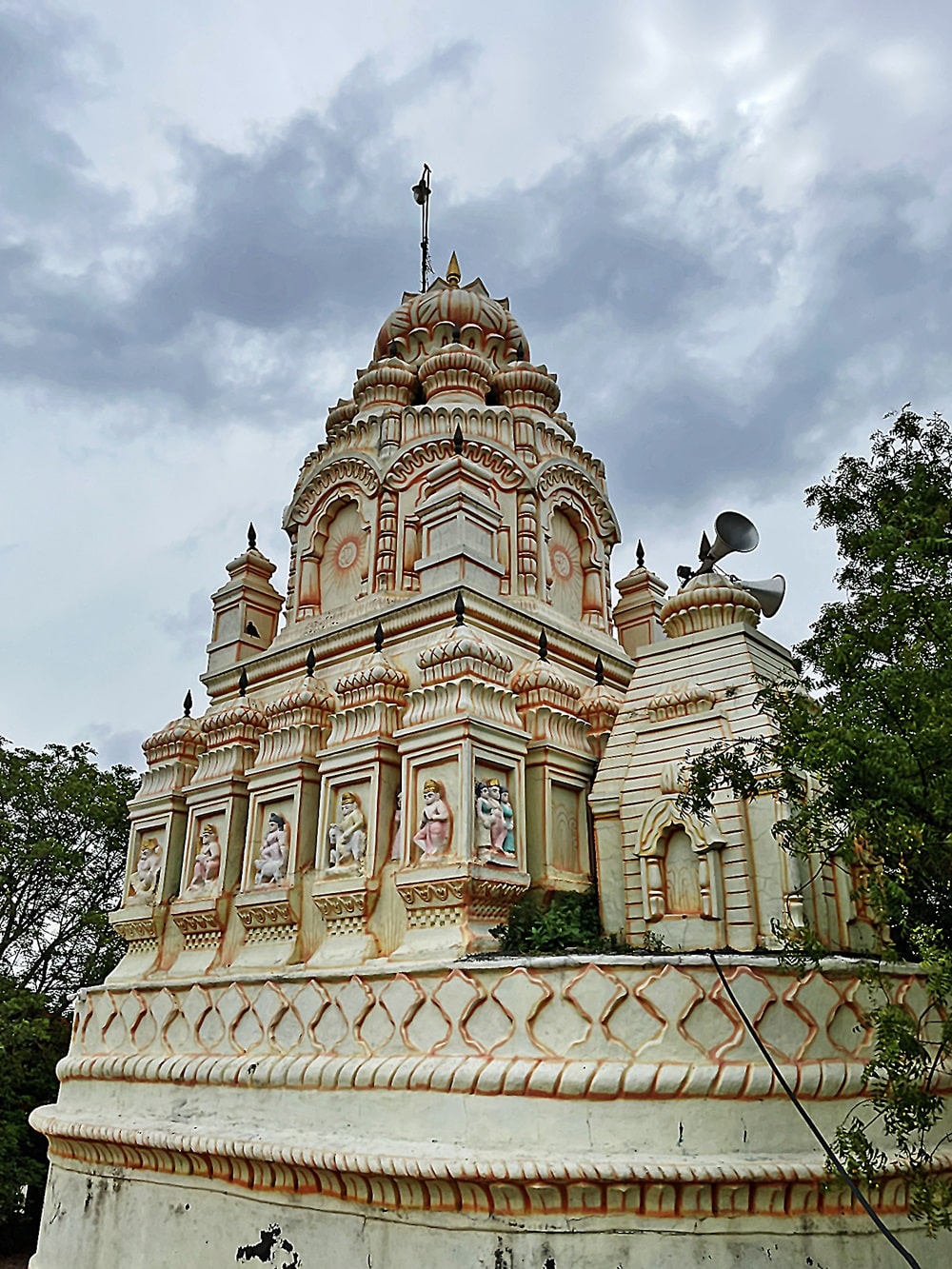
Shop Photo FramesSituated on the banks of the Karha River in Purandar Taluka, the ancient Pandaveshwar Shiva Temple is a place of deep faith for thousands of devotees. It is a popular belief that the Pandavas built this temple in just one night during their period of exile (Agyatvas). A unique feature of this Hemadpanti-style temple is that the magnificent Shiva Linga here is enshrined upon a throne. It is said that this Linga was donated by the Pandavas. Additionally, there are shrines dedicated to Kunti, Dharma, Bhima, Nakula, and Sahadeva within the temple premises. It is believed that there are very few temples named Pandaveshwar in all of India, and among them, this temple in Purandar Taluka is especially renowned. Ancient texts like the Skanda Purana and the Mahabharata contain references to the Shiva Lingas established by the Pandavas in various places. The Marathi text Pandavpratap, written by Shridhar Swami Nazarekar, describes the devotion of the Pandavas during their exile and the Shiva worship they performed at different locations. The word Pandu in the name Pandaveshwar is directly linked to King Pandu. The Shiva Linga established by the Pandavas with the noble intention that their father’s soul might attain salvation and reach union with Shiva is known as ‘Pandaveshwar’. According to religious belief, remembering this name grants liberation from ancestral curses and provides the devotee with the mental strength necessary to achieve their goals during times of crisis. In spiritual texts, Shiva is also referred to as ‘Pandavpriya’ because Lord Shiva always supported the Pandavas during their difficult times. The name Pandaveshwar represents a confluence of two important values: gratitude towards ancestors and surrender to the Divine. According to experts in architecture, the original foundation and the structure of the sanctum sanctorum of the Pandaveshwar temple here likely date back to between the tenth and twelfth centuries. During the medieval period, this region remained under the influence of various powers, which led to changes in the temple’s structure. During the time of the famous Adil Shahi era commander Murar Jagdev, a strong stone fortification was built around this temple for protection. Later, in the eighteenth century, following the expansion of the Maratha Empire, the temple underwent extensive renovation. Punyashlok Ahilyabai Holkar of the Holkar dynasty of Indore and the Peshwas of Pune restored the former glory of this ancient temple. The lower part of the temple is made of stone, while the upper spire is constructed of brick and lime. An inscription from the year 1118 of the Shaka era sheds light on the ancient history of this temple. This inscription, which mentions the names of individuals such as Vitthalbhat Joshi, is considered significant evidence for the temple’s historical records. The legend of this temple states that when the Pandavas were in exile, they stayed for some time in this valley of the Karha River. They required pure water to perform the Shraddha ceremony for their father, King Pandu. At that time, there was a severe scarcity of water in this region, and to overcome this difficulty, the mighty Bhima prayed to Lord Shri Krishna. Shri Krishna told him that Lord Brahma, the creator of the universe, was performing penance on the mountain to the west, and his Kamandalu contained the sacred water of 108 rivers. Bhima rushed to Lord Brahma, took his ‘Kar’—that is, the Kamandalu of water—and ran towards Pandeshwar. As Lord Brahma began to pursue Bhima, Bhima placed Bel leaves and rice at various places along the way. Seeing this, Lord Brahma would stop at each spot to install a Shiva Linga and perform worship, and taking advantage of this delay, Bhima reached Pandeshwar. The stream that was formed from the water that spilled from that Kamandalu later The ‘Karha’ river originated. Wherever Lord Brahma performed worship along the way, great Shiva temples such as Changavateshwar, Sangameshwar, and Nageshwar were established at those sites.
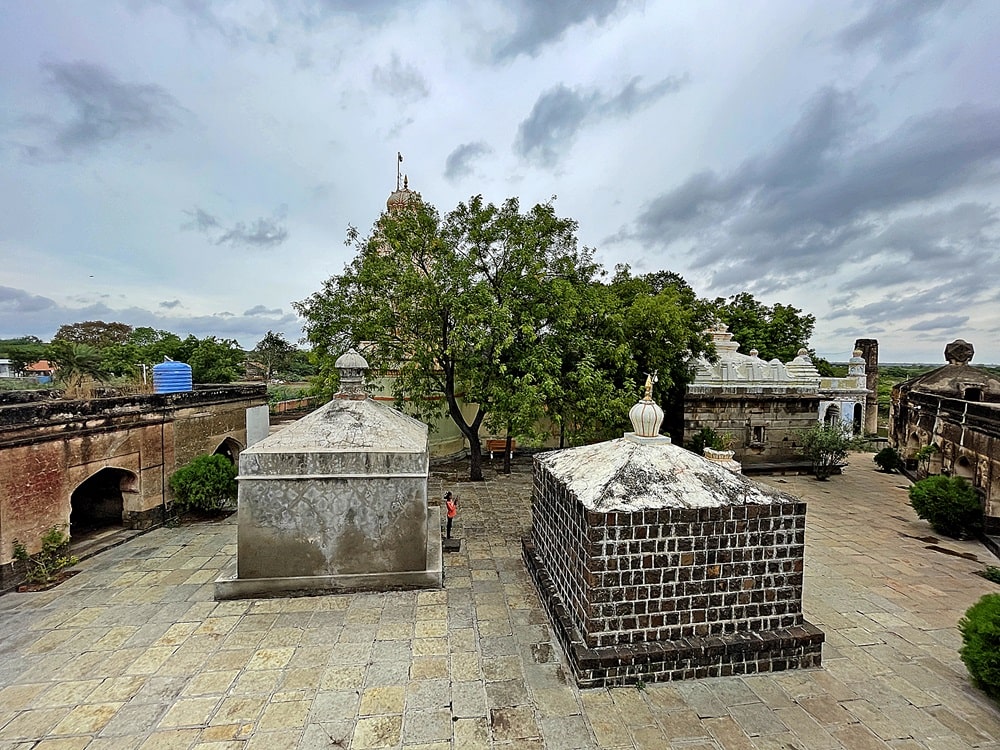
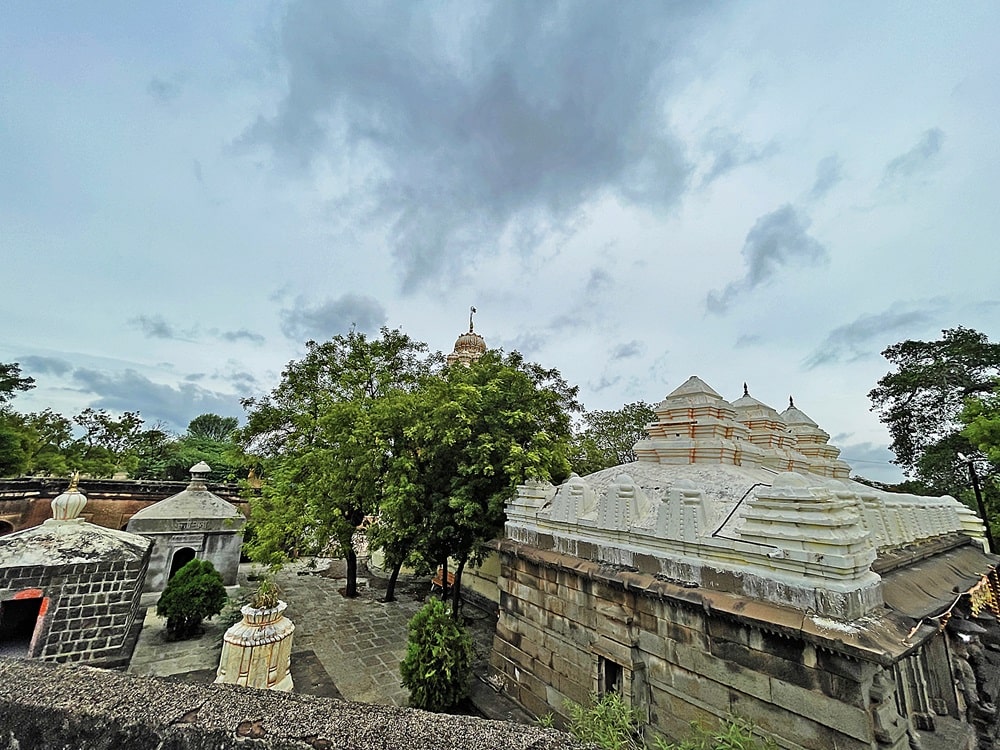
This temple is located in the small village of Pandeshwar, situated on the main Jejuri-Morgaon road. Before entering the temple premises, the spacious stone ghat built on the Karha River catches one’s attention. Situated on the northern bank of the river, the temple is surrounded by a high fortification wall that protects it from floodwaters. Inside this fortification, cloisters have been built for the rest of devotees and pilgrims. In the Nandi Mandapa in front of the temple, a large monolithic statue of Nandi, the vehicle of Lord Shiva, is enshrined. Behind the Nandi Mandapa stands a tall, circular stone pillar. Inside it, there is a facility of narrow stairs to reach the roof. In the temple courtyard, there are separate small temples dedicated to Dharma, Bhima, Nakula, Sahadeva, and their mother Kunti. However, there is no separate temple for Arjuna here. But locals say that it is located in a nearby village called Javal-Arjun.
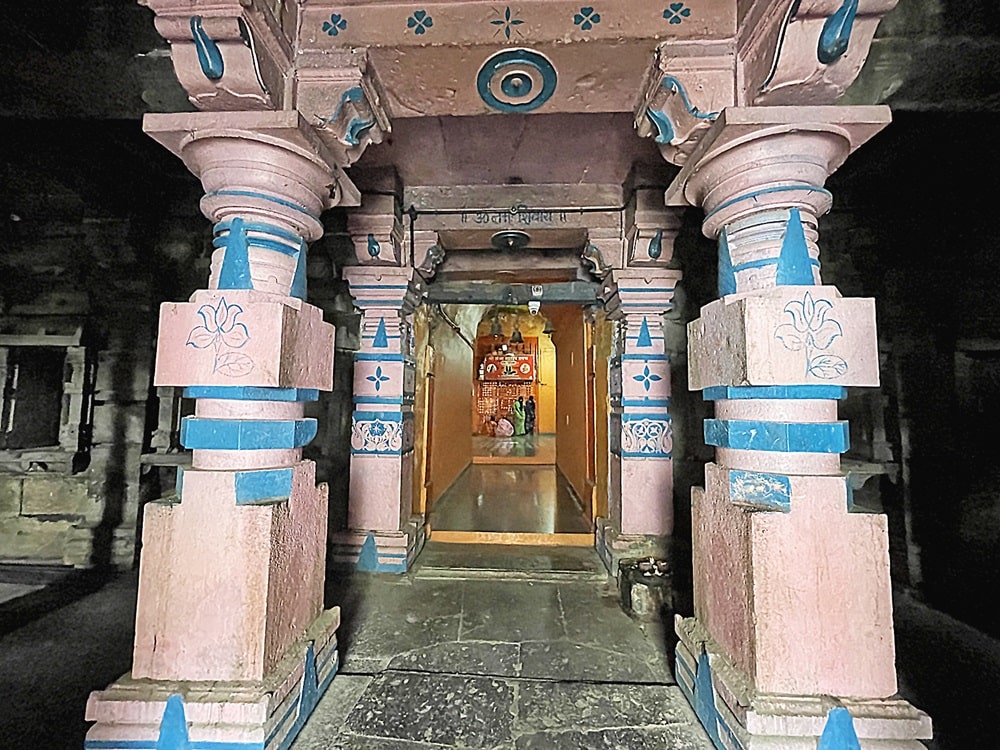
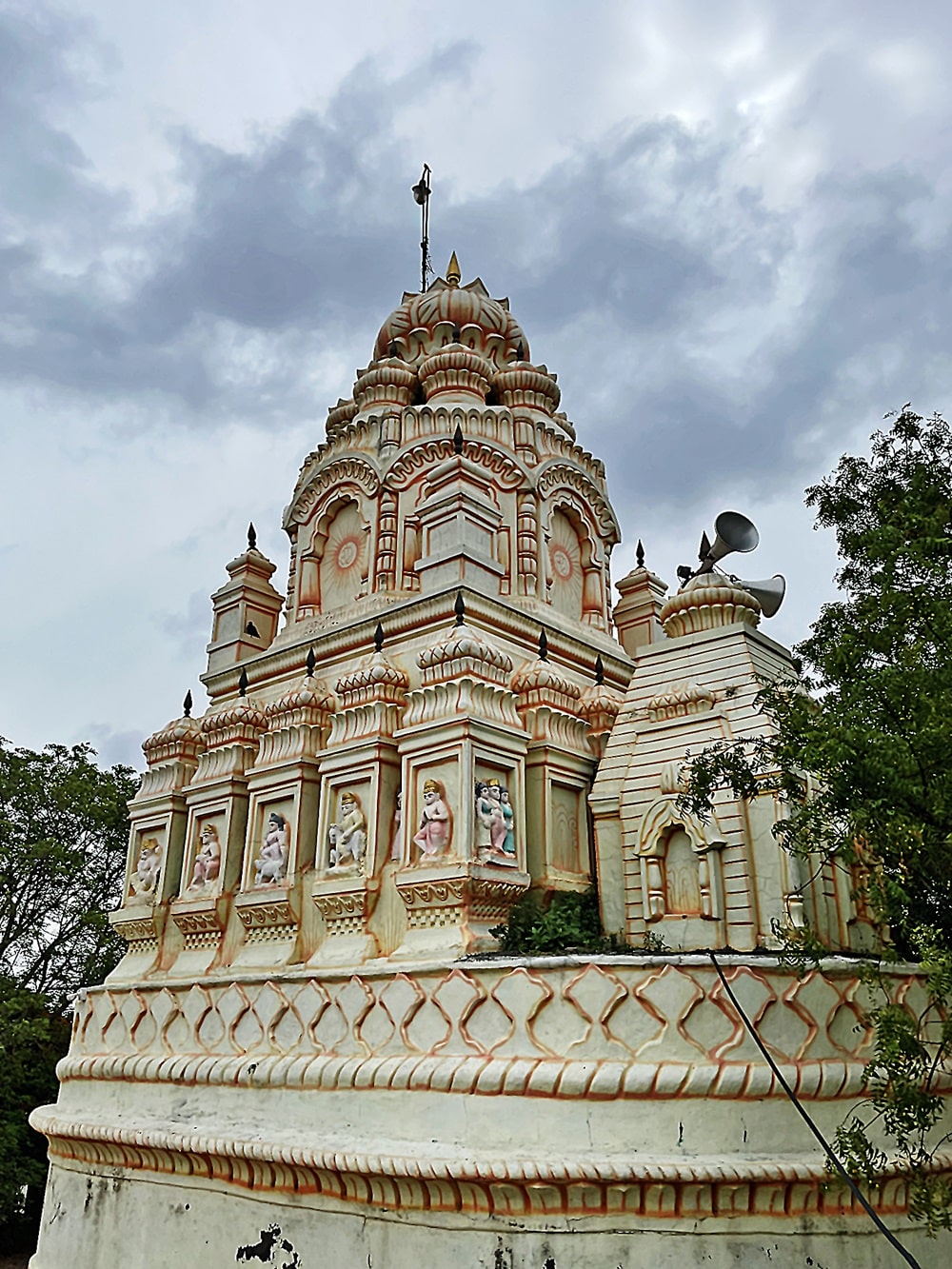
The entrance of this temple, a beautiful specimen of architecture, is exquisitely crafted. On both sides of the entrance stand large sculptures of gatekeepers (Dvarapalas). They are adorned with anklets on their feet, belts around their waists, intricate necklaces around their necks, and tapering crowns upon their heads. Stone canopies are carved above their heads. Even after hundreds of years, the beauty of these sculptures remains intact. The outer walls of the temple feature latticed windows, delicate floral carvings, and sculpted idols of various deities. The main assembly hall (Sabhamandapa) contains numerous ornate pillars decorated with carvings of hooded serpents and floral vines. Passing through a narrow, semi-circular passage from the assembly hall, one enters the sanctum sanctorum (Garbhagriha). Here, on a high stone throne, resides the large Shiva Linga of Lord Pandaveshwar. A Shiva Pindi of such massive size is rarely seen in other temples. The temple spire is built in the Maratha style and is adorned with numerous small niches. Within these, the images of various saints and deities are painted in attractive colors.
Maha Shivratri is considered the grandest and most enthusiastic festival at this temple. On this day, thousands of devotees take a holy dip in the Karha River and seek the blessings of Mahadeva. From early dawn, Rudrabhishek, Dugdhabhishek, and special Aartis are organized within the temple. Every Monday during the holy month of Shravan, a large crowd of devotees gathers here, and many pilgrims arrive barefoot to offer Bel leaves to Mahadeva. Tripuri Purnima, which falls after Diwali, is also celebrated here with a grand festival of lights.
This sacred temple stands as a testament to deep spiritual devotion, ancient architectural grandeur, and rich local cultural traditions.
The sanctum sanctorum houses the divine idol consecrated according to ancient Vedic traditions, surrounded by serene courtyards and traditional temple architecture.
Navratri, Maha Shivratri, Annual Temple Jatra & Deepotsav
Compare and book flights, secure top-rated local hotels near the temple, hire reliable guides, and rent cars instantly.
Extend your pilgrimage by visiting other highly sacred temples located nearby.


Add ₹999 more to unlock FREE SHIPPING!
Your sacred cart is currently empty.
Shop Photo FramesFill in your delivery details below to place your order.
Add comment