
Add ₹999 more to unlock FREE SHIPPING!
Your sacred cart is currently empty.
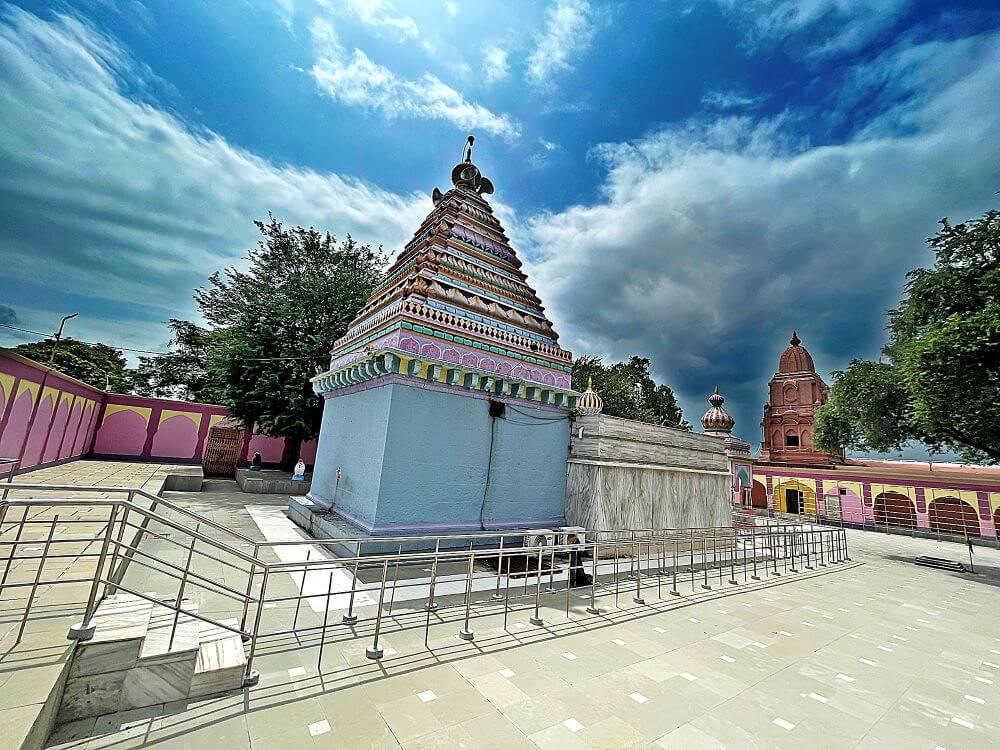
Shop Photo FramesThe Ramling Temple located in Shirur, a taluka headquarters in Pune district, is famous. This place is called ‘Ramling’ because Lord Rama created the Shiva Linga here. This ancient holy site is renowned as a ‘deity that grants wishes’. It is believed that this land was sanctified by the touch of Lord Rama’s feet, which is why there is a constant flow of devotees here.
The legend of the temple is that while going towards Lanka, Lord Rama killed a demon named Rur on the banks of the Ghod River. Since the head (shir) of that demon fell here, this place was named ‘Shir-rur’; over time, it became ‘Shirur’. While traveling to Lanka, Lord Rama would travel all day and stay at a place at night. Upon stopping for the night, he would create a Shiva Linga and immerse it in the river at dawn, before sunrise. It is believed that he created and immersed a Linga in the same way at Shirur.
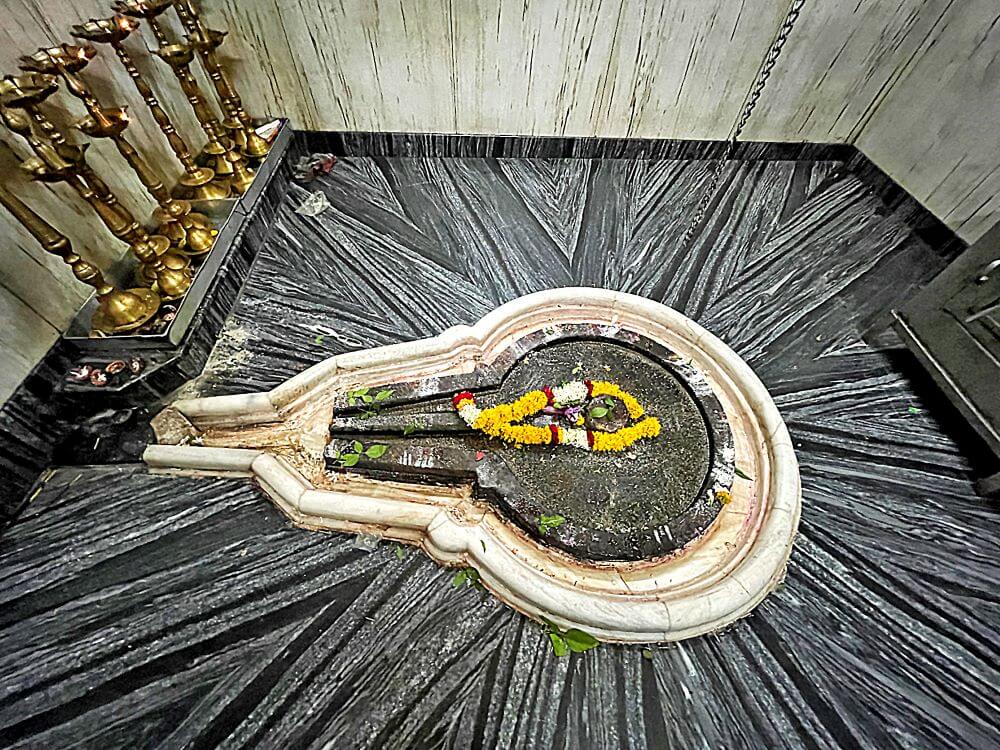
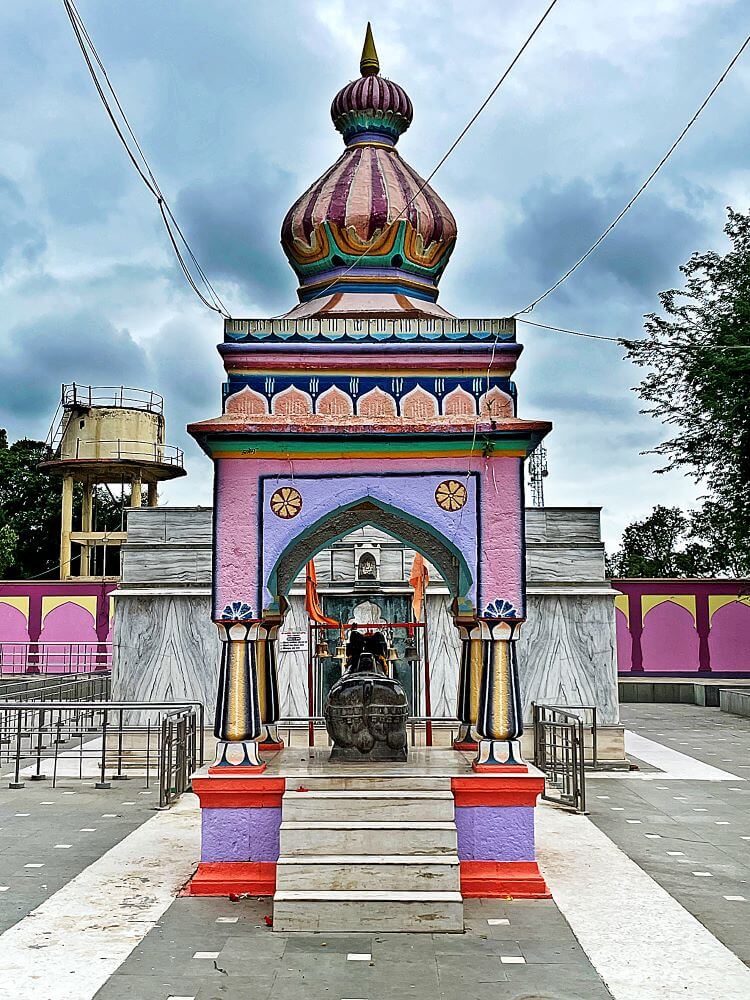
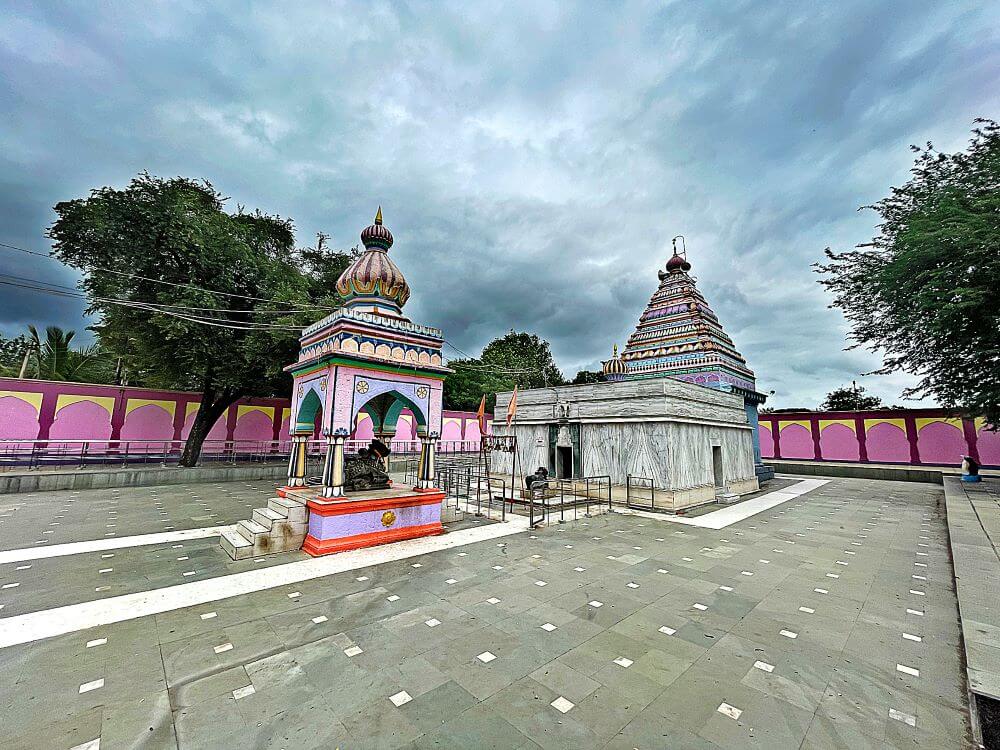
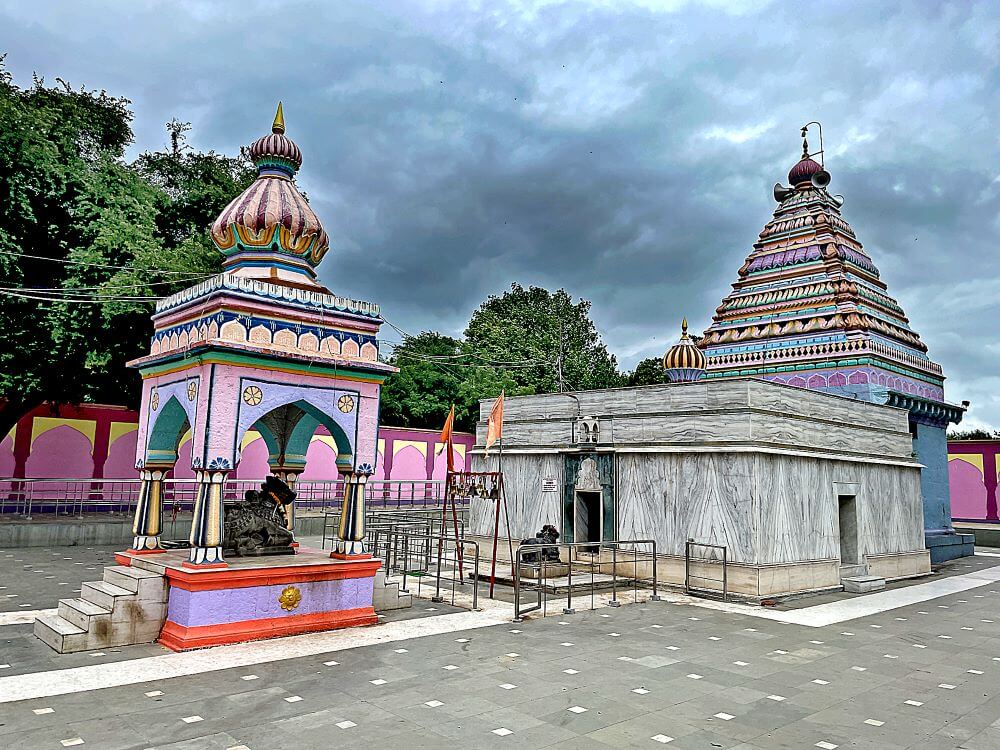
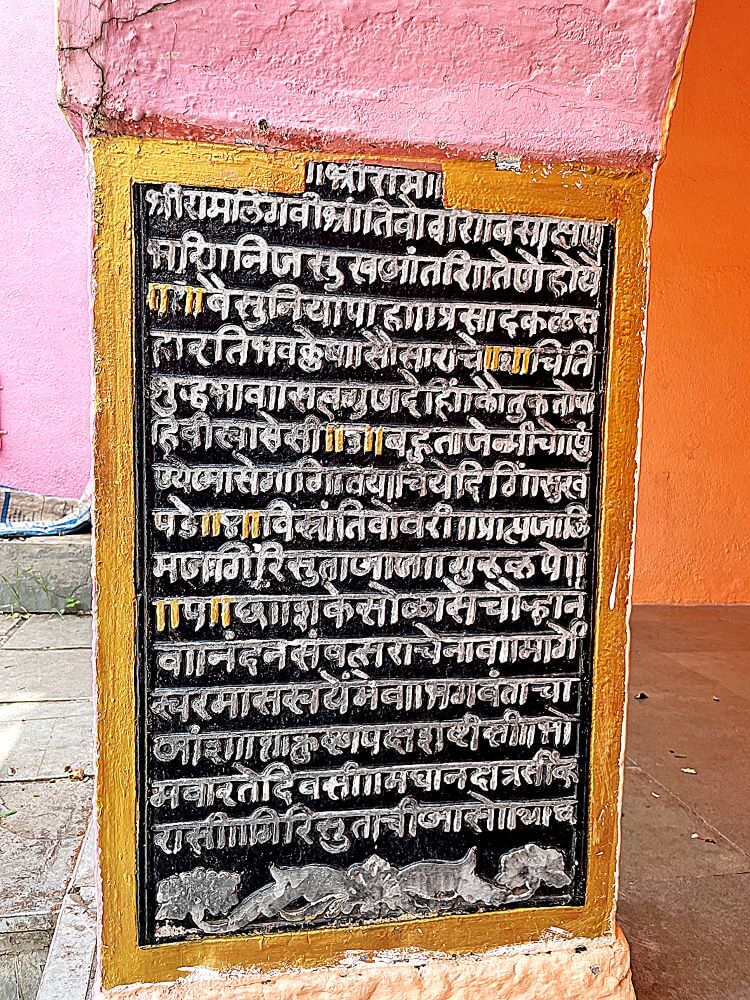
The fifth king of the Yadava dynasty, Bhillamdev, built this Shiva temple in the 12th century. In front of this Hemadpanti temple, there was a nine-bay stone assembly hall (sabhamandap) and a small Nandi. In 1694, during the Peshwa period, Girisuta renovated this temple. At that time, the temple was constructed with a pinnacle (kalash), a large Nandi in front, a northern entrance, and mud walls and cloisters (ovari) around the temple. In 1952, stone walls were built with the help of the villagers. In 1974, Rasik Dhariwal established the Ramling Temple Renovation and Social Development Board and started organizing a fair on the day of Mahashivratri. Upon entering the fortified temple premises, one can see a brick-colored entrance gate and a pinnacle of the same color above it. A peaceful atmosphere, spacious premises, and the colorful structure of the temple can be seen here. Marble flooring has been used in the temple premises. Near the entrance, there is a beautiful Nandi pavilion where a finely carved Nandi is situated. A small replica of Nandi can also be seen outside the main temple. Marble flooring has also been used inside the stone-carved temple. The assembly hall features distinctive carvings. The sanctum sanctorum (gabhara) of the temple is 10 feet deep, and the Shiva Linga is situated within it. The walls of this sanctum also have carvings.
A fair is held at the temple for three days starting from Mahashivratri. At the same time, a Harinam Saptah is also conducted, and food is offered to the devotees who come here by the villagers from the surrounding five villages. On the afternoon before Mahashivratri, a palanquin procession carrying the image of Lord Ramling departs from the Shivseva Temple on the Ghod River. After that, this palanquin ceremony continues in the village until dawn. On the third day of the fair, bullock cart races are held. There is a devotee residence (bhaktaniwas) facility here for the accommodation of devotees coming from outside the town.
Aarti is performed in the temple at 5:30 in the morning and around 7 in the evening. Villagers, devotees, and worshippers are present for this Aarti. Items required for worship and offerings (prasad) are sold in the temple premises.
This sacred temple stands as a testament to deep spiritual devotion, ancient architectural grandeur, and rich local cultural traditions.
The sanctum sanctorum houses the divine idol consecrated according to ancient Vedic traditions, surrounded by serene courtyards and traditional temple architecture.
Navratri, Maha Shivratri, Annual Temple Jatra & Deepotsav
Compare and book flights, secure top-rated local hotels near the temple, hire reliable guides, and rent cars instantly.
Extend your pilgrimage by visiting other highly sacred temples located nearby.


Add ₹999 more to unlock FREE SHIPPING!
Your sacred cart is currently empty.
Shop Photo FramesFill in your delivery details below to place your order.
Add comment