
Add ₹999 more to unlock FREE SHIPPING!
Your sacred cart is currently empty.
Shop Photo FramesThe spiritual land of Beed district is blessed with a rich heritage of temples and the presence of saints. Ghatnandur, a village in the Ambajogai taluka of this district, is famous as a major marketplace. The Someshwar Temple, the presiding village deity of this place, has become a place of faith for thousands of devotees. In the Panchkroshi Yatra of Parli Vaijnath Jyotirlinga, visiting Someshwar holds special significance. A unique feature of this ancient temple in Ghatnandur is that the Borna (Somganga) river originates from the Shiva Linga itself.
Although many forms and names of Lord Shiva are prevalent in Indian culture and Sanatan Dharma, the name ‘Someshwar’ holds a special place. In Sanskrit, ‘Som’ means the Moon and ‘Ishwar’ means Lord or Master; meaning ‘Lord of the Moon’ or ‘the God who was worshipped by the Moon’. In the Vedas, ‘Som’ is considered a symbol of nectar and medicinal plants. In the Rigveda, the Som-ras is considered the drink of the gods, which grants immortality. When Shiva is addressed as ‘Someshwar’ or ‘Somnath’, it means that He is not only the protector of the Moon but also the original source and guardian of all nutritional values, the mind, and medicinal powers in the universe.
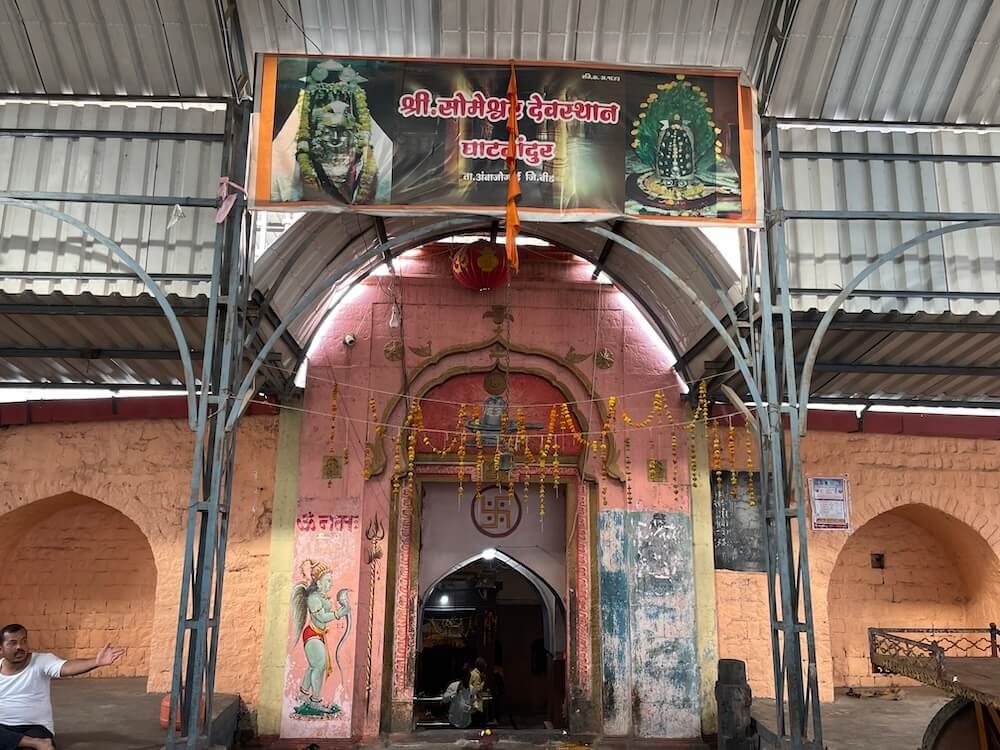
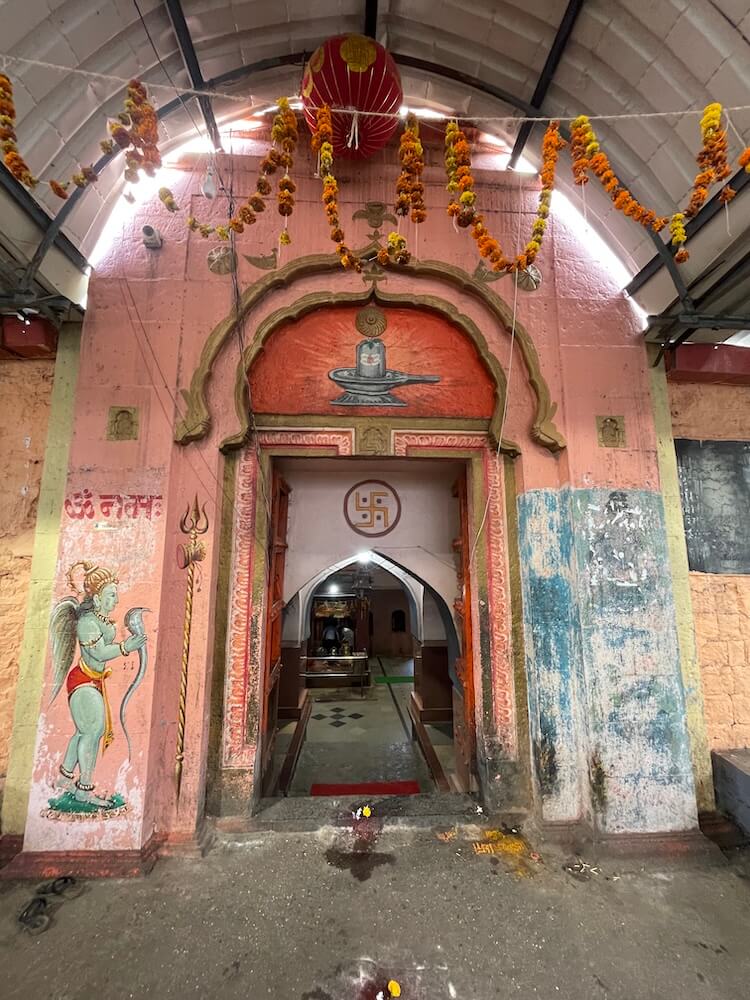
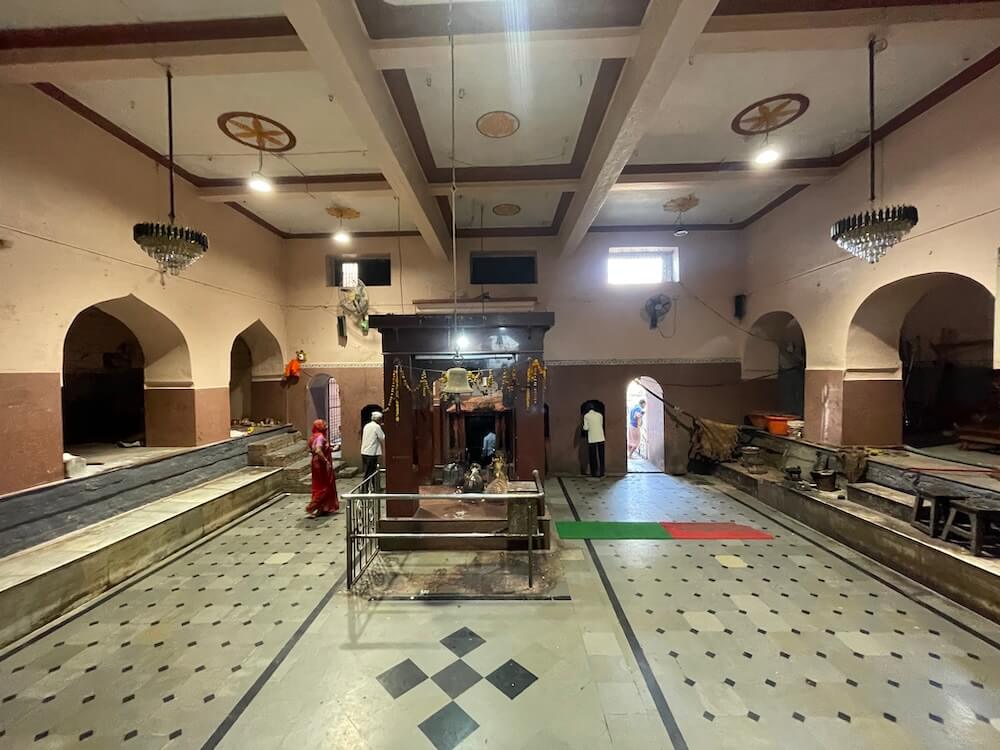
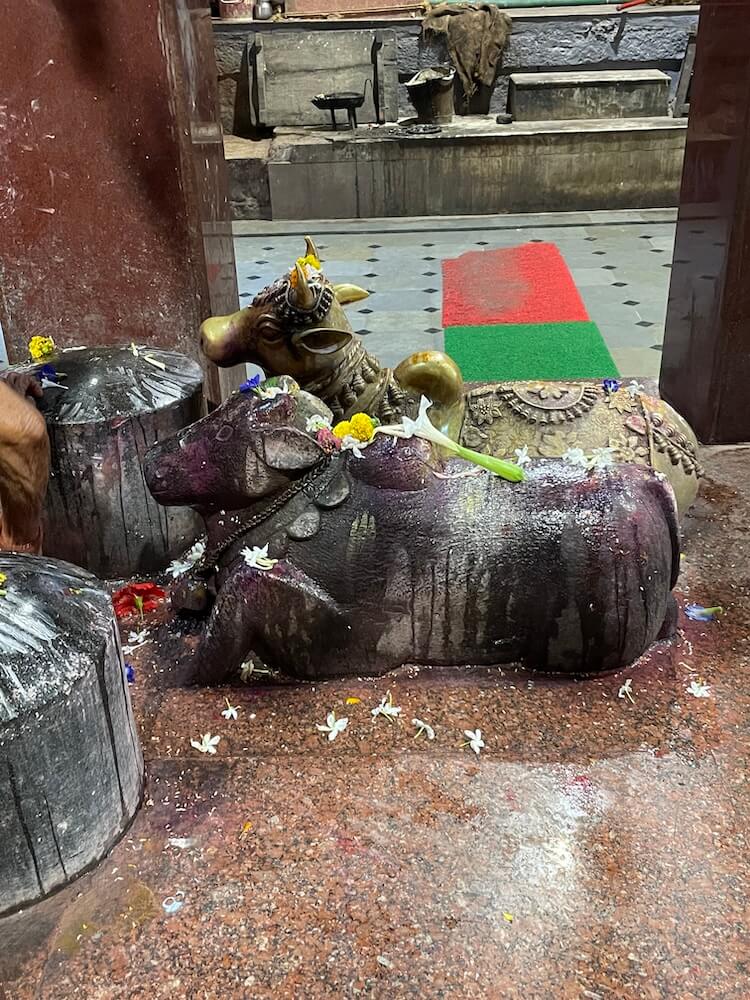
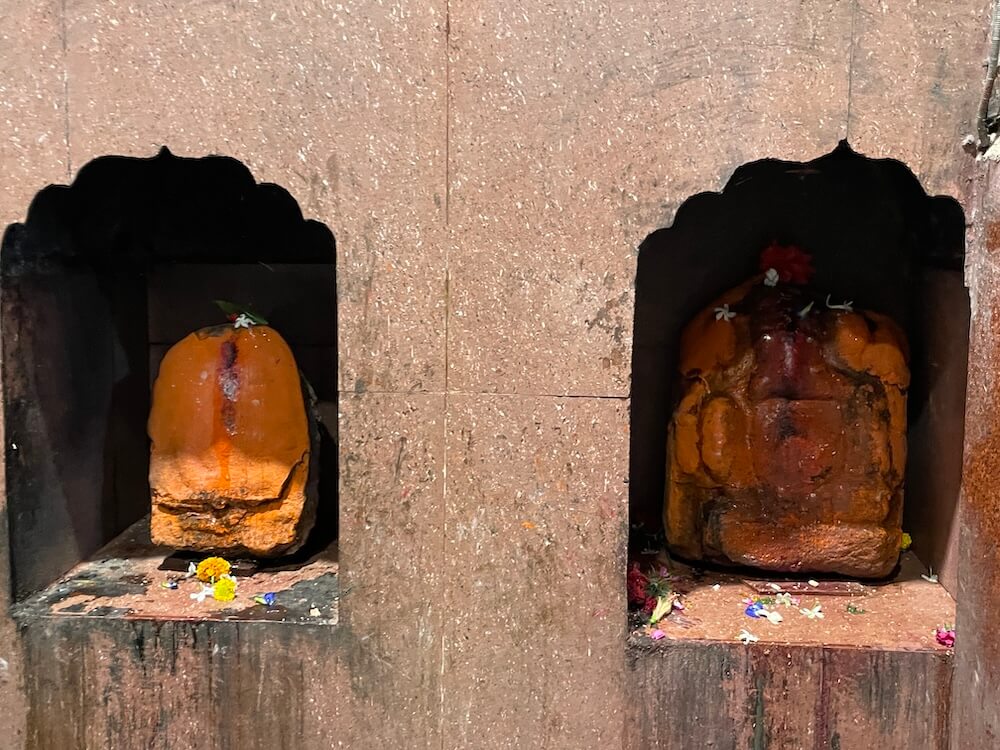
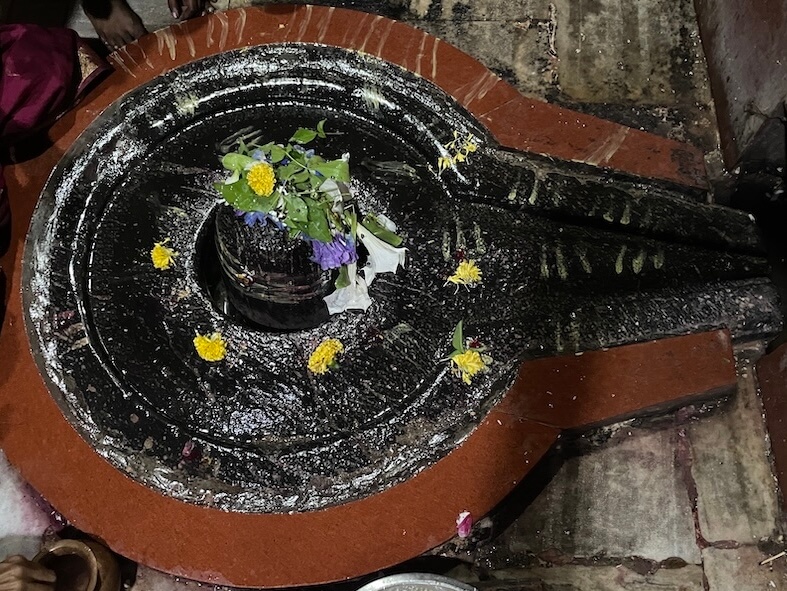
The temple of the village deity Someshwar is located in the heart of Ghatnandur village. This ancient temple is surrounded by a stone perimeter wall. One enters the enclosed assembly hall (sabhamandap) of the temple through the entrance gate in this wall. On the lintel of this entrance, there is an image of Lord Ganesha, and on the upper part, a Shiva Linga is carved. There are corridors on both sides of the spacious assembly hall. In the center of the assembly hall is the Nandi Mandap. In this Nandi Mandap, there is a large brass bell in the front, and two Nandi statues further ahead. One of these statues is carved from a single stone, while the other is made of brass. A Shiva Linga is enshrined in front of both these Nandis. In the niches of the assembly hall, there are various ancient idols, including Lord Ganesha. In the sanctum sanctorum, the Shiva Linga is placed on the floor in the center. A unique feature here is that the Linga is divided into two parts; the base (Shalunka) and the Linga itself are separate. In the month of April, for one or two days, the sun’s rays fall directly on the Someshwar Linga during the morning hours. There are two sacred water tanks in this temple, one of which is adjacent to the Someshwar Linga in the sanctum. The water from this tank is used for the worship of the deity. It is believed that the Borna (Somganga) river, which flows through the Parli taluka, originates from here. The water in this tank never dries up. Behind the sanctum is the second sacred tank, which is used for bathing.
Many festivals and celebrations are held here throughout the year, among which the festivals on Kartik and Chaitra Purnima are the most important annual events. On the night before the full moon, a chariot procession of Someshwar departs from the temple. Hundreds of devotees, along with the villagers, participate in this chariot procession, which passes through the main roads of the village amidst music and chanting. Villagers draw Rangolis along the procession route. The procession continues throughout the night amidst the chants of Someshwar and returns to the temple at dawn. On the day of the full moon, a grand worship (Maha-puja) of Someshwar is performed here. This worship is unique; about fifty kilograms of wheat are piled up on the Shiva Linga. Bamboo strips are inserted into the pile, tied with threads, and decorated with betel leaves. During this time, large banana leaves are decorated with ornaments, and the Shiva worship is performed upon them. In front of the Shiva Linga, a Rangoli is drawn using pulses such as black gram, green gram, pigeon pea, lentils, rice, sesame, and barnyard millet. It is said that this form of worship for Someshwar is performed in the holy city of Kashi, and the worship here follows the same tradition. During these festivals, various religious programs such as Maha-puja, Bhajan, Kirtan, distribution of Prasad, and the chariot festival are organized. Thousands of devotees participate in these events. Apart from this, such worship is performed by devotees on Mondays, Pradosh, and Shivratri to fulfill their vows.
The most important day for Someshwar worship is Somvati Amavasya (the new moon falling on a Monday). According to the Puranas, the Pandavas also performed this worship on this day for liberation from sins. On this day, devotees perform 108 circumambulations of the Peepal tree and offer Abhishek on the Someshwar Linga. It is believed that this vow is observed especially for prosperity and the blessing of progeny.
This sacred temple stands as a testament to deep spiritual devotion, ancient architectural grandeur, and rich local cultural traditions.
The sanctum sanctorum houses the divine idol consecrated according to ancient Vedic traditions, surrounded by serene courtyards and traditional temple architecture.
Navratri, Maha Shivratri, Annual Temple Jatra & Deepotsav
Compare and book flights, secure top-rated local hotels near the temple, hire reliable guides, and rent cars instantly.
Extend your pilgrimage by visiting other highly sacred temples located nearby.

Add ₹999 more to unlock FREE SHIPPING!
Your sacred cart is currently empty.
Shop Photo FramesFill in your delivery details below to place your order.
Add comment