
Add ₹999 more to unlock FREE SHIPPING!
Your sacred cart is currently empty.
Shop Photo FramesGursale, located near Bhushangad in Khatav Taluka, is famous for the five Jyotirlingas situated here. Their names are Someshwar, Guptaling, Ramling, Bhawaling, and Shivling. Among these, the Someshwar and Ramling temples are distinct and large, while the other temples are smaller. Furthermore, there are more than fifty hero stones (Virgals) in the vicinity of these temples, and hundreds of sculptures adorn them. Based on the study of the layout, architecture, and remnants of some ancient structures of these temples, it is said that this village has a history dating back to the Chalukya and Shilahar eras.
Among the five sites in this area, the main one is the Someshwara Temple, built in the Hemadpanti architectural style. This ancient temple, situated on a platform one meter high, has undergone several renovations. Consequently, villagers state that there have been some changes to its original structure. The temple features two assembly halls (sabhamandapas). It is evident that the outer assembly hall was constructed at a later period. On the front side of this assembly hall stand the statues of Saint Tukaram Maharaj and Samartha Ramdas Swami. In this hall, there is a stone Nandi covered with brass plating. The second assembly hall here is made of solid stone and has a hemispherical design. There is intricate carving on the door frame of the sanctum sanctorum (garbhagriha). The Shiva Linga inside the sanctum is large and unique, standing one meter in height. Behind the Shiva Linga is a brass idol of Lord Mahadeva. Beneath the hemispherical assembly hall, there is an underground chamber; through a small opening, the Shiva Linga located within the chamber is visible, which is known as Guptalinga. This Guptalinga, situated beneath the Someshwara Temple, is worshipped daily along with Lord Someshwara. Out of the five sites in the village, the Someshwara Temple houses two Jyotirlingas.
On the first Monday of the month of Shravan, a grand fair of Someshwar is held. The idol of Someshwar is placed in a palanquin within the temple premises. It is worshipped with due rituals. In the evening, Kheer Prasad is prepared in the temple. Prasad is distributed throughout the village. Following this, a palanquin procession is taken out through the village. The second ceremony begins from Shashthi, before Mahashivratri. Devotees who have made vows offer shawls, turbans, and headgear to the deity. On the third day of Magh Amavasya, the Someshwar Rathotsav takes place. During this time, the Panchadhatu idol of Someshwar is placed in a sixteen-pillared chariot, and a grand procession of Someshwar is carried out.
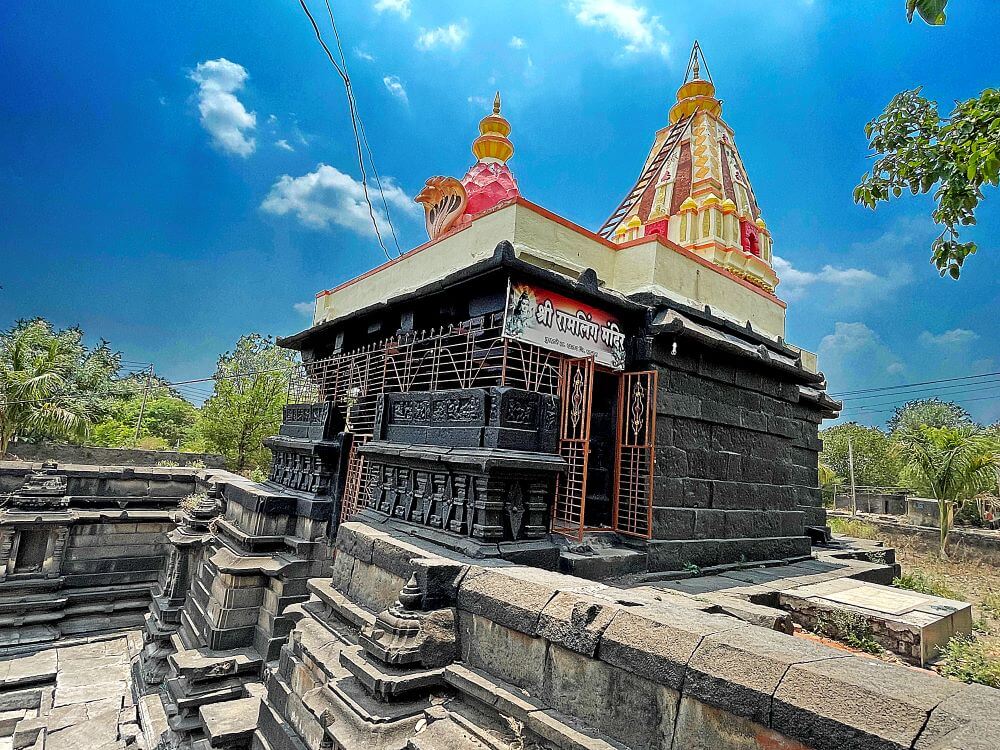
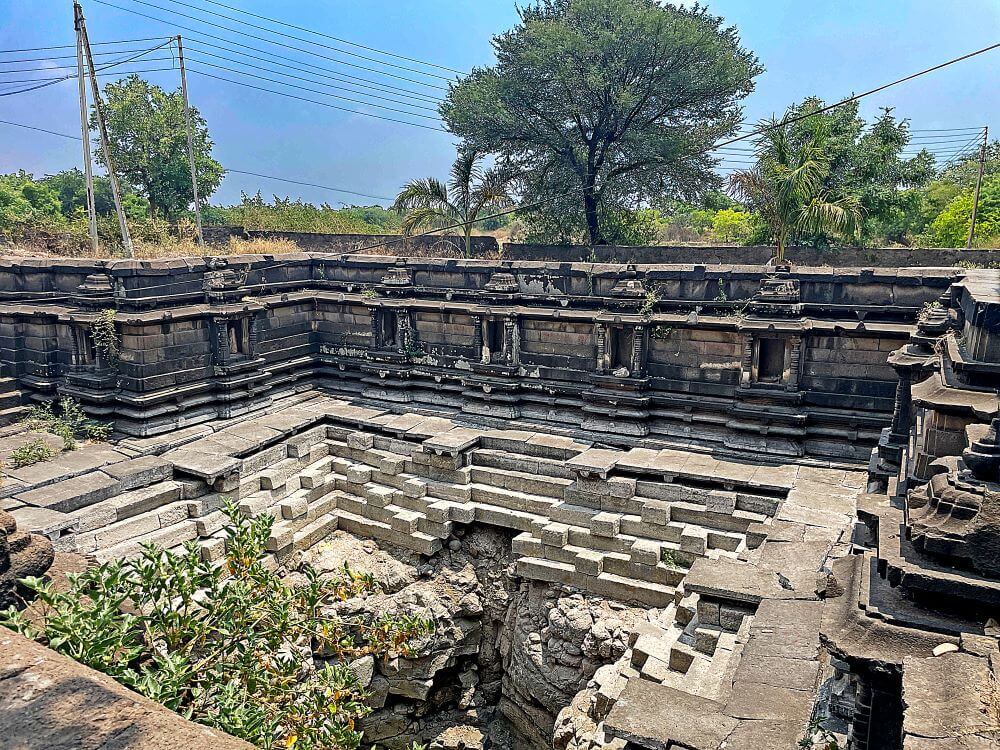
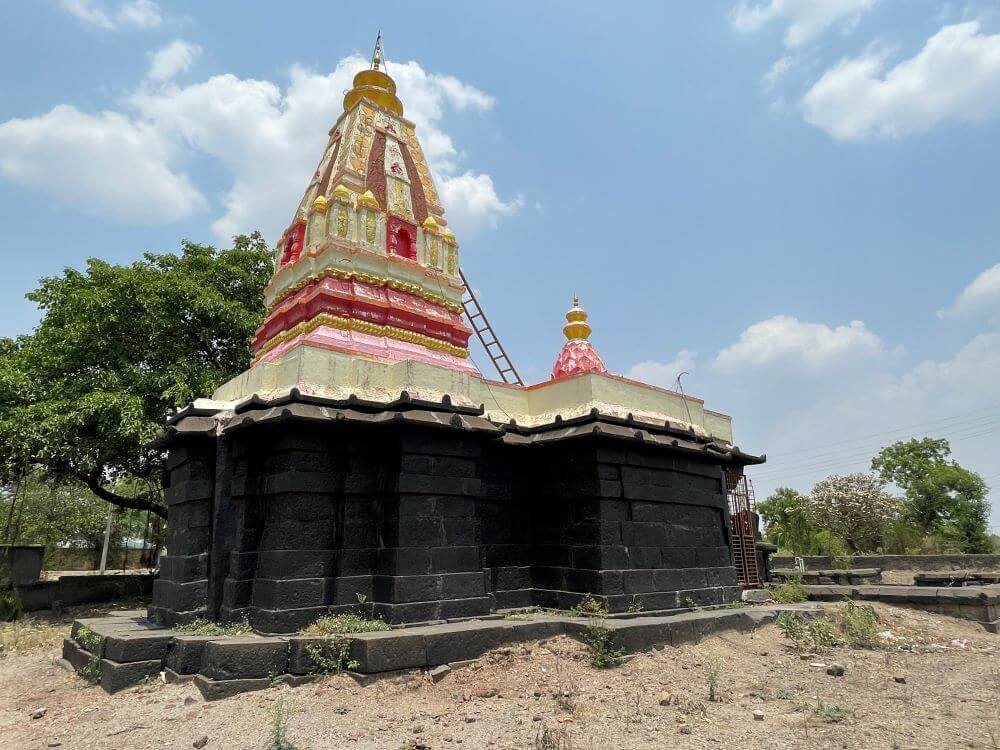
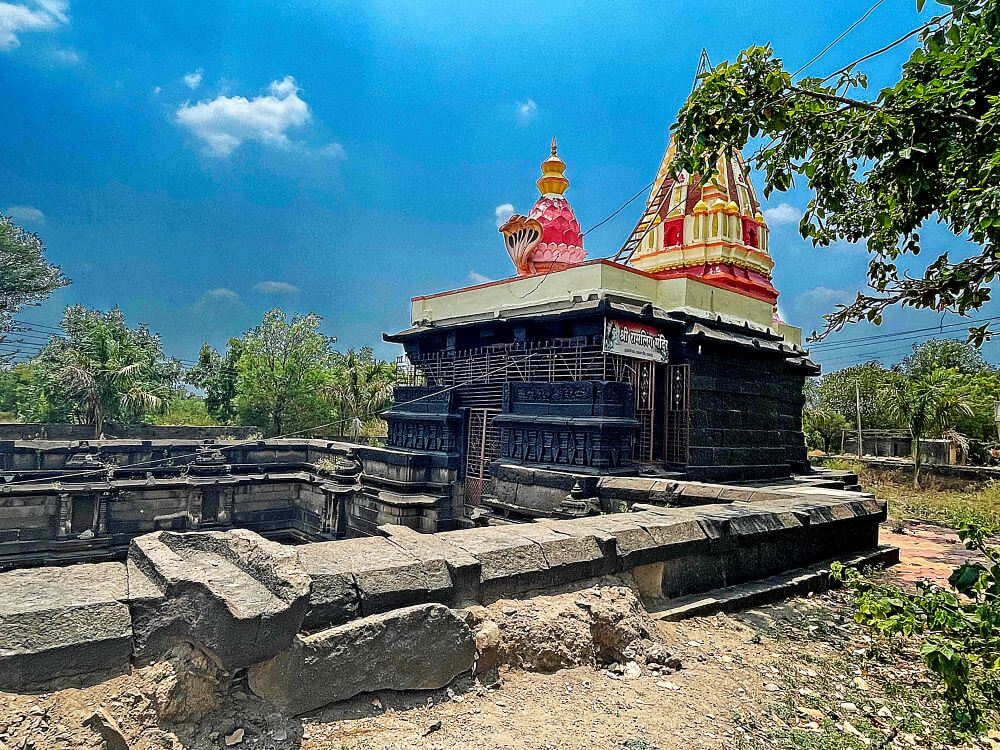
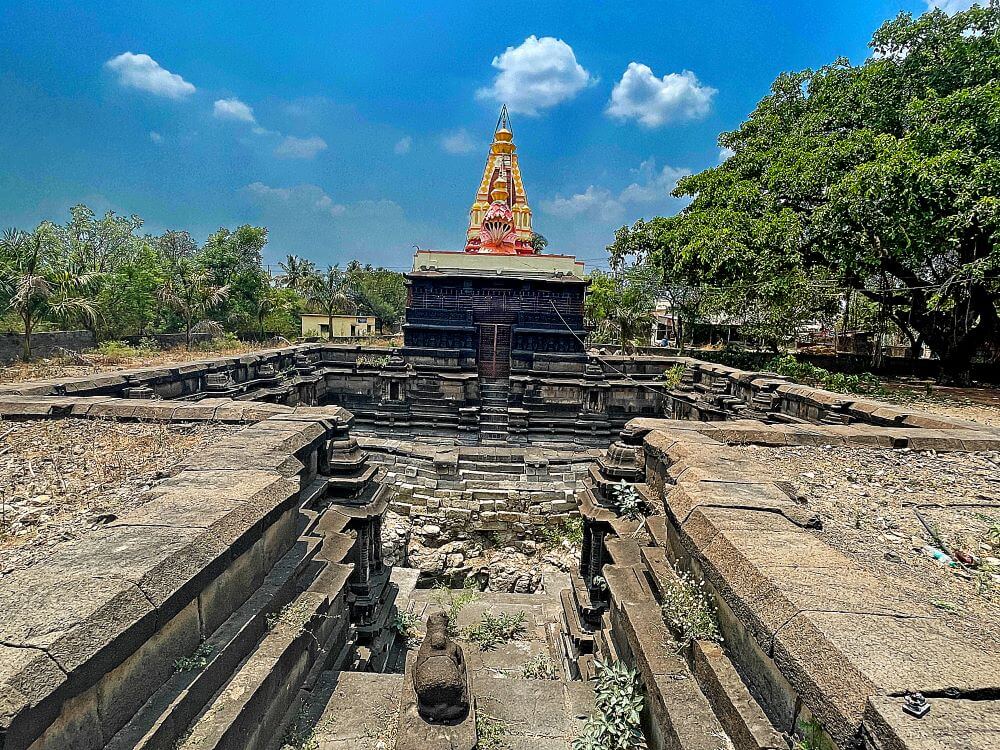
The second important temple in the village is that of Rameshwar. This temple is situated on one side of the village and is said to date back to approximately the thirteenth century. In front of the temple, there is a square-shaped well with a unique architectural design. From the entrance located on the front side of the temple, there are steps to descend into the well. On eight to ten of these steps, the well’s There is a railing around all four sides that allows for circumambulation. On the upper wall of this railing, there are twelve niches, which are surrounded by intricate carvings. Although there are no idols in these niches today, the idol of Bhairava, which was once in one of these niches, remains in good condition even now.
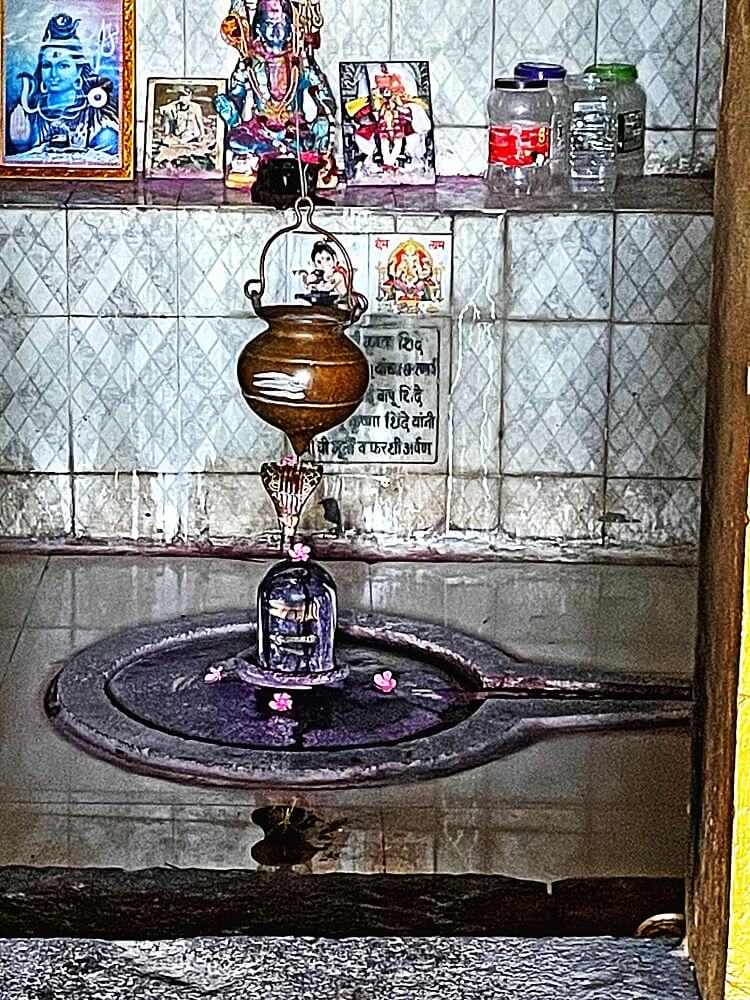
The Rameshwara Temple features numerous distinctive sculptures and intricate carvings. On the exterior of the assembly hall, there are various erotic sculptures. The pillars inside the assembly hall display beautifully carved designs. To the right of this assembly hall stands a magnificent idol of Sheshashayi Vishnu. In this depiction, Lord Vishnu has four arms, with Garuda near His feet and Lord Brahma seated on a lotus emerging from His navel. Inside the sanctum sanctorum, there is a Shiva Linga. Among the five significant sites in the village, this Rameshwara temple is the third most important.
The fourth significant site is Bhavling. This sacred place is situated on a hill near the village. Here stands an approximately seven-meter-tall idol of Lord Shiva. The deity is depicted wearing a garland of Rudraksha beads around the neck, holding a Trishula in the right hand, while the left hand is raised in a gesture of blessing. A small temple is located near the feet of the idol. This site is visible even from a distance. Inside the sanctum sanctorum of this temple, there is a large stone. Regarding this stone, there is a legend that many years ago, a stone stuck in a cow’s hoof fell at this spot. Subsequently, the stone began to grow in size. To halt the growth of the stone, the idol of Lord Shiva was installed upon it. As a result, the stone stopped growing in height, but it began to expand horizontally.
The fifth Jyotirlinga here is the Shivling temple located in this village. This temple is situated in an open space at some distance from the village. In this temple, the reading of Shivalilamrut takes place every Monday during the month of Shravan, and recitations are held on the day of Mahashivratri. According to long-standing tradition, the palanquin of Someshwar arrives at this temple on the fourth Monday of Shravan. An abhishek is performed on the Shivling here. A feast of Kheer prasad is served to the devotees. Then, this palanquin returns to the Someshwar temple.
This sacred temple stands as a testament to deep spiritual devotion, ancient architectural grandeur, and rich local cultural traditions.
The sanctum sanctorum houses the divine idol consecrated according to ancient Vedic traditions, surrounded by serene courtyards and traditional temple architecture.
Navratri, Maha Shivratri, Annual Temple Jatra & Deepotsav
Compare and book flights, secure top-rated local hotels near the temple, hire reliable guides, and rent cars instantly.
Extend your pilgrimage by visiting other highly sacred temples located nearby.


Add ₹999 more to unlock FREE SHIPPING!
Your sacred cart is currently empty.
Shop Photo FramesFill in your delivery details below to place your order.
Add comment