
Add ₹999 more to unlock FREE SHIPPING!
Your sacred cart is currently empty.
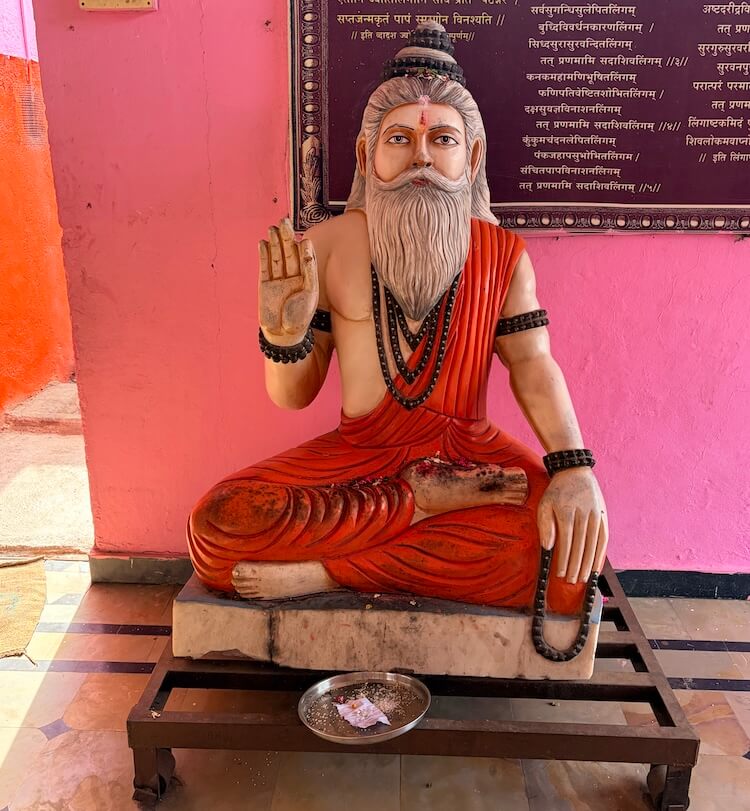
Shop Photo FramesThe ancient temple of Valmikeshwar Mahadev, which shares a connection with the Ramayana era, is located in the village of Valur in the Selu taluka of Parbhani district. This temple possesses a rich historical and mythological background. Legend has it that in ancient times, the robber Valya Koli, filled with remorse, performed severe penance at this very spot. While he was immersed in his penance, an anthill grew over his body. Later, this same Valya Koli came to be known as Sage Valmiki. Sage Valmiki, the author of the epic Ramayana, installed this Shiva Linga here. Because of this, the Shiva Linga is known as Valmikeshwar Mahadev. This Mahadev is the presiding deity of Valur village. A grand festival is celebrated here on the day of Mahashivratri.
Once, the robber Valya Koli surrounded Sage Narada in the forest. At that time, Narada gave him profound wisdom. He asked Valya, “You commit these sins for your family; will your family members share in the burden of your sins?” When Valya Koli went home and asked, not a single family member was willing to share in his sins. This incident caused a deep transformation in Valya Koli. Filled with repentance, he came to this place and sat for penance while chanting the ‘Ram’ mantra. As he performed this penance, an anthill grew over his body. Over time, Sage Bakdalabhya was passing through this route after completing his pilgrimage. He heard the chanting of mantras emanating from the anthill. He immediately brought Valya Koli out of the anthill. He gave Valya the ‘Gayatri Mantra’ and granted him the authority of the four Vedas. From then on, Valya Koli came to be addressed as ‘Sage Valmiki’. It was this Sage Valmiki who later composed the epic ‘Ramayana’. After Lord Shri Rama abandoned Sita, Sage Valmiki gave her shelter in his ashram. He took care of Sita’s twin sons, Luv and Kush. It is a famous mythological story that he provided them with excellent education and taught them the ‘Ramayana’.
The village of Valur in Selu taluka is rich in the heritage of ancient culture. Because Sage Valmiki performed penance on this land, the village was formerly known as ‘Valhur’. Over time, the name was corrupted, and the name ‘Valur’ became prevalent. It is also claimed that the Pandavas stayed in this village of ‘Valhur’ for some time during the Pandava era. This entire region was politically and culturally very prosperous during the time of the Yadavas of Devgiri. Later, during the Nizamshahi period, Valur became a major trading center. In those days, this part of Marathwada was referred to as a ‘Pargana’ in the administrative system. Valur was the main center of this Pargana. For this reason, the entire administration of 72 villages in the area was conducted from this place. During that period, government offices such as courts, tehsils, and administrative offices were functional in this village. Therefore, this village has always had a major influence in politics, social affairs, and the religious sphere. Saint Harihar Maharaj of the Lingayat Vani sect, who took Samadhi at Gundha near Loni village in Varhad, was born in this very village of Valur. Also, Nandbhavani, the father of the famous folk art ‘Kalgitura’, was a resident of Kausadi village near Valur. There are two ancient stepwells, known as Baravs, in Valur village. Among these, the serpentine historical stepwell is famous for its unique and intricate architecture. Apart from the Valmikeshwar temple, there are other ancient temples in this village built in the Hemadpanti architectural style. These mainly include the Siddheshwar Temple, Nagreshwar Temple, Mankeshwar Temple, and Kavtheshwar Temple. Along with this, the Siddharam Badshah Math in the village is also famous among devotees.
The Valmikeshwar temple was also originally built in the Hemadpanti architectural style. However, it is said that this temple was heavily vandalized by foreign invaders. This temple, which was previously outside the village, has now been renovated and constructed in a modern style. Under the government’s ‘Punyshlok Ahilyadevi Holkar Rural Pilgrimage Scheme’, this temple has received ‘B’ grade status. Currently, this temple has become a major place of faith for Shiva devotees in the region.
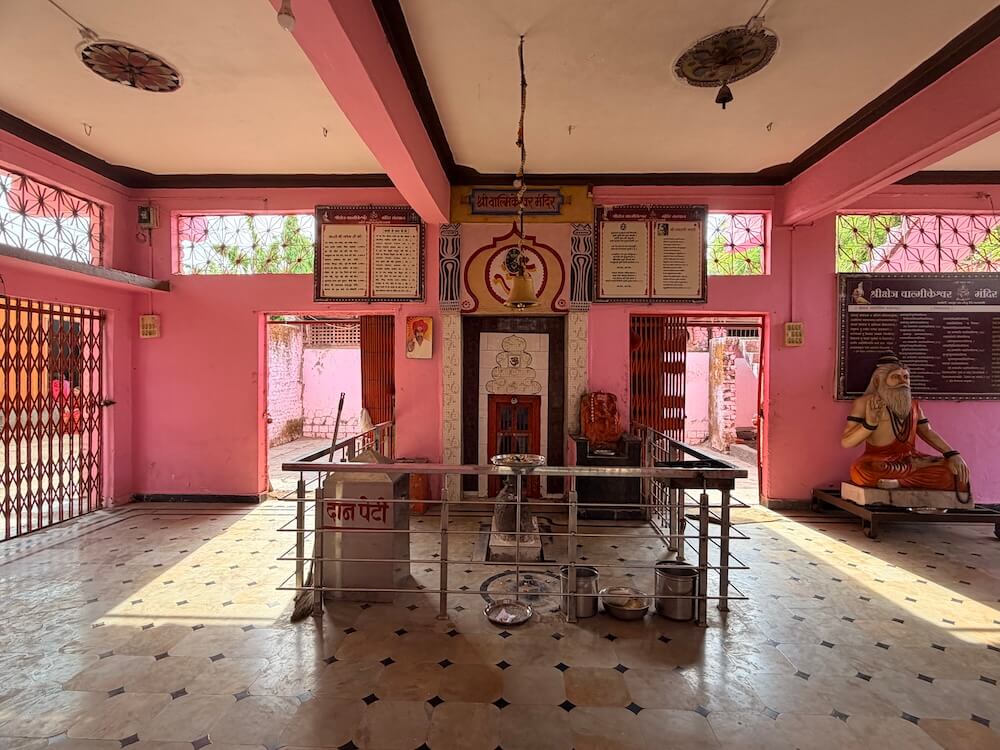
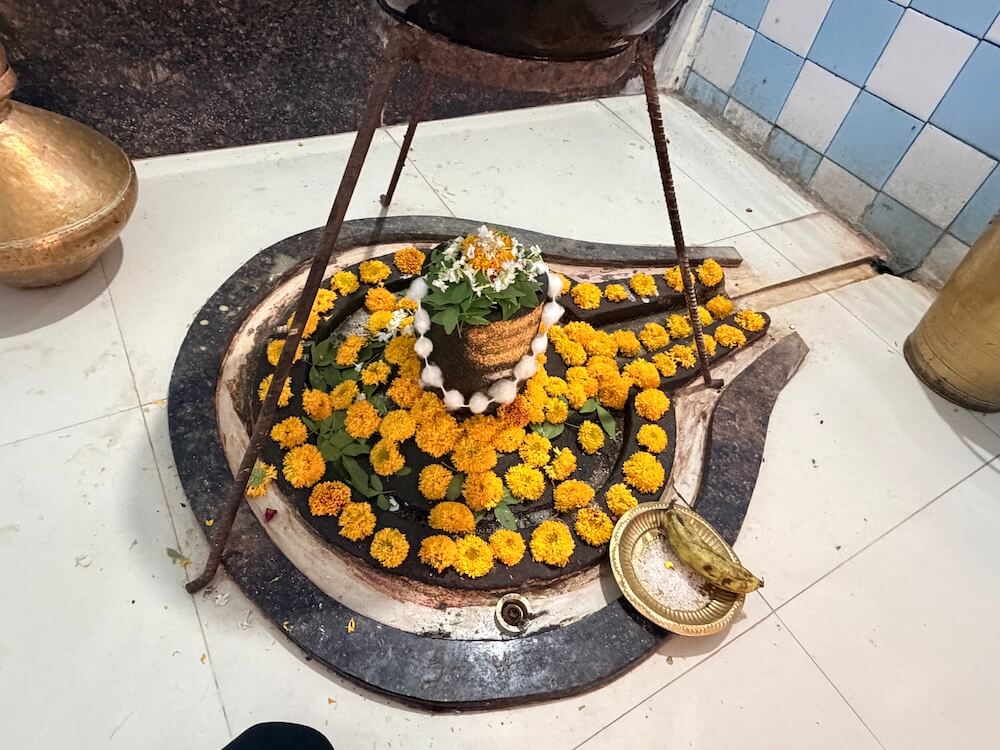
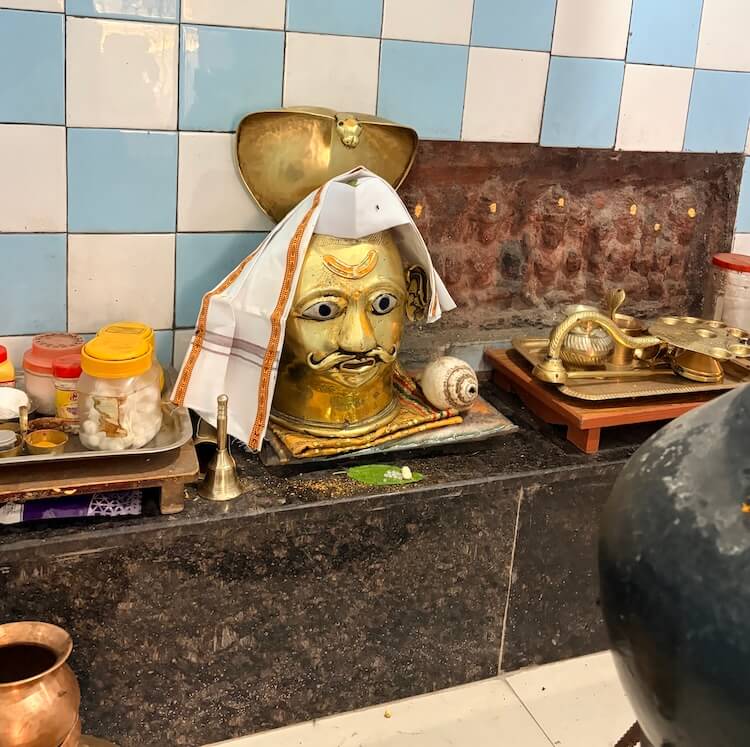
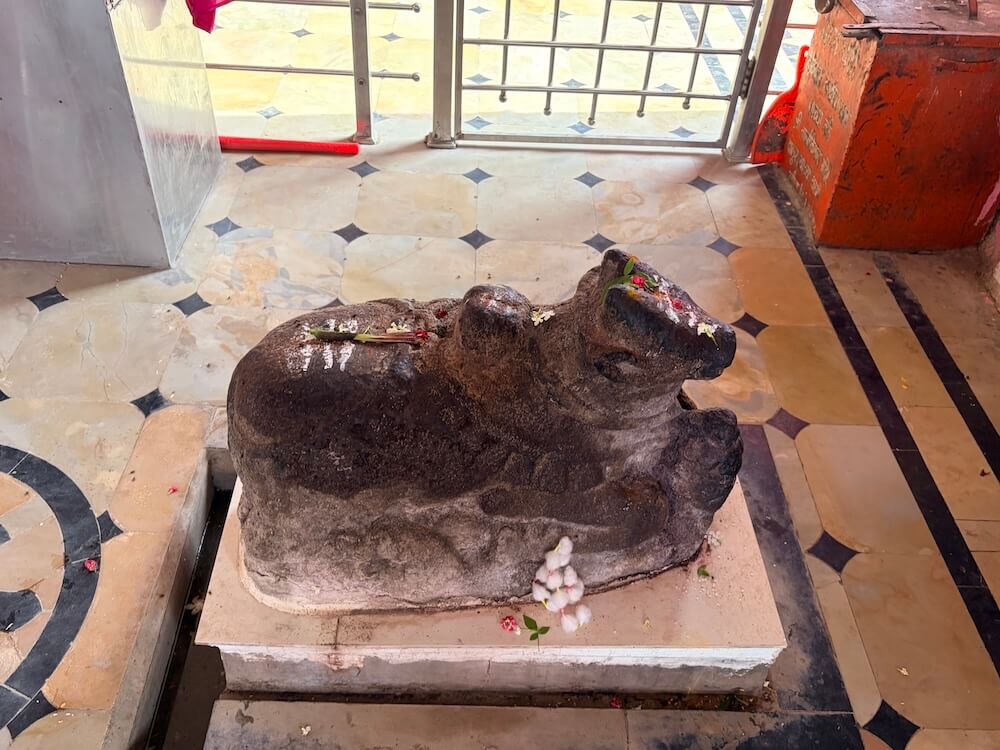
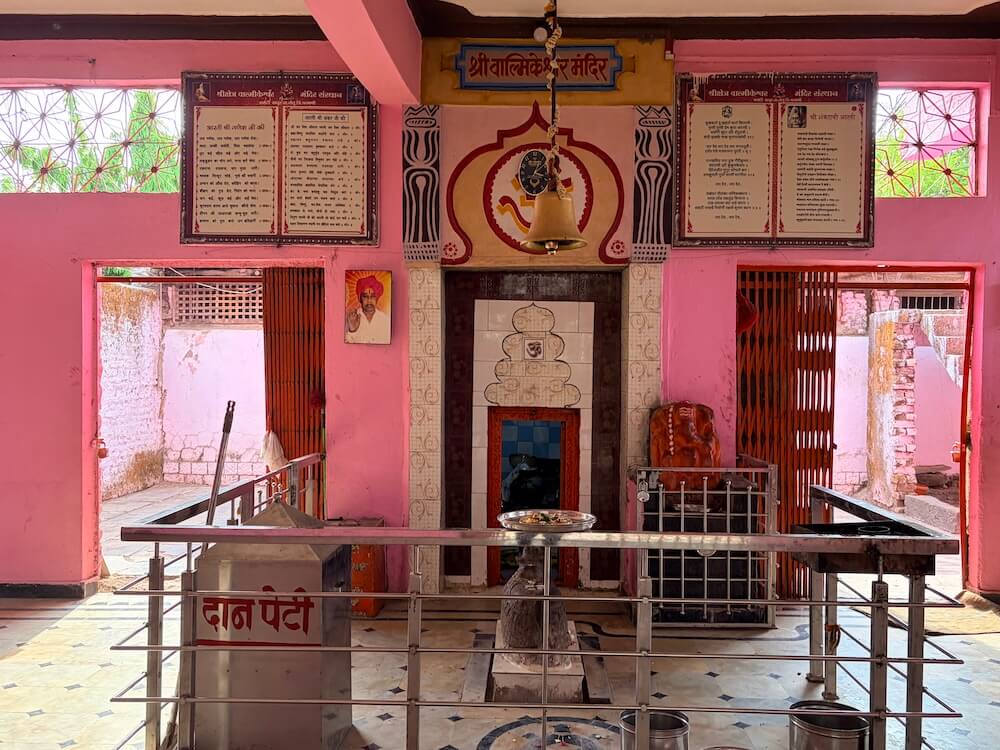
This temple is blessed with a spacious campus. The current structure of the temple consists of a assembly hall (Sabhamandap) with walls made of half stone and half brick, and a sanctum sanctorum (Garbhagriha). There is a Tulsi Vrindavan in the courtyard in front of the temple. A Shiva Linga is installed near this Tulsi Vrindavan. Upon entering the assembly hall, right in front of the sanctum, Nandi, the vehicle of Mahadev, is seated. In the main sanctum of the temple, an oval-shaped Shiva Linga is installed in a large pedestal (Shalunka). There is a horizontal platform at the back of the sanctum. A mask of Shiva is kept on this platform. During annual festivals and special occasions, this mask is placed on the Linga. Some sculptures are carved into the wall behind the mask near this platform.
In the premises of the Valmikeshwar temple, many remains of ancient sculpture can be seen scattered in a ruined state. These mainly include the Saptamatrika panel, ancient idols of Shiva-Parvati in seated postures, Lord Vishnu in the Sheshashayi (reclining) pose, and Garuda in a folded-hand posture. There is an ancient stepwell within the temple premises. It currently appears to be in a mostly filled-up state. Adjoining the main wall of the temple is a naked idol of Bhairavadeva. The expression on the face of this idol is very calm. In the upper two hands of this idol, a trident (Trishul) and a drum (Damaru) are held. The hair on Bhairav’s head is tied with a garland of skulls (Mundmala). A halo that appears like a burning flame is carved behind his head. The lower right hand of the idol is broken, while he holds a human skull in his left hand. Below this left hand, a dog is shown standing. The sculpture depicts this dog licking the blood dripping from the skull. A chain is tied to the waist of this idol. Small bells are seen hanging from his thighs. To the right of this main idol, Bhootnath is carved, and to the left, a Gana is carved. Also, a large garland of skulls is seen hanging from the knees of Bhairavadeva.
As the presiding deity of Valur village, various religious programs are organized throughout the year at the Valmikeshwar Mahadev Temple. Mahashivratri is considered the main festival here. On the occasion of this festival, the Shiva Mahapurana Katha and the Dnyaneshwari Parayan Dnyanyajna Saptah are organized at the temple. From the morning of Mahashivratri, long queues of devotees form at the temple for darshan. Apart from this, the temple is bustling with crowds of devotees every Monday during the holy month of Shravan. On Ashwin Purnima, the birth anniversary of Sage Valmiki is celebrated here with great enthusiasm, and various programs are organized for the occasion. During the Chaturmas period, regular Abhishek, Bhajan, and Kirtan programs are held at the temple.
The Siddheshwar Temple, located to the east of Valur village, is also considered an excellent example of ancient architectural style. It is said that this temple was built in the thirteenth century, during the glorious reign of the Yadavas of Devagiri. Two large Dwarpals (gatekeepers) are carved on the facade of this temple. Due to this feature, local people also know this temple as the Dwarpala Siddheshwar Temple. The crowns on the heads of these Dwarpals, the beautiful halos behind them, and the ornaments on their bodies all reflect the prosperity of the Yadava era. A unique feature of these two Dwarpala statues is that the feet of the figures on the side of the entrance are turned inwards, while the feet on the opposite side are facing straight ahead. A large, ancient Shiva Linga is installed in the center of the temple’s sanctum sanctorum. Devotees can have darshan of Valmikeshwar daily from five in the morning to one in the afternoon and from five in the evening to nine at night.
This sacred temple stands as a testament to deep spiritual devotion, ancient architectural grandeur, and rich local cultural traditions.
The sanctum sanctorum houses the divine idol consecrated according to ancient Vedic traditions, surrounded by serene courtyards and traditional temple architecture.
Navratri, Maha Shivratri, Annual Temple Jatra & Deepotsav
Compare and book flights, secure top-rated local hotels near the temple, hire reliable guides, and rent cars instantly.
Extend your pilgrimage by visiting other highly sacred temples located nearby.


Add ₹999 more to unlock FREE SHIPPING!
Your sacred cart is currently empty.
Shop Photo FramesFill in your delivery details below to place your order.
Add comment