
Add ₹999 more to unlock FREE SHIPPING!
Your sacred cart is currently empty.
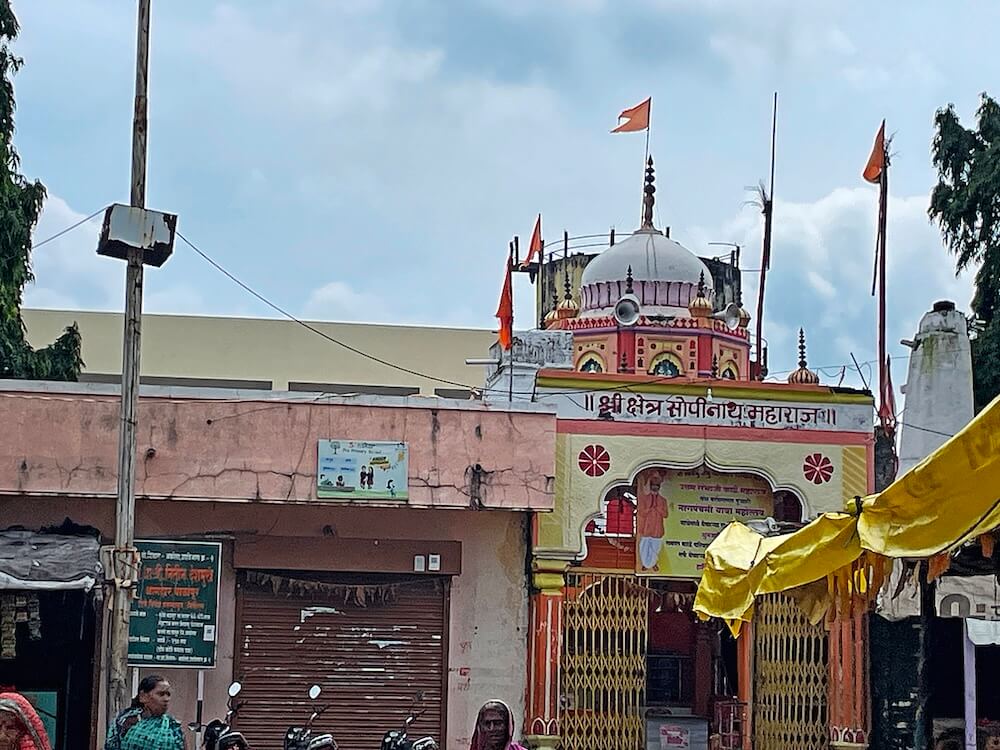
Shop Photo FramesSopinath or Supinath Maharaj is considered the Lord of the Nagas (serpents). His Swayambhu (self-manifested) shrine is located in the temple at Malsur. Sopinath Maharaj, the presiding deity of more than २५ villages in the surrounding region, is worshipped here in the form of the serpent deity. In this ancient temple, there has been a centuries-old tradition of walking over burning embers during the Yatra (pilgrimage festival) to express gratitude to the Lord. Devotees believe that by walking over the embers, the vows made to the Lord are fulfilled. To attend this ceremony, countless devotees arrive not only from Akola but also from major cities like Mumbai, Pune, and Nagpur.
Malsur is considered one of the main seats of Sopinath Maharaj. The ‘Central Provinces and Berar District Gazetteers – Akola District, Volume A’ (१९१०) provides information about this temple and its festivals. According to it, ११५ years ago, Sopinath Maharaj was referred to as Supoba. Supoba is considered an aspect of Mahadeva. Just as Mahadeva has a serpent around his neck, there are serpent idols in this temple. Devotees believe that if a person bitten by a snake is brought to this temple, they are cured. According to the Gazetteer, the Dandi Punav festival is celebrated here १५ days before Shivratri. The Gazetteer also records that in the year १९०८, five couples walked over the embers during this festival.
There are many shrines of Sopinath Maharaj, or Supoba, in the Akola taluka. Among them, Malsur is said to be the main seat of the Lord. The history of how long this shrine has existed here is unavailable. However, it is said that the presence of Sopinath Maharaj has been here for hundreds of years. The temple was renovated a few years ago.
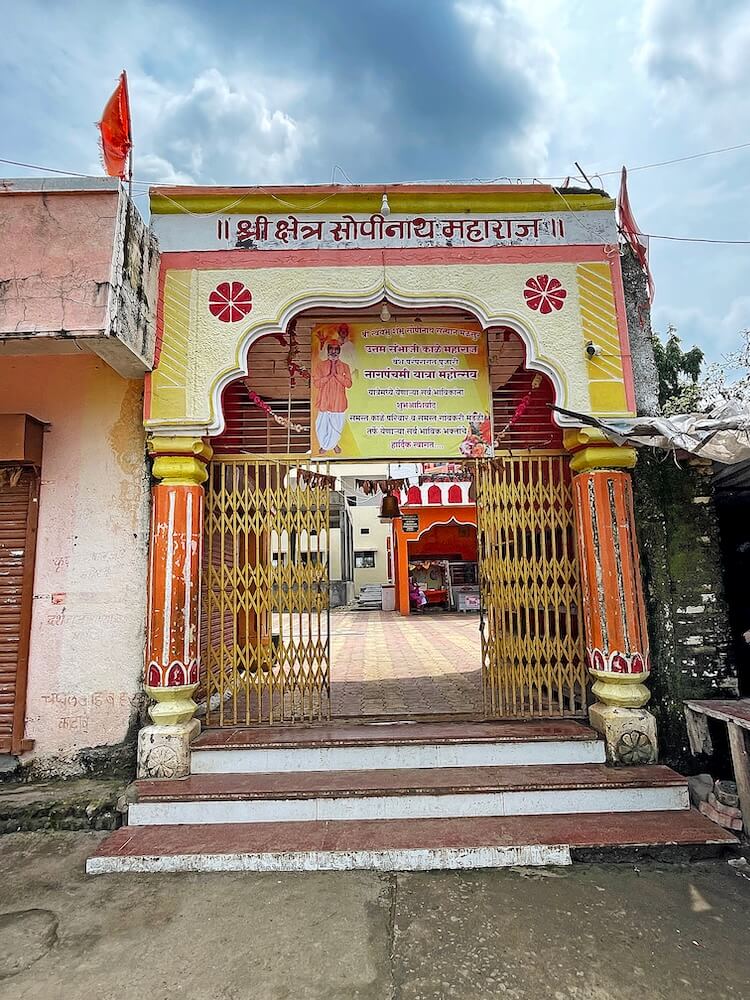
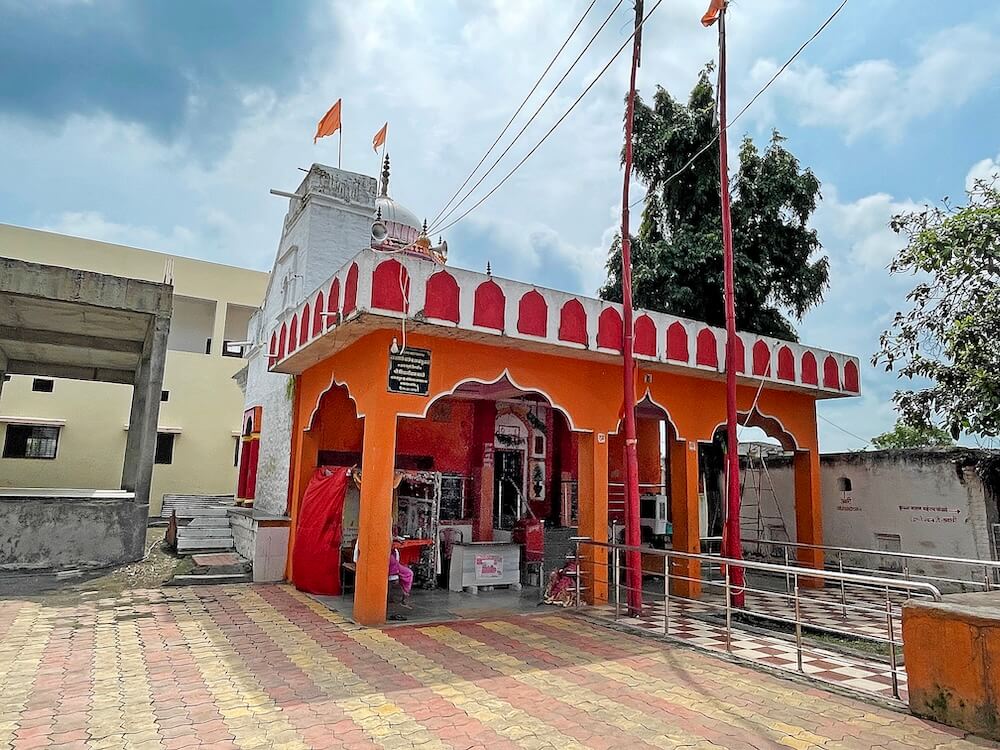
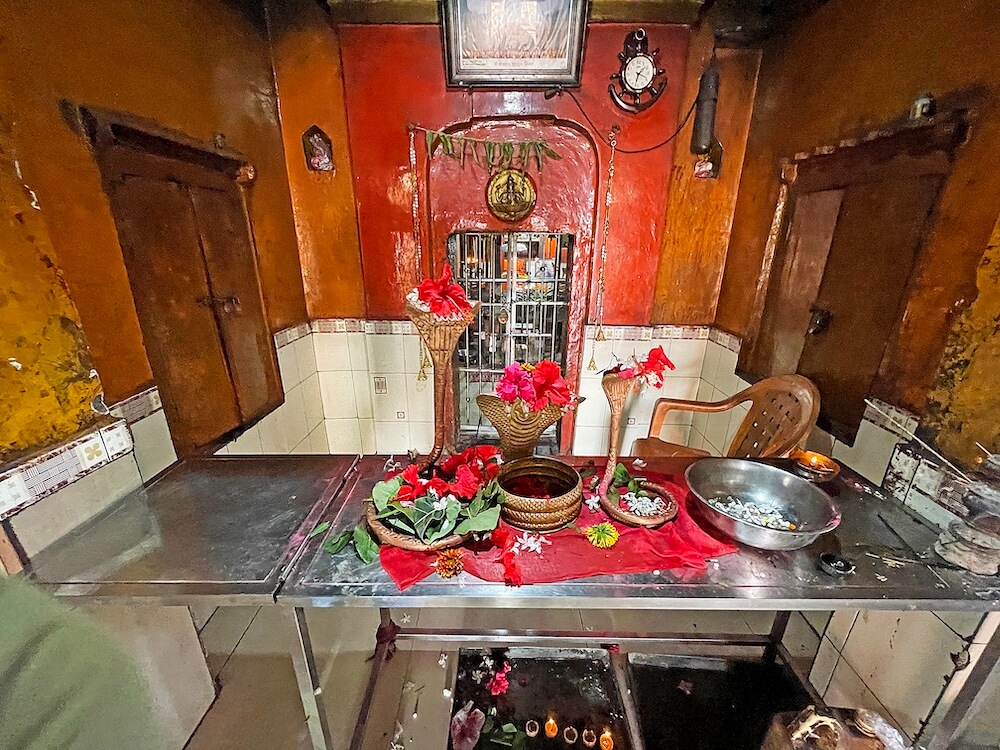
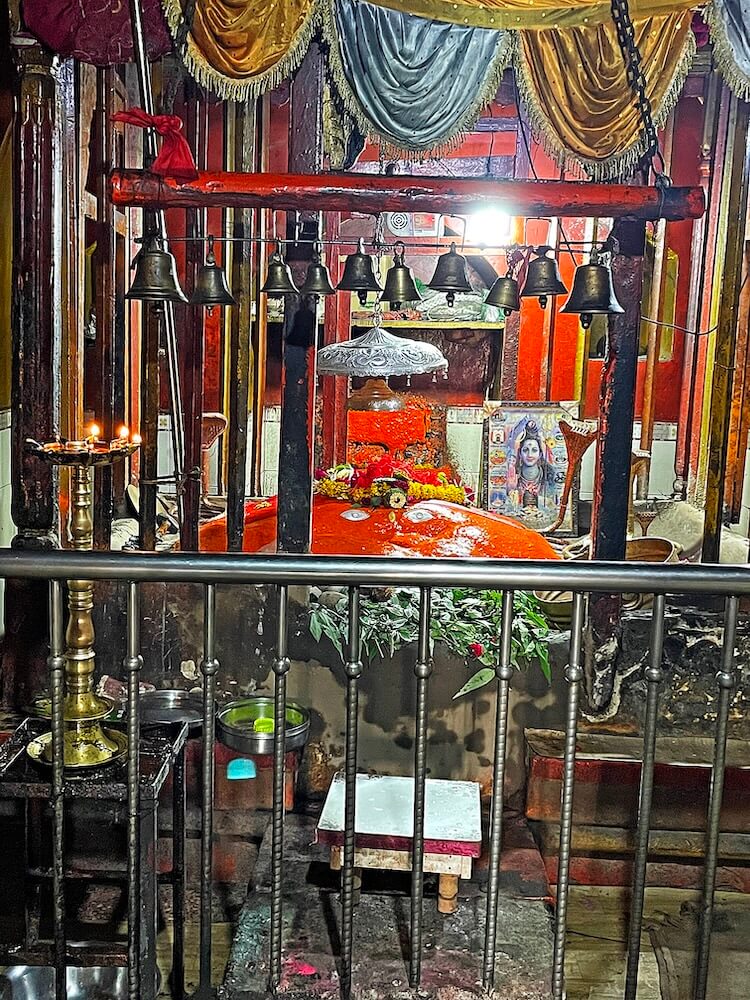
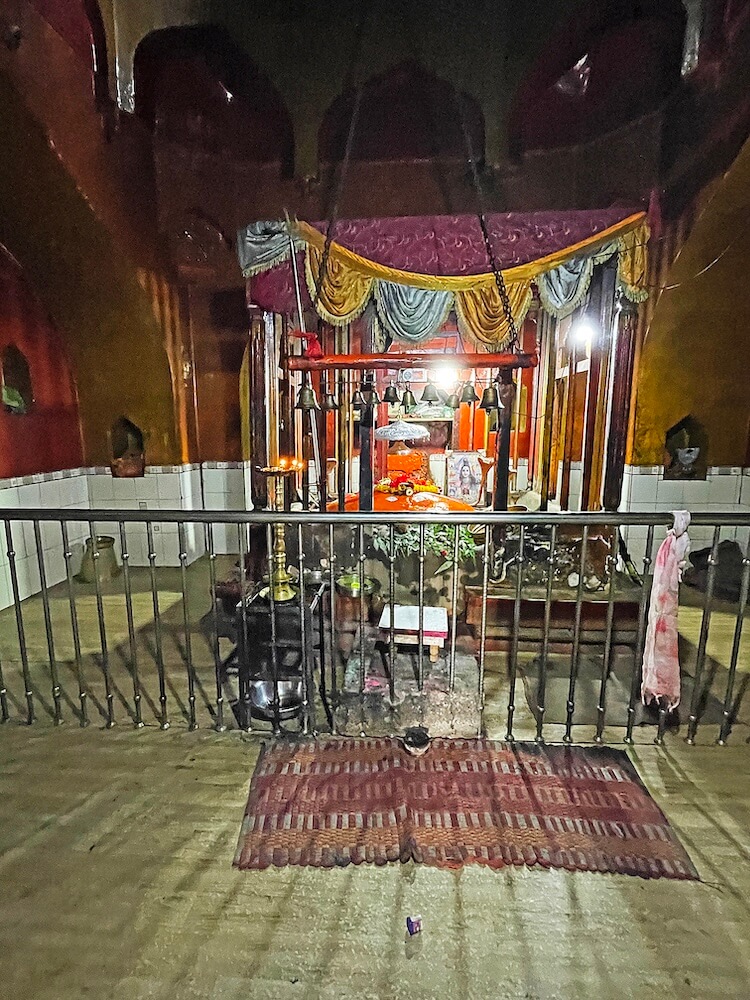
The temple complex, located near the bus stand in the village, is quiet and serene. The temple is situated at a short distance from the temple arch. There are many shops in the vicinity selling flowers and Prasad. The temple is surrounded by a large perimeter wall on all four sides. One enters the temple courtyard through the gate in the perimeter wall. There are many trees in this courtyard, and cement benches are provided for the convenience of devotees. In the courtyard, in front of the temple, there is a Deepastambha (lamp pillar) on a large platform. In front of this lamp pillar is the space for walking over the embers during the Yatra. The structure of the temple consists of a Sabhamandap (assembly hall), Antarala (vestibule), and Garbhagriha (sanctum sanctorum). In the semi-open Sabhamandap, there are three idols of Nagas made of Panchdhatu (five metals) on a high bench. Climbing five steps from the Sabhamandap, one enters the elevated Antarala. The Garbhagriha is located in front of the enclosed Antarala. There is an idol of Ganesha on the lintel of the entrance to the Garbhagriha. The Swayambhu shrine of Sopinath Maharaj is in the Garbhagriha. It is adorned with vermilion. The Asara Mata is enshrined at the back.
The temple has three square tiers that decrease in size, topped by a dome-shaped Shikhara (spire). There is a two-tiered Amalaka and Kalash on the Shikhara. There are idols of deities in the Devakoshtakas (niches) on the Shikhara. One can reach the area with the Shikhara by climbing the narrow, high stairs inside the temple. Accommodation for devotees is provided in the Bhaktaniwas (pilgrim lodging) on the left side of the courtyard. Near the Audumbar tree on the right side of the temple is the seat of the Saptarishis and an ancient Shivling.
Various festivals, including Nag Panchami, are celebrated in this temple. In the month of Magh, the Lord’s wedding takes place on the first Monday after Ratha Saptami. Before that, devotees observe a fast for nine days. The fast is concluded on the day of the wedding. After the wedding, a pit is dug in the space in front of the temple, and wood is burned in it. The embers formed from this are worshipped ritually. Thereafter, many married couples walk over these embers to pray to the Lord for a happy life. It is said that many years ago, a girl from the Devkate family of the village was married into the Kale family here. For certain reasons, this couple had to undergo this trial by fire. It is said that this tradition started from then on. Even today, this wedding ceremony takes place only after oil for the Lord is received from the Devkate family. Thousands of devotees attend this ceremony. After this ceremony, the Yatra of Sopinath Maharaj is held here for five consecutive Mondays. During this Yatra as well, the area is crowded with devotees. After this ceremony, the wedding season begins in many villages of the surrounding region.
This sacred temple stands as a testament to deep spiritual devotion, ancient architectural grandeur, and rich local cultural traditions.
The sanctum sanctorum houses the divine idol consecrated according to ancient Vedic traditions, surrounded by serene courtyards and traditional temple architecture.
Navratri, Maha Shivratri, Annual Temple Jatra & Deepotsav
Compare and book flights, secure top-rated local hotels near the temple, hire reliable guides, and rent cars instantly.
Extend your pilgrimage by visiting other highly sacred temples located nearby.
Add ₹999 more to unlock FREE SHIPPING!
Your sacred cart is currently empty.
Shop Photo FramesFill in your delivery details below to place your order.
Add comment