
Add ₹999 more to unlock FREE SHIPPING!
Your sacred cart is currently empty.
Shop Photo FramesThe ancient temple of Siddheshwar Mahadev is situated in the historic village of Erandeshwar, located in the Purna taluka of Parbhani district. This village was formerly known as ‘Arundheshwar’. Built in the Hemadpanti architectural style during the reign of the Yadava dynasty, this temple is one of the oldest in the Marathwada region. Local legends suggest that the Pandavas also offered prayers at this temple, which dates back to the same era as the Aundha Nagnath temple in Hingoli district. The temple is famous for the ‘Kiranotsav’ (sunbeam festival) that occurs on the Shivratri of the Phalguna month, when the sun’s rays fall directly onto the Shivalinga, attracting thousands of devotees to seek the blessings of Siddheshwar.
Detailed references to the name ‘Siddheshwar’ for Mahadev are found in Hindu scriptures and Puranas. Siddheshwar means the ‘Lord of the Siddhas’. Information regarding this form of Mahadev and the Linga is primarily provided with references in the ‘Shiva Purana’ and ‘Skanda Purana’. In the ‘Kotirudra Samhita’ section of the ‘Shiva Purana’, the glory of the Siddheshwar Linga is described while explaining the significance of various Shivalingas. This Samhita clearly describes how Siddha Purushas (perfected beings), yogis, and sages performed rigorous penance at sacred sites to attain self-realization or supernatural powers (Siddhis). The benevolent form of Mahadev that manifested at such holy places was called Siddheshwar. According to the stories in these texts, devotion to Siddheshwar Mahadev grants humans success in their endeavors and spiritual strength. The ‘Kashi Khanda’ and ‘Avantika Khanda’ of the ‘Skanda Purana’ provide information regarding the installation, history, and significance of the Siddheshwar Shivalinga. According to the description in the Avantika Khanda, many Siddhas gathered to install and worship this Linga, which is why it came to be known as Siddheshwar.
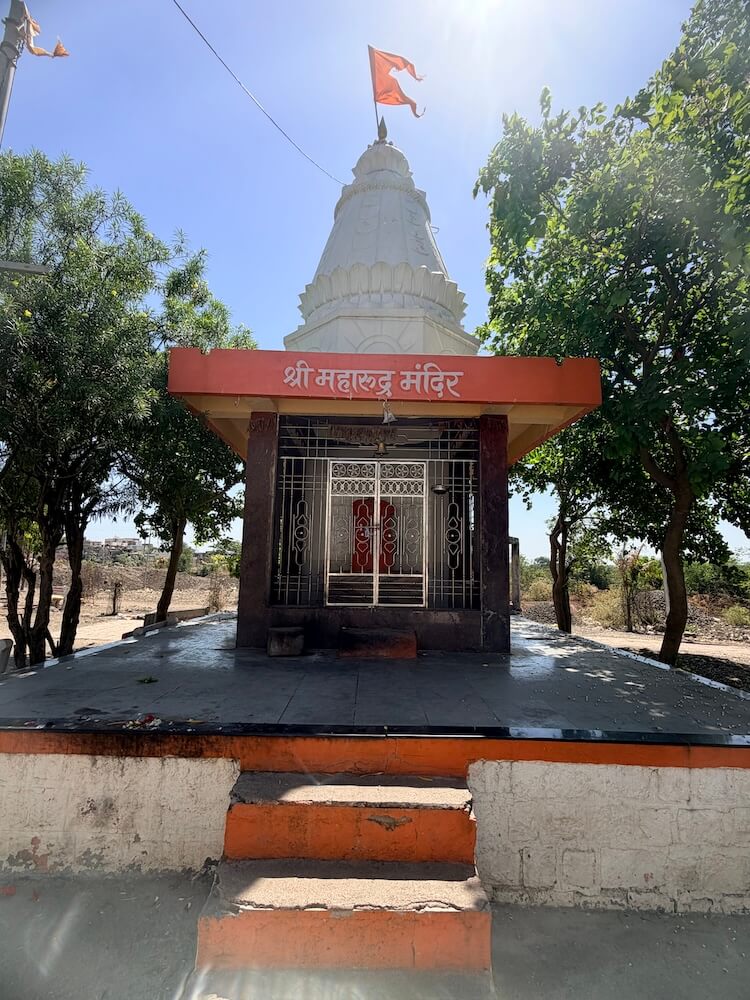
Parbhani district, once famous as Prabhavati Nagari, is home to many ancient temples, and this temple is considered one of them. It has been included in the list of ancient monuments as part of the ancient and historical heritage of Parbhani district. The village was previously named Arundheshwar, which later evolved into the current name, Erandeshwar. In the list of protected monuments of the Nizam government, this village is mentioned as Ardheshwar. This is an ancient and important village in Purna taluka. The village houses ancient temples such as the Keshavraj Temple, Siddheshwar Mahadev Temple, Nrusimha Temple, Nagnath Temple, and Ganesh Temple, all built in the Hemadpanti architectural style. In recent times, a new temple dedicated to Dakshayani Devi has also been constructed here. The village is also home to two significant monasteries, the Siddheshwar Math and the Maharajbuwa Math, which preserve the local spiritual traditions.
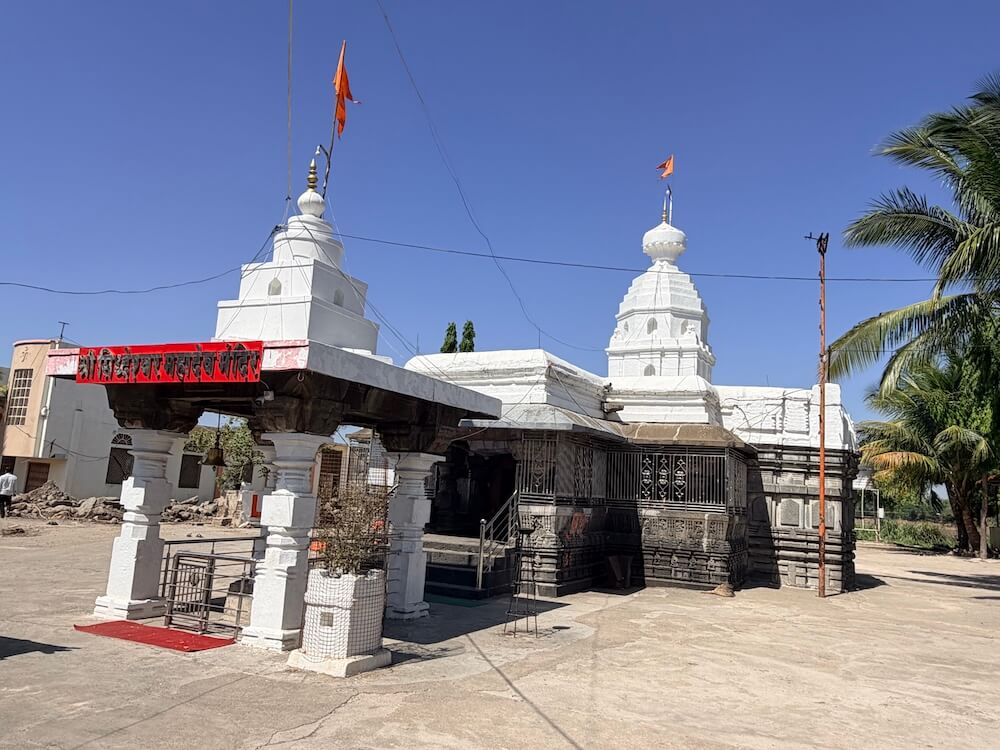
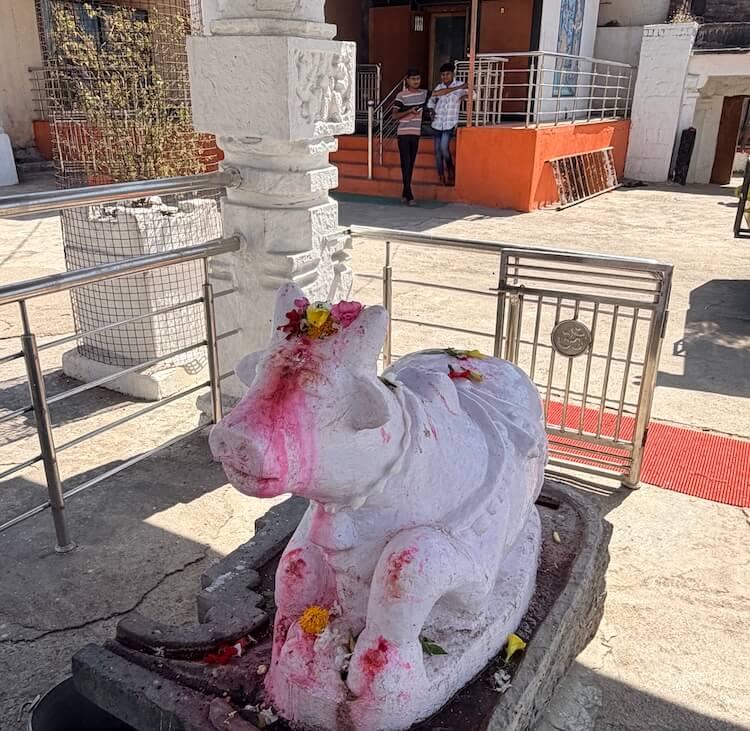
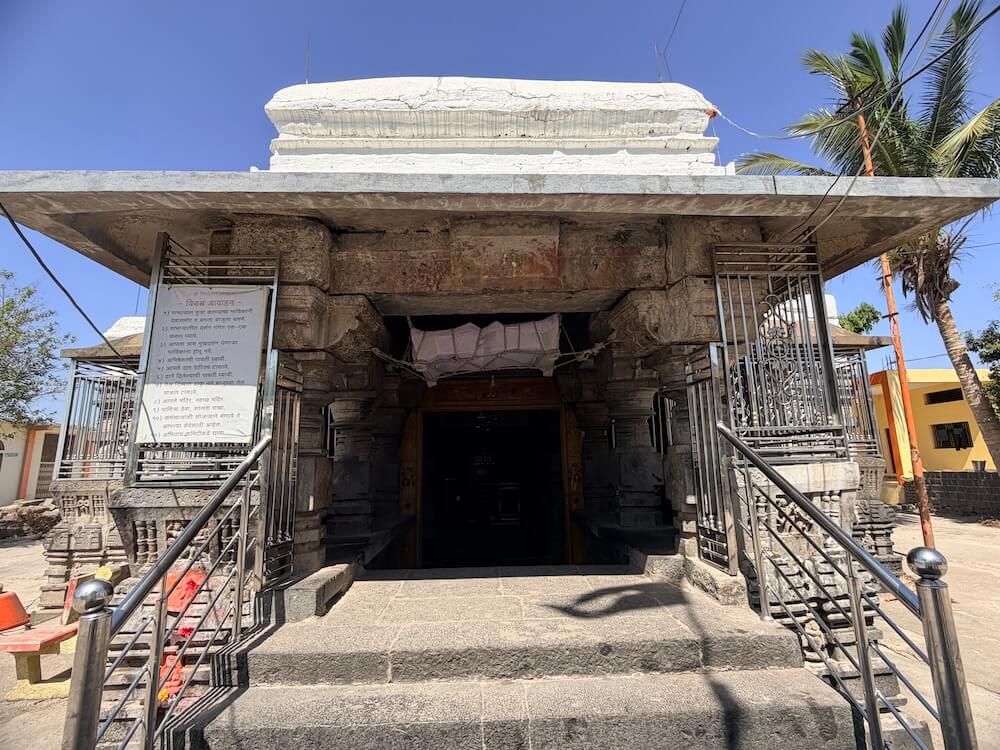
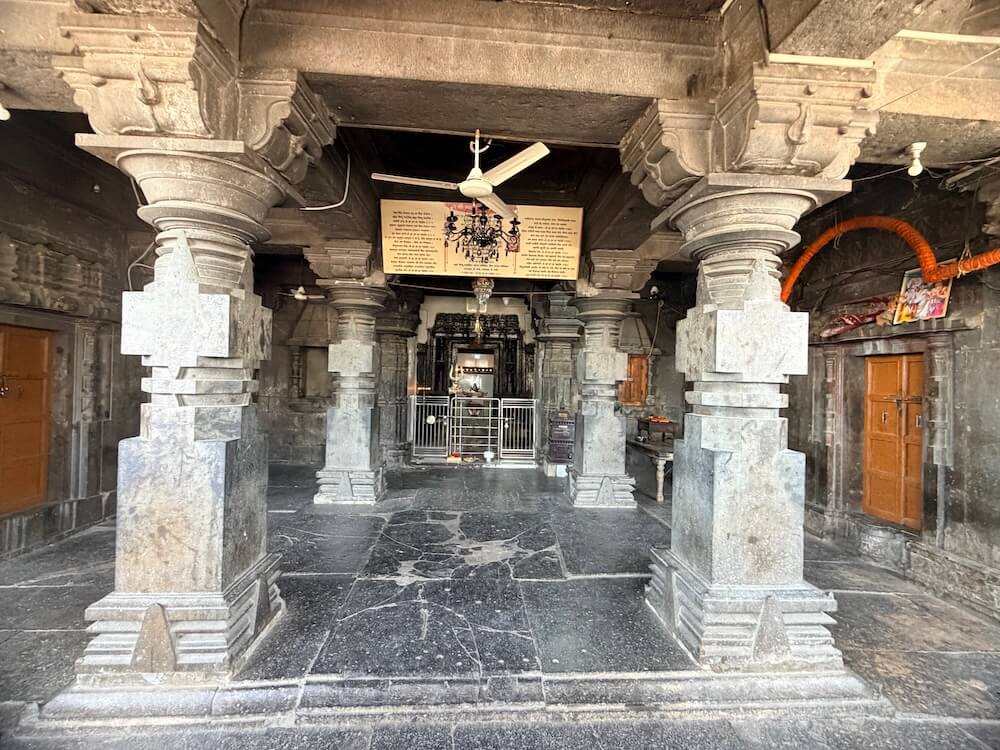
The Siddheshwar Mahadev temple is situated in the western part of the village. This east-facing temple has a spacious courtyard surrounded by a stone wall. The main temple stands in the center of the expansive premises. In front of the temple, the idol of Nandi is enshrined in a Nandi-mandapa supported by four pillars. The structure of the temple consists of a semi-open Sabha-mandapa (assembly hall), an Antarala (vestibule), and the main Garbhagriha (sanctum sanctorum). The Sabha-mandapa features stone benches for devotees to sit. On the platform (vedika) of the Sabha-mandapa, there are small shrines carved with elephant motifs. The pillars of the Sabha-mandapa stand on sturdy stone bases and are adorned with various carvings. The entrance to the Garbhagriha is of the Panchashakhiya style and is intricately carved. Various figures are sculpted at the base of the door frames, and the image of Lord Ganesha is enshrined on the lintel. Inside the Garbhagriha, a Shivalinga is installed within a large Shalunka. A five-headed serpent made of Panchadhatu (five metals) holds its hood over the Linga like an umbrella. Exquisite stone carvings can also be seen on the outer walls of the temple.
Opposite the main temple is the temple of Mother Annapurna. The Garbhagriha houses a marble idol of the trident-bearing Goddess Annapurna. Within the temple premises, there is an ancient stone stepwell (barav). There are steps on the northern side to descend into the well. The temple complex also contains the historical samadhis (tombs) of Gosavi Mahants. These samadhis are still maintained by the community’s Mahants. A 12th-century ‘Gadhegal’ inscription near these samadhis bears witness to the antiquity of the temple. The original records state that this inscription dates back to Shaka 1121, which was the golden era of the Yadava kings of Devagiri. The inscription, influenced by the Devanagari script and ancient Marathi language, clearly mentions Mahanayak and Mahasen Ramchandra. Currently, Mahant Shivanand serves as the head of the monastery.
Siddheshwar Mahadev is the presiding deity (Gram-daivat) of the entire Erandeshwar village. The local villagers have immense and unwavering faith in Mahadev, which is why the temple is always bustling with devotees. Many devotees visit the temple every Monday to seek Mahadev’s blessings. The largest festival of the year is organized here on the occasion of Mahashivratri. On this day, a long queue of devotees forms from early morning to offer Bel leaves and perform Jalabhishek on the Shivalinga. Various religious and spiritual programs are organized at the temple on Mahashivratri. Subsequently, the famous ‘Aamli Baras’ fair of Siddheshwar is held on the twelfth day of the bright fortnight of Chaitra. During this fair, the entire temple premises are filled with the crowds and enthusiasm of devotees.
During the Sharadiya Navratri festival, the Navratri Utsav is celebrated at the Annapurna Mata temple. On the first day of the bright fortnight of Ashwin (Ashwin Shuddha Pratipada), Ghatasthapana is performed in the temple according to traditional rites. During this festival, the Goddess is adorned daily with precious garments of various colors and beautiful jewelry.
Ritual ornaments and various sarees are placed before the idol of the Goddess. Throughout the nine days of Navratri, religious programs such as early morning Kakada Aarti, afternoon and evening Maha-aarti, Haripath, Kirtan, and Bhajan are performed daily. A special ‘Shrimad Devi Bhagavata’ Katha Saptah is also organized during these festival days.
On the day of Kojagiri Purnima, a Kalya-kirtan is held in the temple, followed by the distribution of Mahaprasad to all devotees in the evening. At night, a palanquin procession of the Goddess is taken out. Hundreds of devotees from the surrounding areas attend this traditional ceremony. Devotees can visit the temple for darshan daily from early morning until late at night.
This sacred temple stands as a testament to deep spiritual devotion, ancient architectural grandeur, and rich local cultural traditions.
The sanctum sanctorum houses the divine idol consecrated according to ancient Vedic traditions, surrounded by serene courtyards and traditional temple architecture.

Navratri, Maha Shivratri, Annual Temple Jatra & Deepotsav
Compare and book flights, secure top-rated local hotels near the temple, hire reliable guides, and rent cars instantly.
Extend your pilgrimage by visiting other highly sacred temples located nearby.


Add ₹999 more to unlock FREE SHIPPING!
Your sacred cart is currently empty.
Shop Photo FramesFill in your delivery details below to place your order.
Add comment