
Add ₹999 more to unlock FREE SHIPPING!
Your sacred cart is currently empty.
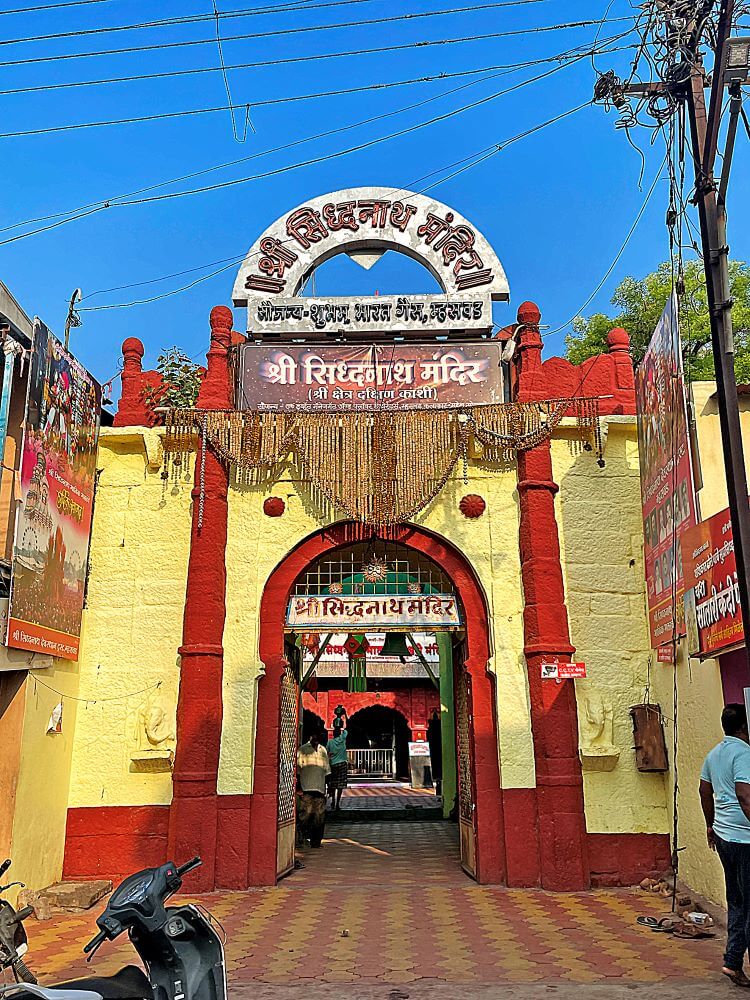
Shop Photo FramesSituated on the banks of the Manganga River in the town of Mhaswad, in the Satara district—often referred to as the “Dakshin Kashi”—the Siddhanath Temple is the presiding deity of Mhaswad and a place of deep faith for thousands of devotees. This temple, which serves as the family deity (Kuldaivat) for many, is renowned for being a “Jagrut” (awakened) shrine that grants the wishes of those who pray with devotion. On the day of Tulsi Vivah, the wedding ceremony of Siddhanath Maharaj and Mother Jogeshwari is celebrated with great enthusiasm. The chariot festival (Rathotsav) held on this day is famous, drawing devotees not only from across Maharashtra but also from Karnataka, Andhra Pradesh, and Madhya Pradesh.
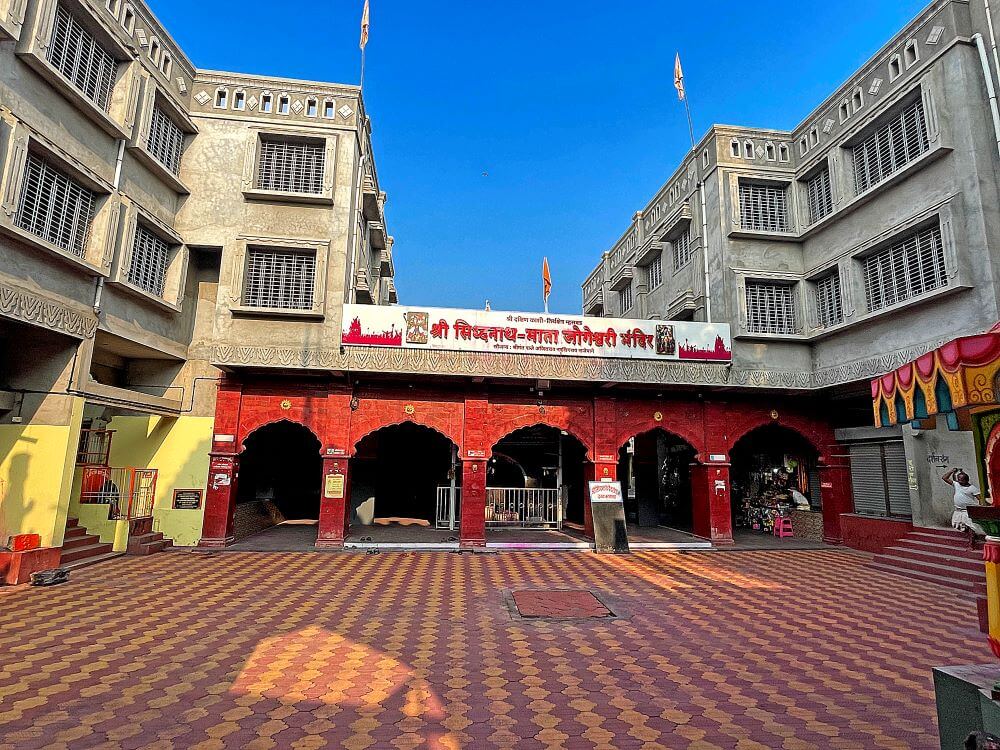
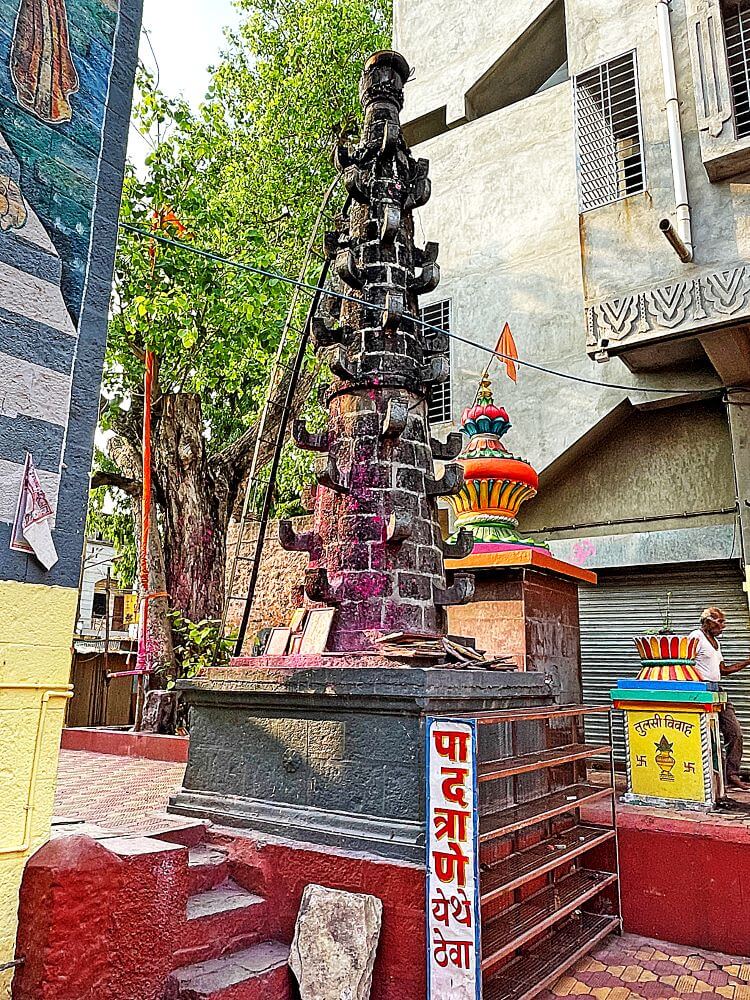
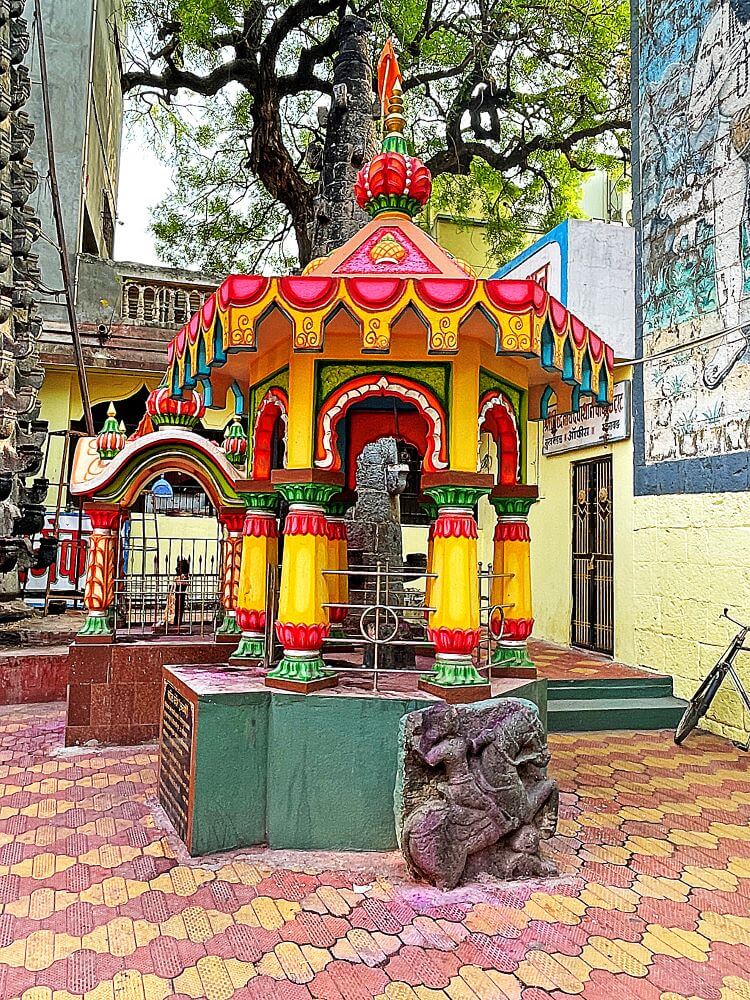
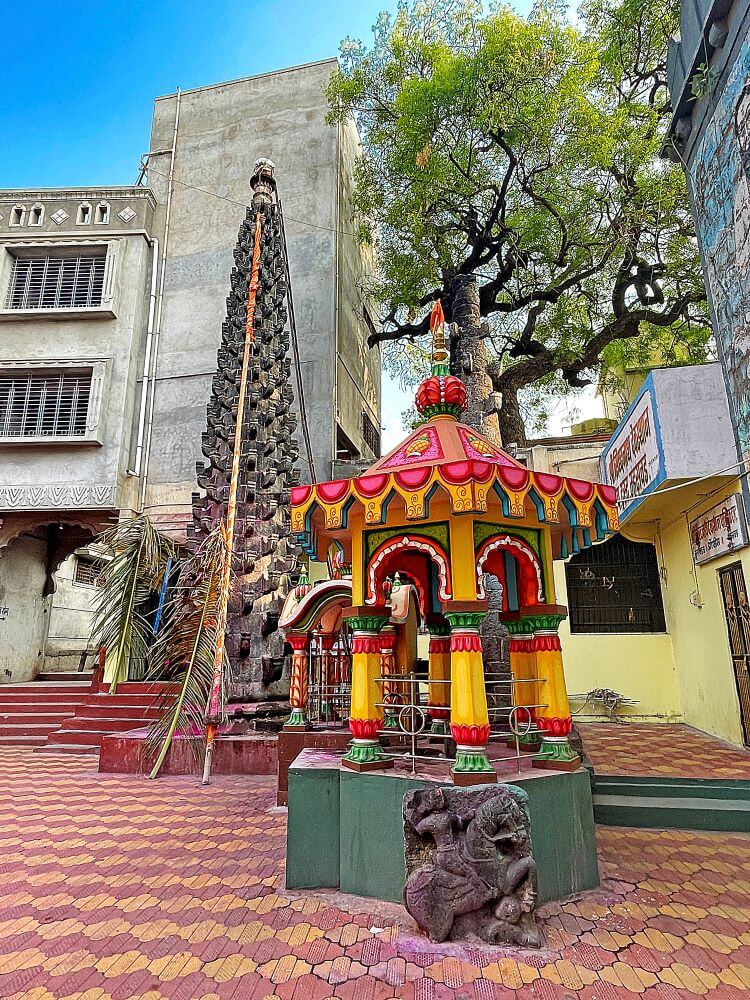
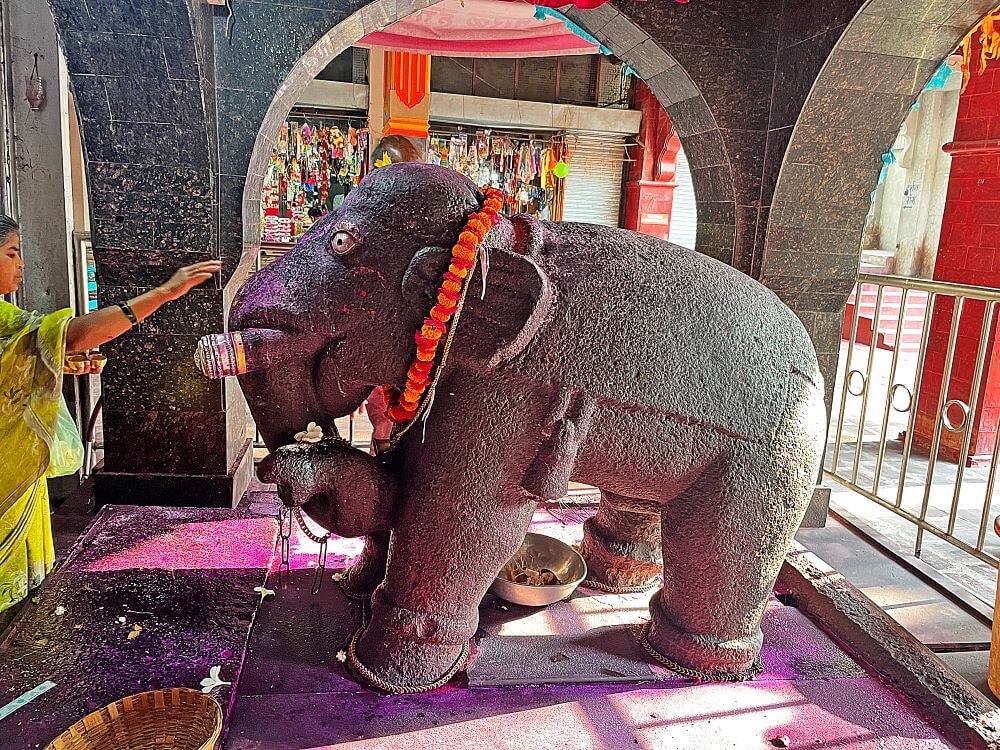
Mhaswad is the last village in the Satara district, located on the border of the Satara and Solapur districts. The Siddhanath Temple, situated in the heart of Mhaswad, dates back to the 12th century. The temple is surrounded by a fortification wall, along which are many shops selling worship materials. In the temple courtyard, there is a tall lamp pillar (Deepmal) and two smaller temples. In front of the main temple stands the Gajraj Temple, where an elephant statue faces the main shrine on a stone platform. It is said to be a memorial to the elephant that Siddhanath saved from the Ganges. Devotees believe that this Gajraj also grants their wishes. Beyond the Gajraj Temple, in front of the main temple, there are arched corridors (Ovris) attached to the structure. In one of these corridors, there is a Vrindavan featuring a carved figure holding a plow, with the sun and moon depicted near its head.
The main temple is elevated from the ground. Its structure consists of a Darshan Mandap (viewing hall), Sabha Mandap (assembly hall), Antaral (vestibule), and Garbhagriha (sanctum sanctorum). In the Darshan Mandap, there is a 25-line inscription in Kannada and Sanskrit. In the corridor next to the inscription , there are sculptures of the Saptamatrikas (seven mother goddesses). Additionally, there are idols of Ganpati, Bhairav, and Vishnu. The doorframe of the Sabha Mandap features exquisite carvings, while the lower section displays sculptures of Chawri-bearers, a woman in a gesture of prayer, and door guardians (Dwarpal). The Antaral houses an idol of Bhairav, and its two pillars are covered with circular metal sheets. In front of them are the Padukas (footprints) of Siddhanath and Mother Jogeshwari.
Like the Sabha Mandap, the doorframe of the Garbhagriha is also intricately carved. The entrance is Panchashakhi (five-branched); the first branch features floral patterns, the second is a lotus branch, the third is a pillar branch, the fourth is a human figure branch, and the fifth is another lotus branch. Below the pillars are idols of Shaiva door guardians, Chawri-bearers, and Kubera. Inside the Garbhagriha, behind a wooden arch, are the idols of Siddhanath and his consort, Goddess Jogeshwari. Behind them, a brass halo (Prabhaval) is visible. Behind the idols of Siddhanath and Mother Jogeshwari is the Nagadevta (serpent deity). Siddhanath holds a Trishul (trident) and Kamandalu, with the Sun deity by his side.
The original idol of Siddhanath is that of Bhairav, and the original idol of Goddess Jogeshwari is that of Parvati. In a cellar beneath these idols lies a self-manifested (Swayambhu) Shiva Linga of Kashi Vishweshwar. This cellar is opened only on the night of Mahashivratri. Consequently, devotees can only have the darshan of this Shiva Linga once a year, after which it is closed again. On a small cot near the entrance of the cellar, Panchadhatu (five-metal) idols of Shri Siddhanath and Jogeshwari are placed on cushions. It is said that this site was originally a Patal-lingi. After its renovation around the 17th century, the idols were installed above the Patal-lingi Shiva Linga.
The Ghatasthapana takes place on Kartik Shuddha Pratipada (Diwali Padwa). From this day, the 12-day Navratri festival of Siddhanath is celebrated (just as the Devi’s Navratri lasts nine days, Siddhanath’s Navratri lasts for 12 days). On the afternoon of Diwali Padwa at 12:00, the Haldi (turmeric) ceremony of Siddhanath is held, in which thousands of women participate. The ceremony is conducted amidst the sounds of drums and shehnai-chaughadas. Then, on Kartik Shuddha Dwadashi (Tulsi Vivah), the royal wedding ceremony of Shri Siddhanath and Jogeshwari Mata is performed in the presence of thousands of devotees, accompanied by the music of shehnai-chaughadas. For this, the idol of Siddhanath is brought from the Gajraj temple outside, seated in a howdah on a decorated elephant, and carried into the temple sanctum. As the idol is brought in, thousands of devotees touch it with deep devotion, believing that touching the idol of Siddhanath brings happiness, prosperity, and success. After the idol is brought inside, a curtain (Antarpat) is held before the idol of Goddess Jogeshwari, and the wedding ceremony is performed according to Vedic rites with Mangalashtakas at 12:00 midnight.
Following the wedding ceremony, a procession known as the Rath Yatra is organized. The idols are placed in a magnificent wooden sandalwood chariot. Devotees pull the chariot with large ropes, taking it around the village. During this time, gulal and coconut pieces are showered upon the chariot. Devotees chant, “Siddhanathanchya navane changbhala…” The entire town of Mhaswad is drenched in gulal. After circumambulating the town through the bed of the Manganga River, the chariot returns to the temple premises. The Rath Yatra is a major event here, attended by thousands of devotees.
Additionally, Shri Siddhanath and Goddess Jogeshwari are offered Abhisheka every morning and evening. The daily schedule includes Kakad Aarti at 5:00, the main Aarti at 8:30, Dhuparti at 15:00, the main Aarti again at 20:30, and Shejarti at 22:00.
This sacred temple stands as a testament to deep spiritual devotion, ancient architectural grandeur, and rich local cultural traditions.
The sanctum sanctorum houses the divine idol consecrated according to ancient Vedic traditions, surrounded by serene courtyards and traditional temple architecture.
Navratri, Maha Shivratri, Annual Temple Jatra & Deepotsav
Compare and book flights, secure top-rated local hotels near the temple, hire reliable guides, and rent cars instantly.
Extend your pilgrimage by visiting other highly sacred temples located nearby.


Add ₹999 more to unlock FREE SHIPPING!
Your sacred cart is currently empty.
Shop Photo FramesFill in your delivery details below to place your order.
Add comment