
Add ₹999 more to unlock FREE SHIPPING!
Your sacred cart is currently empty.
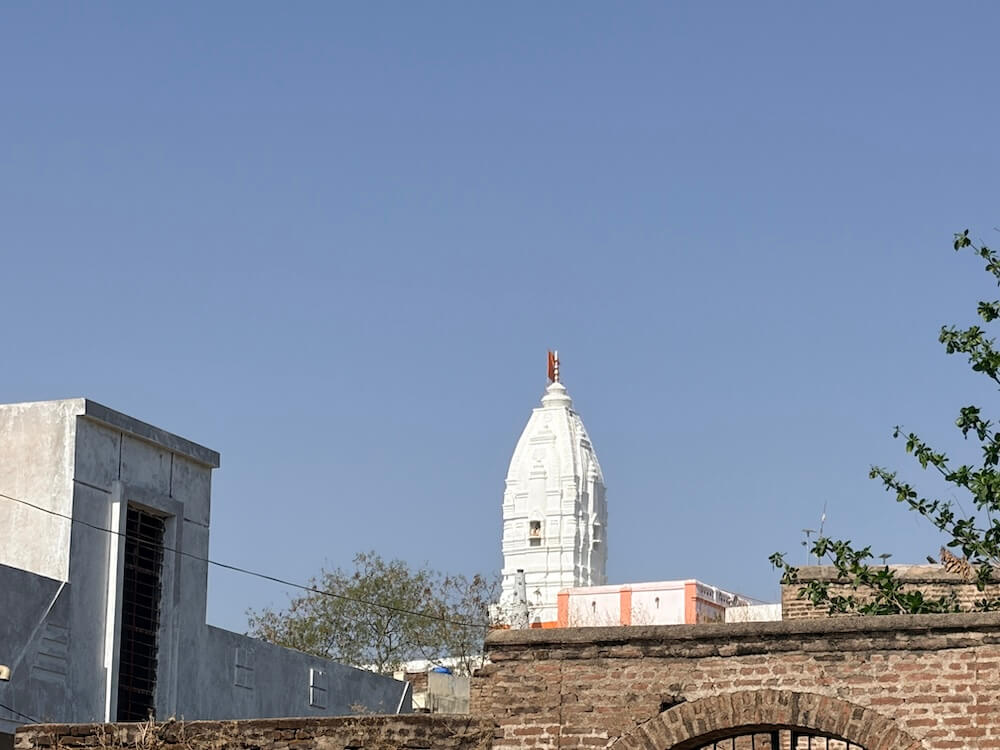
Shop Photo FramesParbhani district in Maharashtra, blessed with a rich historical and religious heritage, is home to many famous shrines. In the Jintur taluka of this district lies a small village of mythological importance named Ridaj. The Jagdamba Devi Temple of Ridaj is considered an Upathana (sub-seat) of Shri Tulja Bhavani Devi of Tuljapur. Situated atop a high hill in the village, this temple houses a deity believed by the villagers as well as devotees from surrounding areas to be highly Jagrut (swift to answer prayers and responsive to devotees’ calls). Consequently, thousands of devotees from every corner of Parbhani district and beyond visit this place to seek the Goddess’s darshan and to fulfill their vows. Out of deep devotion to the Goddess, the village has preserved several unique traditions to this day.
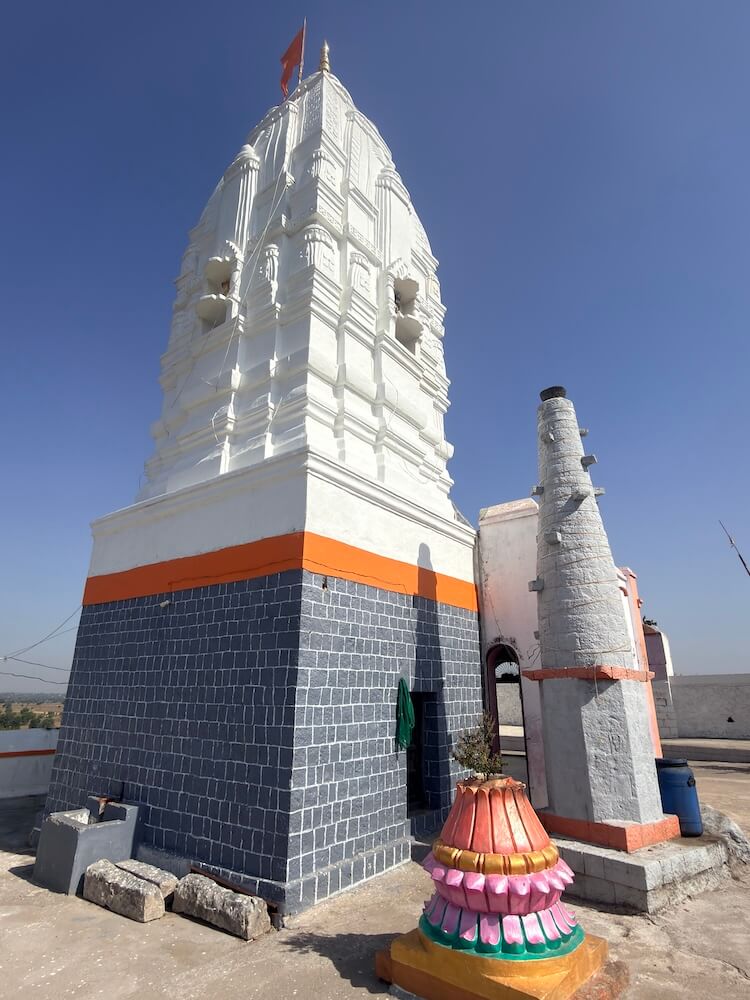
In Sanatana Hindu Dharma, a special place is accorded to the Adi Pancha Deva-Devatas (the five primary deities). These five deities include Bhagwan Ganesh, Shri Vishnu, Bhagavati Devi, Bhagwan Shiva, and Surya Deva. Among all these deities, Bhagavati Devi is revered as Parabrahma. The Vedas and Puranas state that this Adi Shakti, who governs the universe, assumed various incarnations across different eras to destroy evil and protect the common people. Many ancient temples dedicated to Mother Jagdamba, worshipped as the ‘Mother of the Universe,’ can be seen across Maharashtra. An ancient legend regarding the consecration of Goddess Jagdamba at Ridaj is popular among the villagers. The Goddess has resided on this hill since ancient times. One day, She appeared in a dream to a local villager and gave him a divine vision. The Goddess told him, “No one lives around Me; therefore, all of you should consecrate My deity in the center of the village and come live with Me.” Following the Goddess’s command, the villagers began settling at that spot, and gradually, the village of Ridaj was formed. Over time, the original temple underwent development, and a complete renovation of the temple was carried out a few years ago. This renovation gave the temple its present majestic form.
Geographically speaking, along the main Parbhani–Jintur highway leading from the Parbhani district headquarters towards Jintur, lies Chandaj Pati. The village of Ridaj is located about three kilometers from Chandaj Pati. The Parpara River flows near the village, and this Jagdamba Devi Temple is situated on a hill on the banks of this river. The villagers regard the Goddess as their supreme protector. The villagers firmly believe that it is through the grace of the Goddess that happiness, prosperity, and abundance flourish in the village. A unique tradition has been observed here for generations. Inside the temple, a sacred bed (palang) is kept for the Goddess. Out of profound devotion to Her, not a single resident of the village uses a mattress or a bed in their own home. This tradition is not limited to those residing in the village alone; people belonging to Ridaj who have settled in cities like Pune, Mumbai, or elsewhere for jobs or business also never use beds or mattresses in their homes. Furthermore, when marriages of the village’s daughters are arranged, household gifts are given to them, but the tradition of not including a bed in these gifts is faithfully maintained by the villagers to this day.
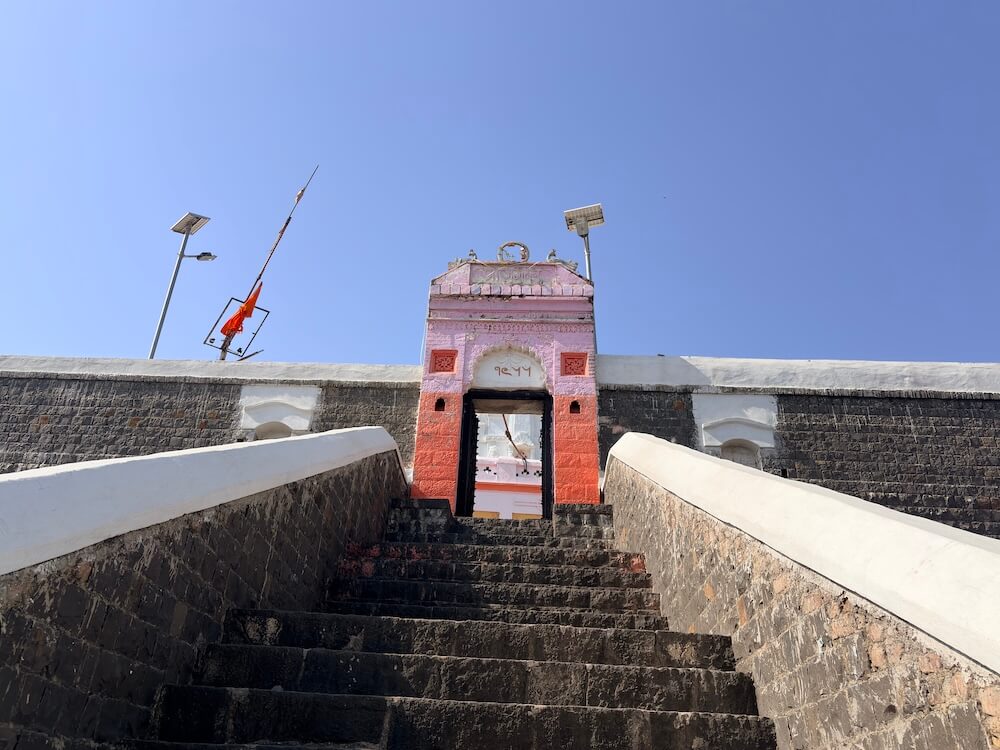
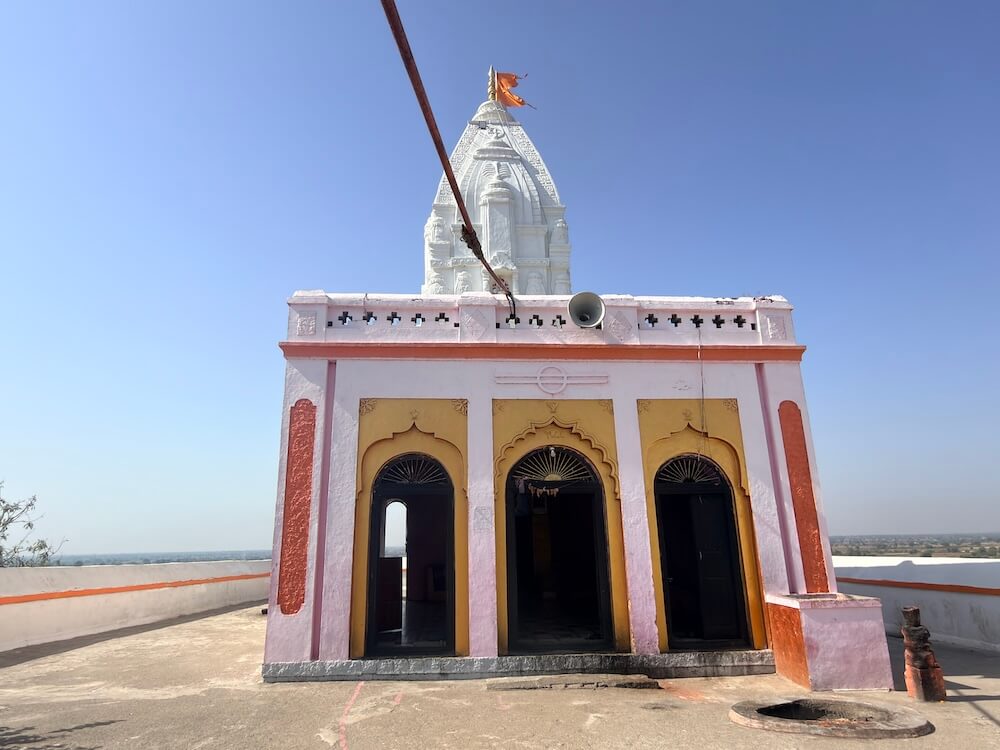
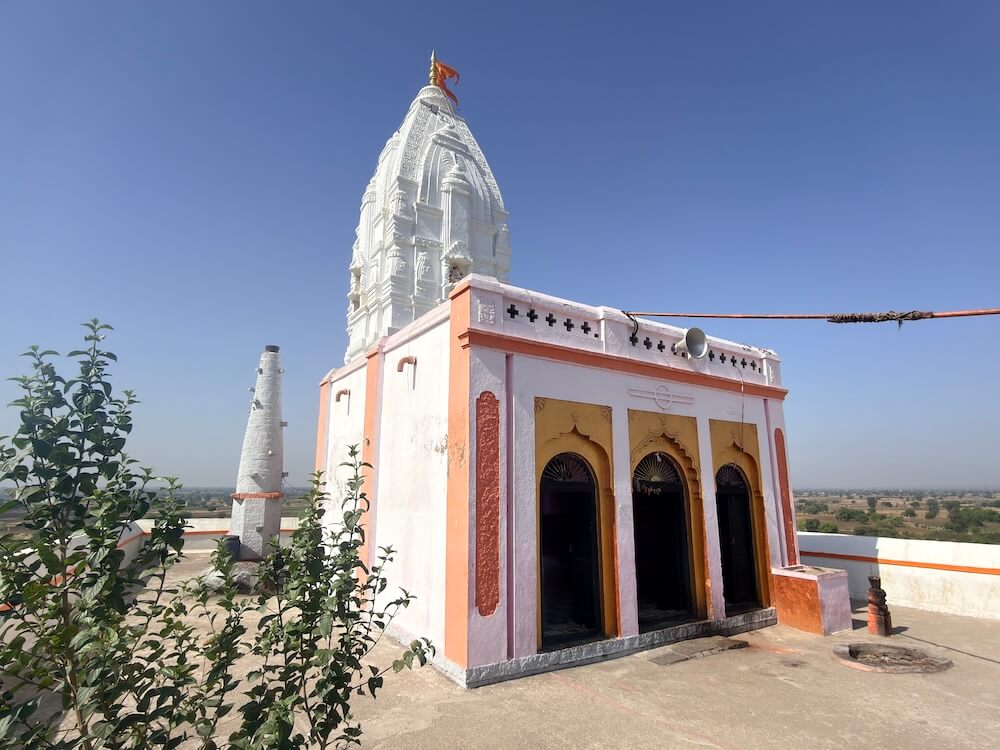
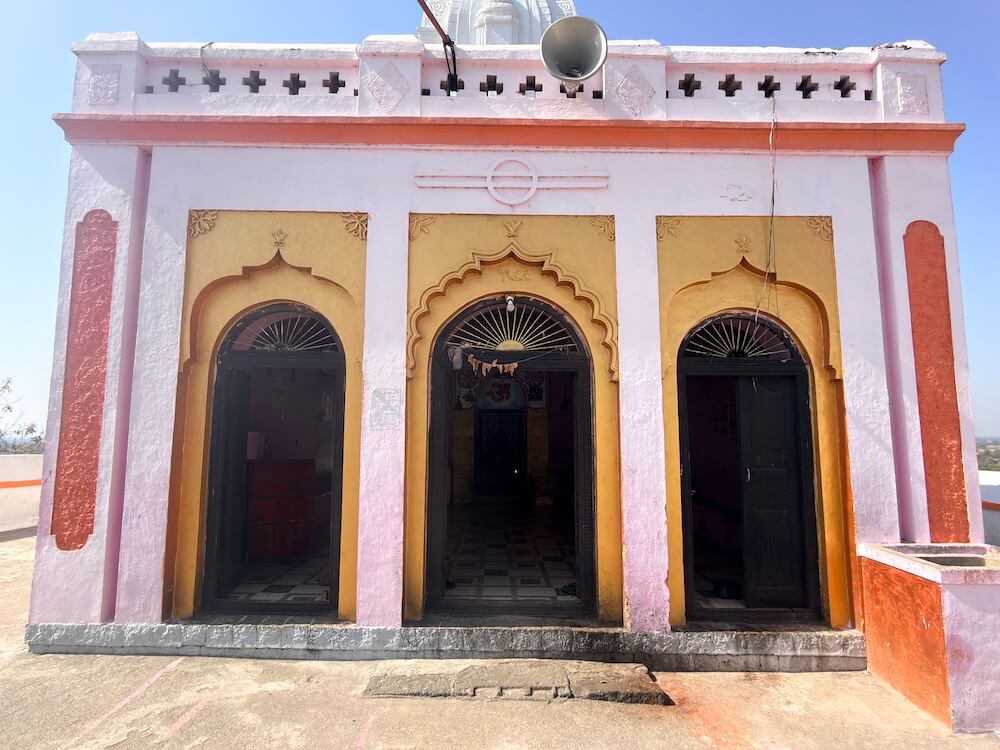
This Jagdamba Devi Temple is situated on a hill about one hundred feet above ground level. To reach the temple, devotees must ascend approximately sixty stone steps. A sturdy stone fortification wall surrounds all four sides of the temple. Passing through the main entrance of the fortification wall leads into the temple courtyard. In the courtyard, directly in front of the temple, stands a stone Deepmal (lamp-tower). The overall structure of the temple is mainly divided into a Sabhamandap (assembly hall) and a Garbhagriha (sanctum sanctorum). The temple’s Sabhamandap has three beautifully arched entrances, through which devotees enter the main assembly hall. Beyond the Sabhamandap lies the sanctum sanctorum of the temple. Seated on a raised altar within the Garbhagriha is a divine, radiant stone-carved idol of Goddess Jagdamba. A unique feature of this idol is that both hands of the Goddess are spread outward to the sides. Adorned in exquisite garments and gold and silver ornaments, the Goddess wears traditional green bangles (chuda) on Her hands.
As Jagdamba Devi of Ridaj is believed to be a deity who fulfills the vows (navas) of Her devotees, religious rituals take place here throughout the year. The Sharadiya Navratri festival is celebrated as the largest and most prominent festival of the year at this temple. During this nine-day festival, members of every family in the village observe a strict fast for all nine days. On Ashwin Shuddha Pratipada, the first day of Navratri, the Ghatasthapana is performed in the temple according to scriptural rites. On all nine days of Navratri, various religious rituals, pujas, and aartis are conducted in the morning and evening. For the festival, the entire temple and the hill area are illuminated with attractive lighting. During these nine days, thousands of devotees from the district and surrounding regions climb the hill barefoot to seek the Goddess’s darshan. Many devotees offer Oti (a traditional offering of coconut and cloth) to the Goddess and make vows for the fulfillment of their wishes. On the Navami day of Navratri, a grand Hom-Havan (sacred fire ritual) is performed, in which a large congregation of devotees participates. On the occasion of Navratri, Ramayana Parayan (recitation) and Akhand Harinam Saptah are organized at the temple. During this week, discourses (kirtans) by renowned Kirtankars, bhajans, and grand Mahaprasad distributions are organized daily on a large scale. Devotees can visit the temple for darshan every day from early morning until late at night.
This sacred temple stands as a testament to deep spiritual devotion, ancient architectural grandeur, and rich local cultural traditions.
The sanctum sanctorum houses the divine idol consecrated according to ancient Vedic traditions, surrounded by serene courtyards and traditional temple architecture.
Navratri, Maha Shivratri, Annual Temple Jatra & Deepotsav
Compare and book flights, secure top-rated local hotels near the temple, hire reliable guides, and rent cars instantly.
Extend your pilgrimage by visiting other highly sacred temples located nearby.


Add ₹999 more to unlock FREE SHIPPING!
Your sacred cart is currently empty.
Shop Photo FramesFill in your delivery details below to place your order.
Add comment