
Add ₹999 more to unlock FREE SHIPPING!
Your sacred cart is currently empty.
Shop Photo FramesAkole taluka in Ahilyanagar district is considered the historical and religious pride of Maharashtra. It is home to the jewels of the Sahyadri range, such as Kalsubai, the highest peak in the state, as well as Harishchandragad and Ratangad. Due to its nature-rich landscape, this region is known as the ‘Heaven of Maharashtra’, while its spiritual and architectural significance is highlighted by ‘temple-sculptures’ such as the famous Jagdamba Temple in Tahakari and the Siddheshwar Temple in Akole.
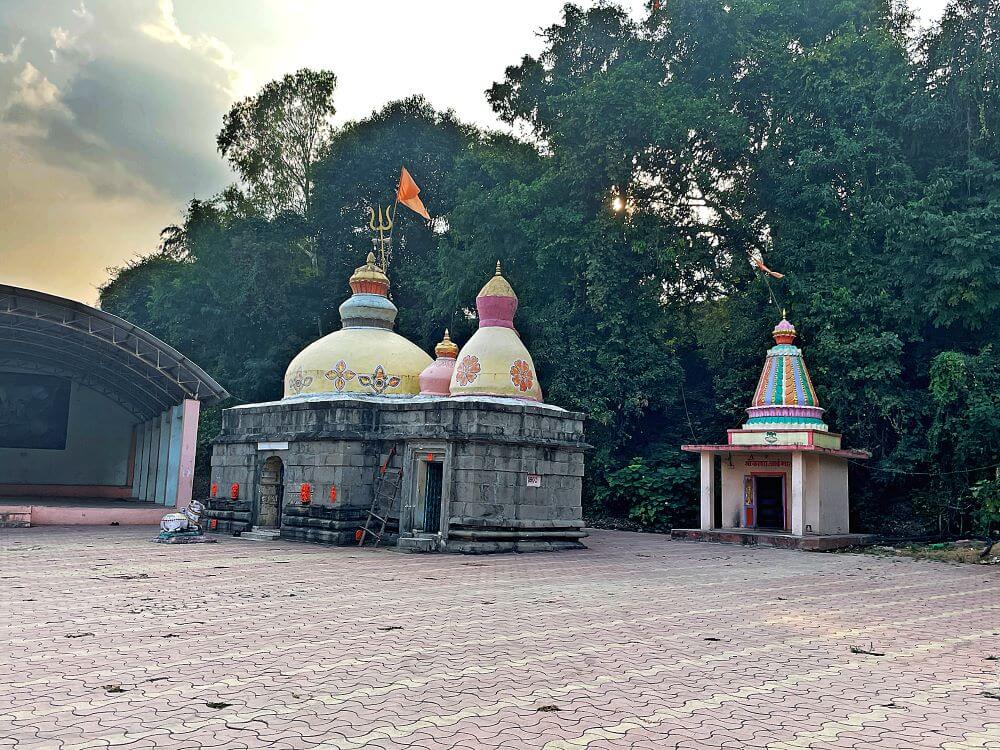
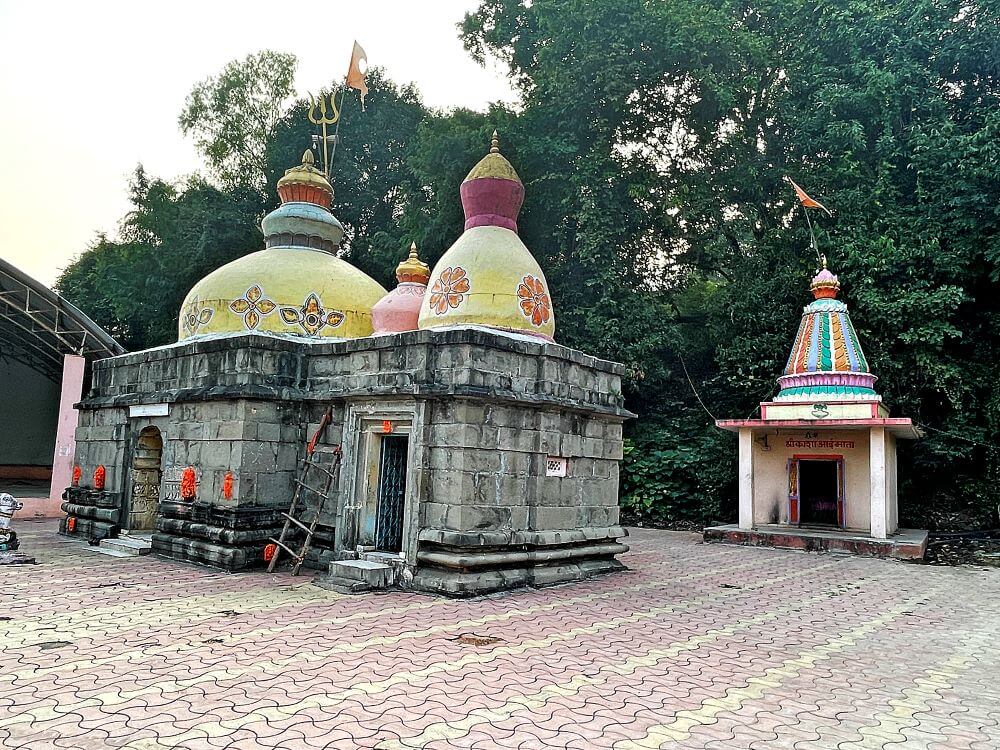
In the nature-rich area of Keli Rumhanwadi in Akole taluka, the ancient temple of Keleshwar Mahadev is situated on the banks of the Adhala river and at the foothills of the mountains. Known as ‘Prati-Trimbakeshwar’, it is the firm belief of devotees that bathing at the Keleshwar Tirtha near this temple for 11 consecutive Mondays cures skin ailments like vitiligo.
The legend of the temple states that in the Dvapara Yuga, a king named Sudhanva from Karnataka made an error while delivering a verdict in his court and ruled against a Brahmin woman. Angered by the fact that the king had ruled against her despite her being innocent, the Brahmin woman cursed the king, saying that his entire body would be afflicted with leprosy, causing him unbearable pain, which would eventually lead to his death. Upon hearing this curse, the king immediately acknowledged his mistake and pleaded for liberation from the curse.
After the King’s earnest plea, the woman revealed the path to liberation from the curse, stating that by bathing in the Kushavarta at the Trimbak pilgrimage site in Dandakaranya and offering prayers to Lord Trimbakeshwar Mahadev, he would be freed from this curse. Following this, King Sudhanva set out for the city of Trimbak. Journeying stage by stage, he reached Keli Rumhanwadi, but by then, leprosy had broken out on his body, causing unbearable pain. He was unable to walk any further. Finally, the King stopped there and prayed fervently to Lord Trimbakeshwar. Pleased by the King’s prayers, Lord Trimbakeshwar Mahadev appeared before him. The King then narrated the incident that had occurred in his court. Seeing that His devotee could not travel to Kushavarta for the holy bath, Mahadev created a sacred tirtha at the very spot where the King was performing penance, which was as holy as the Kushavarta itself. Henceforth, bathing in this tirtha would bestow the same merit as bathing in the Kushavarta. Having said this and bestowed His blessings, Mahadeva vanished from that place. After the King bathed in that Kunda, his pain ceased and his body was restored to its former state. Since then, many devotees have been coming to this Keli Tirtha, which was sanctified by the touch of Mahadeva’s feet and holds significance equal to Kushavarta, for a holy bath.
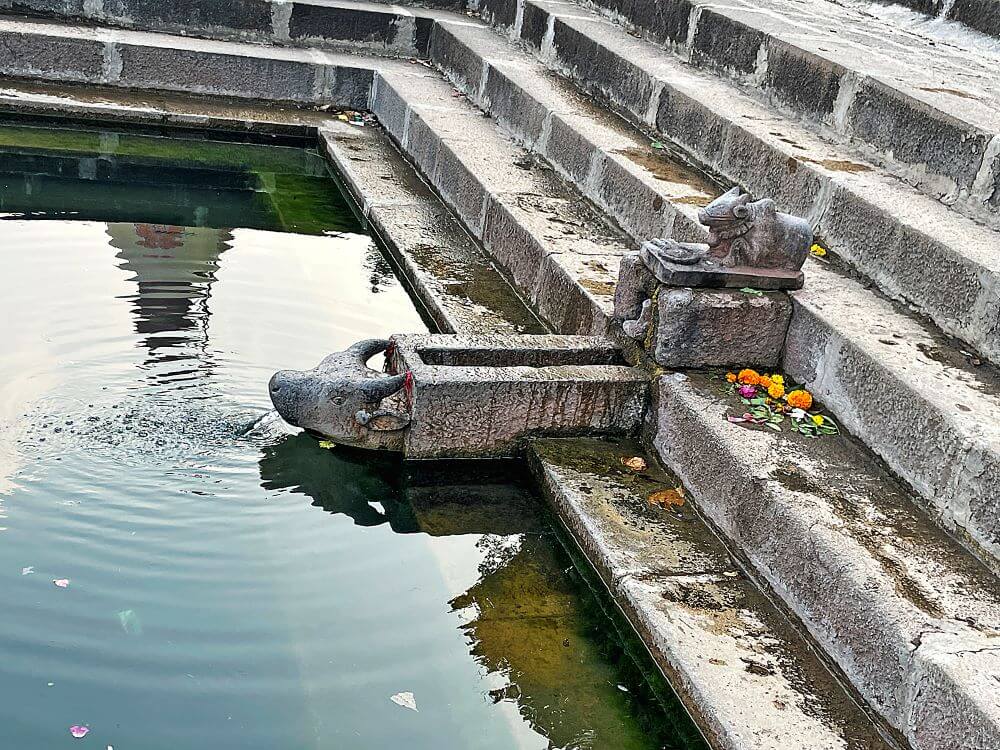
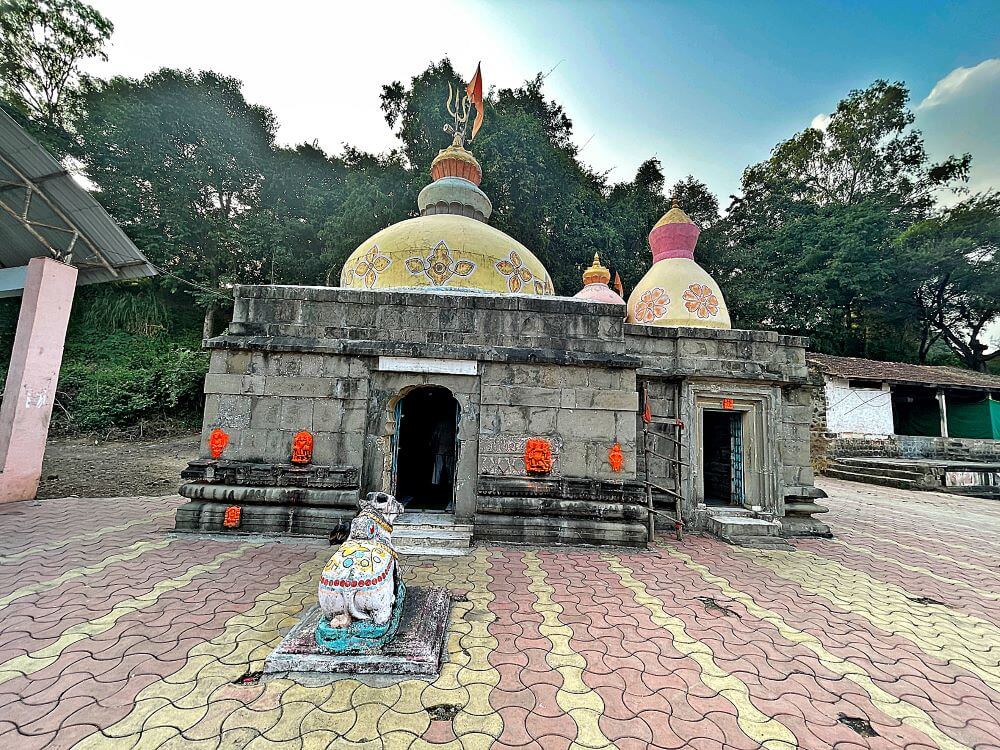
Dating back to the 12th century, this temple is built in the Hemadpanti style. Adjacent to the Kaleshwar Temple are the temples of Lord Ganesha and Kashai Mata. The square stepwell (barav) located in the temple courtyard is famous as Kelitirth. The stepwell has stone steps on all four sides. Although water flows continuously into this stepwell from a Gomukh (cow-faced spout), the water level here remains constant.
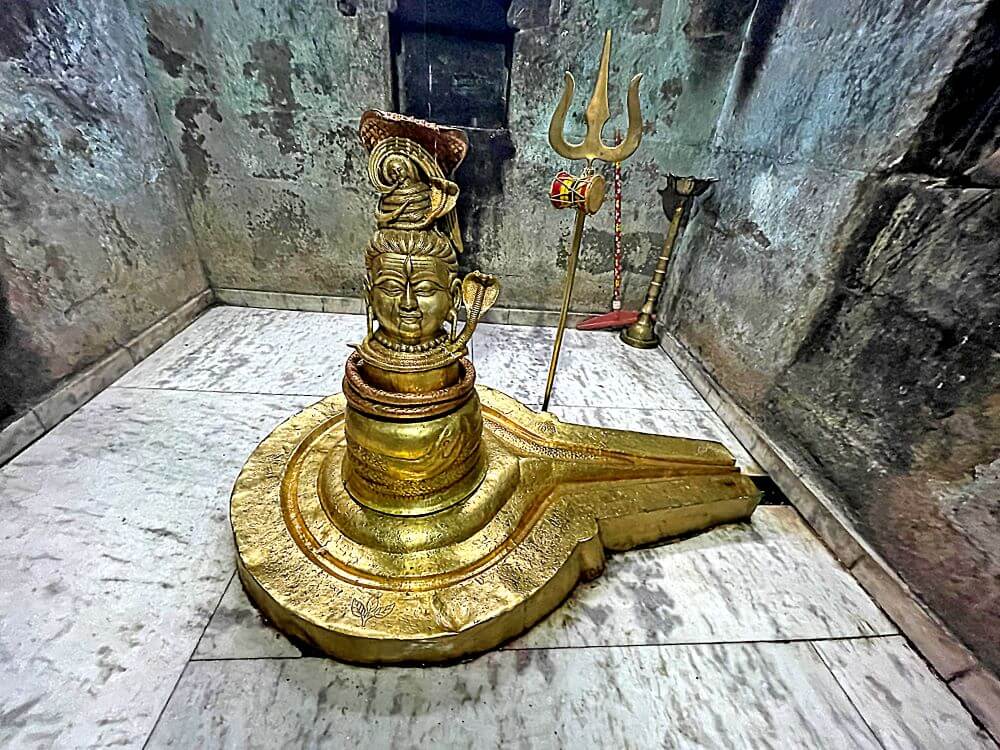
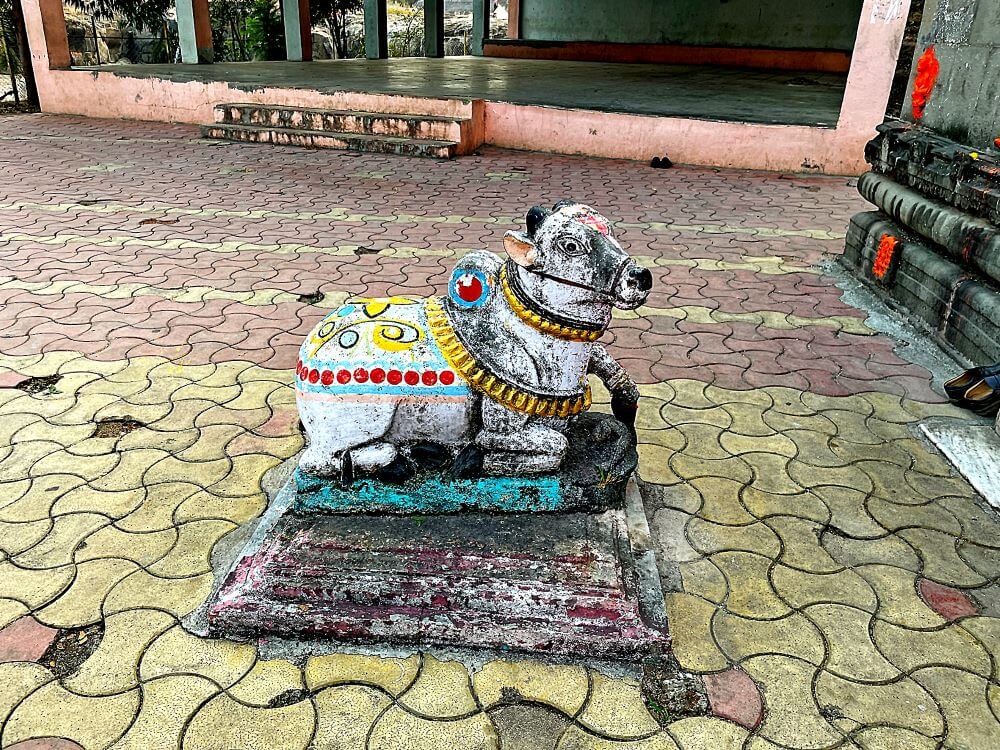
Outside the entrance of Keleshwar, there is a Nandi. Moving forward from the Sabhamandapa (assembly hall), there are many intricate sculptures on the doorframe of the sanctum sanctorum (Garbhagriha). Inside the sanctum, the Shiva Linga is adorned with a brass covering featuring the face of Mahadeva. A large fair is held here on the day of Mahashivratri. On this day, programs such as Kirtan and Bhajan are organized. Mahaprasad is distributed to the visiting devotees. Apart from this, hundreds of devotees come here for Darshan on every Shravani Monday. It is the firm belief of the devotees that by having Darshan of Keleshwar Mahadeva, one attains the merit equivalent to the Darshan of the Trimbakeshwar Jyotirlinga.
This sacred temple stands as a testament to deep spiritual devotion, ancient architectural grandeur, and rich local cultural traditions.
The sanctum sanctorum houses the divine idol consecrated according to ancient Vedic traditions, surrounded by serene courtyards and traditional temple architecture.
Navratri, Maha Shivratri, Annual Temple Jatra & Deepotsav
Compare and book flights, secure top-rated local hotels near the temple, hire reliable guides, and rent cars instantly.
Extend your pilgrimage by visiting other highly sacred temples located nearby.


Add ₹999 more to unlock FREE SHIPPING!
Your sacred cart is currently empty.
Shop Photo FramesFill in your delivery details below to place your order.
Add comment