
Add ₹999 more to unlock FREE SHIPPING!
Your sacred cart is currently empty.
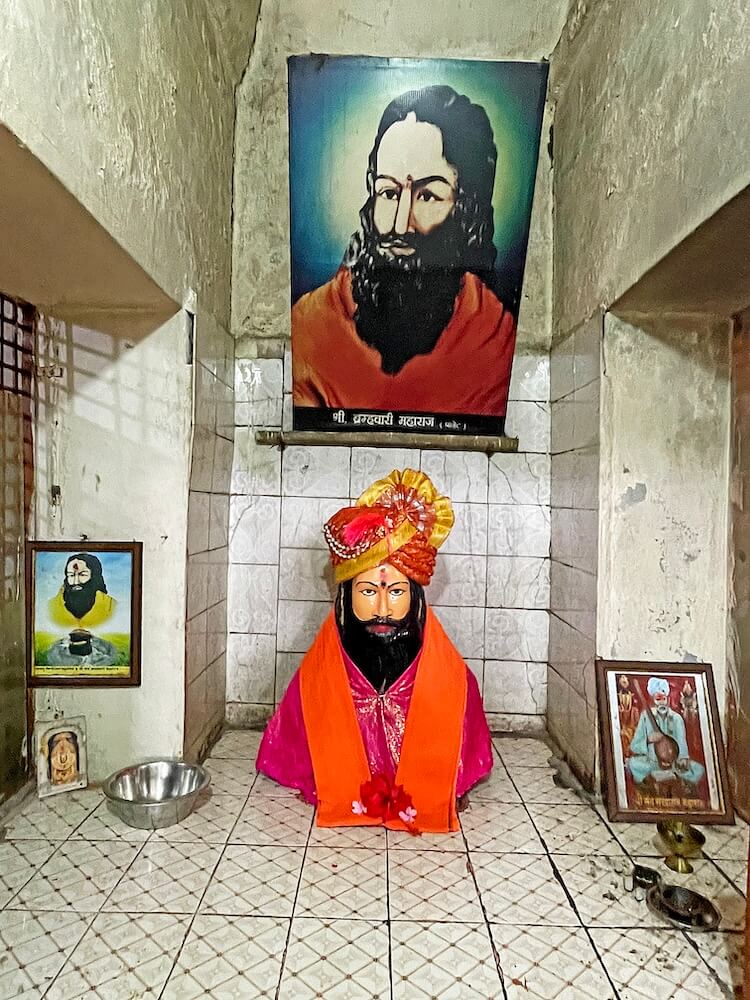
Shop Photo FramesAt Shri Kshetra Panet, a place sanctified by the touch of the lotus feet of Shri Rama, lies an ancient Swayambhu (self-manifested) Shiva Linga of Kashivishveshwar. Situated on the banks of the Purna River, this region was once the site of penance for many sages, including Sage Parashara. Gajanan Maharaj of Shegaon and Narsing Maharaj of Akot often visited this sacred site. Following the instructions given about one hundred and fifty years ago by their contemporary, Saint Brahmachari Maharaj, the villagers succeeded in discovering the Kashivishveshwar Shiva Linga buried deep underground. However, due to the silt brought by the river, the Shiva Linga gets buried under the earth during the monsoon season. Every year, before the festival of Mahashivratri, excavation is carried out to reveal the Linga for darshan. Thousands of devotees from various districts of Vidarbha arrive for this festival and perform Abhisheka on the Shiva Linga while chanting “Har Har Mahadev.” The Samadhi of Brahmachari Maharaj is also located in this vicinity.
The village of Pilakwadi is situated on the banks of the Purna River, near Chohotta Bazaar on the Akola-Akot road. The area surrounding this village, nestled among scenic hills, is known as the Panet region. The ancient name of the Purna River flowing through here is “Payoshthi.” This region and the river are described in the “Garuda Purana.” While returning to Ayodhya after his victory over Lanka, Shri Rama bathed in this river and worshipped Kashivishveshwar. Nearby, at Palsud, was the ashram of Sage Parashara. After bathing in the waters of the Payoshthi River, he would take darshan of Kashivishveshwar Mahadeva.
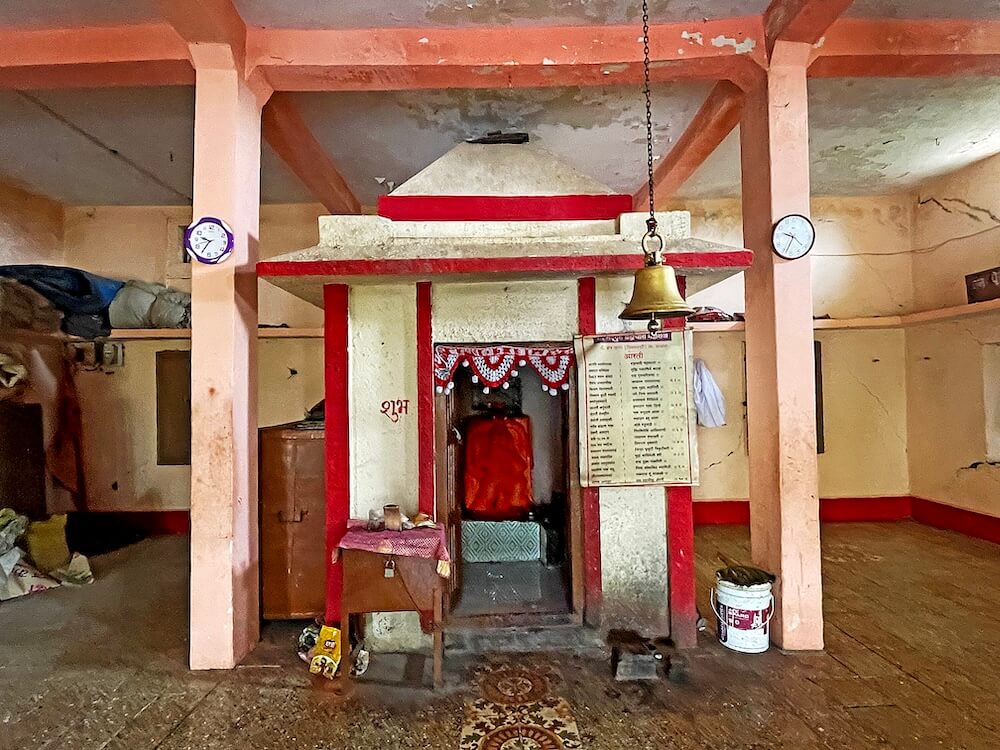
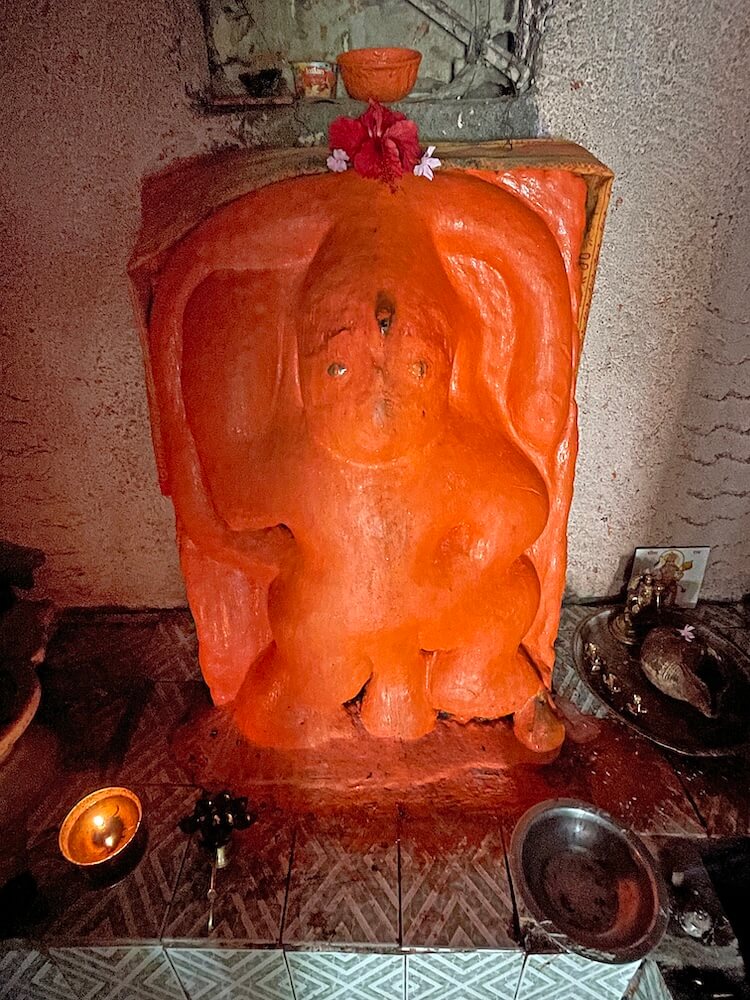
No one knows the origins or background of Brahmachari Maharaj, who gave the villagers instructions regarding the underground Kashivishveshwar Shiva Linga one hundred and fifty years ago. After spending some time in Naimisharanya, he traveled through various places like Nerpinglai, Mahur, Umakdev, and Kinkhed before arriving in the Pilakwadi area on the banks of the Payoshthi River. At that time, he was about 60 years old. Tall and fair-complexioned, Brahmachari Maharaj possessed a radiant aura on his face. Here, he was introduced to a person named Sitaram Gambhirji Patil. Patil served him faithfully for many years. He also built a hut for Brahmachari Maharaj, where he performed his spiritual practices. Over time, he began residing in a monastery (Math) built by Patil’s brother, Namdev. In this monastery, he installed an idol of Hanuman. He also had close ties with Yoganand Swami of Paratwada. He never spoke to anyone about his past life. During his stay here, Brahmachari Maharaj guided many people. He imparted yoga education and spiritual initiation (Anugraha) to many. During his time here, he would also engage in discussions with Gajanan Maharaj, who often visited the banks of the Payoshthi River, and with Shri Narsing Maharaj of Akot.
Brahmachari Maharaj would visit Kashi once a year to take darshan of Kashivishveshwar. One day, he called upon Ramkrishna Shastri, a prominent person in the village. He said, “I wish to go to Kashi for the darshan of Kashivishveshwar. I will go there in my spiritual form (Atmarupa). My body will remain here. Please take care of this body for three days and continue chanting ‘Om Namo Shivaya’.” Following his instructions, Ramkrishna Shastri and some villagers sat near the body of Brahmachari Maharaj and chanted the name of Shiva continuously. After three days, he woke up as if from a dream and said to Ramkrishna Shastri, “There is a Bori (Jujube) tree near the bank of the Payoshthi River to my right. If you excavate there, you will find the Shiva Linga of Kashivishveshwar.” Accordingly, when the villagers excavated, the Linga was revealed at a depth of 40 feet. Since then, the Mahashivratri festival began here.
Brahmachari Maharaj passed away on 25 February 1905 (Shake 1826, Magh Vadya Shashthi). Before that, he sought a sign (Kaul) from the Maruti idol installed in the monastery. It is said that after the garland on the Hanuman idol fell, Brahmachari Maharaj left his mortal coil. His mortal remains were laid to rest in a Samadhi near the banks of the Payoshthi River. Thereafter, villagers and hundreds of devotees performed Rudrabhisheka on the Samadhi for seven days. Bhagavata recitations, Haripath, and Kirtans were also organized. The Samadhi ceremony concluded on the day of Mahashivratri.
Due to the springs here and the dam built on the riverbank, the Swayambhu Shiva Linga remains submerged during the monsoon. Due to floods, silt accumulates in the river, burying it underground. The villagers made several attempts to protect this Shiva Linga and the Samadhi of Brahmachari Maharaj, but they were in vain. Therefore, another Shiva Linga has been installed in the nearby Hanuman temple. From Makar Sankranti, the villagers begin excavation in the area of the Swayambhu Shiva Linga. After digging a pit about 25 feet deep, the Shiva Linga is revealed. Earthen steps are made to reach the Shiva Linga. This Shiva Linga is located to the right of Brahmachari Maharaj’s Samadhi. This oval-shaped Shiva Linga is made of stone and is surrounded by a large Shalunka.
A large fair is held here on the day of Mahashivratri. Thousands of devotees perform Abhisheka and worship this Shiva Linga. The temple trust also celebrates a Shiva Nama Saptaha on the occasion of Brahmachari Maharaj’s Punyatithi (death anniversary). Every devotee who comes for this festival is given one Poli (flatbread) and eggplant curry as Prasad by the temple trust. On the concluding day of this festival, a procession (Palkhi) is taken around the town. The ceremony concludes with a Kalya Kirtan.
The temple trust has constructed a cement structure in place of Brahmachari Maharaj’s hut. On 31 July 2025, the idol of Brahmachari Maharaj was formally consecrated here. The trust carries out various social activities in this area. Eye surgery camps, blood donation, and health camps are also organized. Clothes and food are also distributed to the tribal brethren in the area from time to time. About 80 cows are cared for in the Goshala here.
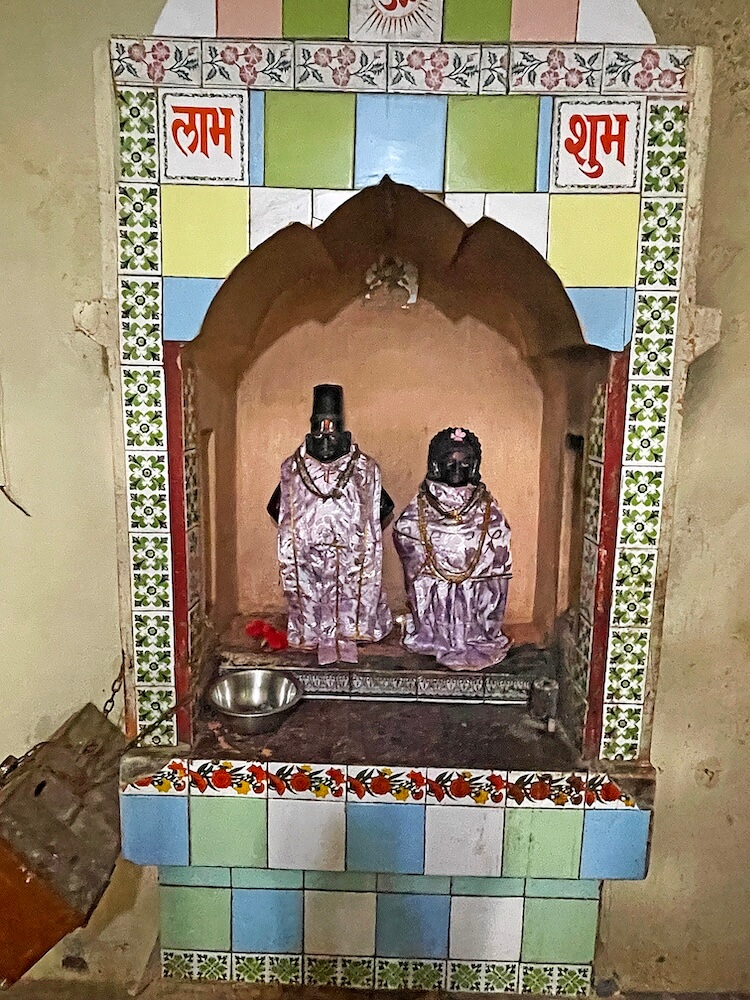
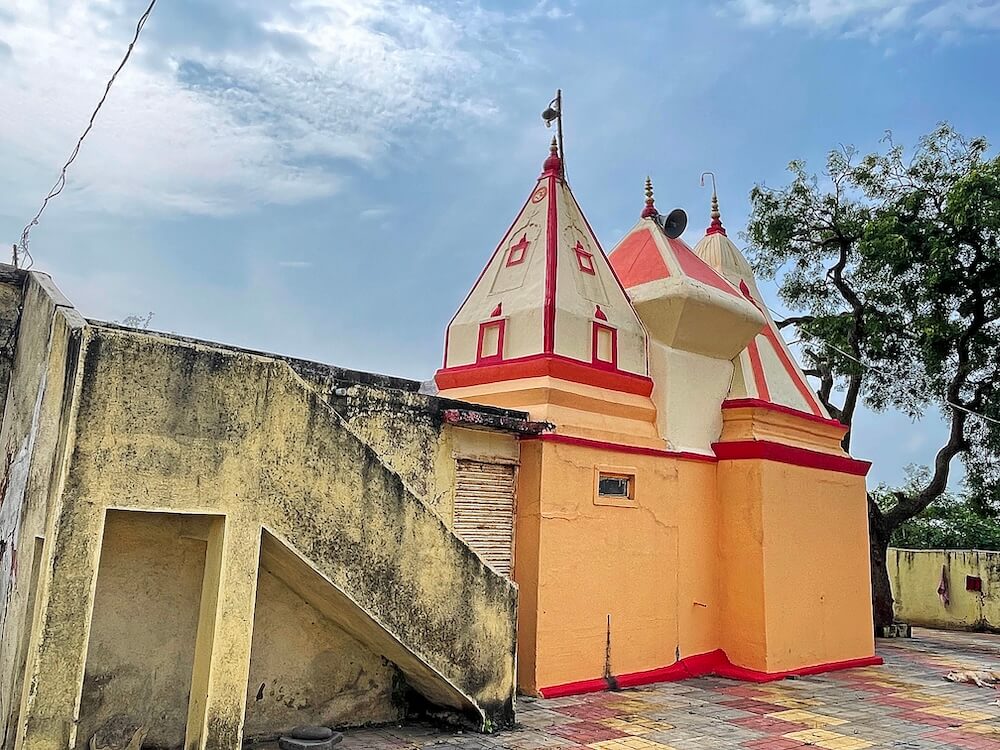
This sacred temple stands as a testament to deep spiritual devotion, ancient architectural grandeur, and rich local cultural traditions.
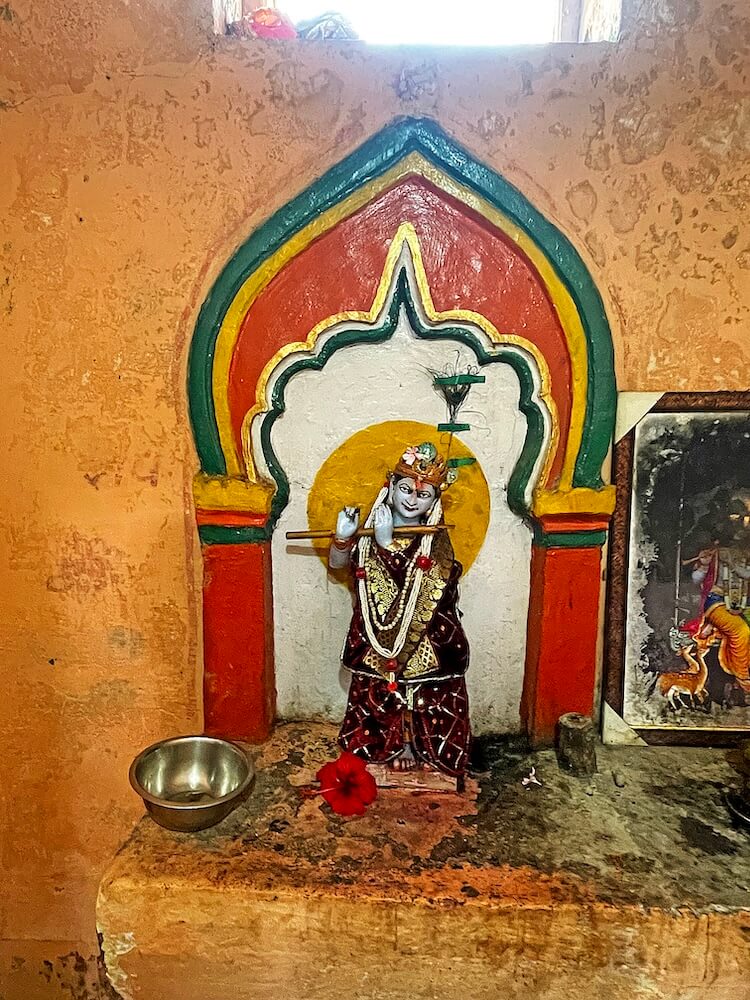
The sanctum sanctorum houses the divine idol consecrated according to ancient Vedic traditions, surrounded by serene courtyards and traditional temple architecture.
Navratri, Maha Shivratri, Annual Temple Jatra & Deepotsav
Compare and book flights, secure top-rated local hotels near the temple, hire reliable guides, and rent cars instantly.
Extend your pilgrimage by visiting other highly sacred temples located nearby.


Add ₹999 more to unlock FREE SHIPPING!
Your sacred cart is currently empty.
Shop Photo FramesFill in your delivery details below to place your order.
Add comment