
Add ₹999 more to unlock FREE SHIPPING!
Your sacred cart is currently empty.
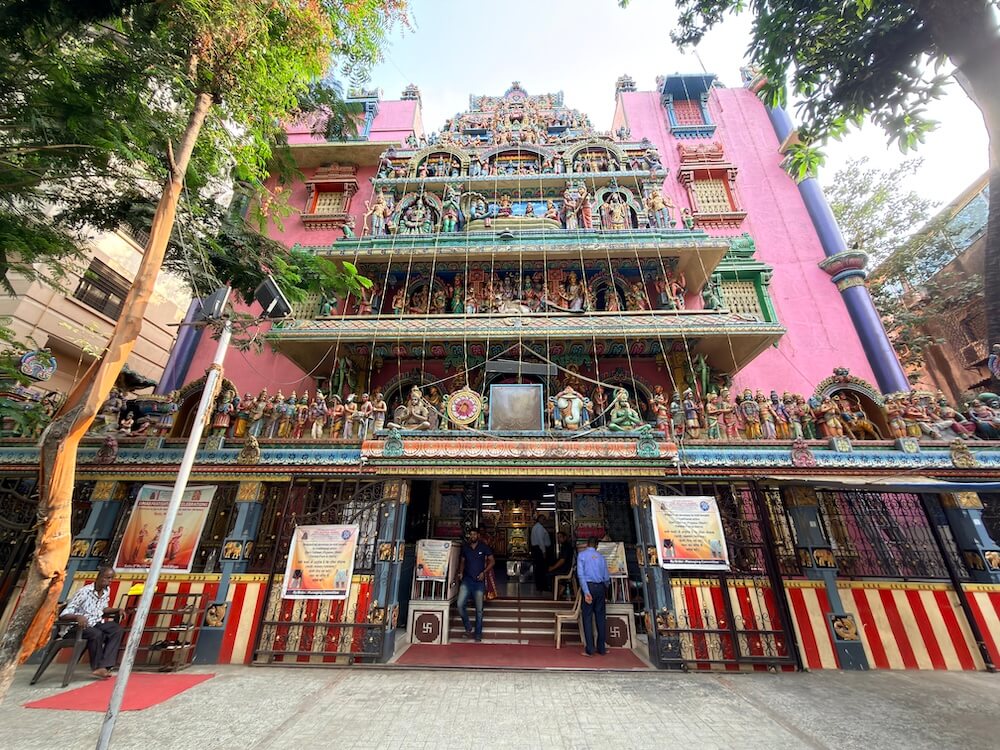
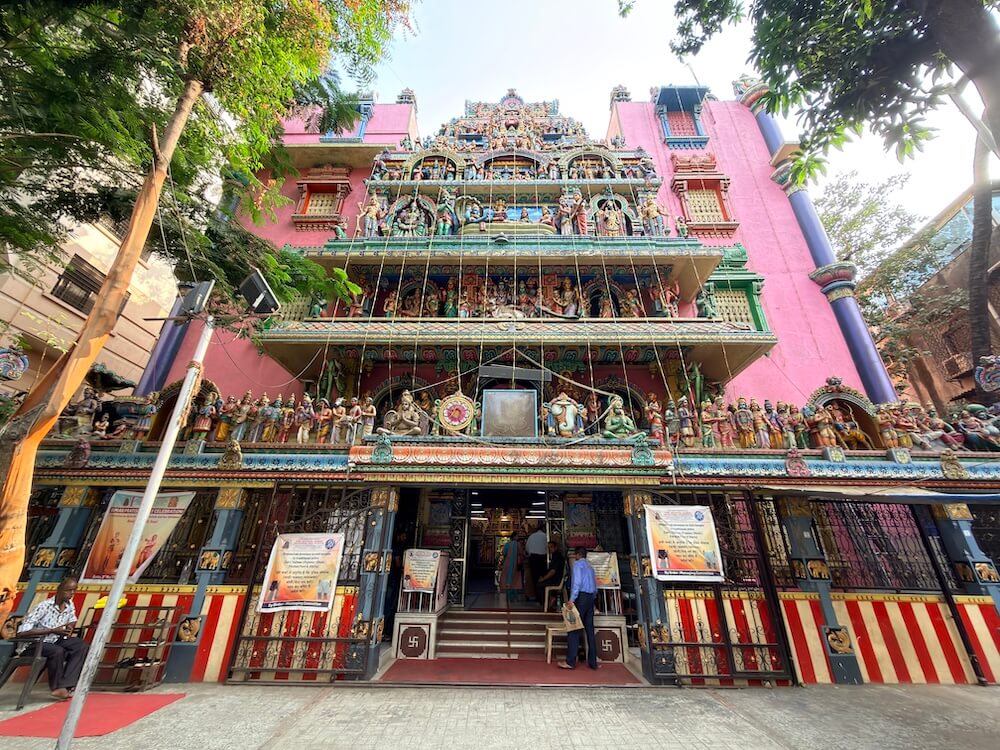
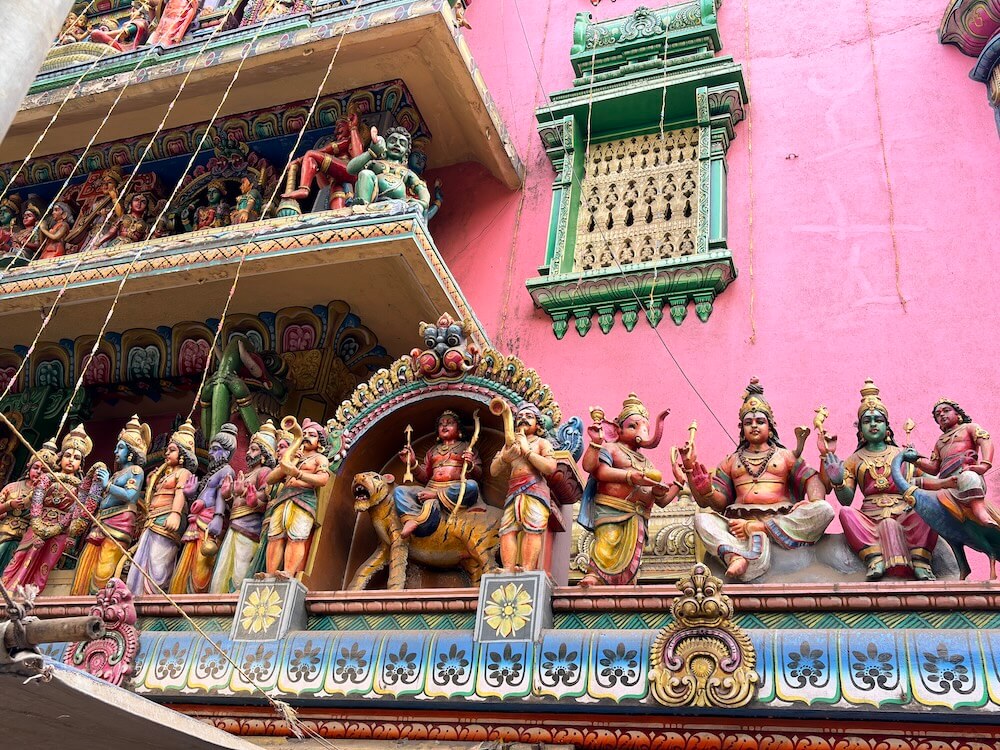
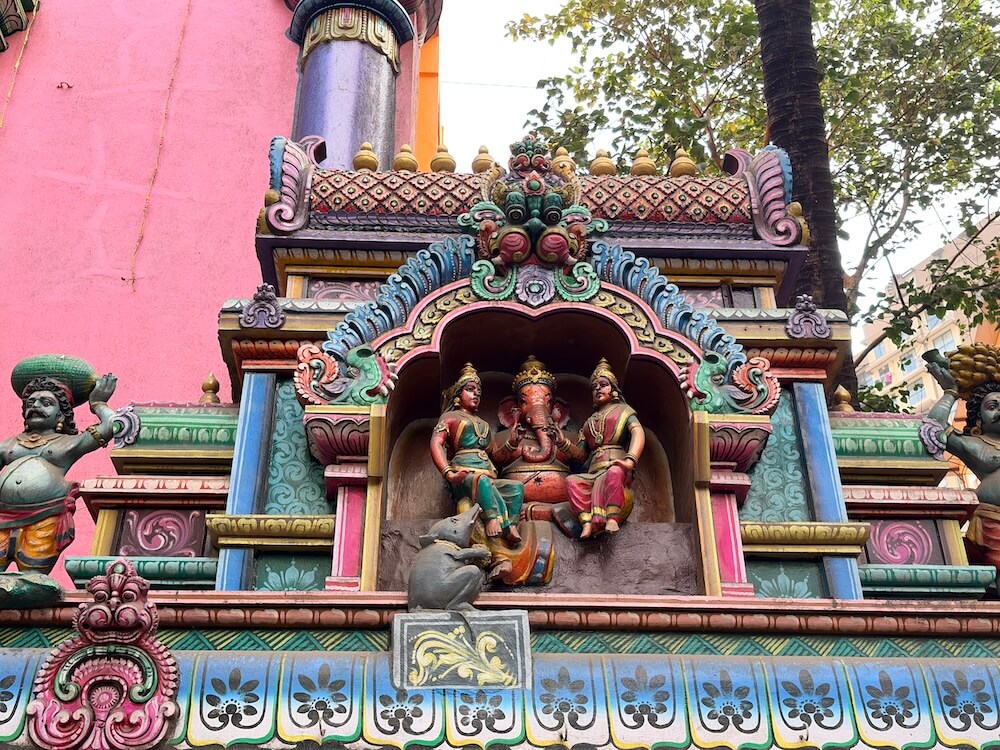
Shop Photo FramesIn Matunga, a central railway suburb of Mumbai once known as ‘Mini Madras’, the vibrant heritage of South Indian culture has been preserved through the Astika Samaj Temple. Dedicated to Prabhu Shri Ram and Bhagwan Shri Krishna, this temple has been a revered place of worship for countless South Indian devotees for nearly a century. The most captivating feature of this temple is its magnificent and intricately carved, sculpture-rich Rajagopuram. An excellent example of Dravidian architectural style, this Rajagopuram draws the attention of all who pass by.
The Matunga area, with its indelible imprint of South Indian culture, especially its culinary traditions, extends from Dadar’s Khodadad Circle in the south to King’s Circle railway station and the railway flyover in the north. Until the latter half of the nineteenth century, this area was a desolate wilderness. King Bimbadev, also known as Bhimdev Yadav, the fourth son of Ramdevrao Yadav of Devgiri, established his capital in Mahim, or Mahikavati, in 1295 CE. It is said that this king had a large elephant stable in the Matunga area. In Sanskrit, an elephant is also called ‘Matang’. From this, the area came to be known as Matangalaya. It is believed that the name Matunga evolved from its corrupted forms, Matanga, Matunga. According to some, during King Bimba’s time, there was a settlement of the Matang community here for the upkeep of the elephants. Hence, the area may have been named Matunga. According to a mythological legend, the sage Matang resided in this area, from which the name Matunga originated.
After the plague epidemic of 1896, to alleviate Mumbai’s congestion, the British government developed Matunga as one of Mumbai’s first planned suburbs in the first extraordinary decade of the 1900s. Mumbai’s industrial and economic development attracted waves of migrants from across India. In the early 20th century, a large South Indian community settled here. This community had a significant presence in Matunga, leading to the area being called ‘Mini Madras’. People from South India, especially from Palakkad in Kerala, established an organization here in 1923 for religious, cultural, and social activities. This organization was named Astika Samaj. Under the umbrella of this organization, some devotees would gather daily for ‘Sampradaya Bhajan’ at the present temple site. They would recite the Vishnu Sahasranama before the idol of their Ishta Devata, Prabhu Shri Ramchandra. Gradually, the number of devotees visiting here began to increase. In due course, a large temple was established in this small space. In 1953, with the blessings of Jagadguru Shri Shankaracharya of Kanchi Kamakoti Peetham, the idols of Prabhu Shri Ram, Sita, Lakshman, and Hanuman were consecrated here according to scriptural rites, and the Samaj attained the status of a fully-fledged temple. This temple not only served for worship but also became the first center in Mumbai to propagate the tradition of South Indian ‘Sampradaya Bhajan’.
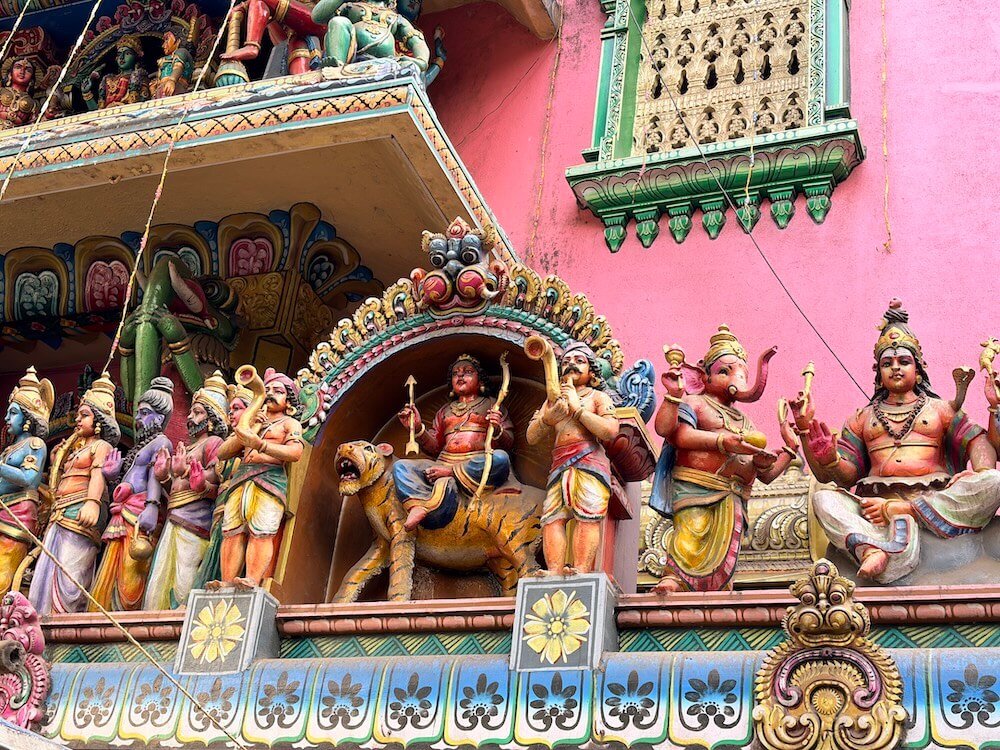
A beautiful confluence of traditional Dravidian architecture and modern construction styles can be seen in this temple. The temple has a grand and sculpture-rich Rajagopuram. This six-tiered gopuram is broad at the base and tapers upwards like a spire. Each tier features small shrine-like structures of the ‘Kuta’ and ‘Shala’ types. Each tier in the gopuram is dedicated to a deity. The lowest tier depicts the scene of the Ram-Janaki wedding. Here are idols of Garuda and Hanuman, as well as auspicious symbols like the conch and lotus. On the tiers above, there are idols of Shankar-Parvati, on the third tier Lakshmi-Narayan, and above them Ram-Sita. In addition, this gopuram features exquisite sculptures of various deities including Ganesha, Kartikeya, Yakshas, and Gandharvas. At the very top of the gopuram are gold-plated copper finials. Climbing four steps at the entrance leads into the inner sanctum of the temple. Here, directly in front, in the Sreekovil (garbhagriha), are enshrined Dravidian-style idols of Prabhu Shri Ram, Sita, Lakshman, and Hanuman. These idols are crafted based on traditional Agama Shastra. Additionally, the temple houses Sreekovils for Bhagwan Kochu Guruvayurappan (Shri Krishna), Kartikeya, Swami Ayyappa, and the Navagrahas. In 1965, Bhagwan Kartikeya; in 1967, the Navagrahas; in 1974, Bhagwan Kochu Guruvayurappan; and in 1978, Swami Ayyappa’s idols were consecrated here. Each deity has a separate shrine, and their sculptural work is distinctive. Especially, the Sreekovils of Ayyappa and Guruvayurappan are built in the Kerala temple style.
Devotees can have darshan at this temple on Sundays from 5 AM to 12 PM and from 4:25 PM to 9 PM; on Mondays, Tuesdays, Wednesdays, and Fridays from 5 AM to 11 AM and from 4:30 PM to 9 PM; and on Thursdays and Saturdays from 5 AM to 12 PM and from 4:30 PM to 9 PM. Throughout the year, various festivals and celebrations are observed in this temple, which are not only religious but also a medium for cultural exchange. Kochu Guruvayurappan Pratishtha Din, Shri Krishna Jayanti, Skanda Sashti, Swami Ayyappa Pratishtha Din, Thaipusam, and Shri Ram Navami are the main festivals here. Devotees come from afar to witness the ‘Shrimad Bhagwat Saptah Mahayagya’ held here. In 2023, on the occasion of the centenary of the Astika Samaj Temple’s establishment, a ‘Vishwa Shanti Mahayagya’ was organized here, attended by Shri Shri Ravi Shankar, founder of ‘Art of Living’. In this Mahayagya, 11 types of Homas were performed, as follows: Atharvashirsha Mahaganapati Homa for Vignaharta Ganesha, Ayush Homa for longevity, Navagraha Homa for planetary peace, Sudarshan Homa to remove negative energy, Lakshmi Kuber Homa for wealth, as well as Nakshatra Homa, Dhanvantari Homa, Mahanyas Purvak Ekadash Rudrabhishekam, Mrityunjaya Homa, Shanti Karya Siddhi Jayadi Homa, and Vishwa Shanti Mahanyas Purvak Ekadash Rudrabhishekam. There is also a ‘Shri Sita Ram Kalyan Mandapam’, a hall equipped with modern amenities. Marriages, Upanayan ceremonies, and other social and religious events are celebrated here with great enthusiasm.
This sacred temple stands as a testament to deep spiritual devotion, ancient architectural grandeur, and rich local cultural traditions.
The sanctum sanctorum houses the divine idol consecrated according to ancient Vedic traditions, surrounded by serene courtyards and traditional temple architecture.
Navratri, Maha Shivratri, Annual Temple Jatra & Deepotsav
Compare and book flights, secure top-rated local hotels near the temple, hire reliable guides, and rent cars instantly.
Extend your pilgrimage by visiting other highly sacred temples located nearby.


Add ₹999 more to unlock FREE SHIPPING!
Your sacred cart is currently empty.
Shop Photo FramesFill in your delivery details below to place your order.
Add comment