
Add ₹999 more to unlock FREE SHIPPING!
Your sacred cart is currently empty.
Shop Photo FramesThe historic village of Pendur in Malvan taluka is famous for the Vetaldev Temple located here. This temple is a place of faith for thousands of devotees from Malvan and the entire Sindhudurg district. The Mand festival, celebrated here every three years, is renowned throughout the Konkan region. During this time, a grand fair is held here for १५ days. This fair is considered one of the major fairs in the Sindhudurg district.
In ancient times, the village of Pendur was an important location on the maritime trade route. Traces of this village’s existence date back to the medieval period. There are some Jain idols here, the antiquity of which is proven to date back to the tenth century. A five-foot-tall hero stone (Virgal) of a king is found in this village. This clearly indicates that there was a settlement of Jains here in the medieval period. It is said that Lakham Sawant-Bhosale of the Sawantwadi princely state received the village of Pendur and managed its affairs with the help of the twelve Balutedars. The village deity, Vetaldev, was established on the foundation of the mansion (Wada) of this family. Along with this deity, temples of Sateri, Lingeshwar, Ravalnath, and Pavnai Devi were also established in the vicinity.
The history of this village is described as follows: in April १६५९, a treaty of five articles was signed between Chhatrapati Shivaji Maharaj and Lakham Sawant. According to this, Lakham Sawant was granted the Deshakati of the Kudal province. However, Lakham Sawant later defected to the Adil Shah of Bijapur. He removed all of Shivaji Maharaj’s outposts in the Kudal province and replaced them with outposts of the Bijapur government. Pleased by this, the Emperor granted the village of Malvan to Lakham Sawant in the year १६६४. Later, on the recommendation of the Subhedar Aziz Khan, the Emperor granted Lakham Sawant the Nadgaudki of the Kudal Pargana and several villages. These included Pendur along with villages like Masure, Ghavnale, Malgaon, Math, Hodavade, Aravali, Redi, and Arvande. Vetaldev was established on the foundation of the Sawant family’s mansion here.
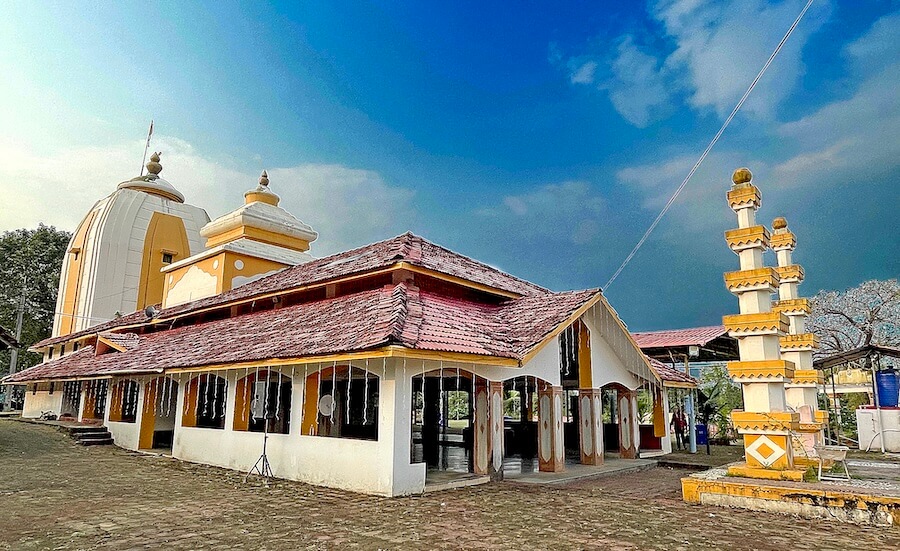
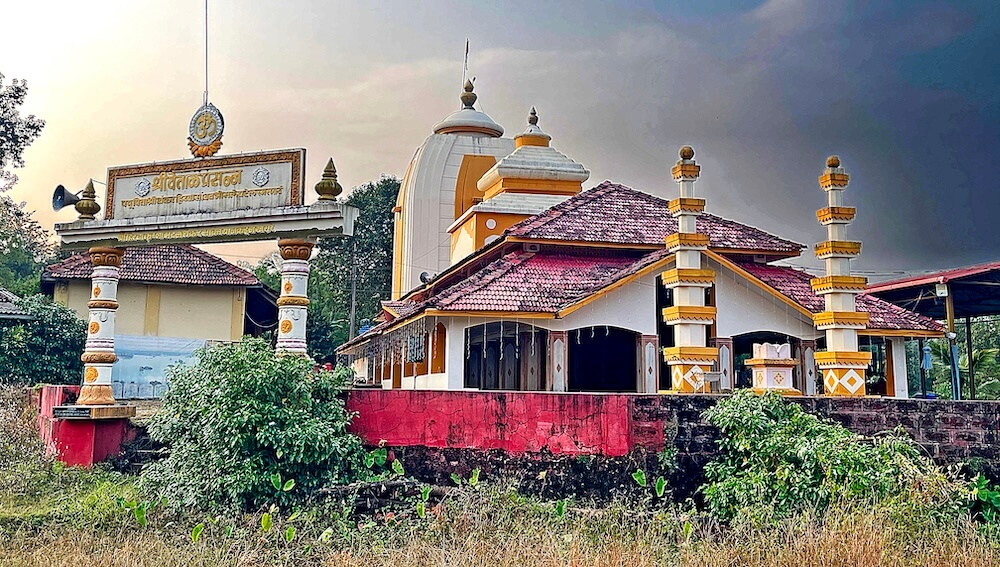
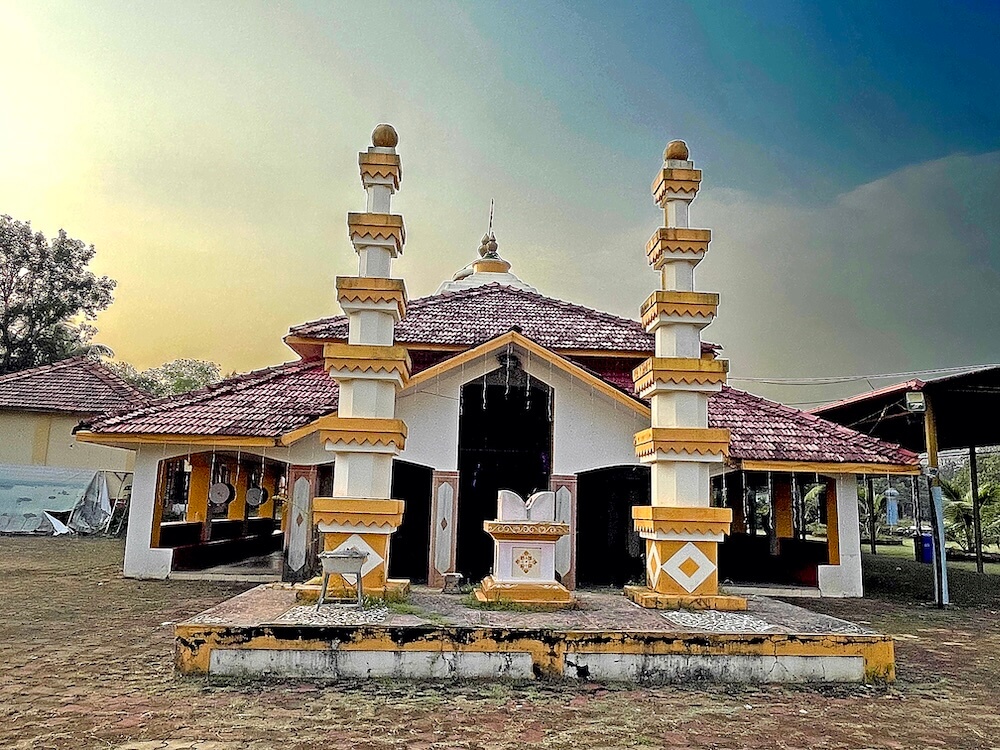
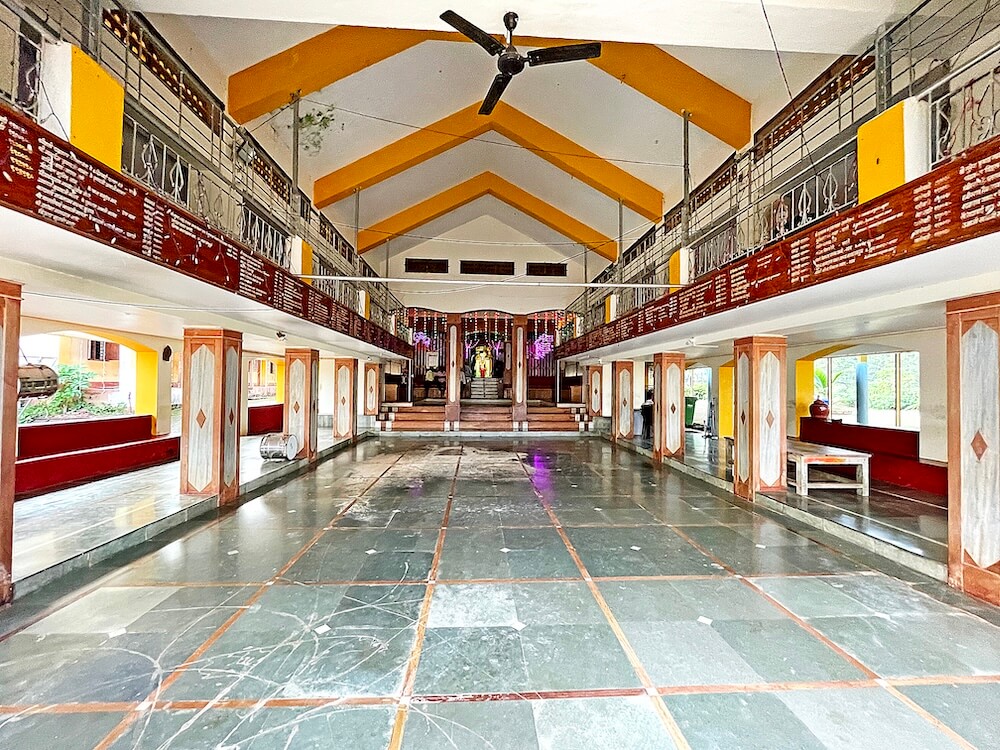
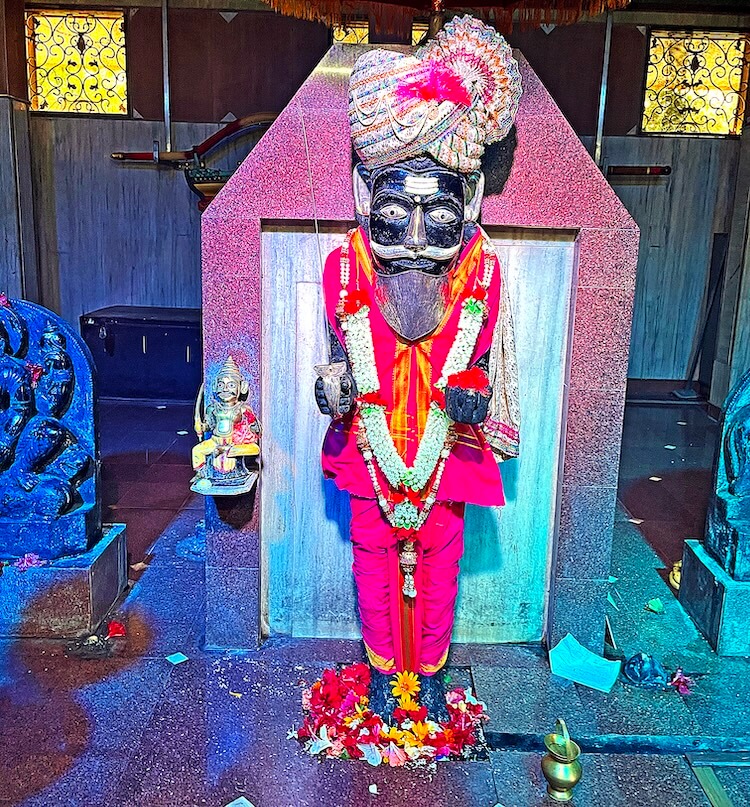
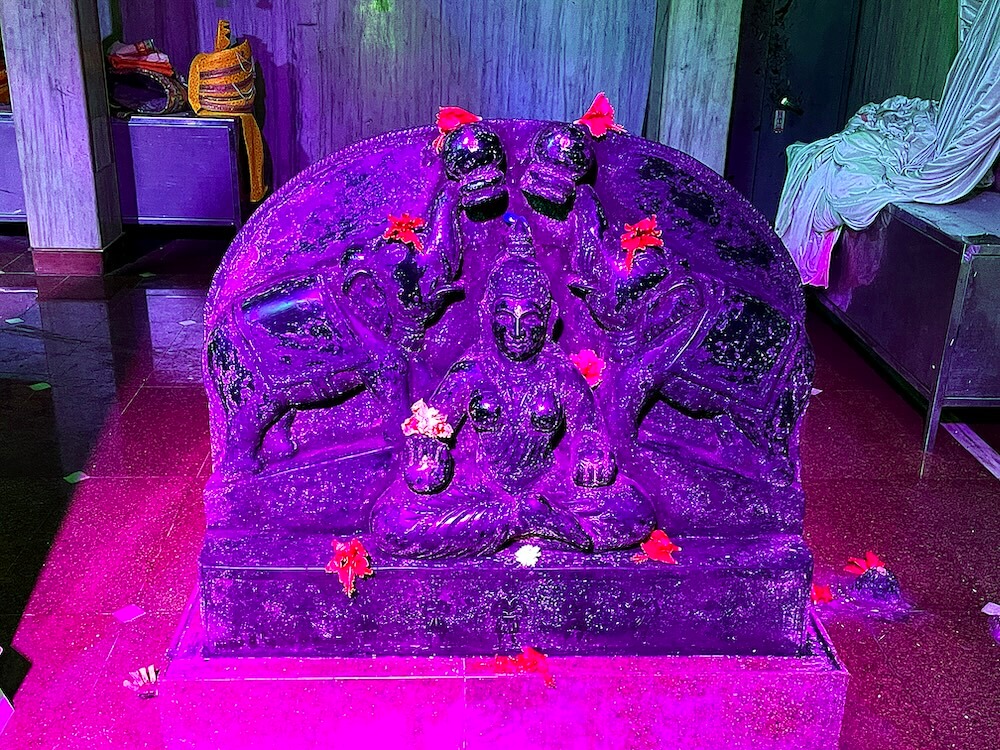
The Vetaldev temple here is spacious. Surrounded by small hills, this area is rich in natural beauty. The temple has three entrances: two from the front and one from the back. Upon entering through the entrance, one sees the spacious courtyard of the temple. In the courtyard, in front of the temple, there are two tall lamp pillars (Deepstambhas) on a platform. Nearby are a Tulsi Vrindavan, a hero stone, and stones representing two local deities. The temple structure consists of a Sabha Mandap (assembly hall), Antaral (vestibule), and Garbhagriha (sanctum sanctorum). The Sabha Mandap here is a two-story, semi-open structure. It features side seating arrangements for devotees. The height of this Sabha Mandap is much greater compared to other temples. The famous Mand festival is held in this very Sabha Mandap. In front of this Sabha Mandap, at a certain height, is an upper assembly hall (Gopur). One enters the Antaral by climbing a few steps from this Gopur. The honorary ceremonial staffs (Tarangkathya) are kept in the Antaral. Beyond the circumambulation path in the Antaral lies the Garbhagriha. Inside the Garbhagriha stands the black stone idol of Lord Vetal. The idol features a long nose, thick mustache, radiant eyes, and three horizontal sandalwood lines on the forehead. To the left of the idol, on a low Vajrapitha, is Gajant Lakshmi, and on the left side is a carved black stone idol of the Goddess. Additionally, there is a small Panchadhatu (five-metal) festival idol of Lord Vetal.
The Mand festival, held in the first fortnight of the month of Paush at the Vetaldev temple, is famous in Malvan and the entire Konkan. A grand fair is held here for these fifteen days. One legend behind this festival is that Goddess Jugai is the sister of Vetaldev. Every three years, Vetaldev brings his sister to her maternal home. Goddess Jugai stays at Vetal’s home, i.e., the Vetaldev temple in Pendur, for १४ days. This period of her stay at her maternal home is what constitutes the Mand festival. Accordingly, this festival is celebrated every three years. On the day of the festival, villagers take out a procession with music. At that time, a woman becomes possessed by Goddess Jugai. After the possession, Vetaldev takes her hand and brings her into the temple. Then, the Goddess is seated on a wooden stool (Pata), her lap is filled with offerings (Oti), and she is worshipped. This Oti-filling ceremony marks the beginning of the festival. Two days before this festival, many families in the village light lamps here. This lighting of lamps is called the ‘Lakshadipa Festival’.
On the third day, the Oti of five honoraries (Mankari) and १२ servants are filled, followed by the Oti of devotees according to the deity’s command (Kaul). This Oti-filling program continues until the last day of the festival. This program takes place in the Sabha Mandap of the Vetaldev temple. On the night of the thirteenth day, a Gondhal program for the Goddess is performed. On the fourteenth day at dawn, the Goddess accepts the offerings. After the Goddess accepts the Oti, the honoraries distribute the coconuts and rice from them to the villagers. After circumambulating the temple, Vetaldev and Goddess Jugai go to the Karli creek for a bath amidst the sound of drums and cymbals. After the bathing ritual is completed, the Tirtha-Prasad is distributed to the devotees. Then, the deity’s Oti is filled with a blouse piece and coconut, and she is respectfully escorted home. Half of the offerings collected during the festival are given to the Goddess, and the remaining half is kept in the Vetaldev temple. Many women from Malvan and the district visit here specifically to fill their Oti for this festival.
A short distance from the Vetaldev temple is the Sateri Devi temple. When the Mand festival is underway at the Vetaldev temple, Oti are also filled at the Sateri Devi temple. Behind the Sateri temple, in the forest, is an area called Jainacha Dongar (Jain Hill). The sparse forest there is called Ranvata. In this area, one can see the ruins of a Jain temple from about १२ ०० years ago. A temple complex existed there, but over time, only scattered, incomplete forms can be seen. A large platform, partial pillars, and incomplete stone walls are visible. Here, there is a large idol of Lord Vardhaman Mahavir in Padmasana, a headless idol of Parshvanath, as well as idols of Gomeda Devi, Kubera (Jambhal), Gajalakshmi, and Kalika. Some idols that were here previously have now disappeared. This area containing the Jain idols is called Dankini-Shankini. One Yakshini here is called Dankini and the Yaksha is called Shankini. The Jain Dankini has become a place of faith for the villagers here. There is a tradition of making vows to this Goddess in Ranvata, considering her as Ambika, for the blessing of children. Unmarried people come to fulfill vows for marriage by offering Mundavalya, and married people come to fulfill vows by offering bangles after marriage.
This sacred temple stands as a testament to deep spiritual devotion, ancient architectural grandeur, and rich local cultural traditions.
The sanctum sanctorum houses the divine idol consecrated according to ancient Vedic traditions, surrounded by serene courtyards and traditional temple architecture.
Navratri, Maha Shivratri, Annual Temple Jatra & Deepotsav
Compare and book flights, secure top-rated local hotels near the temple, hire reliable guides, and rent cars instantly.
Extend your pilgrimage by visiting other highly sacred temples located nearby.


Add ₹999 more to unlock FREE SHIPPING!
Your sacred cart is currently empty.
Shop Photo FramesFill in your delivery details below to place your order.
Add comment