
Add ₹999 more to unlock FREE SHIPPING!
Your sacred cart is currently empty.
Shop Photo FramesThere is a beautiful and grand temple of Vitthal-Rakhumai in Varsoli, adjacent to Alibag city. This sacred site is renowned as ‘Prati Pandharpur’ (the second Pandharpur). This temple was built by Raghoji Angre, the nephew of Sarkhel Kanhoji Angre. In the year 1778, his wife, Narmadabai Angre, consecrated the three idols of Vitthal, Rukmini, and Garuda here. She also initiated two festivals, Ashadhi and Kartiki Ekadashi. These festivals are still celebrated here with great enthusiasm today. During this time, Warkari Dindis from many villages in the taluka arrive here. The entire area resonates with the sound of cymbals and mridangams.
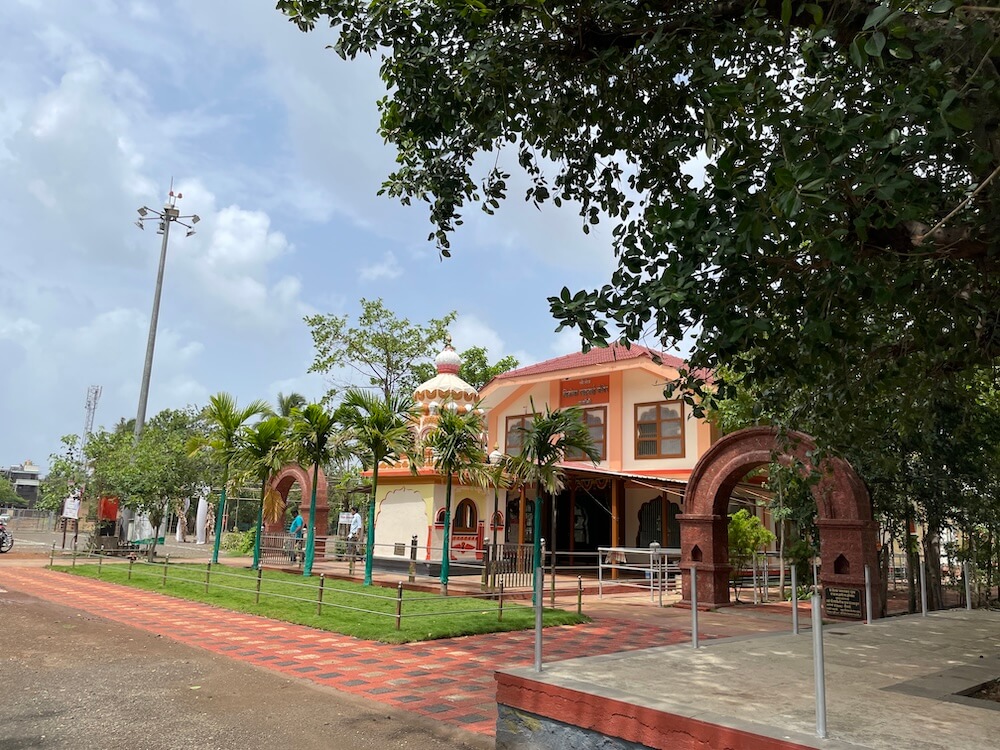
When the southwest monsoon winds reach Konkan, the clouds are obstructed by the hills of Korlai Fort. As a result, this village, located to the southwest of the fort, receives more rainfall compared to the surrounding areas. Because of this, the village was named ‘Varshagram’, meaning the village of rain. Over time, the name was corrupted, and it became known as Varsoli. It is said that the family of Chhatrapati Shivaji Maharaj’s naval chief, Kanhoji Angre, built this temple. Raghoji and Narmadabai used to visit this temple regularly every year to seek the blessings of Lord Vitthal. Initially, the temple was constructed with wooden pillars and stone masonry. In the year 2008, the Varsoli Gram Panchayat renovated the temple, and a new structure was erected here, modeled after the Vitthal temple in Pandharpur.
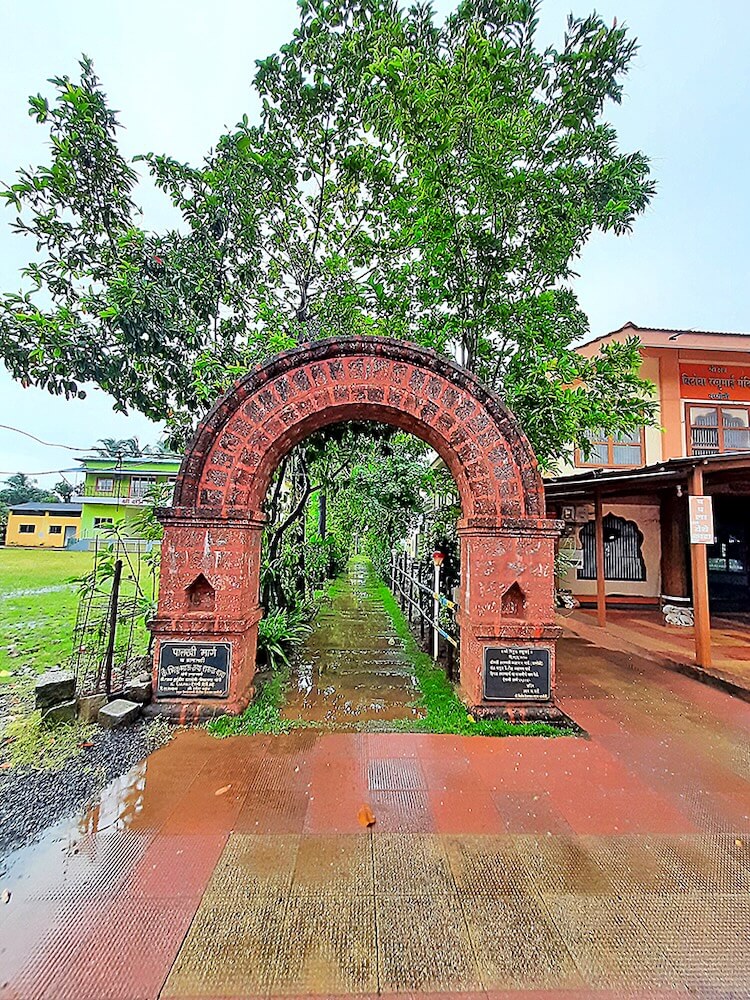
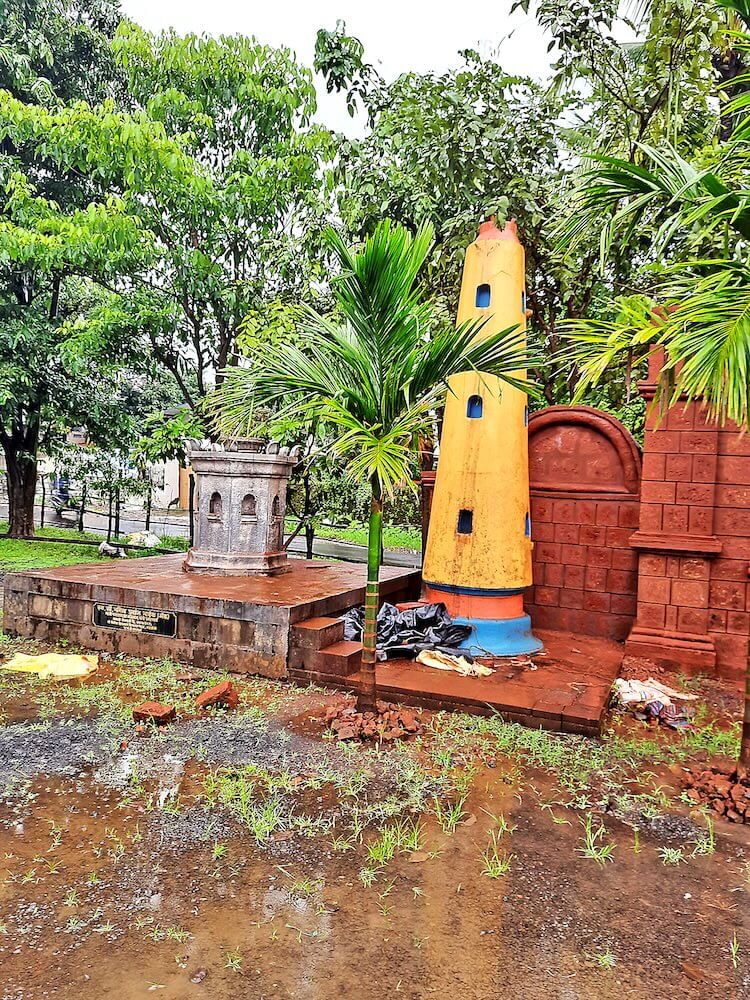
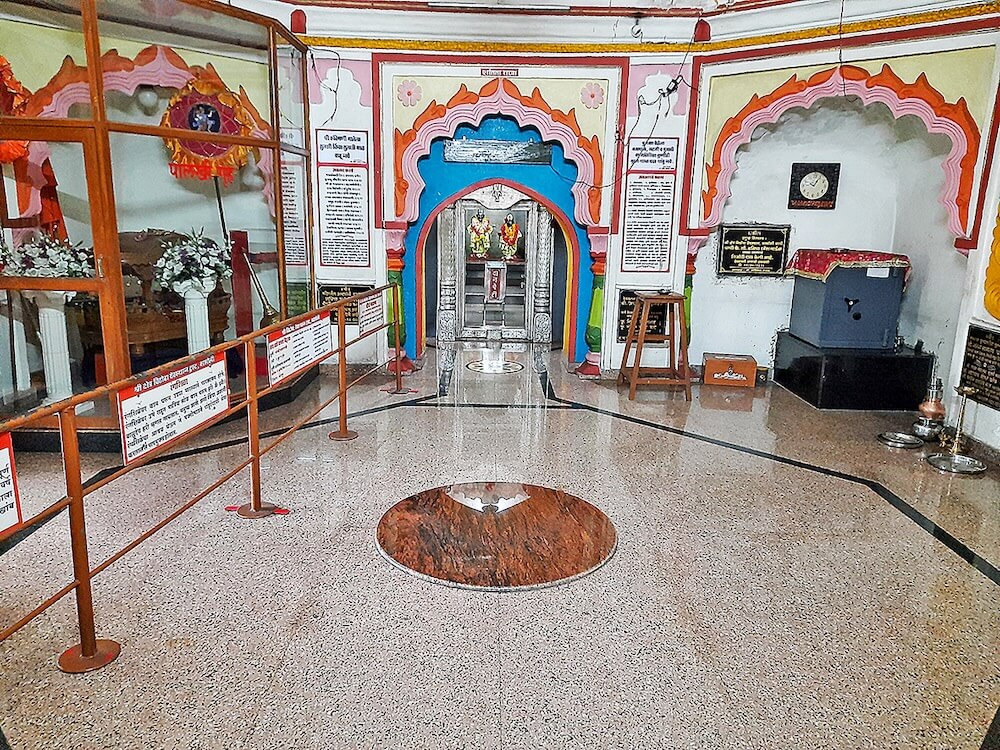
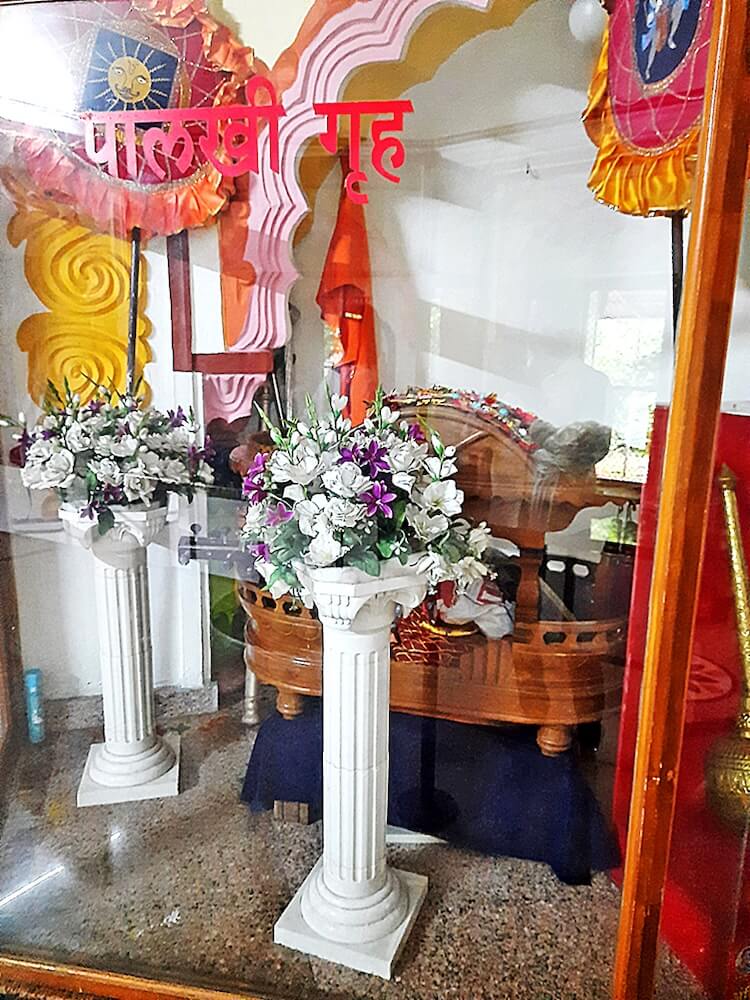
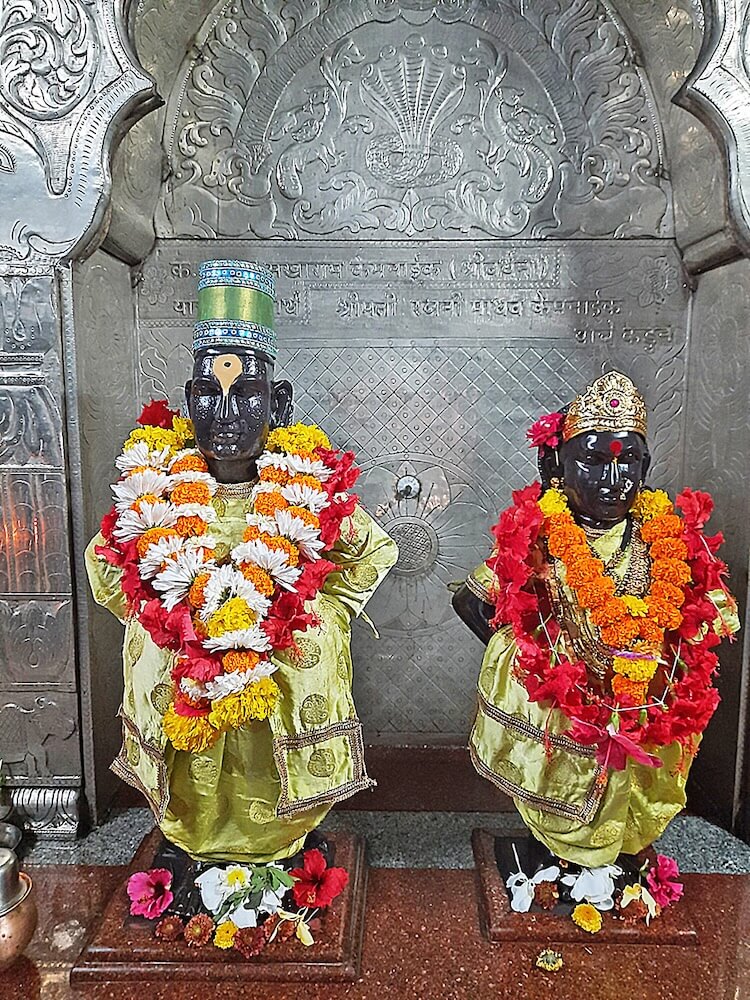
Located in the heart of Varsoli village, the temple has a large courtyard in front of it. To the right of the entrance, there is a lamp pillar (Deepmal), and next to it, on a raised platform, is a large Tulsi Vrindavan. In front of the main temple stands a medium-sized Garuda temple, which features a unique idol of Garuda and an ornate spire. There is a circumambulation path (Pradakshina Marg) around the main Vitthal-Rukmini temple. This two-story temple is structured with a Sabha Mandap (assembly hall), Antaral (vestibule), and Garbhagriha (sanctum sanctorum). The wooden door frame at the entrance of the Sabha Mandap features attractive carvings. The enclosed Sabha Mandap has large windows for ventilation and light. There is a balcony on the second floor of the Sabha Mandap, where devotees can sit during festivals. In the Antaral, to the left, are the Garuda pillar, the palanquin chamber, and the sleeping chamber. On the Garuda pillar, there is a metal idol of Lord Hanuman. A photograph of the old temple, taken on 24 February 1789, is displayed on the wall here. The entrance to the sanctum sanctorum is covered with silver plating featuring exquisite carvings. An idol of Nritya Ganesha is carved on the lintel. Inside the sanctum, on a high pedestal, are the black stone idols of Vitthal and Rukmini. As the original idols installed by Narmadabai Angre had worn out, new idols were brought from Pandharpur and consecrated during the temple renovation in 2008. The original idols are kept safely in a glass case within the Sabha Mandap.
Just like the temple architecture, its surroundings are also worth seeing. There is an old banyan tree with a square platform built around it. In the ‘Devrai’ (sacred grove) developed by the temple trust, trees representing the nine planets (Navagraha), zodiac signs (Rashi), the Panchavati grove, trees associated with constellations (Nakshatra), and the 21 types of leaves (Patri) required for Ganpati worship have been planted. These trees and plants are considered rare and important in Ayurveda. These can be seen along the circumambulation path outside the temple. A board providing detailed information about them has been installed in the temple premises.
Every Ekadashi, a large number of devotees come here for darshan. During this time, a small market is organized by the locals. Similar to Pandharpur, the festival lasts for three days—Dashami, Ekadashi, and Dwadashi—during Ashadhi and Kartiki Ekadashi. During this period, Bhajans, Kirtans, and discourses are held in the temple. On Ekadashi, rituals like Kakad Aarti, Mahapuja of Vitthal-Rakhumai, and Mahanivedya are performed. The festival concludes on Dwadashi with the Dahikala Kirtan. Additionally, a fair (Jatra) is held here for five days from Kartik Vadya Ekadashi to Amavasya. The story behind the origin of this fair is explained in the book ‘Angrekaleen Ashtagar’ written by Sha. Vi. Avalaskar. In 1840, the painting work of the temple was underway. While the spire was being painted, a painter fell and died. At the same time, a major fire broke out in the Angre elephant stables, causing massive destruction. To help people forget these events and to purify the atmosphere again, this fair began to be organized. The temple trust and the villagers of Varsoli have kept this tradition of the fair alive. Every Ekadashi, a palanquin procession of Lord Vitthal is taken out in the village. On this occasion, hundreds of devotees come here for darshan.
This sacred temple stands as a testament to deep spiritual devotion, ancient architectural grandeur, and rich local cultural traditions.
The sanctum sanctorum houses the divine idol consecrated according to ancient Vedic traditions, surrounded by serene courtyards and traditional temple architecture.
Navratri, Maha Shivratri, Annual Temple Jatra & Deepotsav
Compare and book flights, secure top-rated local hotels near the temple, hire reliable guides, and rent cars instantly.
Extend your pilgrimage by visiting other highly sacred temples located nearby.


Add ₹999 more to unlock FREE SHIPPING!
Your sacred cart is currently empty.
Shop Photo FramesFill in your delivery details below to place your order.
Add comment