
Add ₹999 more to unlock FREE SHIPPING!
Your sacred cart is currently empty.
Shop Photo FramesThere is an ancient connection between the two deities, Vakeshwar and Jotiba. Vakeshwar accompanied Jotiba when he arrived at Girjawade. Since he came from Waki in Kolhapur, he is also called Vakoba. In the temple, Vakeshwar is established in both Linga and idol forms. The Linga form is self-manifested (Swayambhu). The villagers have immense faith in Vakoba as their village deity (Gramadaivat). In any difficult time, they seek his divine guidance (Kaul). This deity is ‘Chal’, meaning he is mobile. He sets out for a special hunt on Paush Purnima and, in the past, used to go to the banks of the Krishna River for bathing; he also visits other deities in the surrounding area throughout the year.
The Vakeshwar temple is not far from the Jotiba temple in Girjawade. The history of this place dates back to the Maratha period. Many legends are prevalent regarding the temple. Through these legends, Vakoba is portrayed as the one who provides an uninterrupted water supply to the village and averts crises. These stories also show that sometimes the deity insisted on being established elsewhere. It is said that there was a tradition of taking the deity to the Krishna River for a bath. Once, while returning, the palanquin stopped at Kale village for worship, but it would not move from there afterwards. After many failed attempts, the villagers sought the deity’s guidance (Kaul). He wanted to stay there, so a temple for Vakoba was built at that location. However, after the peace ceremony (Shantisohala), he returned to Vakurde. Since then, the practice of taking the deity there has been discontinued.
It is said that the deity appeared in a vision to Dhondibuva, who is considered a unique devotee of Vakeshwar. After blessing him and asking him to seek a boon, Dhondibuva asked for abundant water for the village. After this, when they dug at the spot he indicated, they found water. The water in this well never dries up. During the drought of 1972, wells in many places had dried up, but even in those times, this well had plenty of water. The elderly people of the village tell stories of how this well still has water left even after supplying water to the entire Shirala taluka.
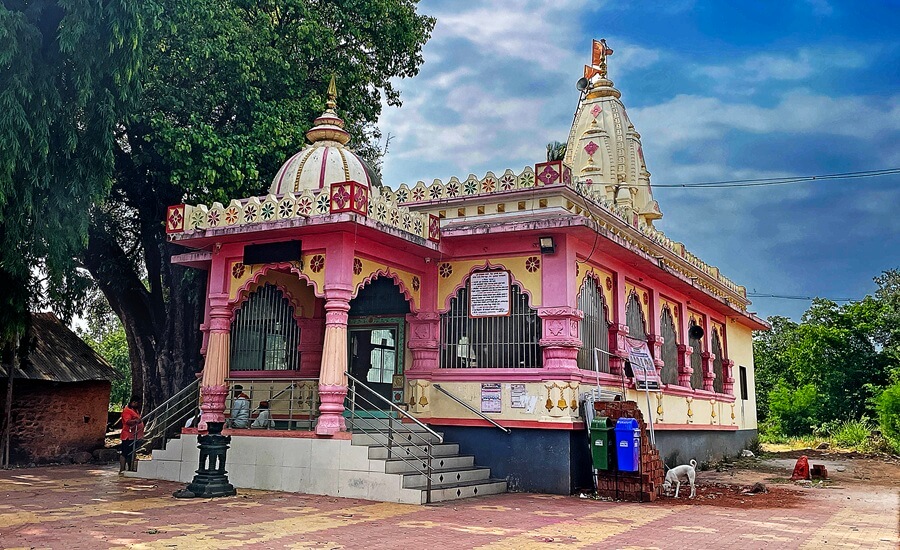
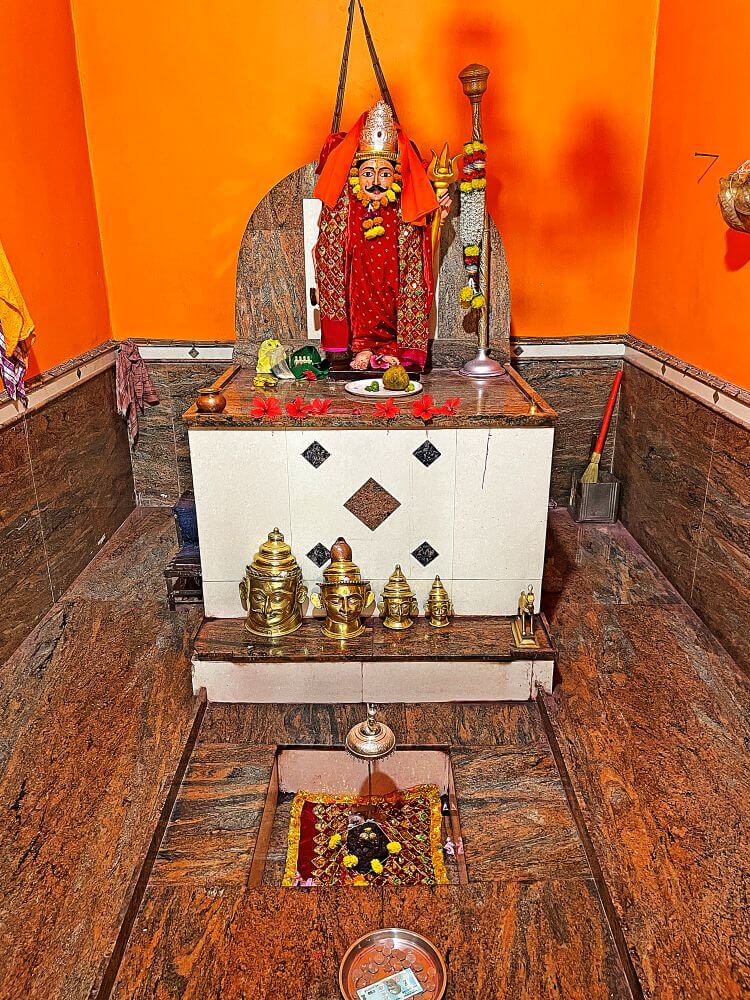
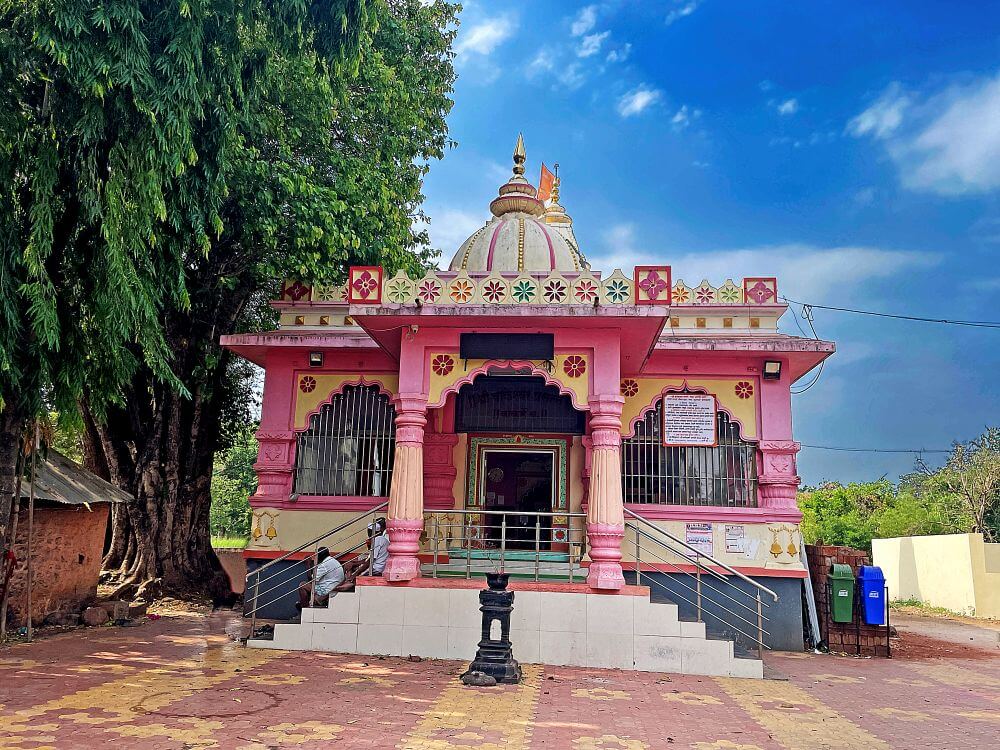
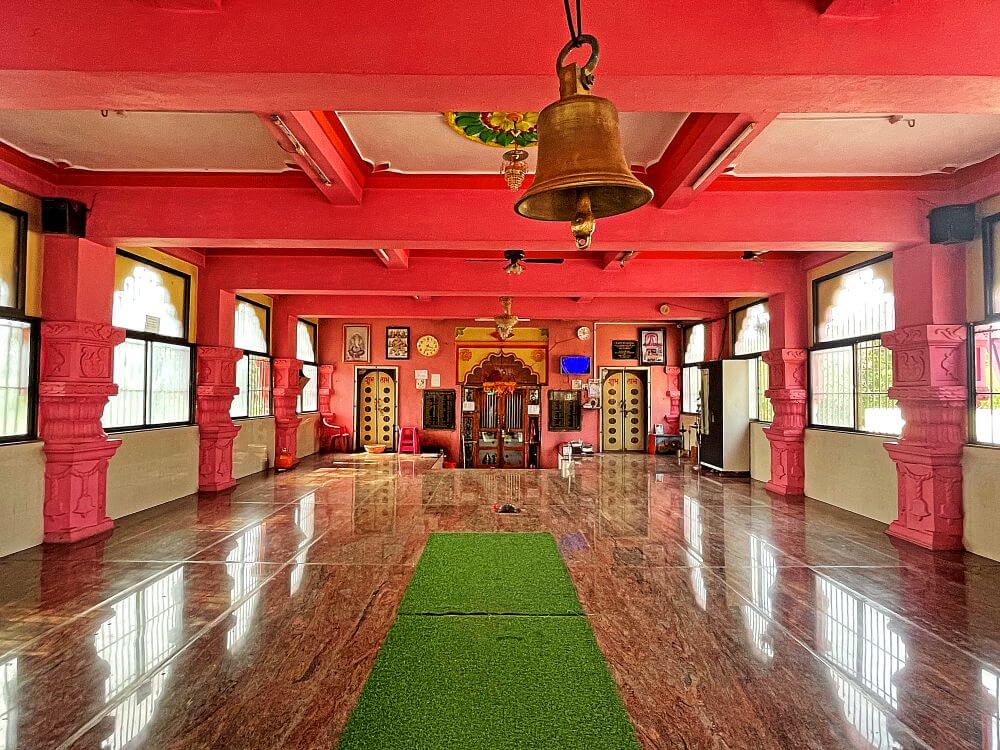
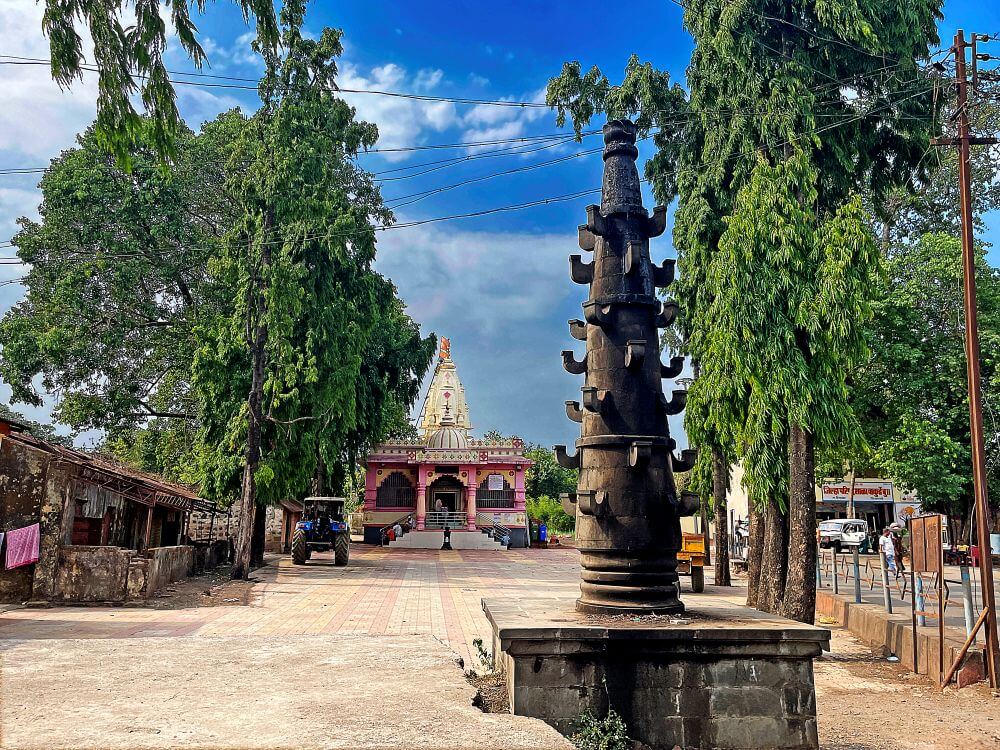
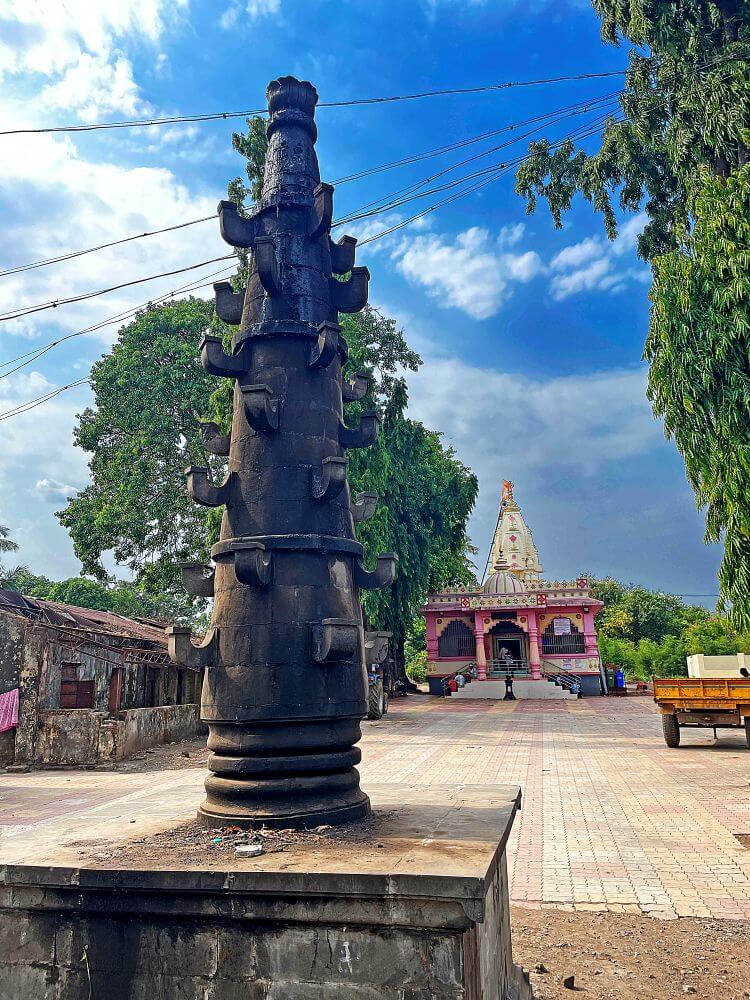
The Vakeshwar temple is located in a spacious courtyard paved with stone. There is a beautiful stone Tulsi Vrindavan in front of the temple. This newly renovated temple is designed with a Mukhamandapa (entrance hall), Sabhamandapa (assembly hall), and Garbhagriha (sanctum sanctorum). There are stairs on both sides to enter the Mukhamandapa. After climbing five steps and entering this Mukhamandapa, which features a dome and a spire, one can see the distinctive carvings on the door frames of the Sabhamandapa. There is a beautiful idol of Lord Ganesha at the lintel of the door frame. The architecture of the temple seems to be supported by the ornate pillars visible from the Mukhamandapa itself. The Sabhamandapa, decorated with arched structures connecting these pillars, is spacious. One can descend four steps from the Sabhamandapa to enter the Garbhagriha. Here, a beautiful idol of Vakeshwar is installed on a Vajrapitha (diamond pedestal). This idol, which has a mustache like Jotiba, holds a trident in its hand. In the square, rectangular, hollow area in front of this idol is the place of Vakeshwar in the form of a Linga. It is said that Vakeshwar manifested at this spot. This place was not moved even during the renovation. Silver eyes have been placed on the stone-form Vakeshwar, and there is a silver canopy over it. Near the Vajrapitha where Vakoba’s idol is located, a small platform has been built to keep the masks of Vakeshwar. These four masks of different sizes are used for the palanquin during festivals.
The Vakeshwar fair is a major cultural event in this village. The date of this fair is decided in consultation with the local almanac (Panchang), priests, and villagers. During the fair, special worship of Vakoba is performed. Those who live away from the village for work definitely come for this fair, and many married women also visit with their families. During that time, villagers play Lezim to the rhythm of Halgi. Many traditional folk arts like Tamasha and Bharud are also performed during the fair. During this fair, Jotiba’s palanquin comes here, and on the day of Hanuman Jayanti in Girjawade, Vakeshwar’s palanquin goes there. Vakeshwar also visits other deities in the surrounding area.
On the day of Padwa, Vakoba’s fair is held at Vakurde Khurd. Vakeshwar goes there for that fair as well. For the Dasara Seemollanghan (crossing the border), Vakoba’s palanquin goes to meet Vitthal of Jadhavwadi. On the way back, the palanquin returns after visiting Jotiba of Madalwadi. This deity also goes hunting. The day of Paush Purnima is fixed for this. Vakeshwar, who sets out for the hunt on that day, returns on Magh Purnima.
The Karamjai temple is located two km away from the Vakeshwar temple. She is considered the sister of the deity. On the last Tuesday of the month of Shravan, Vakoba’s palanquin goes to visit her. There is also a tradition of taking the palanquin to the Mahadev temple in Padwalwadi on the way back. A legend is also told about Karamjai. A devotee was suffering from scabies and other ailments. Tired of the diseases, the devotee came to the original place of Karamjai. He washed his hands and feet in the stream there. He found that his ailments were healing. Overjoyed, the devotee established Karamjai right there. Seven ponds (Kunde) were built at the site of this stream, but those ponds are now submerged under the dam water. However, devotees still follow the tradition of bathing in the water there.
This sacred temple stands as a testament to deep spiritual devotion, ancient architectural grandeur, and rich local cultural traditions.
The sanctum sanctorum houses the divine idol consecrated according to ancient Vedic traditions, surrounded by serene courtyards and traditional temple architecture.
Navratri, Maha Shivratri, Annual Temple Jatra & Deepotsav
Compare and book flights, secure top-rated local hotels near the temple, hire reliable guides, and rent cars instantly.
Extend your pilgrimage by visiting other highly sacred temples located nearby.


Add ₹999 more to unlock FREE SHIPPING!
Your sacred cart is currently empty.
Shop Photo FramesFill in your delivery details below to place your order.
Add comment