
Add ₹999 more to unlock FREE SHIPPING!
Your sacred cart is currently empty.
Shop Photo FramesShri Kshetra Kanifnath Gad, situated near Bopgaon in the Purandar taluka of Pune district, is a place of deep faith for thousands of devotees. The temple is located on a high hill within the Sahyadri mountain range. This site is considered the *tapobhumi* (place of penance) of Kanifnath, one of the nine *Naths* of the Nath tradition. The history of this fort dates back over 800 years. The architecture of the temple here is in the form of a natural cave. The entrance to the temple’s *garbhagriha* (sanctum sanctorum) is extremely narrow. Devotees must crawl on their stomachs through this small passage to enter. A large fair is held here every year on Rangpanchami.
The Nath tradition emerged in India between the eighth and twelfth centuries. Eighty-four *Siddhas* are considered part of this tradition. Kanifnath was one of the prominent *Siddha* figures among them. He is considered an avatar of Prabuddha Narayan. In spiritual literature, he is referred to by various names such as ‘Kanhapa’, ‘Krishnapa’, ‘Kanipa’, or ‘Kanhoba Maharaj’. According to references in Tibetan texts, one school of thought suggests that Kanifnath was originally from the Karnataka region. Some scholars link him to eastern India, particularly the Bengal region. In the Bengali *Charyapadas*, he is referred to as a ‘Kapalik’. Scholars believe his era was likely the tenth or eleventh century. The ancient Mahanubhava sect text, *Leelacharitra*, also mentions Kanifnath as a disciple of Jalandharnath.
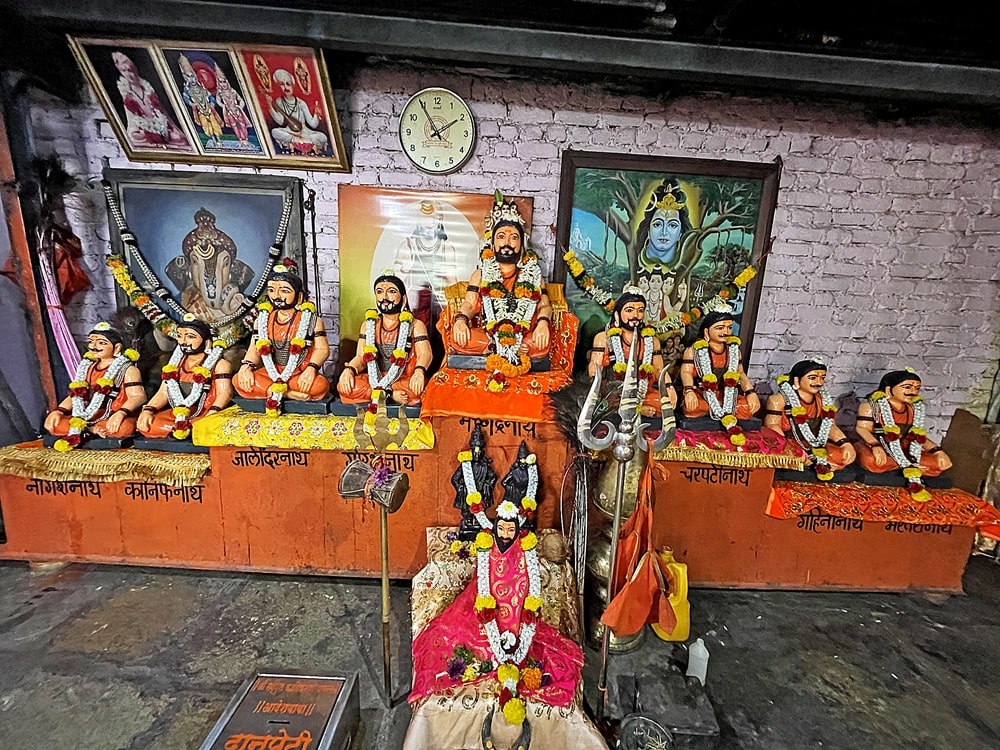
The legend of Kanifnath’s birth is told in the text ‘Shri Navnath Bhaktisar’ by the poet Malu Narhari (Dhundisut Malu). It states that Saraswati was the daughter of Lord Brahma. When she turned 12, Brahma felt desire upon seeing her beauty. At that moment, a spark of Brahma’s radiance fell into the ear of an elephant sleeping on the earth. Over time, a child was born from that ear. That child was Kanifnath. He lived with Jalandharnath for 12 years at Badrinath in the Himalayas. The *Navnath Bhaktisar* states that he composed billions of verses there. Afterward, Kanifnath traveled across the country. During this period of travel, he gained 700 disciples. He went to the land of women (*Stridesh*) and met Machindranath. References in this text indicate that he lived in the Bengal and Cuttack regions. It is believed that a dialogue between Kanifnath and Lord Mahadeva took place on this very fort at Bopgaon. In the Nath tradition, Vetal is considered the king of ghosts. With the belief that all powers are subordinate to the Naths, an idol of Vetal has been installed here.
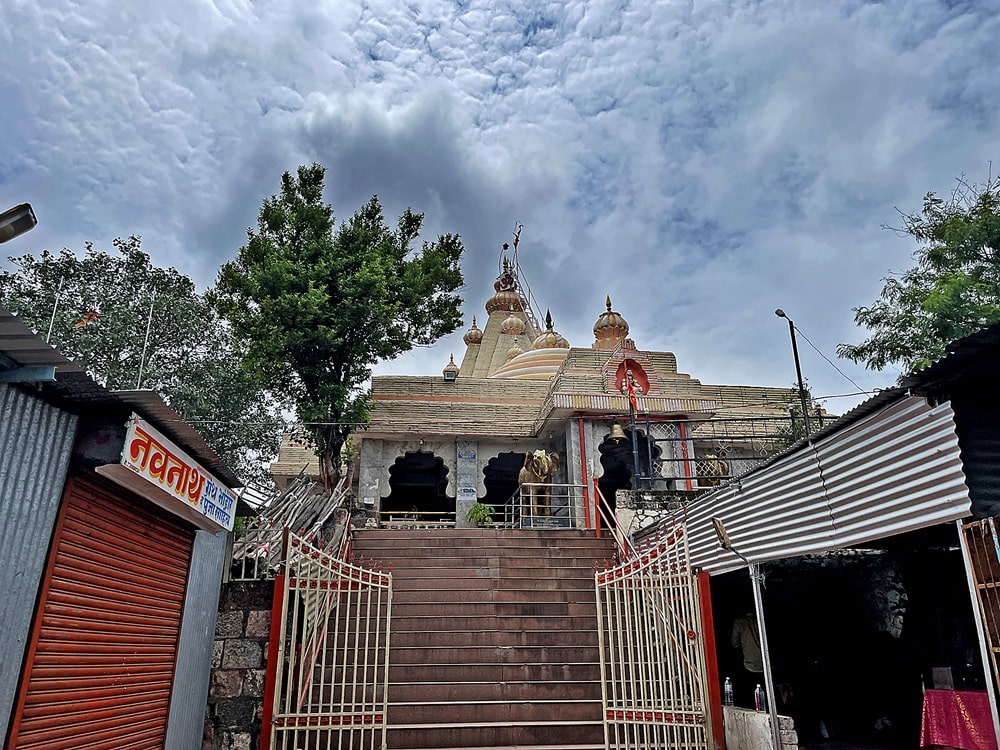
There are mainly two routes available from Pune city to reach Kanifnath Gad. The first route is from the Kondhwa area of Pune via the Bopdev Ghat. This route is hilly and leads directly to the base of the fort. The second route is via the Hadapsar-Saswad road, crossing Dive Ghat and turning right at the Bopgaon Phata while heading towards Saswad. After reaching the base of the fort, devotees have to climb a path of about 150 to 200 steps. The climb is of moderate difficulty. The entire path offers natural shade and fresh air. The fort premises are extremely clean and covered with trees. Upon entering the fort, there is a large archway known as ‘Kanifnath’s Arch’. There is a resting area for devotees near this arch. After climbing the steps, one enters the temple courtyard. From here, one can see parts of Pune city and the Katraj mountain ranges.
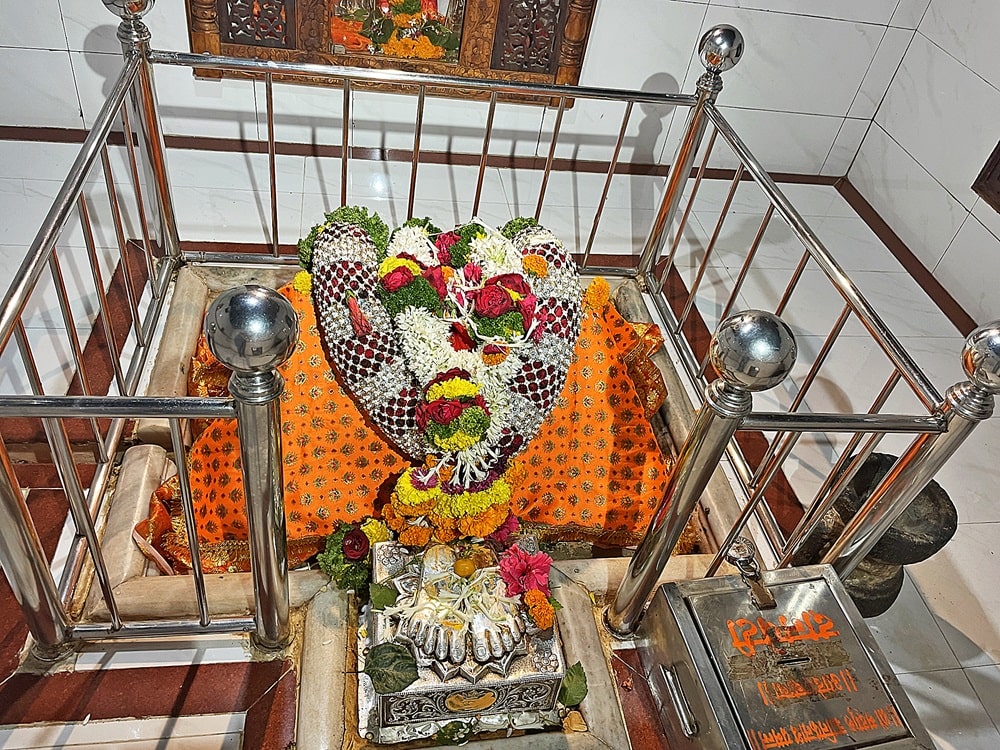
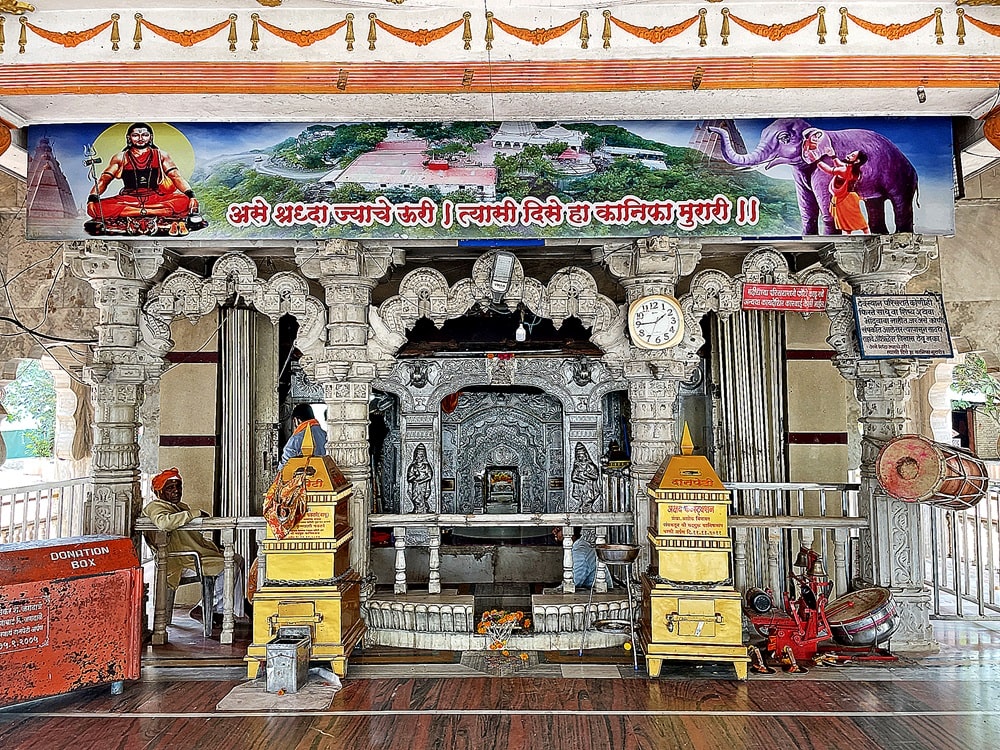
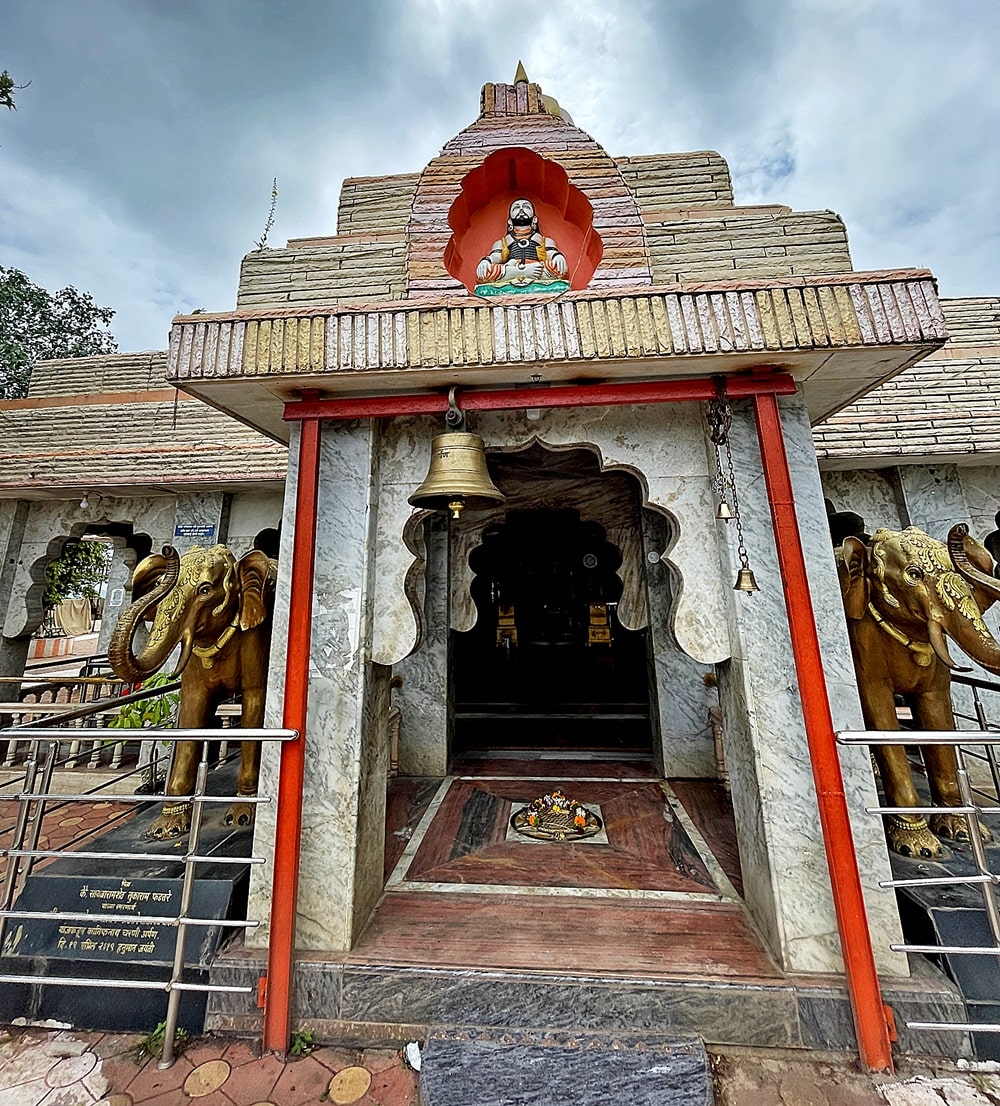
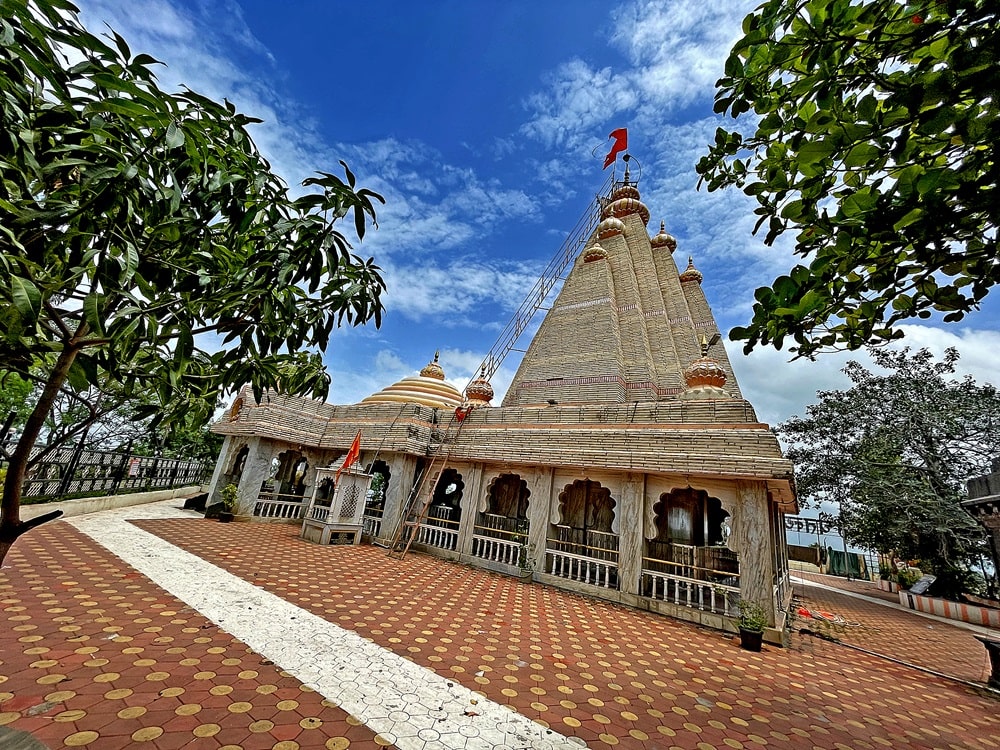
The Kanifnath temple is a blend of ancient cave architecture and modern construction. Elephants are carved onto the stone main entrance of the temple. These images are considered symbols of the legend of Kanifnath’s birth. The temple underwent major renovations in 2005, during which a large *sabhamandap* (assembly hall) and a *pradakshina* (circumambulation) path were completed. The pillars in the *sabhamandap* feature carvings of various mythological stories. A unique feature is the *garbhagriha*, which is located below ground level in the form of a natural cave. The frame for entering this cave is very small, measuring approximately 1.25 feet by 1.25 feet. Devotees must crawl on their stomachs through this narrow passage to enter. Inside, there is enough space for about 15 to 20 people to stand at a time. The *samadhi* of Kanifnath is located in the *garbhagriha*. There is beautiful silver craftsmanship on this *samadhi*. The temple walls feature carvings of episodes from the lives of Saint Dnyaneshwar, Saint Tukaram, and the Navnaths. In one corner of the temple is the seat of Guru Jalandharnath, and on the other side are the seats of Machindranath and Gorakshanath. The temple spire features carvings of various deities. There are small sub-spires on all four sides of the main spire, with a brass *kalash* at the top.
Various religious festivals are celebrated throughout the year at Kanifnath Gad. The Rangpanchami fair is the largest festival here. This grand pilgrimage takes place on Phalgun Vadya Panchami. Thousands of devotees from all over Maharashtra participate in it. On this day, an *abhishek* is performed on Kanifnath’s *samadhi* at dawn. Gulal and colors are showered on the temple spire. A *palkhi* (palanquin) procession of Kanifnath departs from Bopgaon. This procession is brought to the fort amidst the sound of traditional instruments. During the fair, many honorary ‘Shikharkathis’ (ceremonial poles) from surrounding villages arrive at the fort. Bullock cart races are organized at the base of the fort for the occasion. A *palkhi* procession is held every full moon day, in which devotees participate while chanting the name of the Naths. Every Thursday afternoon, *mahaprasad* is distributed after the *aarti*, which is enjoyed by hundreds of devotees. Additionally, festivals like Ram Navami, Hanuman Jayanti, Gokulashtami, Datta Jayanti, and Mahashivratri are also celebrated here according to scriptural traditions. A *Kakad Aarti* is performed daily at 5:00 AM and a *Shej Aarti* at night. There are specific rules for *darshan* here. Men must remove their upper garments before entering the main *garbhagriha*. Women, however, can only have *darshan* from the outside. Devotees can enter the *garbhagriha* to see Kanifnath’s *samadhi* from 5:00 AM to 9:00 PM. On Sundays and Thursdays, this time is extended from 5:00 AM to 10:30 PM.
This sacred temple stands as a testament to deep spiritual devotion, ancient architectural grandeur, and rich local cultural traditions.
The sanctum sanctorum houses the divine idol consecrated according to ancient Vedic traditions, surrounded by serene courtyards and traditional temple architecture.
Navratri, Maha Shivratri, Annual Temple Jatra & Deepotsav
Compare and book flights, secure top-rated local hotels near the temple, hire reliable guides, and rent cars instantly.
Extend your pilgrimage by visiting other highly sacred temples located nearby.


Add ₹999 more to unlock FREE SHIPPING!
Your sacred cart is currently empty.
Shop Photo FramesFill in your delivery details below to place your order.
Add comment