
Add ₹999 more to unlock FREE SHIPPING!
Your sacred cart is currently empty.
Shop Photo FramesSiddhanath is considered a form of Lord Shiva. In many places across India, Siddhanath is worshipped as Kalbhairav. There is a historic temple of Siddhanath in the village of Balawadi. Records indicate that this temple, built in the Hemadpanti architectural style, was constructed approximately two hundred years ago. Siddhanath, in the form of Kalbhairav, is regarded as the guardian deity of Balawadi village and the surrounding region. For many families in this area, Siddhanath is also their family deity (Kuldaivat). Devotees believe that Siddhanath is a deity who grants wishes. Because of this, there is a large crowd of devotees here, especially every Sunday.
The legend of Siddhanath is described in the text ‘Siddhantabodh’. This text was written by the Muslim saint-poet Shahmuni, who was born in Pedgaon, Ahmednagar district. This work was composed during the Peshwa era in the year 1778. Similar to this text, the great author Shridhar Swami Nazrekar, the creator of ‘Shivalilamrut’, has also narrated the story of Siddhanath. According to this, in ancient times, a demon named Kalasur was severely tormenting the sages and hermits in the southern region. To seek liberation from this, they went to Lord Shiva. Hearing their pleas, Shiva struck his matted hair (Jata) forcefully on the ground. From this, a Siddha Purusha (an enlightened being) was created. His name was Siddhanath. At the behest of Shiva, he drank the water from five wells in the netherworld (Patal-lok), attained divine powers, and thereby slew Kalasur.
Siddhanath is also addressed by the names Kalbhairav, Bhairavnath, Shidoba, and Siddheshwar. There are also Siddhanath temples near Balawadi in Mhaswad and Kharsundi. Mentions of some Siddhanath temples are found in the history of the Peshwas. The Siddhanath temple is mentioned in the religious works performed by Bajirao II. The Sangola taluka was under the control of the Peshwas between the years 1750 and 1818. After the British defeated the Peshwas in 1818, this region came under British control. Later, in the year 1835, the construction of the Siddhanath temple was undertaken through the initiative of the Chhatrapati’s administrators, namely the Shinde, Nimbalkar, and Dhaygude Patil families. The temple attained its current form after the renovation carried out in 1991.
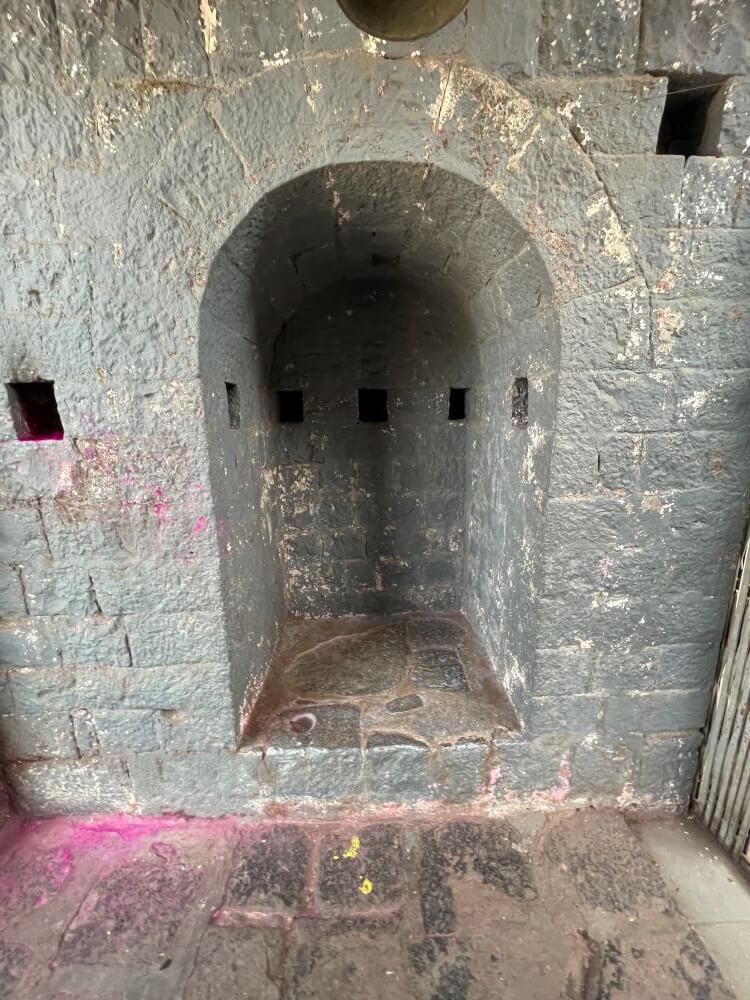
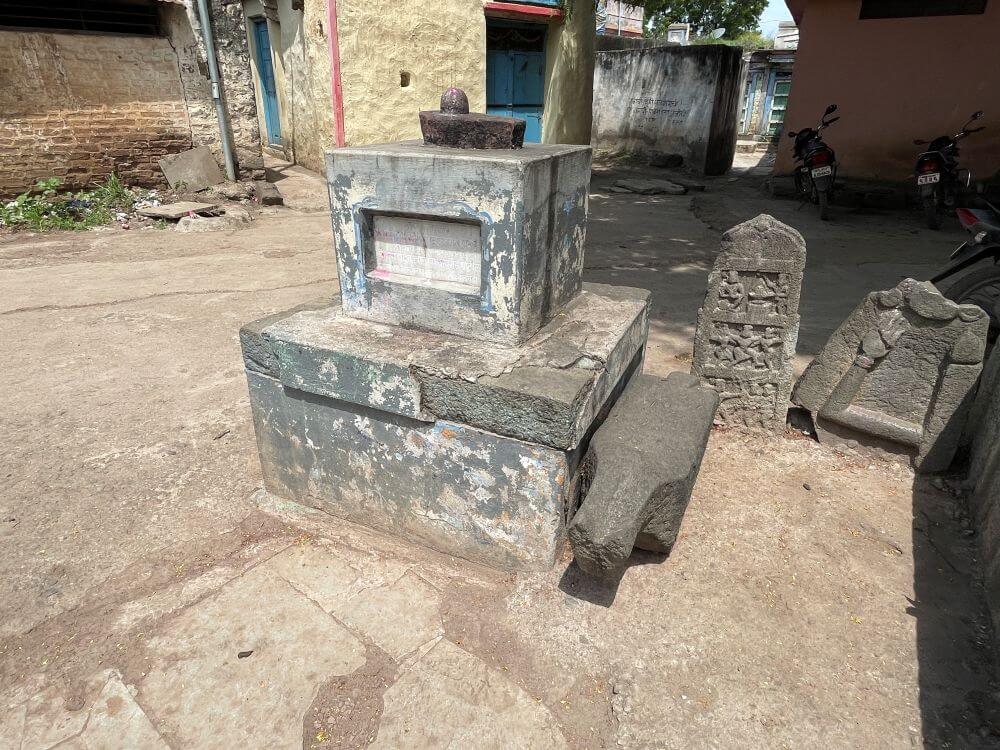
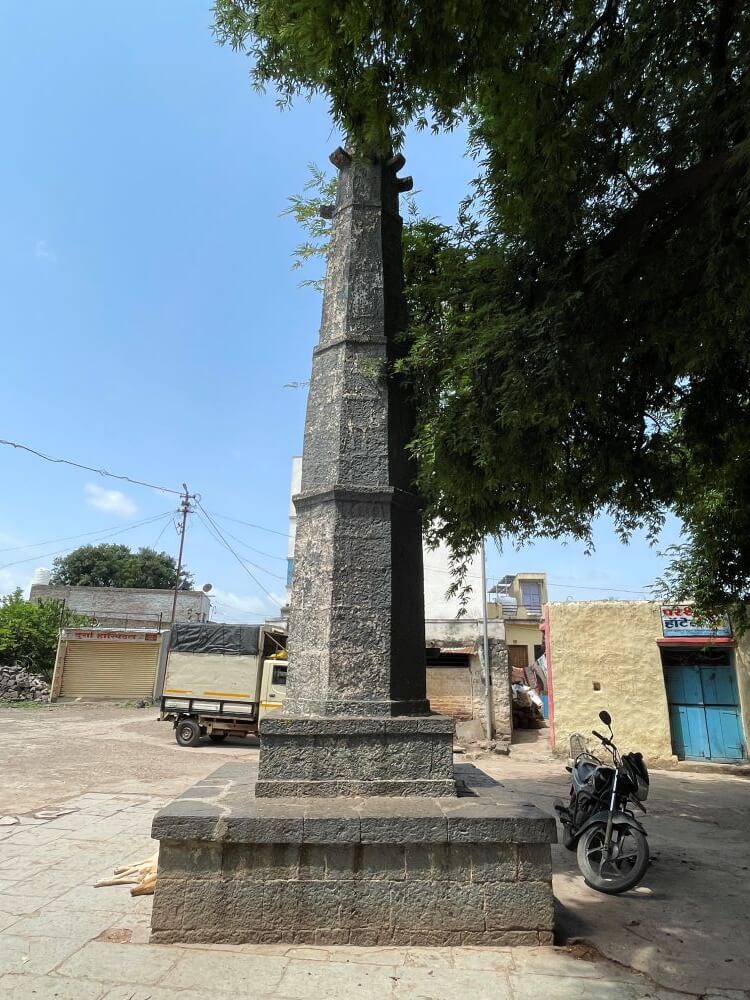
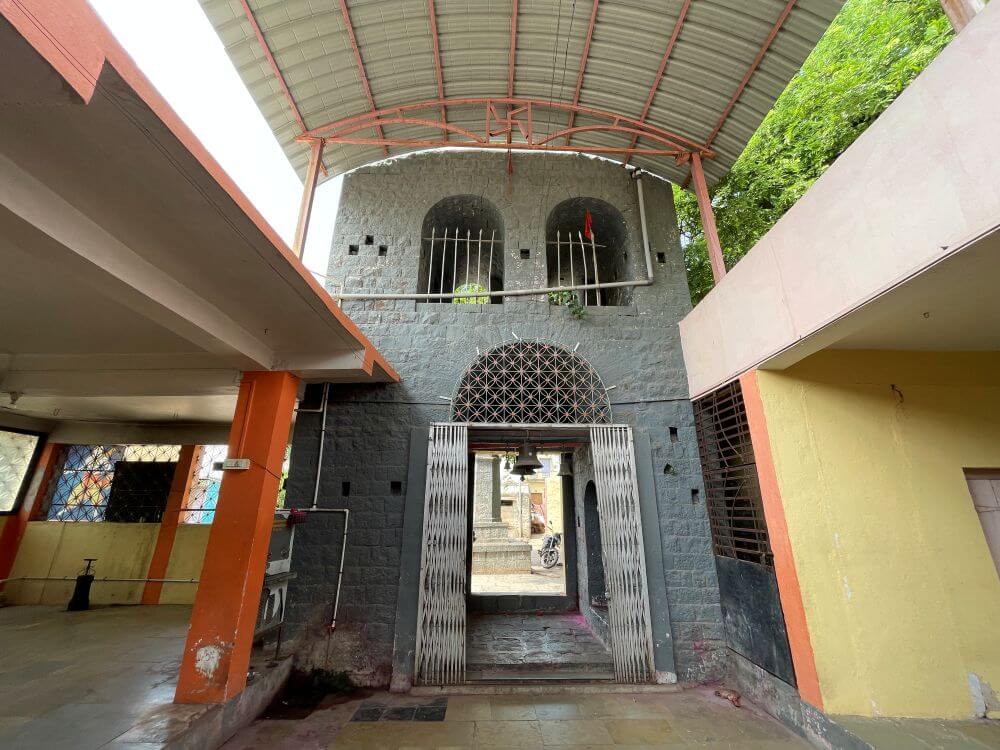
The Siddhanath temple is located in the central part of Balawadi village. To the left of the temple entrance, there is a high platform. It is used as a stage during many programs held here. To the right of the entrance, on two stacked platforms, stands a tall stone lamp pillar (Deepstambh). Near it are some ancient idols, hero stones (Virgal), and Shiva Lingas. The temple entrance, which resembles a fort, is made of stone masonry. On both sides of the two-story entrance are lotus petal carvings and lamp niches above them. There is an inscription on it stating that this entrance was constructed in the year 1835 Shaka. On the second floor of the entrance is the Nagarkhana (drum house). This Nagarkhana has two windows on the front side and a decorative parapet (Bashingi Kathada) on the roof side. Inside the entrance are the guard chambers.
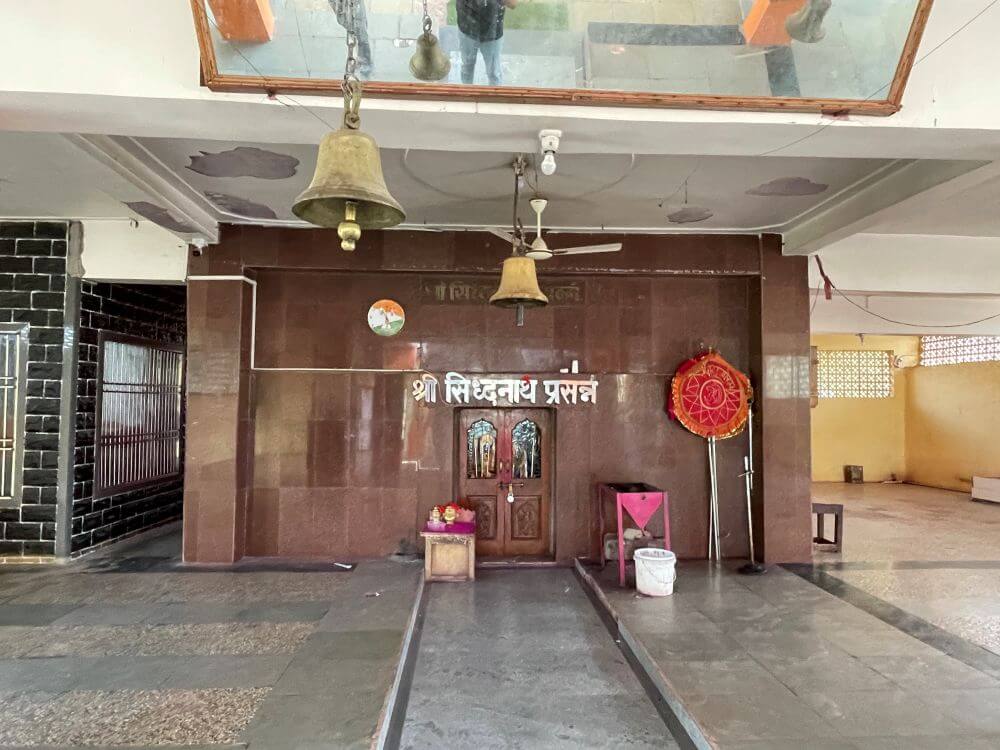
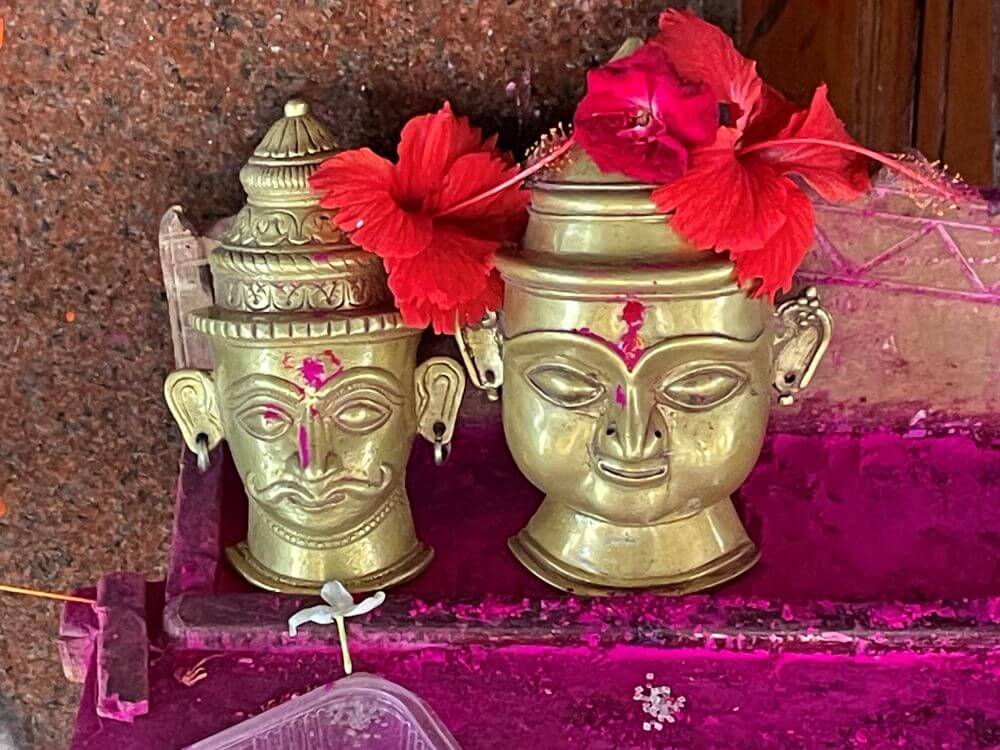
One enters the temple courtyard through this entrance. A main hall (Sabhamandap) is built on the path from the entrance to the main temple. On this path, on a platform, is an idol of a horse, which is the vehicle (Vahana) of Siddhanath. In front of it is a brass tortoise. In the Sabhamandap, the sanctum sanctorum (Garbhagriha) is designed by leaving a circumambulation path (Pradakshina Marg) in the front. The sanctum sanctorum here is the original temple. This enclosed sanctum, built in the Hemadpanti architectural style, has a narrow entrance. On the wooden shutters of this entrance are carvings of gatekeepers (Dwarpal). Near this entrance are the brass masks of Bhairavnath and Jogeshwari Devi, which are used during festivals. In the sanctum, on a large pedestal (Vajrapith), are the idols of Siddhanath and Jogeshwari Devi housed in a silver-plated arch (Makhar). Both these idols are adorned with silver masks, various garments, and ornaments. Near the idol of Siddhanath is a small brass idol of Ganesha. On the back halo (Prabhaval) above the heads of both these idols are sculptures of a five-hooded Shesha (serpent), and on both sides of them are peacock carvings. On both pillars of the arch, on the lower side, are carvings of gatekeepers.
On the day of Diwali Padwa and Tulsi Vivah, a grand worship (Mahapuja) of Siddhanath is performed here. During this period, the festival of Siddhanath is celebrated. There is a tradition of throwing Gulal and dry coconut during the worship of Siddhanath. Many devotees observe strict fasting during this time. Sunday is considered the day of Siddhanath. Many devotees come here for Darshan on this day.
This sacred temple stands as a testament to deep spiritual devotion, ancient architectural grandeur, and rich local cultural traditions.
The sanctum sanctorum houses the divine idol consecrated according to ancient Vedic traditions, surrounded by serene courtyards and traditional temple architecture.
Navratri, Maha Shivratri, Annual Temple Jatra & Deepotsav
Compare and book flights, secure top-rated local hotels near the temple, hire reliable guides, and rent cars instantly.
Extend your pilgrimage by visiting other highly sacred temples located nearby.


Add ₹999 more to unlock FREE SHIPPING!
Your sacred cart is currently empty.
Shop Photo FramesFill in your delivery details below to place your order.
Add comment