
Add ₹999 more to unlock FREE SHIPPING!
Your sacred cart is currently empty.
Shop Photo FramesShri Kshetra Valzhari is recognized as the birthplace of the Adi Kavi Maharishi Valmiki, who composed the world-renowned epic ‘Ramayana’, which consists of seven cantos, २४,००० verses, and approximately ४,८०,००० words. It is said that Maharishi Valmiki used to come to a spring located at Pimparkhed to drink water. Because of this, the area came to be known as Valzhari. This site is mentioned as the birthplace of Maharishi Valmiki in the Maharashtra Gazetteer as well as in the coffee table book published by the Jalgaon District Collector’s Office. Hundreds of devotees visit this place daily for darshan, as it is a place of faith for thousands of devotees.
There are various schools of thought in Puranic literature regarding the life biography of the great poet Valmiki. In the first volume of the research journal ‘International Journal of Trend in Scientific Research and Development’, an article titled ‘Adikavi Valmiki: Ramkatha Ke Pratham Gayak’ by Sanskrit expert Dr. Mohan Mishra The essay has been published. According to it, some have called Valmiki a descendant of Bhrigu, some the son of Pracheta, and some the husband of a Shudra woman. In the Vaishnava, Avantya, Prabhasa, and Nagara sections of the Skanda Purana, it is mentioned that Valmiki was initially a Dasyu. Apart from the Vaishnava section, in the other sections, Valmiki is
He is referred to as a Brahmin’s son. According to the Vishnu Purana, Valmiki was a sage of the Bhrigu lineage. His original name was Riksha. The ancient Buddhist poet Ashvaghosha has stated that he was the son of Sage Chyavana, whereas in the Mahabharata, it is mentioned that he became Valmiki while Sage Chyavana was performing penance.
The story of the robber becoming Valmiki is narrated in the one hundred and twenty-fourth chapter of the Nagara Khanda of the Skanda Purana. According to it, a Brahmin named Lohajangha lived in Chamatkarapura. He was a devotee of his mother and father. Due to a famine that lasted for twelve consecutive years, he began to commit thefts to feed his parents. Once, when the Saptarishis were passing by on the road, he stopped and threatened them. Then, the Saptarishis asked him if the sins he was committing for his family members will they become partners in what you are doing? When he went home and asked his family members the same, they refused. Thereafter, Lohajangha, filled with intense remorse, was given the miraculous mantra ‘Jataghot’ by the Saptarishis. Lohajangha became absorbed in meditation and began chanting it day and night. Even when an anthill grew over his body, he was unaware of it. After some time, when the Saptarishis were returning from that path, they heard the sound of the ‘Jataghot’ mantra coming from that anthill. At that time, they brought Lohajangha out from within it. Through that penance, he had attained spiritual powers. According to popular legend, the original name of Valmiki was Valya Koli. He was raised by a Bhil woman. Narada had instructed him to chant the name of Rama. Because of this, Valya became Valmiki. His ashram was on the banks of the Tamasa River. Once, when Sage Narada came to visit him there, he asked him who the ideal man on earth was. Then Narada narrated the story of Rama to him. From this story, he composed the epic.
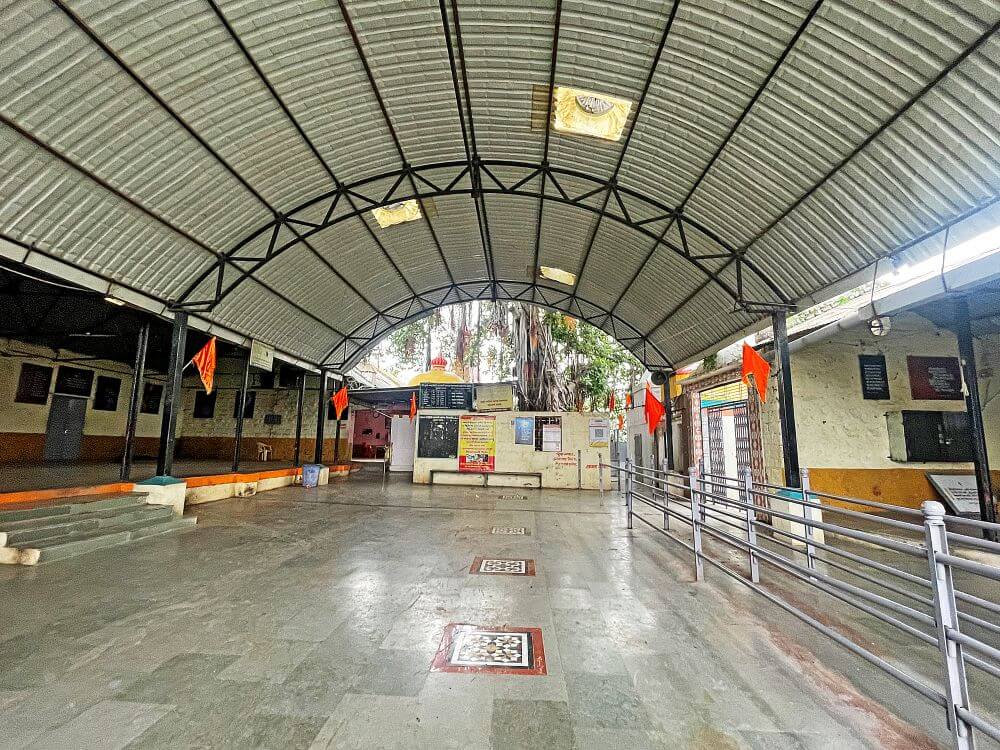
Valzhiri in Jalgaon district is considered the land of penance and the birthplace of Maharishi Valmiki. There is an ancient Mahadeva temple here. Legend has it that Sage Valmiki used to come to the pond located within the temple premises to drink water. There is a large parking area in the temple premises situated on the banks of the Gaymukhi river. On the path leading from there to the temple, there are many shops selling worship materials and offerings. In front of the temple, there is a large semicircular tin shed. After coming forward from this shed, an ancient banyan tree is visible. It is said that Sage Valmiki used to sit under this banyan tree to perform penance. Next to this banyan tree is the temple of Sage Valmiki. On a pedestal inside this temple, there is an idol of Sage Valmiki and padukas (footprints) in front of the idol.
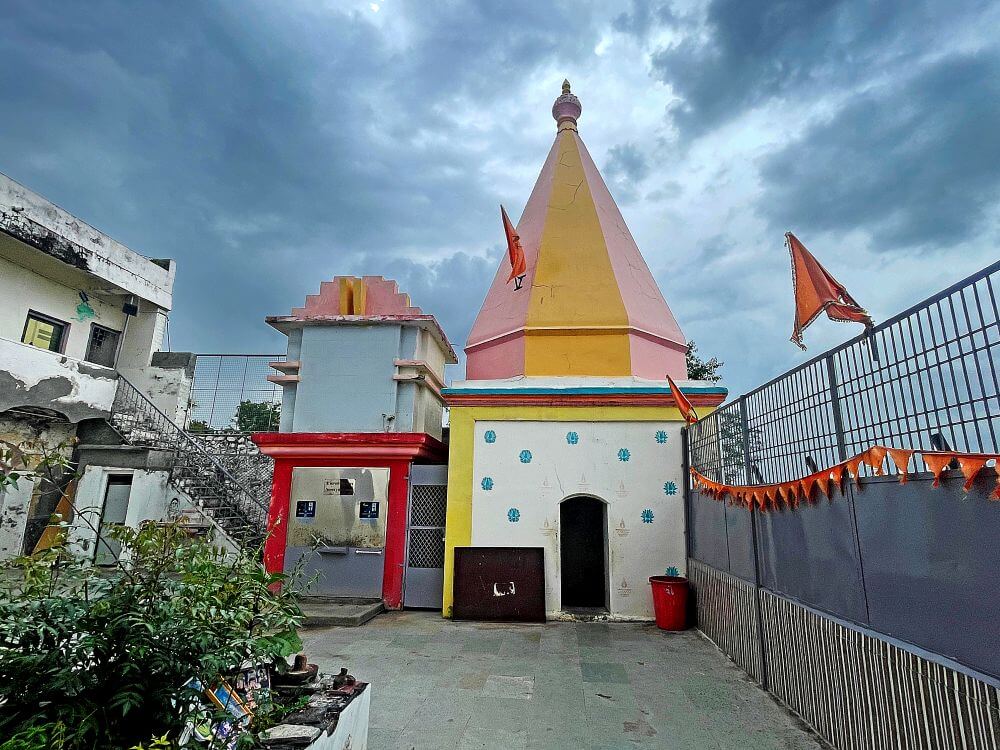
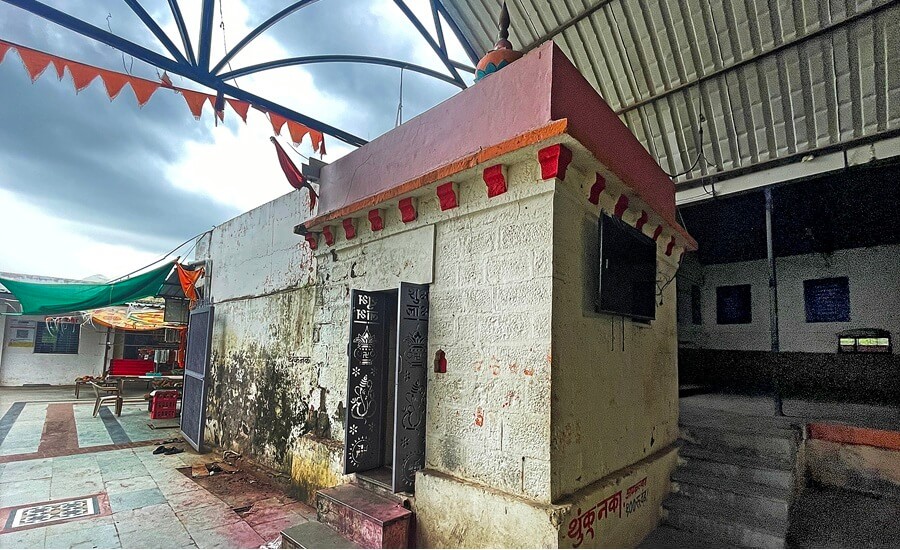
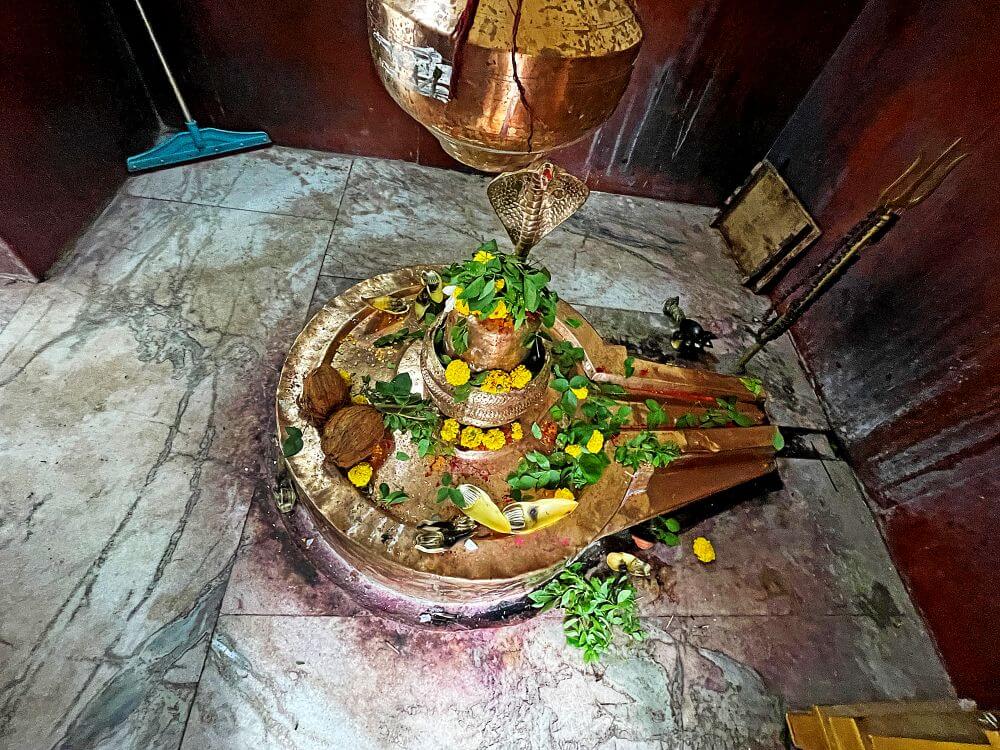
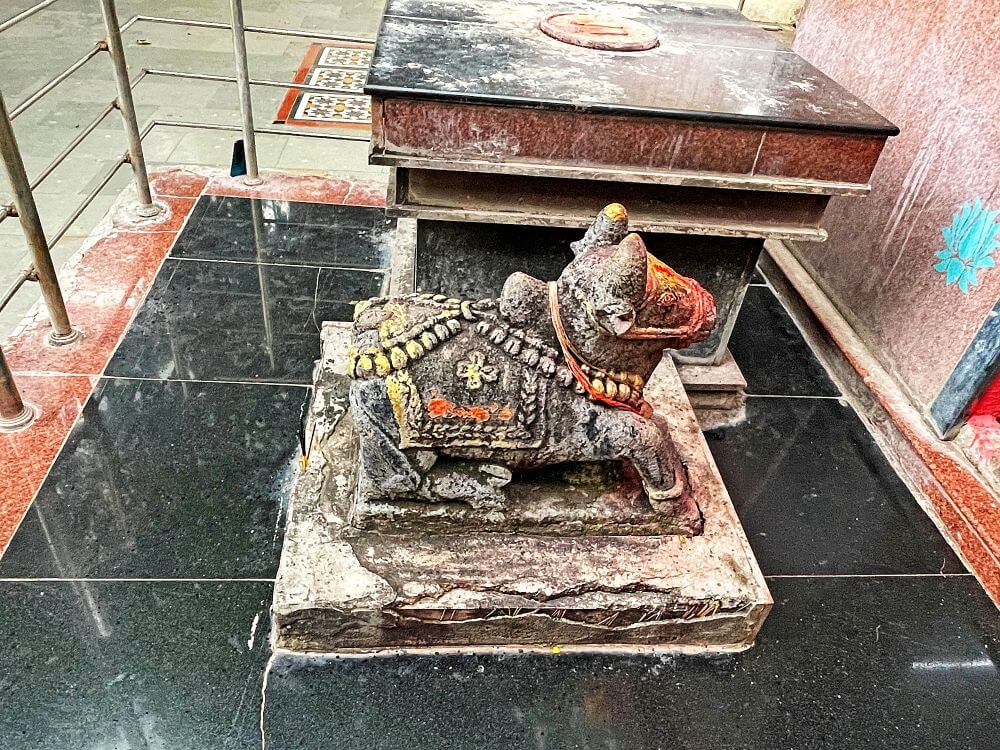
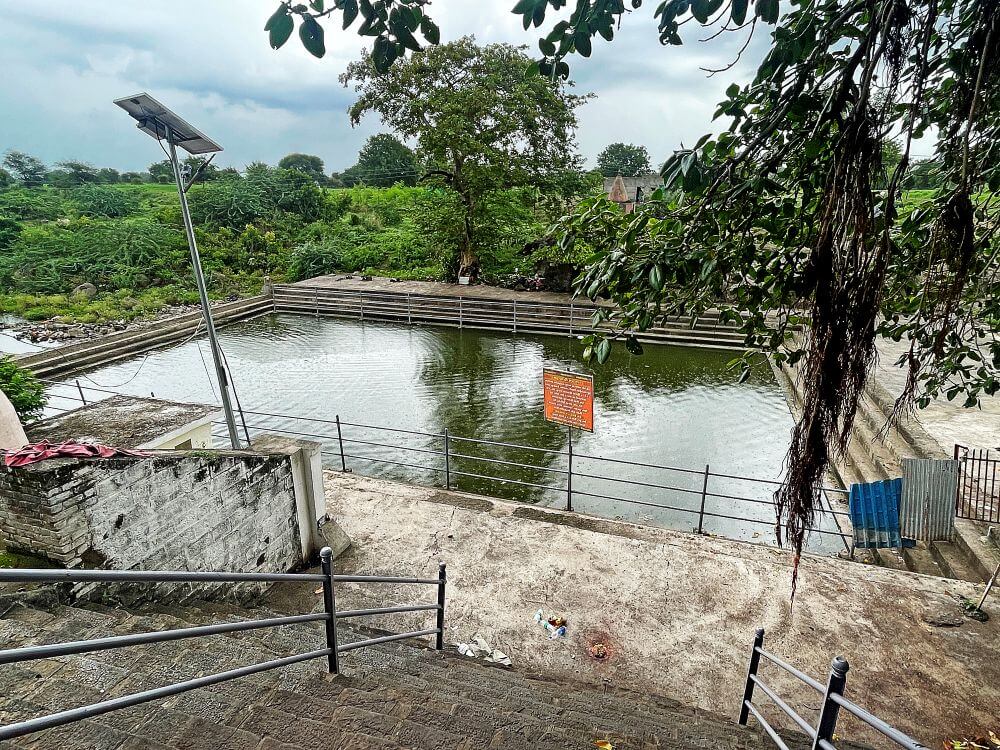
Adjacent to the Valmiki Temple is the Valmikeshwar Mahadev Temple. It is said that the site of Mahadev here dates back to the Treta Yuga, even before the birth of Valmiki. It is believed to be the original site of this place. Below this temple is a Gomukh Kund. There are stone steps on all four sides to descend into this reservoir. The water flowing into this reservoir from the Gomukh is considered sacred. Devotees believe that bathing in this water fulfills the desire for progeny. After the fulfillment of vows, it is customary here to offer metal or wooden cradles as well as bells. During auspicious occasions like Somvati Amavasya, Rishi Panchami, and Mahashivratri, there is a large gathering of devotees here. Apart from these two temples, there are temples of Shri Ram, Hanuman, Vitthal-Rakhumai, Shri Dattatreya, and the Navnath in this vicinity.
This sacred temple stands as a testament to deep spiritual devotion, ancient architectural grandeur, and rich local cultural traditions.
The sanctum sanctorum houses the divine idol consecrated according to ancient Vedic traditions, surrounded by serene courtyards and traditional temple architecture.
Navratri, Maha Shivratri, Annual Temple Jatra & Deepotsav
Compare and book flights, secure top-rated local hotels near the temple, hire reliable guides, and rent cars instantly.
Extend your pilgrimage by visiting other highly sacred temples located nearby.


Add ₹999 more to unlock FREE SHIPPING!
Your sacred cart is currently empty.
Shop Photo FramesFill in your delivery details below to place your order.
Add comment